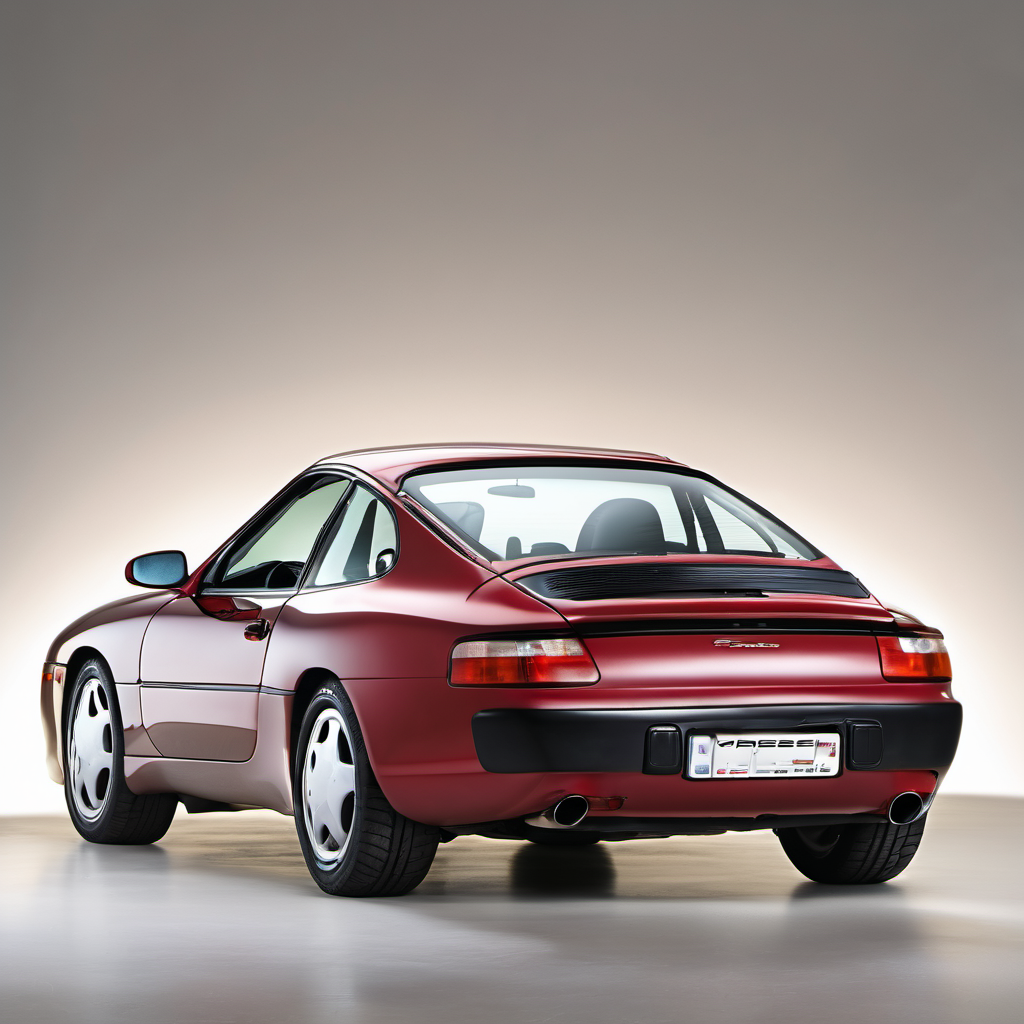
1994 Porsche 968 Coupe

1994 Porsche

968Coupe

Coupe

The 1994 Porsche 968 Coupe is the final evolution of the front-engine, rear-wheel-drive lineage that started with the 944. Porsche refined nearly everything from the 944 S2 — adding VarioCam variable valve timing, a larger 3.0L four-cylinder (one of the largest displacement four-cylinders ever put in a production sports car at the time), and a significantly revised suspension. It was produced only from 1992–1995, making 1994 one of the last-year examples. The 968 was never a huge seller — Porsche moved fewer than 13,000 worldwide over its entire run — but it earned a devoted following for its balance, steering precision, and engine character. The 3.0L inline-four produces 236 hp and pulls strongly from low RPM thanks to VarioCam. It came standard with a 6-speed manual (G64) or an optional 4-speed Tiptronic automatic. Handling is widely considered among the best of any front-engine sports car of the era. Owning a 968 today means owning a 30-year-old specialist vehicle. Parts are expensive, sourcing can be slow, and you will need a shop familiar with classic Porsches. The upside: these cars have largely sorted themselves out at this age — the ones still on the road have usually been cared for. Values have climbed meaningfully in recent years as enthusiasts recognize what the 968 really is.

Reliability
3/5
Verified data
Specs shown for 968 — the most common configuration. Other trims may vary in engine, drivetrain, or fuel economy. Sign in to see your vehicle's exact specs.
Engine
[object Object]
Drivetrain
RWD
Fuel
Gasoline
MPG
15 city / 23 hwy / 18 combined
Seats
Doors
Body
Two Seaters

Overview

AI-curated

The 1994 Porsche 968 Coupe is the final evolution of the front-engine, rear-wheel-drive lineage that started with the 944. Porsche refined nearly everything from the 944 S2 — adding VarioCam variable valve timing, a larger 3.0L four-cylinder (one of the largest displacement four-cylinders ever put in a production sports car at the time), and a significantly revised suspension. It was produced only from 1992–1995, making 1994 one of the last-year examples. The 968 was never a huge seller — Porsche moved fewer than 13,000 worldwide over its entire run — but it earned a devoted following for its balance, steering precision, and engine character. The 3.0L inline-four produces 236 hp and pulls strongly from low RPM thanks to VarioCam. It came standard with a 6-speed manual (G64) or an optional 4-speed Tiptronic automatic. Handling is widely considered among the best of any front-engine sports car of the era. Owning a 968 today means owning a 30-year-old specialist vehicle. Parts are expensive, sourcing can be slow, and you will need a shop familiar with classic Porsches. The upside: these cars have largely sorted themselves out at this age — the ones still on the road have usually been cared for. Values have climbed meaningfully in recent years as enthusiasts recognize what the 968 really is.

Known for
  • One of the largest-displacement four-cylinders in any production sports car
  • VarioCam variable valve timing — rare technology for 1992
  • Exceptional steering feel and chassis balance
  • Tiptronic or 6-speed manual transmission options
  • Strong appreciating-classic status among Porsche enthusiasts
Best for
  • Driving enthusiasts who want an analog, front-engine Porsche experience
  • Collectors looking for an undervalued classic with upside
  • Owners willing to do proper preventive maintenance on a specialist car
  • Weekend and fair-weather driving — not an ideal daily driver in Wisconsin winters
Watch for
  • VarioCam system wear — expensive if neglected
  • Cooling system age (hoses, water pump, thermostat are all 30 years old)
  • DME (engine control unit) failures or sensor degradation on aged electronics
  • Rust in rocker panels, floor pans, and rear wheel arches — especially on Wisconsin cars
  • High cost and slow sourcing of OEM and quality aftermarket parts

Common issues by mileage

6 known

VarioCam System Wear (solenoid, chain tensioner, timing chain)

high
Typically appears
60k+ mi or any car without recent service
Estimated repair
$800 – $3,000

Cooling System Failure (water pump, thermostat, aged hoses)

high
Typically appears
Any — age-related regardless of mileage
Estimated repair
$600 – $1,800

DME (Engine Control Unit) Failures and Sensor Degradation

medium
Typically appears
80k+ mi or 25+ years
Estimated repair
$400 – $2,500

Oxygen Sensor Failure / Heater Circuit Faults

medium
Typically appears
60k–120k mi
Estimated repair
$200 – $600

Rust — Rocker Panels, Floor Pans, Rear Wheel Arches

high
Typically appears
Any — age and road-salt exposure dependent
Estimated repair
$1,500 – $8,000

Clutch and Dual-Mass Flywheel Wear (manual transmission)

medium
Typically appears
80k–120k mi
Estimated repair
$1,200 – $3,500

Maintenance schedule

  1. 1
    Every 4 years or immediately if no documented history Full cooling system refresh (water pump, thermostat, all hoses, coolant flush)

    Original rubber hoses are 30 years old. A cooling system failure on a 968 can lead to catastrophic engine damage — the cost of a refresh is tiny compared to a head gasket or engine rebuild.

  2. 2
    Every 30k mi or at any major service VarioCam chain tensioner and solenoid inspection

    The VarioCam system is central to the 968's performance and reliability. Worn tensioners can lead to timing chain slap or failure. Solenoids clog with old oil — regular oil changes slow this degradation.

  3. 3
    Every 5,000 mi or annually, whichever comes first Engine oil and filter change — use a quality 5W-40 full synthetic meeting VW 502.00 or equivalent

    Short drain intervals protect the VarioCam oil passages and keep the engine clean. Old oil accelerates timing chain wear.

  4. 4
    Every 30k mi Spark plugs and ignition service

    The 3.0L four-cylinder's large displacement means ignition components work hard. Worn plugs hurt fuel economy and can stress the DME.

  5. 5
    Every 2 years Brake fluid flush

    Porsche specifies brake fluid replacement on a calendar basis due to moisture absorption. Wisconsin winters accelerate this. Degraded fluid raises pedal fade risk.

  6. 6
    Every 4–5 years on a car this age Inspect and replace aged rubber: engine mounts, suspension bushings, CV boots

    All rubber components are at least 30 years old. Cracked engine mounts change handling character; failed CV boots lead to CV joint replacement.

  7. 7
    Every 3–4 years or each fall before winter storage Battery service and terminal cleaning

    Cold Wisconsin winters are hard on batteries. The 968's aging electrical system is also sensitive to voltage drops that can confuse the DME.

  8. 8
    Every spring after road-salt season Underbody wash and inspection for rust

    Wisconsin road salt is the primary threat to the 968's longevity. Annual underbody inspection catches rust before it becomes structural.

Always defer to the manufacturer's service manual for warranty-mandated intervals.

Cost of ownership

Annual maintenance
$1,200 – $4,000
Fuel
Premium (91+ octane) required. At 18 MPG combined and ~12,000 mi/year, expect $2,000–$2,800/year depending on pump prices.
Insurance
Collector or agreed-value policy strongly recommended. Expect $800–$1,800/year depending on usage and storage. Daily-driver policies will not adequately cover market value.

A well-maintained 968 in good health can be kept up for $1,200–$2,000/year in routine maintenance. However, deferred maintenance or catch-up work on a newly purchased car can easily run $3,000–$8,000 in year one. Parts are sourced primarily through Porsche dealers or specialty suppliers — budget extra lead time and cost versus a mainstream vehicle. This is not a cheap car to own, but it rewards owners who stay ahead of the maintenance curve.

Seasonal care

Lake Geneva, WI
Winter
  • The 968 is NOT recommended for Wisconsin winter driving — road salt will accelerate rust on a 30-year-old unibody. Store it from November through April if at all possible.
  • Before storage, perform a full oil change, top off fluids, and charge the battery with a maintainer — sub-zero temperatures will kill a marginal battery overnight.
  • Use a quality interior car cover or heated garage if available; temperature cycling without a stable environment stresses aged rubber and seals.
  • If you must drive in winter, thoroughly rinse the underbody after every salt exposure — especially wheel arches, rocker panels, and subframe mounting points.
  • Switch to a full synthetic 5W-40 for cold-weather starts — the VarioCam oil passages need fast oil flow at startup in sub-zero temps.
  • Check and top off wiper fluid with a rated freeze protection of at least -30°F; the 968's low hood line makes windshield icing a visibility risk.
Summer
  • Monitor coolant temperature closely — the cooling system is 30 years old and heat soak in traffic can expose weak hoses or a marginal water pump.
  • Check tire pressure monthly; summer heat raises pressure significantly in performance tires and affects the 968's precise handling balance.
  • Inspect the A/C system annually — refrigerant leaks in aged systems are common, and the 968's cabin heats up quickly with a low greenhouse.
  • Park in shade when possible — UV degrades the aged interior plastics, dash, and any remaining original rubber trim faster than on a newer car.

Comparable vehicles

1994 BMW
M3

E36 M3 is a similarly focused, RWD sports coupe from the same era with a high-revving inline-six. More parts availability, similar enthusiast following, comparable performance.

No catalog match
1994 Porsche
944 S2

The direct predecessor to the 968 — shares the front-engine RWD platform. Cheaper to buy but less refined; good comparison point for buyers weighing budget vs. spec.

No catalog match
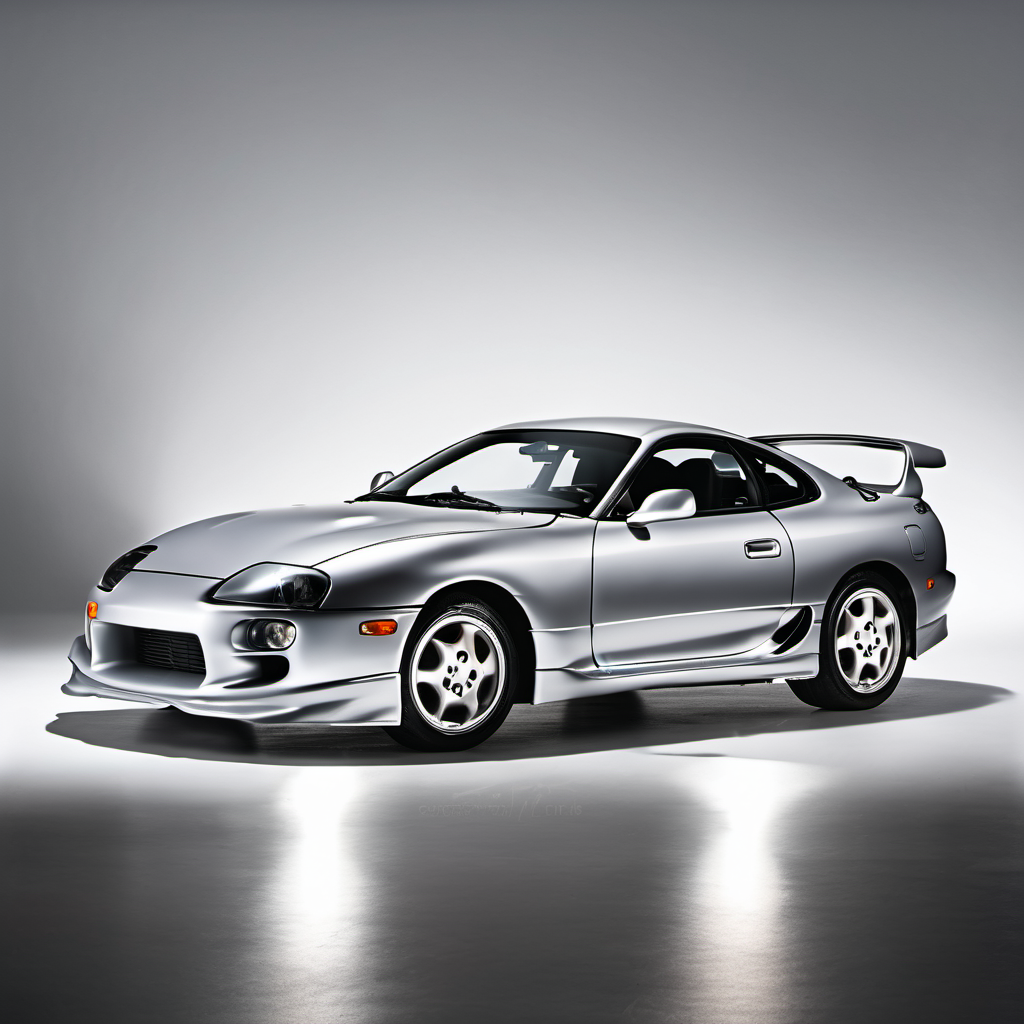
1994 Toyota Supra
1994 Toyota
Supra

MKIV Supra is another era-defining sports coupe with proven reliability and strong collector appeal. More powertrain durability, but values have outpaced the 968 significantly.

1995 Mazda
RX-7

FD RX-7 is a similarly rare, driver-focused Japanese sports car from the same period. Rotary engine demands even more specialist care, but it competes in the same enthusiast collector space.

No catalog match

If you're shopping for one

Red flags
  • No service records or vague 'dealer maintained' claims with no paperwork
  • Any evidence of rust bubbling under paint on rockers or arches — this is usually far worse underneath
  • Coolant that is brown, oily, or has a sweet smell in the cabin (head gasket warning)
  • Oil that is thick, black, or smells of fuel — sign of very extended drain intervals
  • Tiptronic cars with hesitation, slipping, or harsh shifts — rebuilds are costly and parts are scarce
  • Cars with mismatched paint panels or poorly repaired bodywork — collision history on a unibody sports car is a serious concern
  • Smoke on startup that doesn't clear quickly — valve stem seals or worse
What to inspect
  • Full documented service history — especially cooling system and VarioCam service records
  • VarioCam solenoid function: cold-start idle should be smooth and rev-response crisp; rattling on startup suggests chain tensioner wear
  • Coolant condition and hose integrity — squeeze hoses when cold, look for cracks or swelling
  • Underbody rust: rocker panels, floor pans, rear subframe mounts, and wheel arches are the 968's Achilles heel in Wisconsin
  • DME health: a pre-purchase scan for stored fault codes is mandatory on any 30-year-old Porsche
  • Clutch feel and flywheel: shudder on engagement or a notchy pedal suggests clutch or dual-mass flywheel replacement is imminent
  • Brake condition including calipers — seized pistons are common on cars that sit seasonally
  • Sunroof drain tubes if equipped — blockages cause interior water intrusion and hidden floor rust
AI profile generated 4 days ago · claude-sonnet-4-6 · v2.