Timing belt failure — interference engine damage
high- Typically appears
- 60–100k mi (and any unserviced interval since)
- Estimated repair
- $800 – $2,500
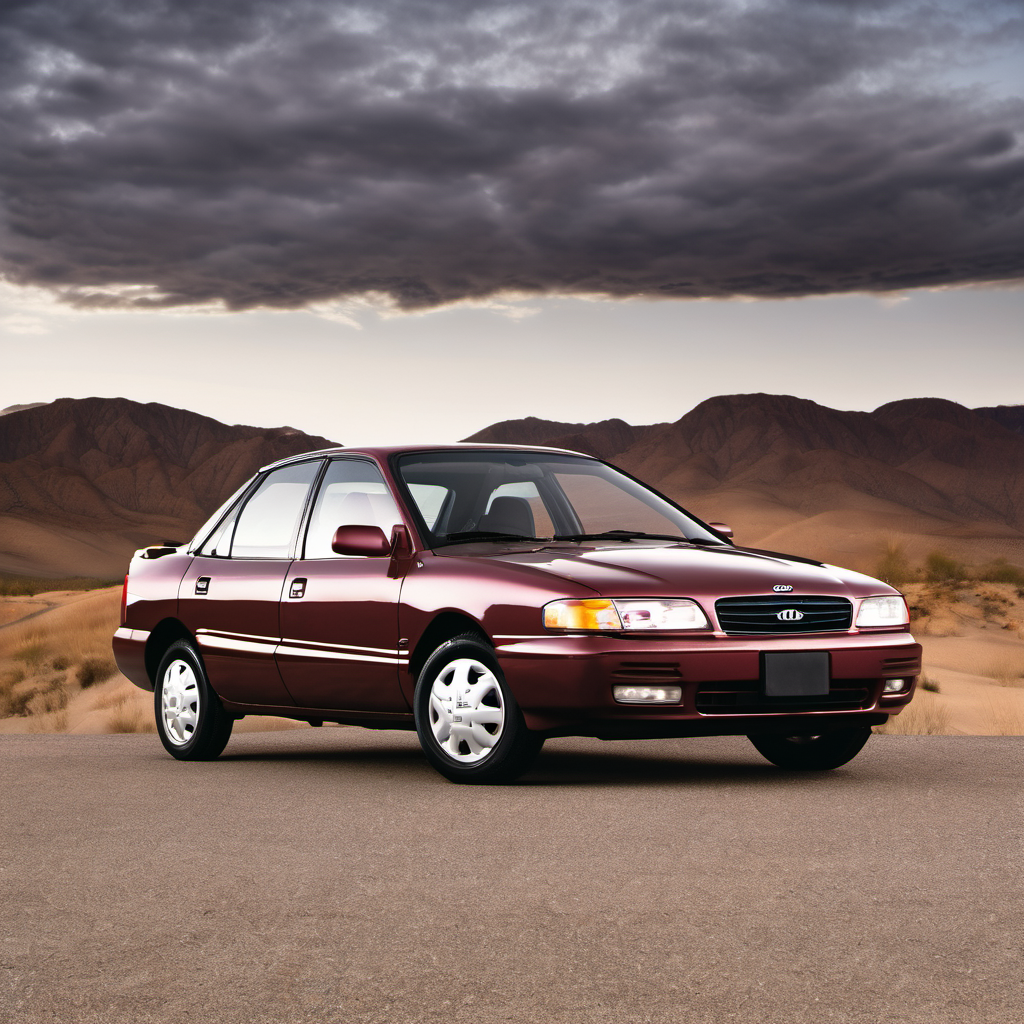
1994 Kia
Sedan
The 1994 Kia Sephia was Kia's first serious attempt at the North American compact sedan market. Built on a Mazda 323/323F platform under a then-active Mazda technical partnership, it shared much of its underpinning — including the 1.6L DOHC engine — with Mazda hardware of the era. That heritage gave it decent bones, but Kia's cost-cutting on trim, sealing, and corrosion protection meant the car aged poorly, especially in salt-belt states like Wisconsin. As a first-generation economy car (1992–1997), the Sephia was aimed squarely at budget buyers who needed reliable basic transportation. It handled adequately for city use, returned reasonable fuel economy, and was inexpensive to buy new. However, build quality was inconsistent, parts availability has dried up significantly, and by now any surviving example is almost certainly dealing with rust, tired suspension bushings, and aging electronics. At 30+ years old, the 1994 Sephia is firmly in collector-curiosity or project-car territory. Daily driving one in Lake Geneva is a commitment — Wisconsin winters are brutal on these thin-gauge bodies, and finding a mechanic familiar with this platform is increasingly difficult. Budget generously for unexpected repairs and treat rust inspection as non-negotiable before purchase.
The 1994 Kia Sephia was Kia's first serious attempt at the North American compact sedan market. Built on a Mazda 323/323F platform under a then-active Mazda technical partnership, it shared much of its underpinning — including the 1.6L DOHC engine — with Mazda hardware of the era. That heritage gave it decent bones, but Kia's cost-cutting on trim, sealing, and corrosion protection meant the car aged poorly, especially in salt-belt states like Wisconsin. As a first-generation economy car (1992–1997), the Sephia was aimed squarely at budget buyers who needed reliable basic transportation. It handled adequately for city use, returned reasonable fuel economy, and was inexpensive to buy new. However, build quality was inconsistent, parts availability has dried up significantly, and by now any surviving example is almost certainly dealing with rust, tired suspension bushings, and aging electronics. At 30+ years old, the 1994 Sephia is firmly in collector-curiosity or project-car territory. Daily driving one in Lake Geneva is a commitment — Wisconsin winters are brutal on these thin-gauge bodies, and finding a mechanic familiar with this platform is increasingly difficult. Budget generously for unexpected repairs and treat rust inspection as non-negotiable before purchase.
The 1.6L DOHC is an interference engine. A snapped belt means bent valves and a likely total engine loss. On a car this age, replace the belt regardless of claimed mileage at purchase.
30-year-old coolant hoses are brittle. A sudden hose failure on a cold Wisconsin morning can cause rapid overheating and head gasket damage.
Wisconsin road salt attacks rocker panels, subframe mounting points, and floor pans. Catch rust before it compromises structural integrity or safety.
Moisture-saturated brake fluid lowers boiling point and accelerates caliper and master cylinder corrosion — both concerns on an older car in a wet-salt environment.
Old plug wires crack in extreme cold, causing misfires. Fresh plugs and wires ensure reliable cold starts at Lake Geneva winter temperatures.
Older engines with higher blow-by benefit from more frequent oil changes. Using the correct viscosity for cold weather (5W-30) aids cold starts.
A marginal battery that starts the car at 60°F will fail at -10°F. Wisconsin winters demand a battery at full capacity — test and replace proactively.
30-year-old fuel systems accumulate tank sediment. A clogged filter causes hard starts and lean-running conditions, stressing the injectors.
Always defer to the manufacturer's service manual for warranty-mandated intervals.
On paper the Sephia looks cheap to own. In practice, a 30-year-old example in the upper Midwest will throw money at rust repair, rubber replacement, and hard-to-find parts. Budget $600–$900/year for routine upkeep if the car is in good shape, but keep a $1,500–$2,500 contingency fund for the inevitable surprise — a timing belt job, rust repair, or electrical gremlin. Parts sourcing can add significant time and shipping costs on top of labor.
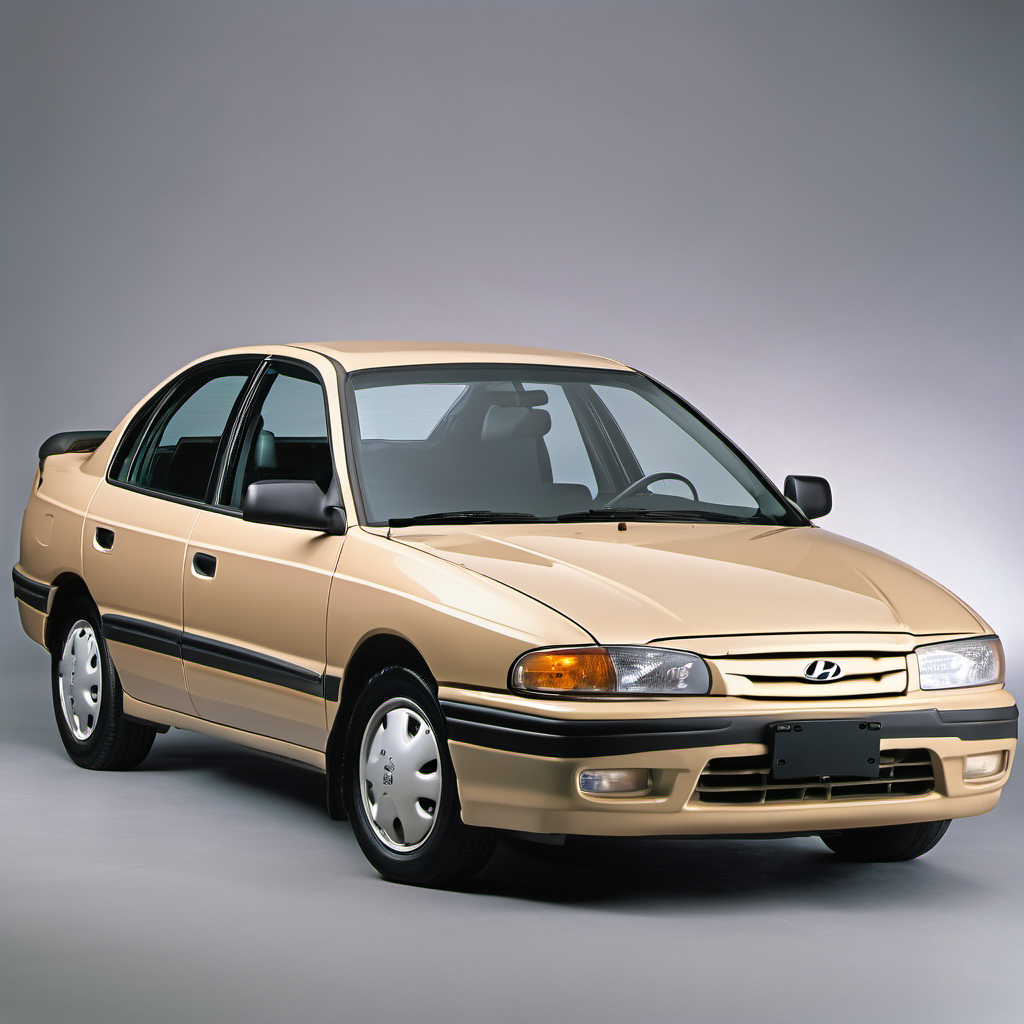
Direct segment rival — same price point, similar FWD compact format, Korean brand peer. Slightly more parts availability today but same rust-belt survival challenges.
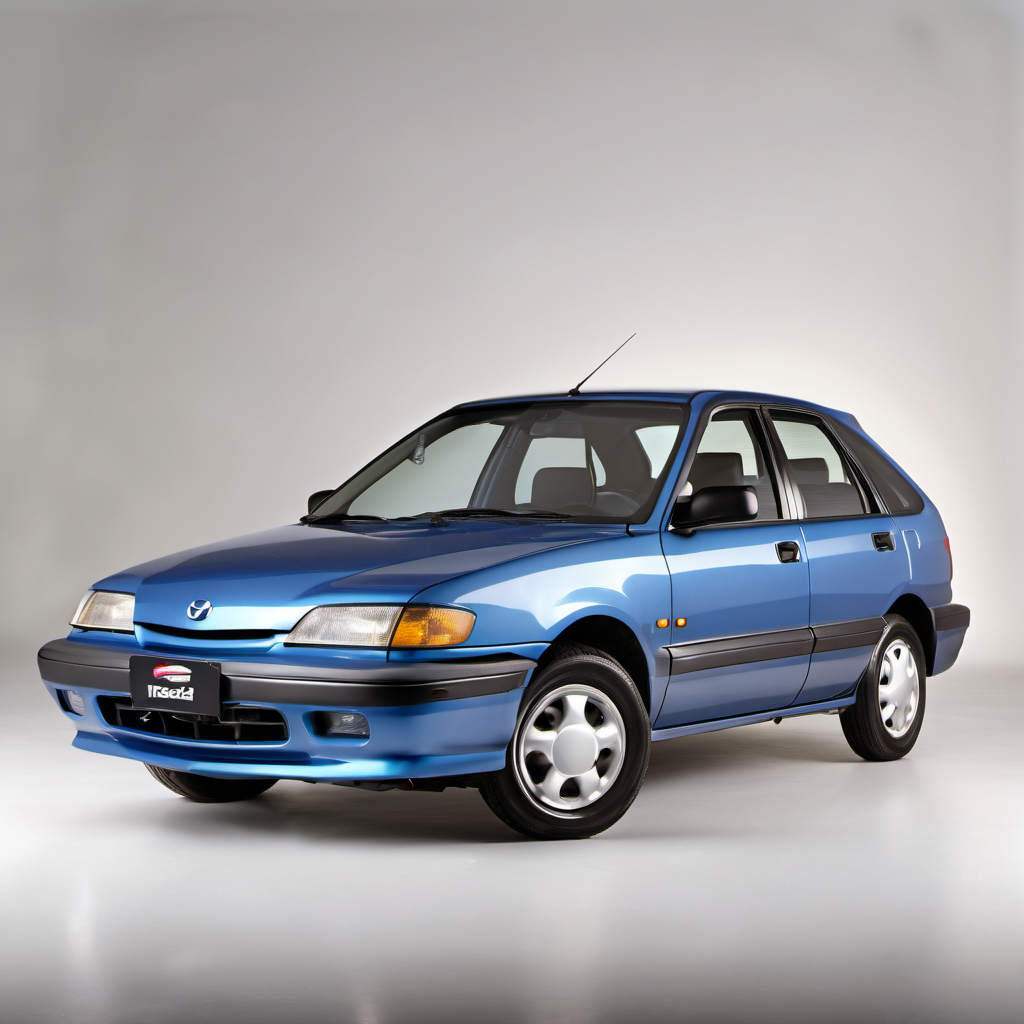
The Sephia shares its platform with the 323. The Mazda version has marginally better build quality and far better parts availability, making it the smarter buy if you want this era of compact.
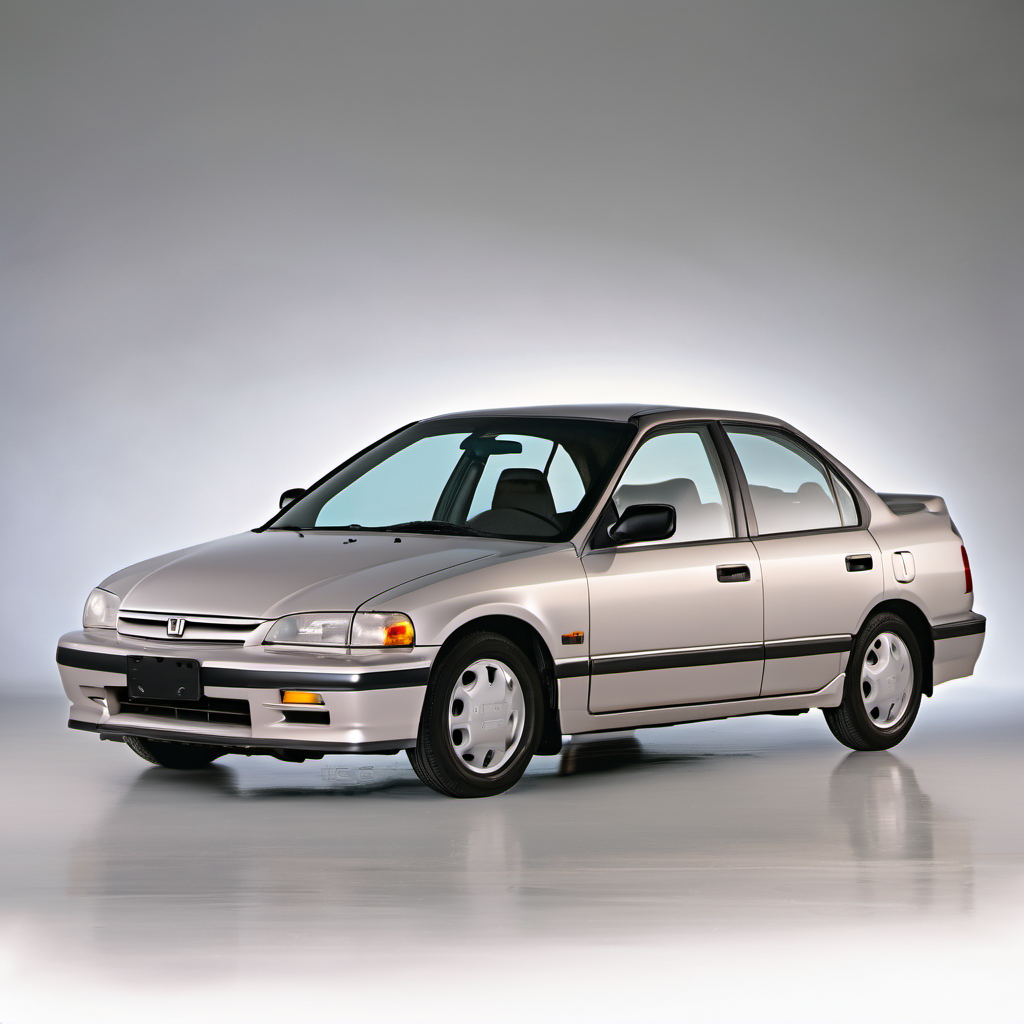
The gold standard of 1990s economy compacts — same class and price range, but dramatically better long-term reliability, rust resistance, and parts supply. A much safer used purchase.
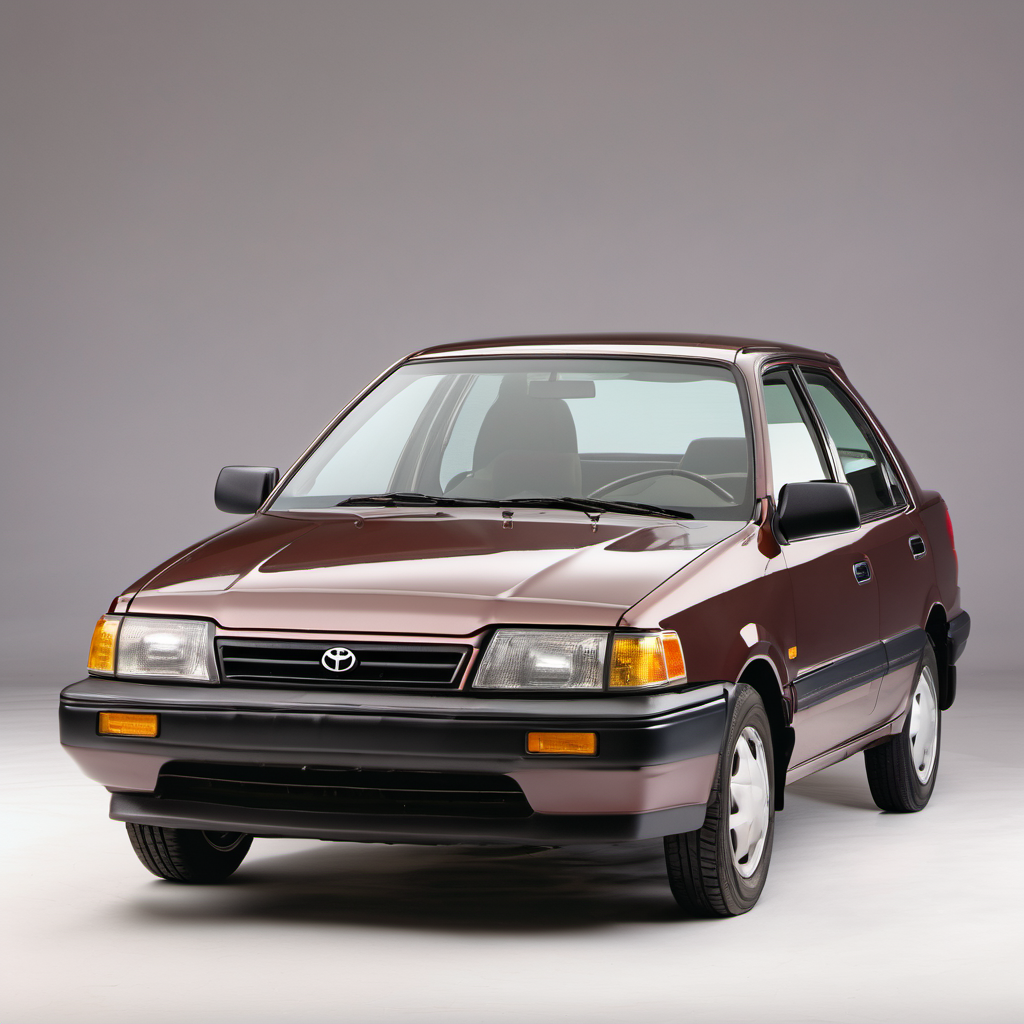
Similar sub-$10k economy sedan from the same era. Toyota's reputation for corrosion protection and engine longevity gives it a significant edge over the Sephia as a surviving daily driver.