Rust — Floor Pans, Rockers, and Unibody Rails
high- Typically appears
- All mileages on Midwest/salt-belt vehicles
- Estimated repair
- $500 – $4,000
1994 Jeep
SUV
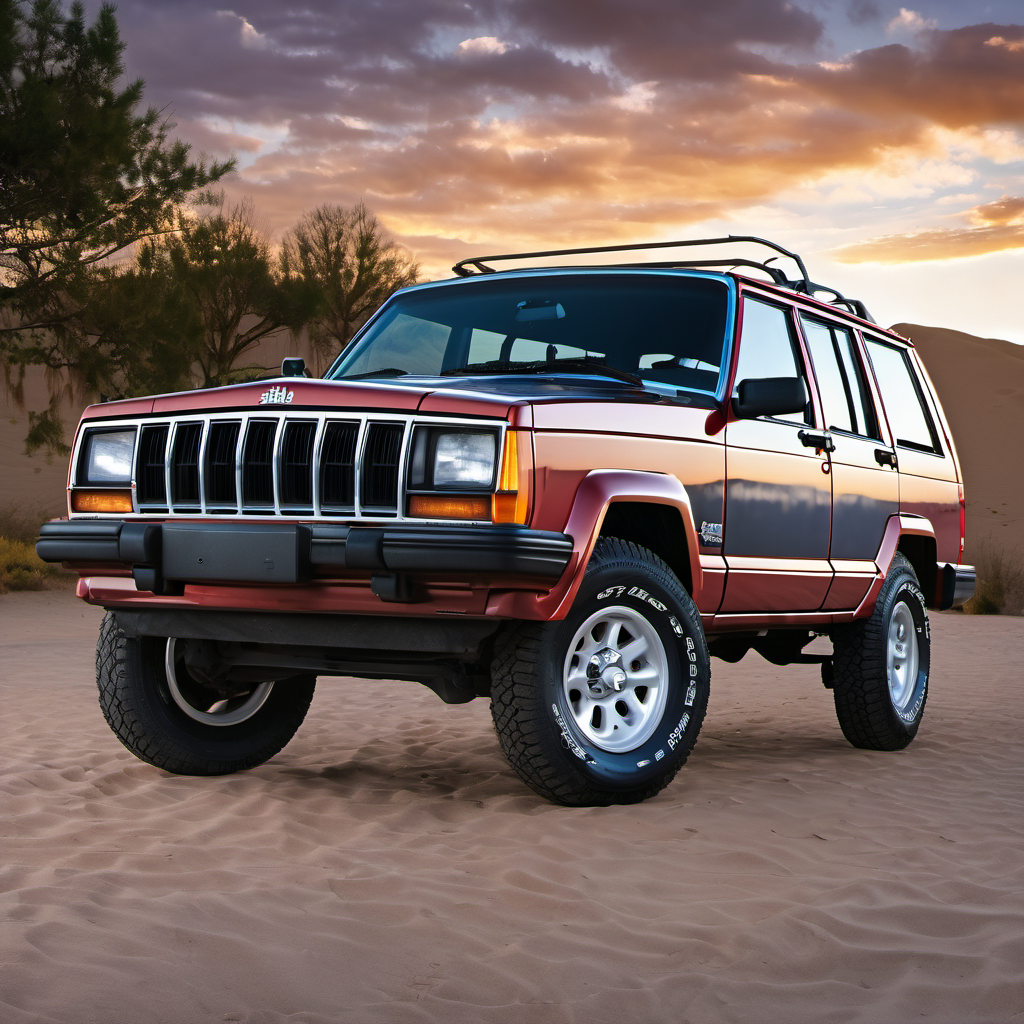
The 1994 Jeep Cherokee (XJ) is one of the most celebrated compact SUVs ever built. Its unibody construction — unusual for an off-roader of its era — kept it light and surprisingly car-like to drive while still offering serious trail capability. By 1994 the XJ had been refined over nearly a decade and represented the model near its sweet spot: reliable mechanicals, a proven 4.0L inline-six (or the optional 2.5L four-cylinder), and a no-nonsense interior that holds up well to hard use. The 2.5L four-cylinder variant is the less common choice. It gets better fuel economy but gives up a lot of low-end torque compared to the 4.0L, making it noticeably underpowered on the highway or when loaded up for camping. Most owners who kept their Cherokees long-term gravitated toward the 4.0L; if you're looking at a 2.5L, confirm why the previous owner chose it — often it was fleet or entry-level purchasing. At 30 years old, any surviving XJ Cherokee is a used vehicle first. Rust is the defining factor of its long-term value in Wisconsin. Units that spent their lives in the Sun Belt survive well; Midwest examples require careful inspection of the floor pans, rockers, and unibody frame rails before any purchase.
The 1994 Jeep Cherokee (XJ) is one of the most celebrated compact SUVs ever built. Its unibody construction — unusual for an off-roader of its era — kept it light and surprisingly car-like to drive while still offering serious trail capability. By 1994 the XJ had been refined over nearly a decade and represented the model near its sweet spot: reliable mechanicals, a proven 4.0L inline-six (or the optional 2.5L four-cylinder), and a no-nonsense interior that holds up well to hard use. The 2.5L four-cylinder variant is the less common choice. It gets better fuel economy but gives up a lot of low-end torque compared to the 4.0L, making it noticeably underpowered on the highway or when loaded up for camping. Most owners who kept their Cherokees long-term gravitated toward the 4.0L; if you're looking at a 2.5L, confirm why the previous owner chose it — often it was fleet or entry-level purchasing. At 30 years old, any surviving XJ Cherokee is a used vehicle first. Rust is the defining factor of its long-term value in Wisconsin. Units that spent their lives in the Sun Belt survive well; Midwest examples require careful inspection of the floor pans, rockers, and unibody frame rails before any purchase.
The 2.5L is 30 years old. Tighter change intervals catch blow-by and contamination early and protect seals that are no longer factory-fresh.
Old coolant becomes acidic and eats the 2.5L's aluminum head and water pump. Inspect all hoses for cracking at every oil change — rubber deteriorates with age.
XJ front axle components are exposed and grease joints dry out, especially after off-road use. Catching a U-joint early prevents stranding.
Wisconsin road salt attacks the XJ's unibody aggressively. Catching rust early means patch panels; missing it means structural compromise.
The XJ's unibody construction means frame damage is body damage. Annual undercoating or fluid-film application significantly extends lifespan in the salt belt.
The 2.5L's OBD-I ignition system is sensitive to worn distributor components. These are cheap insurance against a no-start in a Wisconsin winter.
Cracked exhaust manifolds are a known XJ issue due to heat cycling. A cracked manifold creates a loud tick and can cause O2 sensor false reads.
Sub-zero Wisconsin starts are brutal on aging batteries. A 30-year-old vehicle's charging system should also be load-tested annually to confirm the alternator isn't hiding a weak battery.
Always defer to the manufacturer's service manual for warranty-mandated intervals.
A well-maintained XJ Cherokee is one of the cheaper capable SUVs to own — parts are widely available, independent shops know them well, and labor times are reasonable. The wildcard is rust repair: a floor pan or rocker job can easily run $1,000–$3,000 and push annual costs well above normal. Budget for age-related surprises in year one.
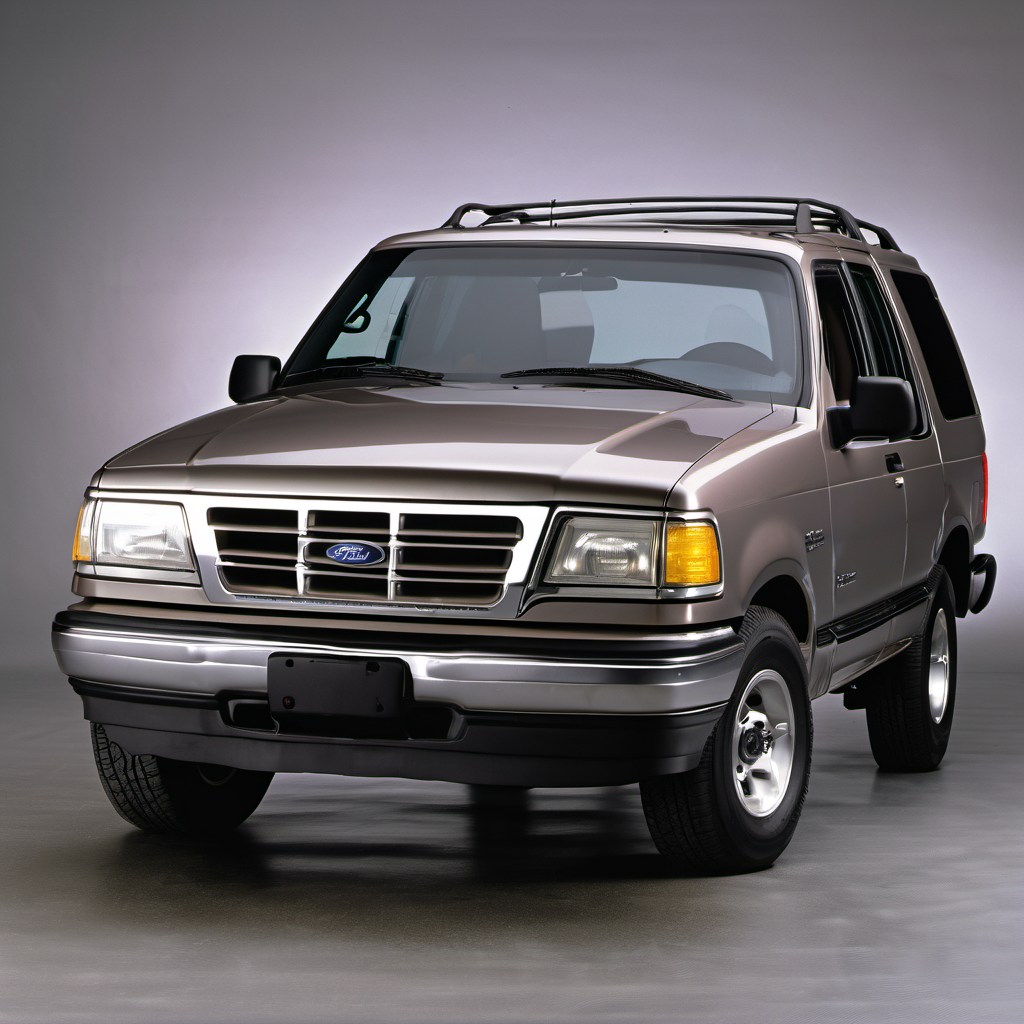
Same era, same compact SUV mission. The Explorer is body-on-frame and more common, with a stronger V6, but less off-road capable and more expensive to fix. Good alternative if rust on the XJ is a dealbreaker.
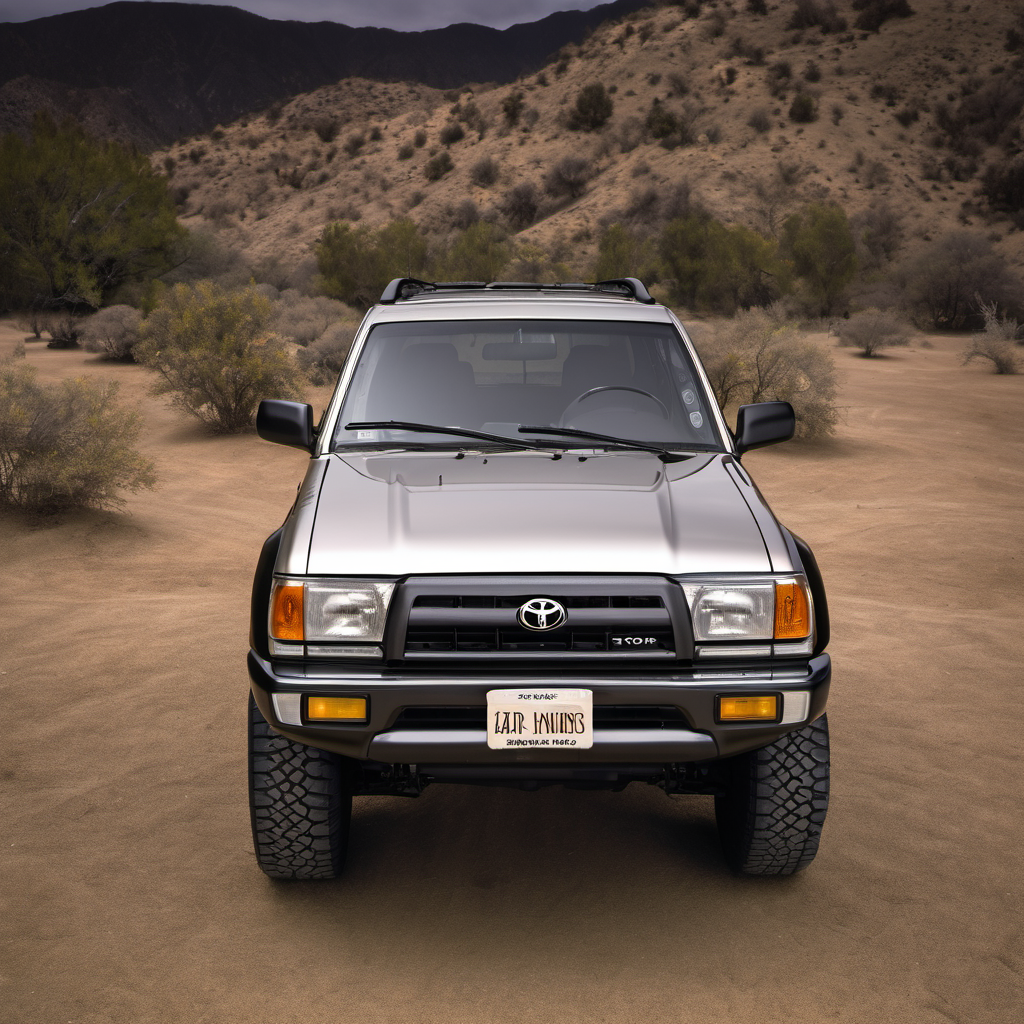
The 4Runner is the gold standard for compact SUV longevity in this era. Better rust resistance on Western examples, legendary reliability, but significantly pricier to buy and to source parts for.
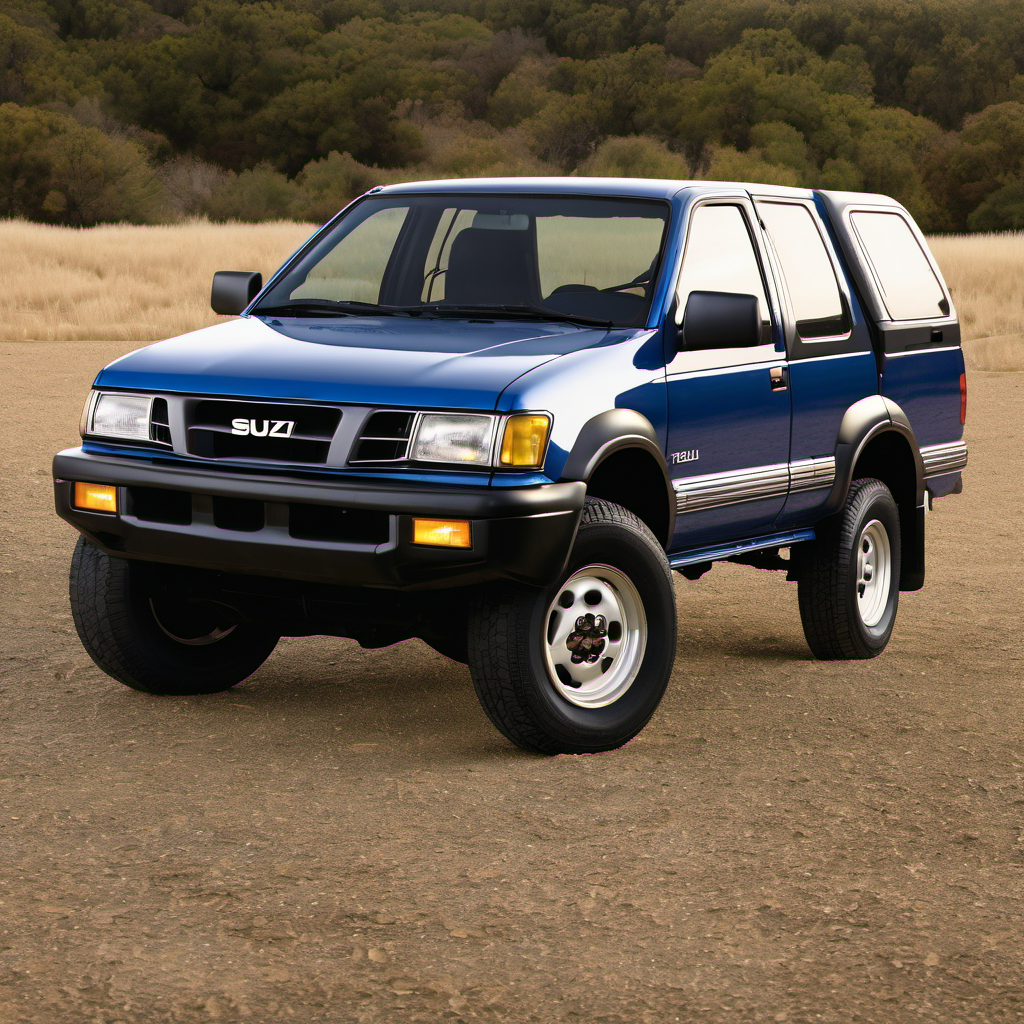
Similar price and mission — compact off-road-capable SUV. Less trail-proven than the XJ but solid mechanically. Parts availability is harder today.
Comparable price point and size. Two-door and four-door versions available. More common but plagued by early 4WD transfer case issues and interior quality that aged worse than the XJ.