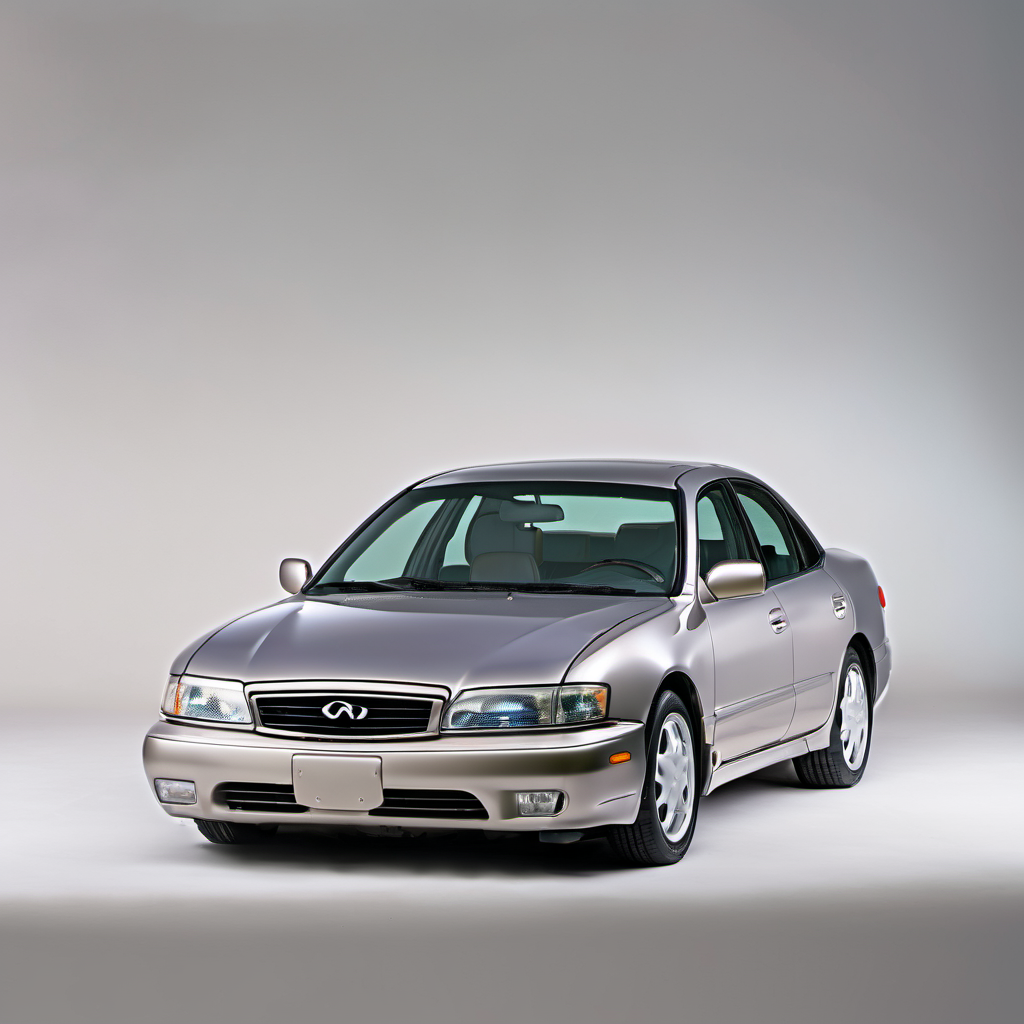
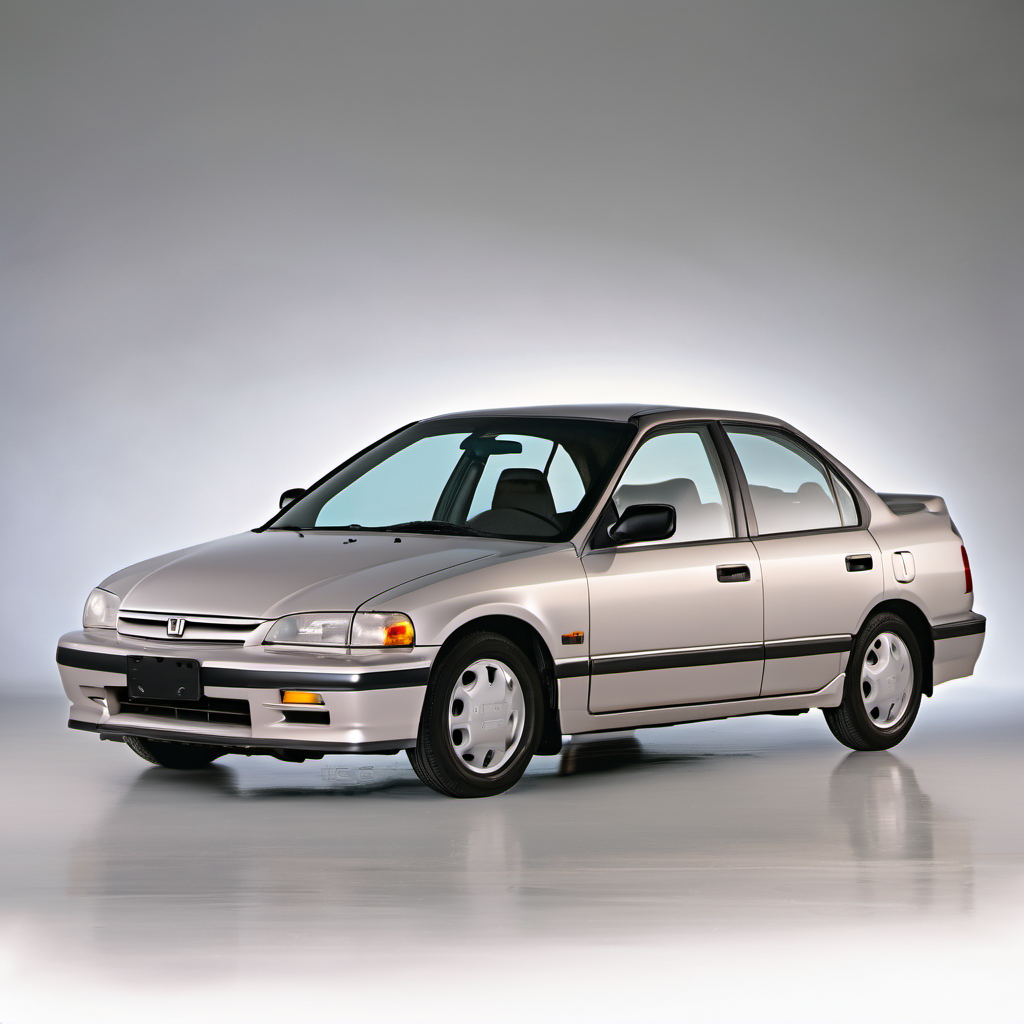
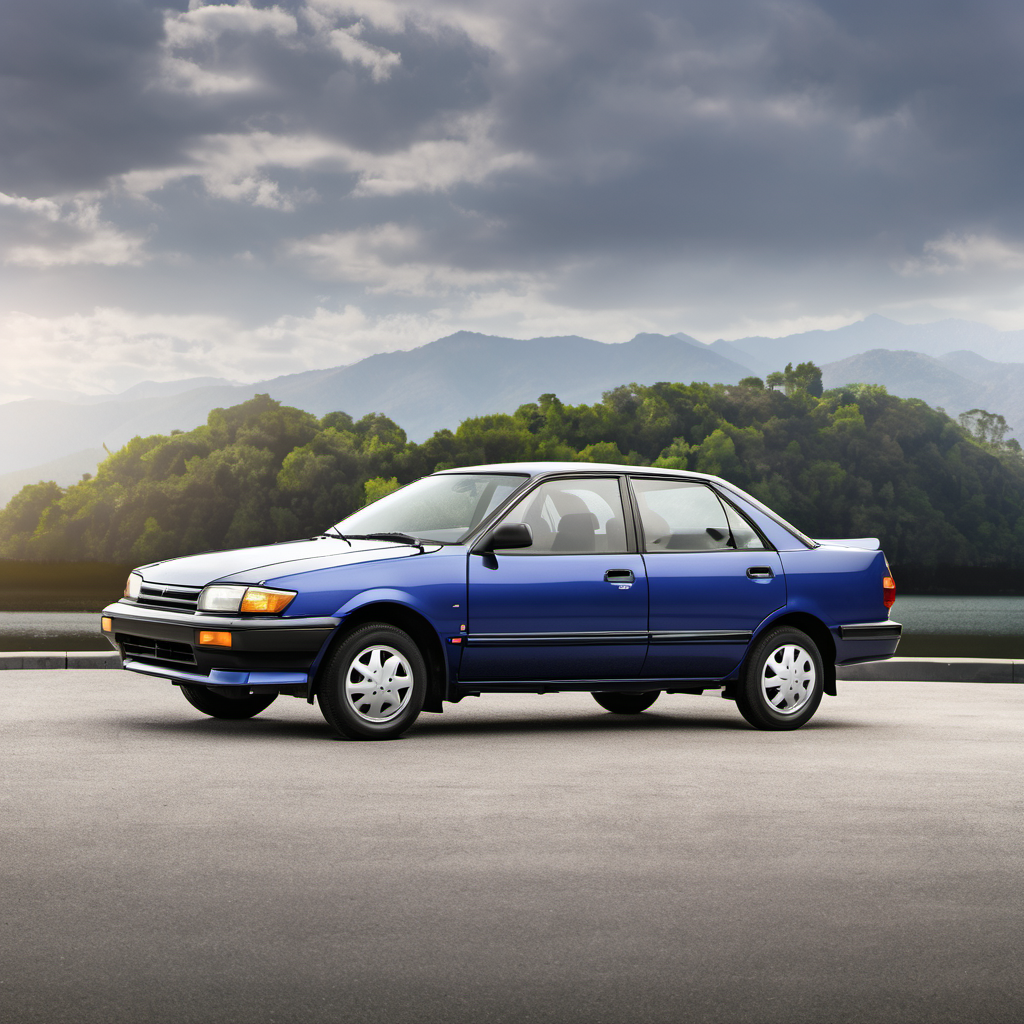
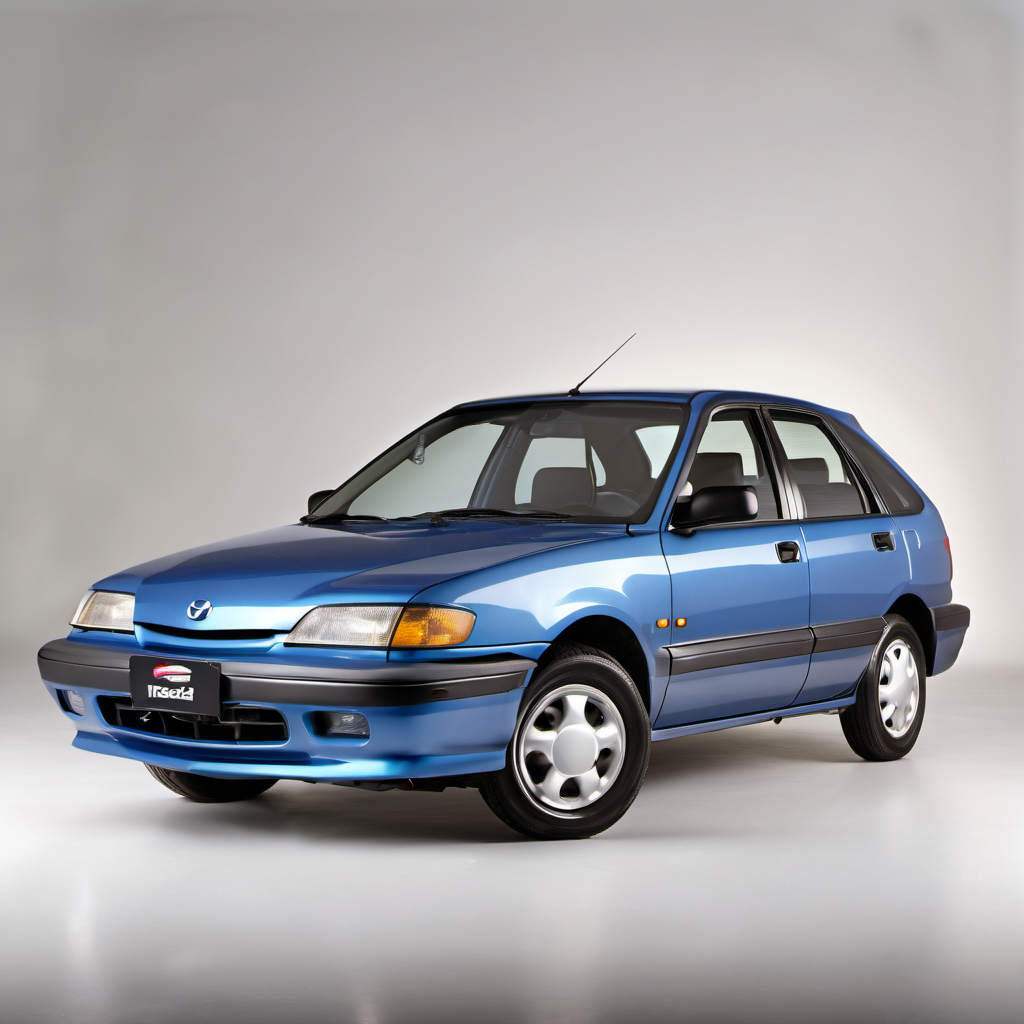
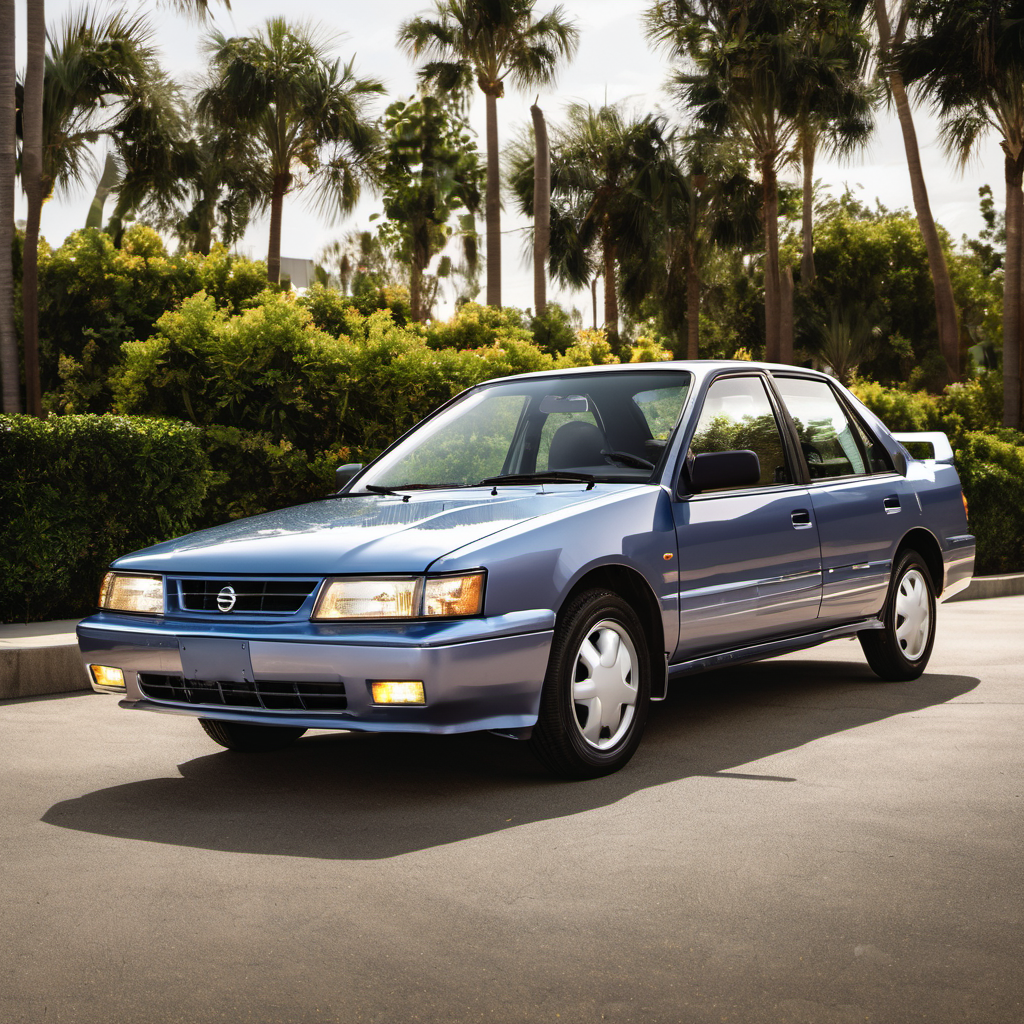
1994 INFINITI G Sedan

1994 INFINITI

GSedan

2.0L I4 SR20DE · Sedan

The 1994 Infiniti G20 is a compact sport sedan built on Nissan's P10 platform — essentially a premium version of the Nissan Primera sold in Japan and Europe. It was Infiniti's entry-level offering at the time, sharing its 2.0L inline-4 engine and many mechanicals with the Nissan Sentra SE-R. Despite modest power, it was praised for its sharp, European-flavored handling and solid build quality, making it a driver's car at an affordable luxury price point. By 1994, the G20 had earned a quiet following among enthusiasts who appreciated its taut suspension tuning, well-weighted steering, and practical sedan layout. It wasn't flashy or fast, but it was honest and capable. Parts availability is reasonable given the shared Nissan platform, and independent mechanics familiar with Nissan can service it without dealer-level tooling. At 30+ years old, any surviving G20 is now squarely a used-car purchase. Rust is the dominant threat in Wisconsin — underbody and subframe corrosion from decades of road salt exposure is the first thing to check. Survivors in good shape are uncommon, but well-maintained examples can still be enjoyable daily drivers.

Reliability
3/5
Verified data
Engine
2.0L I4 SR20DE
Drivetrain
FWD
Fuel
Gasoline
MPG
24 city / 31 hwy / 27 combined
Seats
5
Doors
4
Body
Sedan
MSRP
$20,750

Overview

AI-curated

The 1994 Infiniti G20 is a compact sport sedan built on Nissan's P10 platform — essentially a premium version of the Nissan Primera sold in Japan and Europe. It was Infiniti's entry-level offering at the time, sharing its 2.0L inline-4 engine and many mechanicals with the Nissan Sentra SE-R. Despite modest power, it was praised for its sharp, European-flavored handling and solid build quality, making it a driver's car at an affordable luxury price point. By 1994, the G20 had earned a quiet following among enthusiasts who appreciated its taut suspension tuning, well-weighted steering, and practical sedan layout. It wasn't flashy or fast, but it was honest and capable. Parts availability is reasonable given the shared Nissan platform, and independent mechanics familiar with Nissan can service it without dealer-level tooling. At 30+ years old, any surviving G20 is now squarely a used-car purchase. Rust is the dominant threat in Wisconsin — underbody and subframe corrosion from decades of road salt exposure is the first thing to check. Survivors in good shape are uncommon, but well-maintained examples can still be enjoyable daily drivers.

Known for
  • Sharp, European-tuned handling for the era
  • Solid Nissan SR20DE engine reliability
  • Practical, well-built compact sedan layout
  • Affordable entry into the Infiniti brand
Best for
  • Enthusiast drivers who want a nimble older sedan
  • Budget-conscious buyers comfortable with older Japanese cars
  • Owners who do their own maintenance or have a trusted independent shop
Watch for
  • Severe underbody rust from Wisconsin road salt — this is the biggest threat at this age
  • Aging rubber: bushings, motor mounts, and seals are all 30+ years old
  • Increasingly difficult to source some trim-specific interior and body parts
  • Electrical gremlins from aging wiring harnesses and connectors

Common issues by mileage

6 known

Underbody and subframe rust

high
Typically appears
All mileages — age/exposure driven
Estimated repair
$500 – $4,000

Worn engine and transmission mounts

high
Typically appears
80k–150k+ mi
Estimated repair
$200 – $600

Deteriorated suspension bushings (front control arm, rear trailing arm)

high
Typically appears
80k–150k+ mi
Estimated repair
$300 – $900

Aging coolant hoses and thermostat — overheating risk

medium
Typically appears
80k–150k+ mi
Estimated repair
$150 – $450

Distributor wear and ignition system degradation

medium
Typically appears
100k–150k+ mi
Estimated repair
$150 – $500

Timing chain tensioner wear (rattles on cold start)

low
Typically appears
120k+ mi
Estimated repair
$300 – $700

Maintenance schedule

  1. 1
    Every 5,000 miles or 6 months — more frequent if the car sits often Engine oil and filter change

    The SR20DE is oil-dependent for timing chain and upper-end lubrication. At this age, shorter intervals guard against sludge from degraded seals mixing with oil.

  2. 2
    Every 2 years or 30,000 miles Coolant flush and hose inspection

    30-year-old coolant hoses are prone to cracking and collapse from the inside. Overheating can quickly damage this engine — a cheap flush and hose check is cheap insurance.

  3. 3
    Every 60,000 miles or if a rattle is heard on cold start Timing chain and tensioner inspection

    The SR20DE uses a timing chain (not a belt), but the tensioner can wear and cause noise or skip at high mileage. Early detection prevents catastrophic valve damage.

  4. 4
    Every spring, after winter salt season Full underbody rust inspection

    Lake Geneva roads are heavily salted. Annual inspection of the subframe, floor pans, and brake lines catches corrosion before it becomes structural or a safety hazard.

  5. 5
    Every spring Brake line and fuel line inspection

    Steel brake and fuel lines on a 30-year-old Wisconsin car are extremely rust-prone. A pinhole brake line failure is a serious safety emergency — check every year.

  6. 6
    Every 30,000 miles Spark plugs and distributor cap/rotor

    The distributor-based ignition on the '94 SR20DE is reliable but wears with age and mileage. Fouled plugs or a cracked cap cause misfires and poor fuel economy.

  7. 7
    Every 2 years Suspension bushing inspection

    Original rubber bushings are now three decades old. Cracked or collapsed bushings cause vague handling, uneven tire wear, and failed alignments.

  8. 8
    Every fall before winter Battery load test

    Cold Wisconsin winters are brutal on batteries. A battery that passes a basic voltage test in summer can fail to crank at -10°F. Load-test it before the cold hits.

Always defer to the manufacturer's service manual for warranty-mandated intervals.

Cost of ownership

Annual maintenance
$600 – $2,000
Fuel
Regular unleaded. At ~27 MPG combined and ~12,000 miles/year, expect roughly $1,300–$1,600/year at current Midwest prices.
Insurance
Generally low — liability and comprehensive rates on a 30-year-old economy-class luxury sedan are modest. Expect $600–$1,000/year for full coverage depending on driver profile.

Day-to-day costs are low for a well-maintained example — the SR20DE is simple and parts are reasonably priced through Nissan channels. The wildcard is deferred maintenance: a car this age that hasn't been properly kept can dump $2,000–$5,000 in catch-up work on you quickly. Budget generously for suspension, cooling system, and rust remediation in the first year of ownership.
Seasonal care

Lake Geneva, WI
Winter
  • Load-test the battery every fall — the SR20DE needs a strong crank at sub-zero temps and the stock battery tray is not oversized.
  • Switch to a full-synthetic 5W-30 oil before winter to ensure proper cold-start lubrication in sub-zero conditions.
  • Flush washer fluid reservoir and top off with a rated -20°F or lower washer fluid — the reservoir and lines can crack if plain water freezes.
  • Inspect and replace wiper blades with winter blades before the first snowfall; the cowl area on the G20 can trap ice and wear standard blades quickly.
  • Inspect all brake lines and steel fuel lines for surface rust and pinhole leaks before winter — salt accelerates any existing corrosion dramatically.
  • After each winter drive in heavy salt conditions, rinse the underbody with fresh water when temps are above freezing to slow rust accumulation.
Summer
  • Check coolant level and hose condition at the start of summer — aging hoses are most likely to fail under sustained heat load.
  • Inspect the A/C system charge and condenser for leaks; the R-134a system (or retrofitted R-12 if never converted) can develop seeps at aged O-rings.
  • Check tire pressure monthly — Wisconsin summer heat causes pressure to climb 4–6 PSI above cold readings, which can affect handling and wear.
  • Inspect the cabin air filter if equipped; a clogged filter reduces A/C performance significantly in summer heat.

Comparable vehicles

If you're shopping for one

Red flags
  • Any soft, flaky, or perforated metal on the subframe or floor pans — walk away, this is a structural safety issue.
  • Oil sludge visible on the dipstick or inside the oil filler cap — indicates infrequent oil changes and potential engine damage.
  • Coolant that is brown, rusty, or smells burned — signals neglected cooling system and possible head gasket stress.
  • A timing chain rattle that persists past engine warm-up — tensioner or chain replacement is imminent.
  • Any evidence of accident repair not disclosed by the seller — check panel gaps and paint texture carefully on a unibody this age.
What to inspect
  • Put the car on a lift and inspect the subframe, floor pans, rear trailing arm mounting points, and brake lines thoroughly — rust is the #1 disqualifier for a Wisconsin example.
  • Check all four wheel wells and the rocker panels for bubbling paint or soft metal, which indicates hidden rust behind body panels.
  • Cold-start the engine and listen for timing chain rattle in the first 10–15 seconds — a rhythmic ticking that goes away after warm-up suggests a worn tensioner.
  • Test all power accessories (windows, locks, mirrors) and the A/C — sourcing interior electrical parts for a 30-year-old Infiniti can be challenging.
  • Inspect all visible rubber: motor mounts, strut boots, CV boots, and control arm bushings. Cracked or collapsed rubber is a sign of deferred maintenance.
  • Ask for a complete service history — specifically timing chain service, coolant flushes, and any rust remediation work.
AI profile generated 4 days ago · claude-sonnet-4-6 · v2.