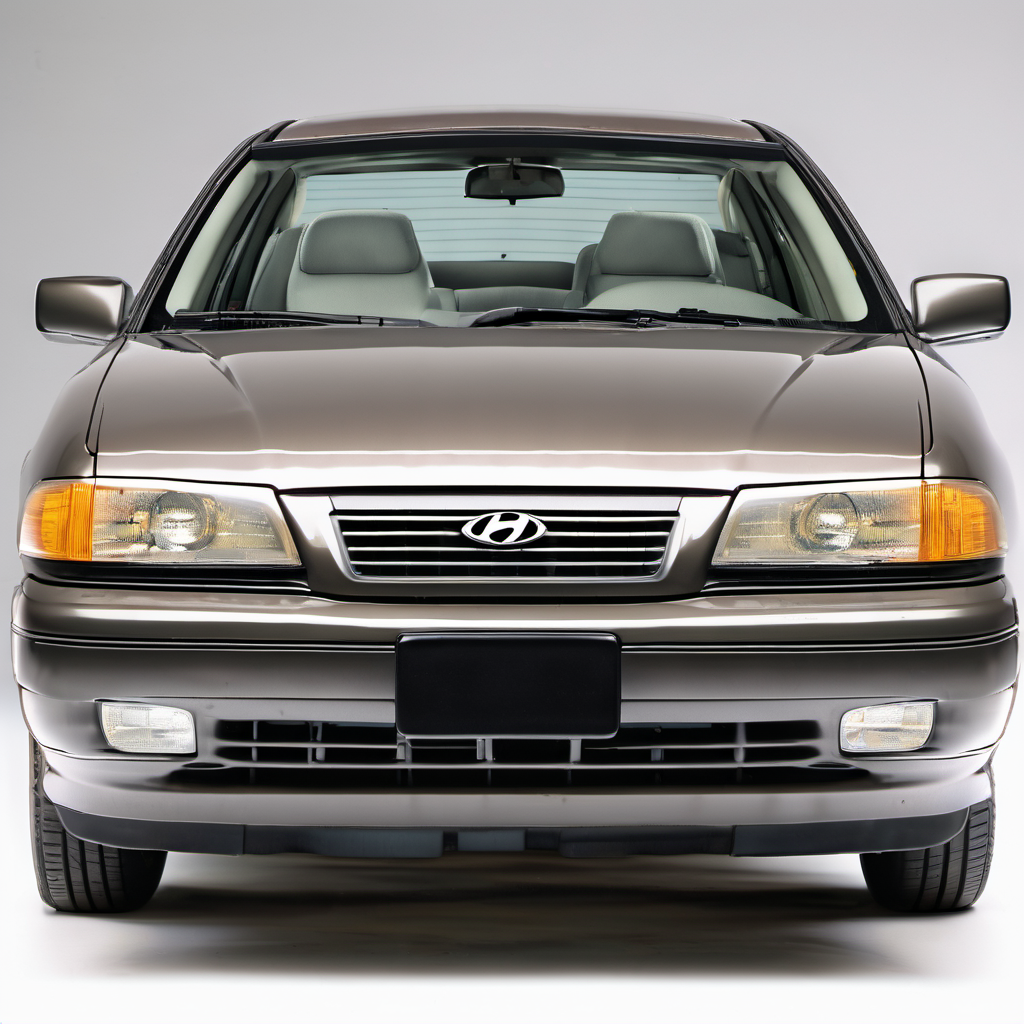
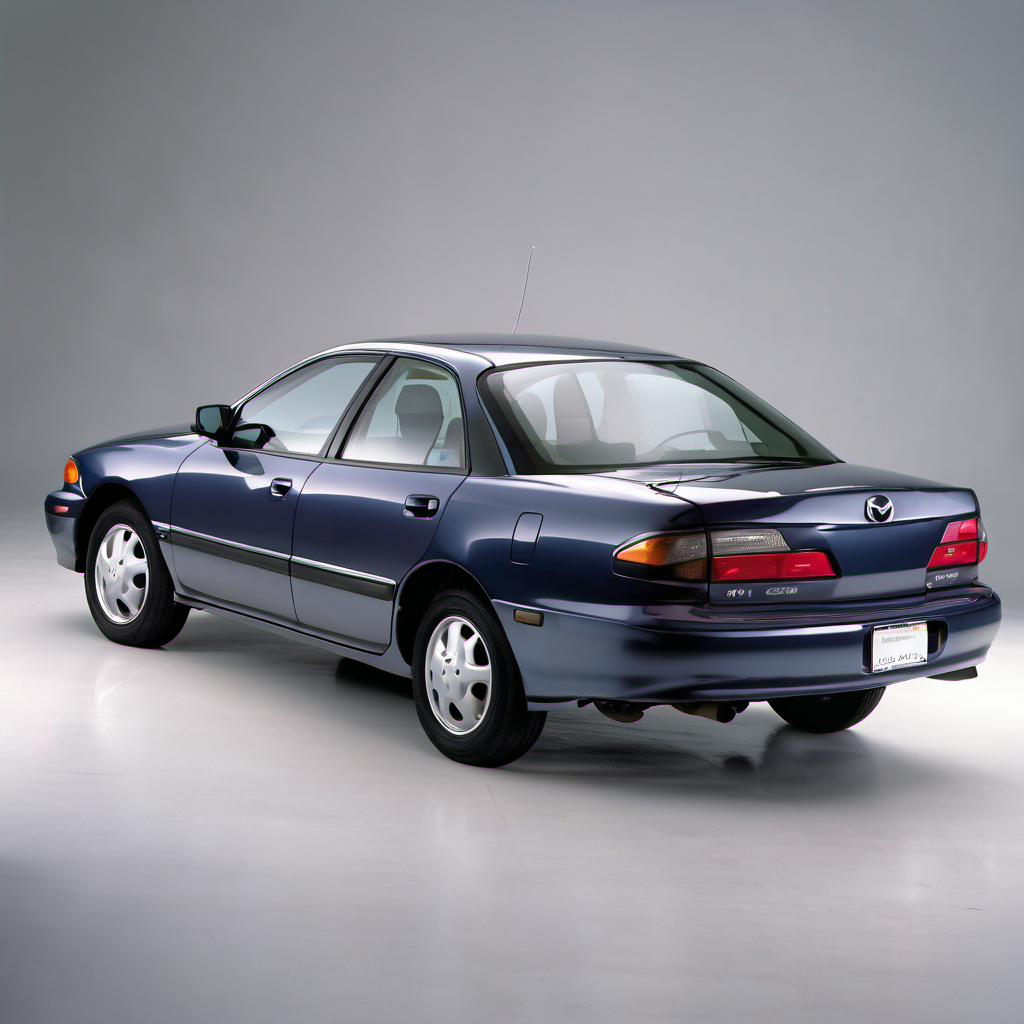
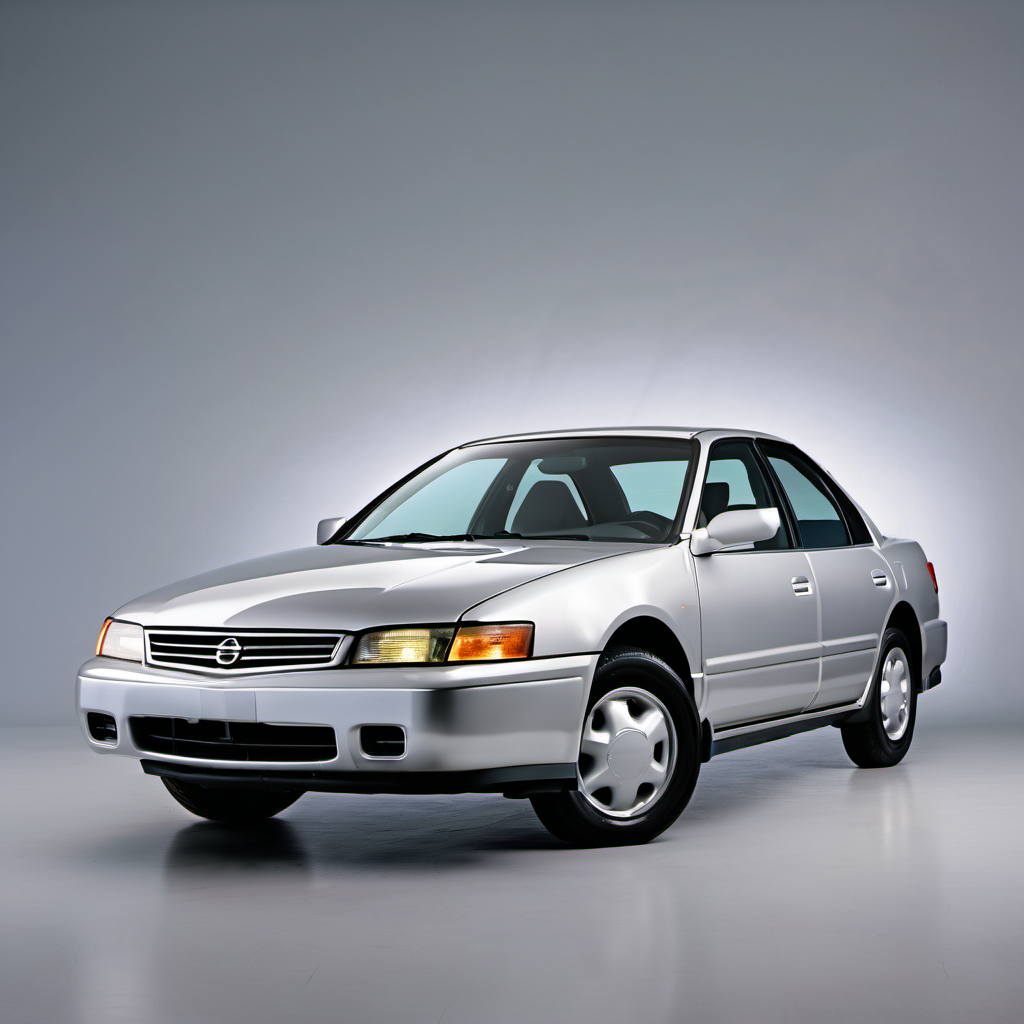
1994 Hyundai Sonata Sedan

1994 Hyundai

SonataSedan

Sedan

The 1994 Hyundai Sonata is a front-wheel-drive mid-size sedan from Hyundai's second generation (Y2 platform), sold at a budget-friendly price point that made it attractive to cost-conscious buyers. Powered by a 2.0L four-cylinder engine with multi-point fuel injection, it was a competent if unremarkable commuter that prioritized affordability over refinement. At 30 years old, surviving examples are rare and carry significant age-related wear. Parts availability is increasingly limited, and finding a mechanically sound example requires careful inspection. This is not a vehicle for someone who needs reliable daily transportation without a dedicated mechanical budget. For collectors or budget buyers comfortable with older imports, the Sonata can still serve as basic transportation — but going in with clear eyes about its age and Hyundai's mid-90s build quality is essential.

Reliability
2/5
Verified data
Specs shown for Sonata — the most common configuration. Other trims may vary in engine, drivetrain, or fuel economy. Sign in to see your vehicle's exact specs.
Engine
[object Object]
Drivetrain
FWD
Fuel
Gasoline
MPG
18 city / 25 hwy / 21 combined
Seats
Doors
Body
Midsize Cars

Overview

AI-curated

The 1994 Hyundai Sonata is a front-wheel-drive mid-size sedan from Hyundai's second generation (Y2 platform), sold at a budget-friendly price point that made it attractive to cost-conscious buyers. Powered by a 2.0L four-cylinder engine with multi-point fuel injection, it was a competent if unremarkable commuter that prioritized affordability over refinement. At 30 years old, surviving examples are rare and carry significant age-related wear. Parts availability is increasingly limited, and finding a mechanically sound example requires careful inspection. This is not a vehicle for someone who needs reliable daily transportation without a dedicated mechanical budget. For collectors or budget buyers comfortable with older imports, the Sonata can still serve as basic transportation — but going in with clear eyes about its age and Hyundai's mid-90s build quality is essential.

Known for
  • Low original purchase price
  • Simple, mechanically accessible 2.0L I4 engine
  • Spacious interior for a mid-size sedan of its era
  • Basic but functional feature set for 1994
Best for
  • Buyers comfortable with older, high-mileage imports
  • DIY mechanics looking for an inexpensive project car
  • Very short-trip, low-stakes secondary vehicle use
  • Collectors of 1990s budget imports
Watch for
  • Severe rust — especially floorpans, frame rails, and wheel wells after 30 Wisconsin winters
  • Timing belt failure (non-interference on 2.0L, but still leaves you stranded)
  • Deteriorated rubber: hoses, belts, bushings, and weatherstripping are all 30+ years old
  • Electrical gremlins from aged wiring harnesses and corroded connectors
  • Coolant system leaks from cracked plastic intake manifold components

Common issues by mileage

6 known

Timing belt failure / service overdue

high
Typically appears
60k mi intervals (any mileage on 30-yr-old car)
Estimated repair
$250 – $500

Coolant system leaks — hoses, thermostat housing, water pump

high
Typically appears
Any mileage — age-driven
Estimated repair
$150 – $600

Oxygen sensor failure / degraded fuel trims

medium
Typically appears
80k–150k mi
Estimated repair
$100 – $250

Rust — floorpans, subframe, wheel wells, rocker panels

high
Typically appears
Any mileage on upper-Midwest car
Estimated repair
$500 – $3,000

Distributor and ignition system degradation

medium
Typically appears
100k+ mi
Estimated repair
$150 – $400

Suspension bushings and strut mounts — worn or cracked

high
Typically appears
Any mileage — age-driven
Estimated repair
$300 – $900

Maintenance schedule

  1. 1
    Every 60k mi or immediately if history unknown Timing belt and water pump replacement

    On a 30-year-old car, the belt's age alone makes it a replacement item regardless of mileage. The water pump is cheap insurance to do at the same time.

  2. 2
    Every 2 years or immediately on acquisition Full cooling system flush and hose inspection

    Original hoses, clamps, and coolant on a 1994 car are a recipe for a roadside boilover. Replace any hose showing cracking, softness, or swelling.

  3. 3
    Every 30k mi Spark plugs and plug wires

    Original-spec plugs and carbon-tracked wires cause rough idle, poor fuel economy, and hard starts — especially in cold Wisconsin weather.

  4. 4
    Every 3,000–5,000 mi Engine oil and filter change

    Older engines with potential seal wear benefit from more frequent oil changes. Use a conventional oil appropriate for the engine's age and condition.

  5. 5
    Every 2 years Brake fluid flush

    Brake fluid absorbs moisture over time, lowering its boiling point and corroding brake components from the inside out — critical in a salt-heavy environment.

  6. 6
    Every fall before winter Underbody rust inspection and treatment

    Wisconsin road salt accelerates rust on this age of car. Annual inspection of floorpans, frame rails, and brake lines catches problems before they become safety issues.

  7. 7
    Every 30k mi Fuel filter replacement

    Aged fuel system components and potential tank sediment make a clean fuel filter important for consistent fuel delivery and injector health.

  8. 8
    Annually Brake lines and fuel lines inspection

    On a 30-year-old upper-Midwest vehicle, steel brake and fuel lines are prime rust candidates. A line failure is a serious safety or fire hazard.

Always defer to the manufacturer's service manual for warranty-mandated intervals.

Cost of ownership

Annual maintenance
$800 – $2,500
Fuel
Average ~$1,800–$2,200/year at 12,000 mi/year and current Midwest regular unleaded prices, based on 21 MPG combined
Insurance
Liability-only coverage is typically $400–$700/year for this age/value of vehicle in Wisconsin; full coverage rarely makes economic sense

On paper, a 30-year-old Sonata is cheap to own — but the reality is that deferred maintenance catch-up, age-related rubber replacement, and rust remediation can easily push first-year costs well past $2,000 even on a running example. Budget conservatively and assume there are surprises. Parts are available but increasingly require specialty sourcing.
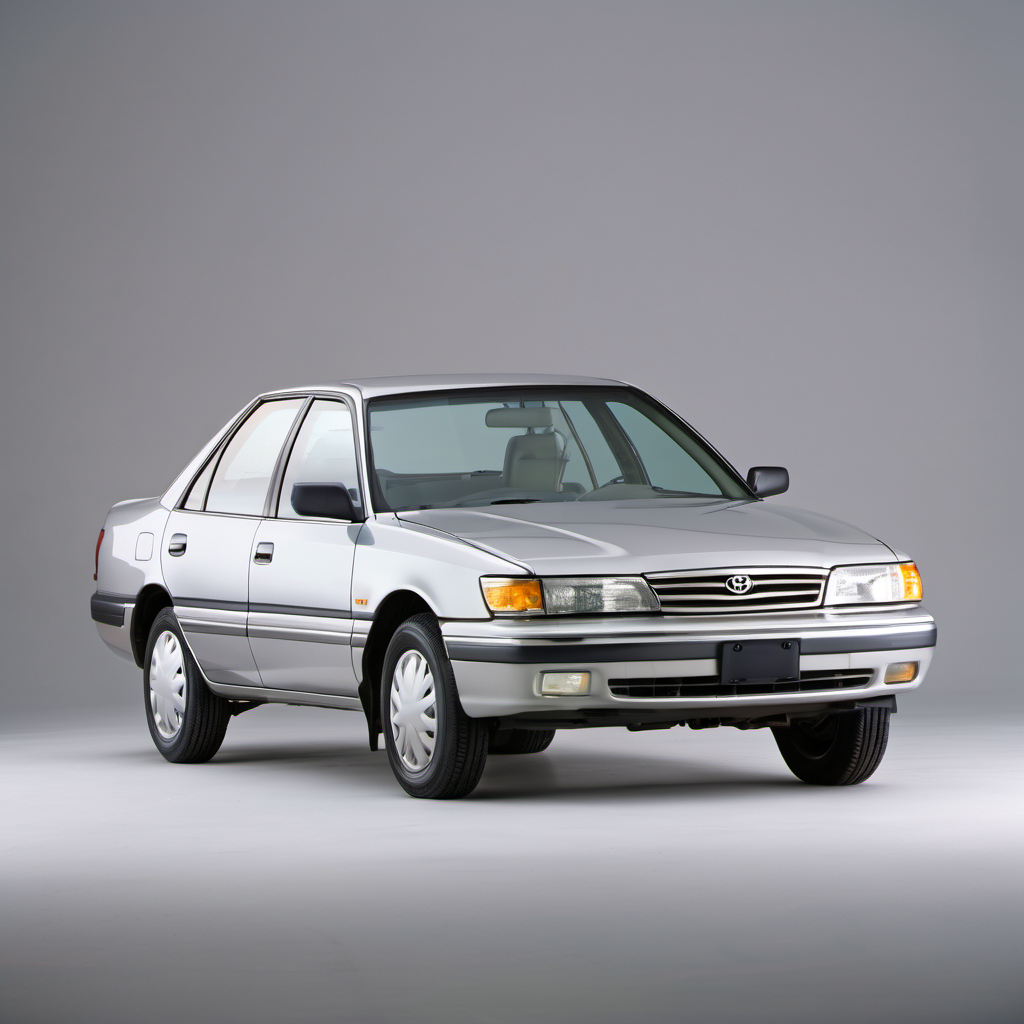
Seasonal care

Lake Geneva, WI
Winter
  • Test and replace the battery if it's more than 3 years old — cold cranking amps drop sharply below 20°F and this engine needs a strong battery to fire in Wisconsin winters
  • Switch to a full-synthetic or low-viscosity conventional oil (5W-30) to aid cold starts — the original spec may be too thick when temperatures fall below zero
  • Inspect and replace wiper blades with winter-rated units; the 30-year-old wiper linkage may also need attention
  • Fill the washer reservoir with -20°F or lower rated fluid — summer fluid will freeze in the lines and nozzles
  • Inspect brake lines and fuel lines closely before winter — salt exposure on a car this age can cause catastrophic line failure mid-season
  • Check antifreeze concentration to ensure protection to at least -34°F; flush and refill if the coolant history is unknown
Summer
  • Inspect the A/C system for refrigerant leaks and compressor function — R-134a conversion may have been done; verify what refrigerant is present before recharging
  • Check tire pressure monthly — summer heat causes pressure to rise about 1 PSI per 10°F increase, and over-inflation accelerates center-tread wear
  • Watch coolant temperature closely during hot weather; a marginal thermostat or weak water pump that hides in winter will show up in July traffic
  • Inspect the radiator for external corrosion and fin damage — a 30-year-old radiator may have reduced capacity even if it isn't visibly leaking

Comparable vehicles

If you're shopping for one

Red flags
  • Any visible rust bubbling on the rockers, rear quarter panels, or wheel arches — this indicates much worse underneath
  • No documentation of timing belt replacement
  • Milky or sludgy oil on the dipstick — signs of head gasket failure or chronic neglect
  • Strong coolant smell in the cabin or engine bay without an obvious external leak
  • Seller asking near or above $2,000 for an unverified, undocumented example — realistic market value for a solid runner is low
  • Any signs of significant accident repair on a unibody car this old — structural integrity is difficult to fully assess after collision repair ages 30 years
What to inspect
  • Crawl underneath and inspect every inch of the floorpan, frame rails, rocker panels, and brake/fuel lines for rust perforation — this is the single most important check on a 30-year-old upper-Midwest car
  • Pull the timing belt cover if possible and verify belt condition and replacement history; if unknown, budget for immediate replacement
  • Check all rubber: coolant hoses, CV axle boots, strut boots, motor mounts, and door/window seals
  • Start the engine cold and listen for valve train noise, rough idle, or excessive smoke — blue smoke indicates oil burning, white smoke indicates coolant in combustion
  • Test the A/C, heat, and all electrical accessories — aging wiring makes repairs expensive and unpredictable
  • Inspect the spare tire well and trunk floor for water intrusion and rust from the inside
AI profile generated 4 days ago · claude-sonnet-4-6 · v2.