Timing belt failure
high- Typically appears
- 60k+ mi / any age past 7 years
- Estimated repair
- $250 – $550
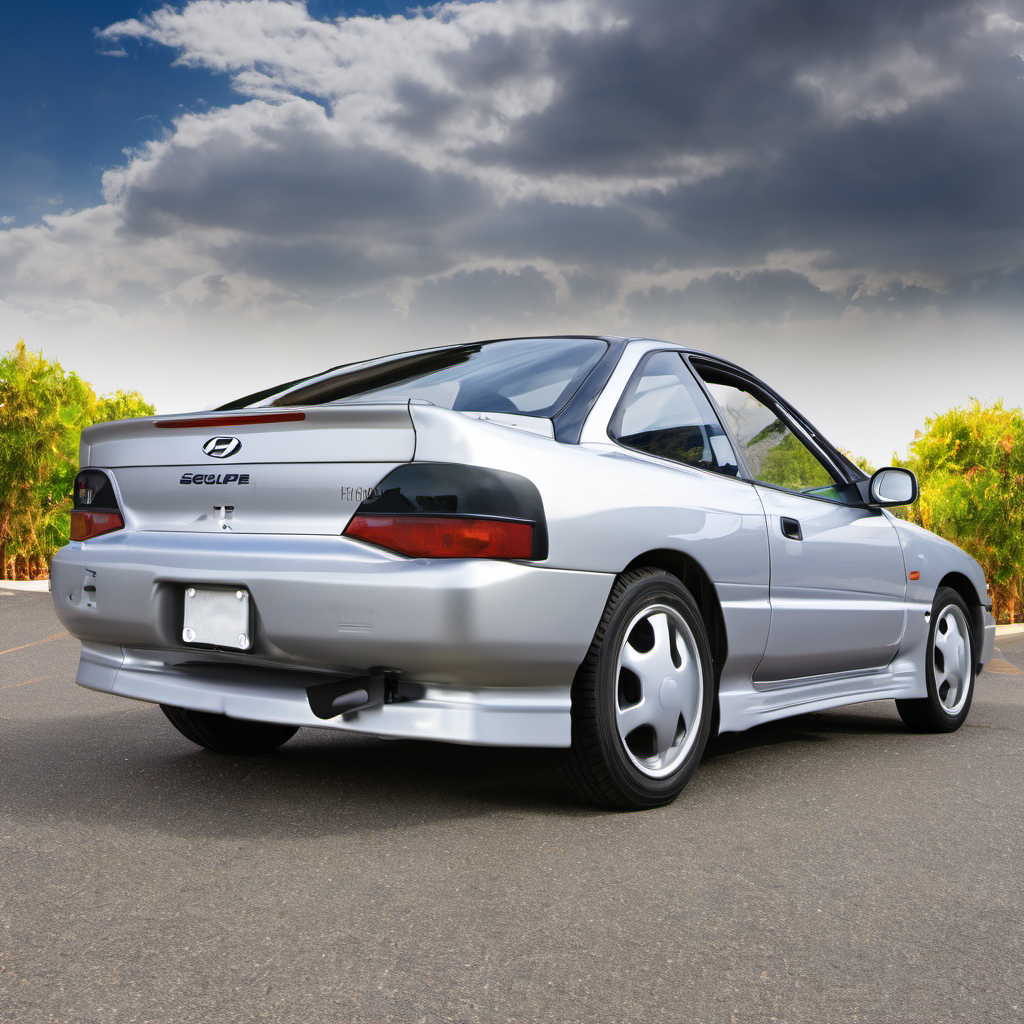
1994 Hyundai
Coupe
The 1994 Hyundai Scoupe is a compact front-wheel-drive sport coupe built on the Excel/Accent platform and sold in the US from 1991 through 1995. It was Hyundai's entry-level sporty offering — a two-door coupe aimed squarely at budget-conscious young buyers who wanted a fun-looking car without a big price tag. Power came from a carbureted or multi-port fuel-injected 1.5L four-cylinder producing around 81–99 hp depending on trim, paired with either a 5-speed manual or 4-speed automatic. The Scoupe was never a performance car in any serious sense — it was inexpensive transportation dressed up with sporty styling. Its strengths were low purchase price, simple mechanicals that any competent shop could service, and reasonably good fuel economy. Its weaknesses were budget interior plastics, a modest level of rust protection, and the general reliability reputation Hyundai was still rebuilding in the early 1990s. Thirty years on, the surviving Scoupes are rare. Most were used hard and either rusted away or were totaled in accidents. A clean, running example is a curiosity piece or a budget project car. Parts availability has shrunk significantly — many items are now dealer-sourced from Korea or sourced from the broader Excel/Accent parts pool.
The 1994 Hyundai Scoupe is a compact front-wheel-drive sport coupe built on the Excel/Accent platform and sold in the US from 1991 through 1995. It was Hyundai's entry-level sporty offering — a two-door coupe aimed squarely at budget-conscious young buyers who wanted a fun-looking car without a big price tag. Power came from a carbureted or multi-port fuel-injected 1.5L four-cylinder producing around 81–99 hp depending on trim, paired with either a 5-speed manual or 4-speed automatic. The Scoupe was never a performance car in any serious sense — it was inexpensive transportation dressed up with sporty styling. Its strengths were low purchase price, simple mechanicals that any competent shop could service, and reasonably good fuel economy. Its weaknesses were budget interior plastics, a modest level of rust protection, and the general reliability reputation Hyundai was still rebuilding in the early 1990s. Thirty years on, the surviving Scoupes are rare. Most were used hard and either rusted away or were totaled in accidents. A clean, running example is a curiosity piece or a budget project car. Parts availability has shrunk significantly — many items are now dealer-sourced from Korea or sourced from the broader Excel/Accent parts pool.
This is an interference engine. A snapped timing belt means bent valves and likely a destroyed head. On a 30-year-old car, replace it immediately if history is unknown.
Original rubber hoses are 30 years old. Coolant degrades and turns acidic, attacking the radiator and water pump. Inspect every hose for cracking and softness at every service.
Road salt accelerates rust dramatically on these cars, which had modest factory rust protection. Check rocker panels, floor pans, frame rails, and brake lines every spring.
Steel brake lines on a 30-year-old Midwest car are a serious corrosion risk. Inspect the full length of every line and all rubber flex hoses. Do not defer this.
The 1.5L I4 has tight tolerances and benefits from fresh oil. On an older, high-mileage engine, stick to the shorter interval and watch for sludge.
Cold-cranking demand is high on sub-zero Wisconsin mornings. A battery older than 3 years should be load-tested before winter. Clean terminals reduce voltage drop on an already modest electrical system.
Original-spec plugs and wires on a 30-year-old car are well overdue. Worn ignition components cause hard starts, rough idle, and poor fuel economy.
Aging fuel systems accumulate varnish deposits. A clogged filter stresses the fuel pump, which is expensive relative to the car's value.
Always defer to the manufacturer's service manual for warranty-mandated intervals.
On paper the Scoupe is cheap to own — insurance is minimal and fuel costs are low. The real wildcard is age-related repair costs. Parts scarcity means even routine fixes can require hunting down NLA (no-longer-available) parts or fabricating alternatives. Budget for surprises. Any major mechanical failure (transmission, engine, rust repair) will likely exceed the car's market value, so have a clear ceiling in mind before spending money on repairs.
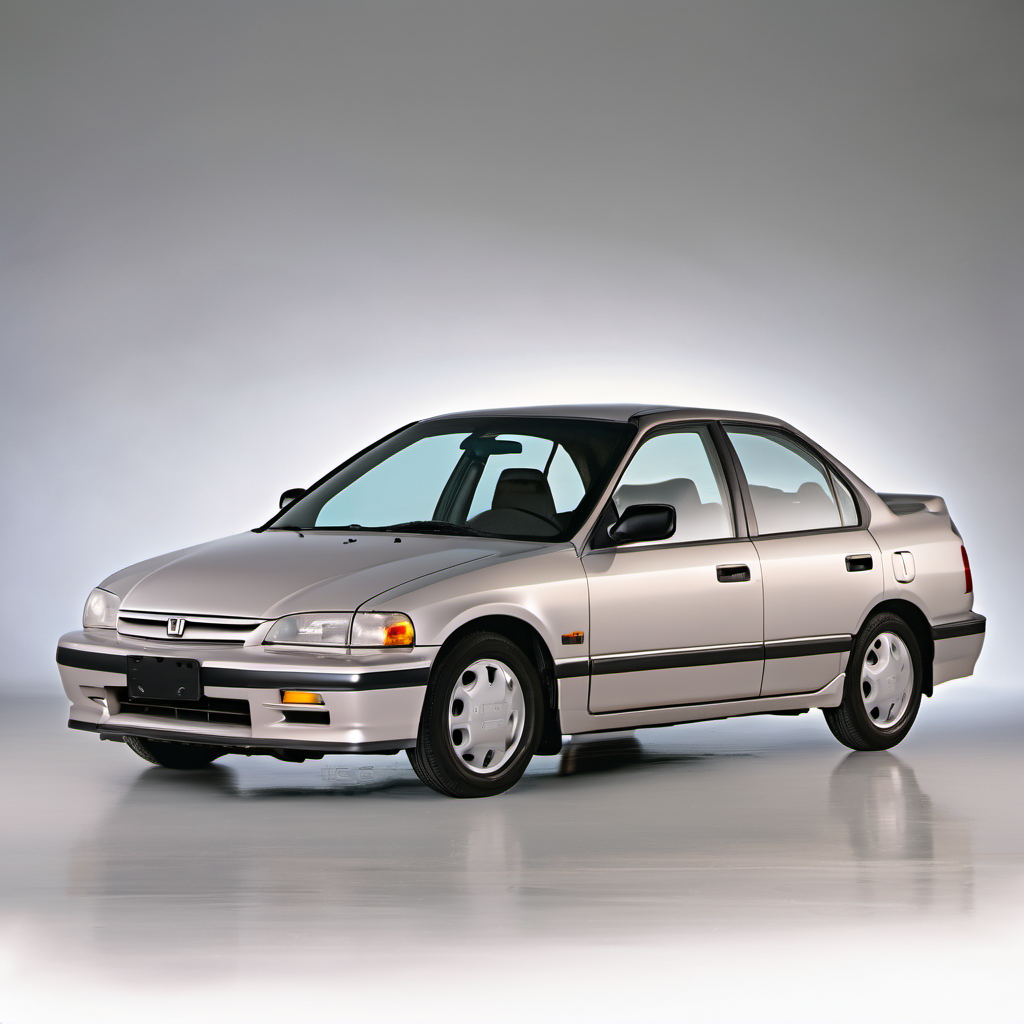
Same era, same segment, FWD economy coupe with similar dimensions and price. Significantly better long-term reliability and parts availability.
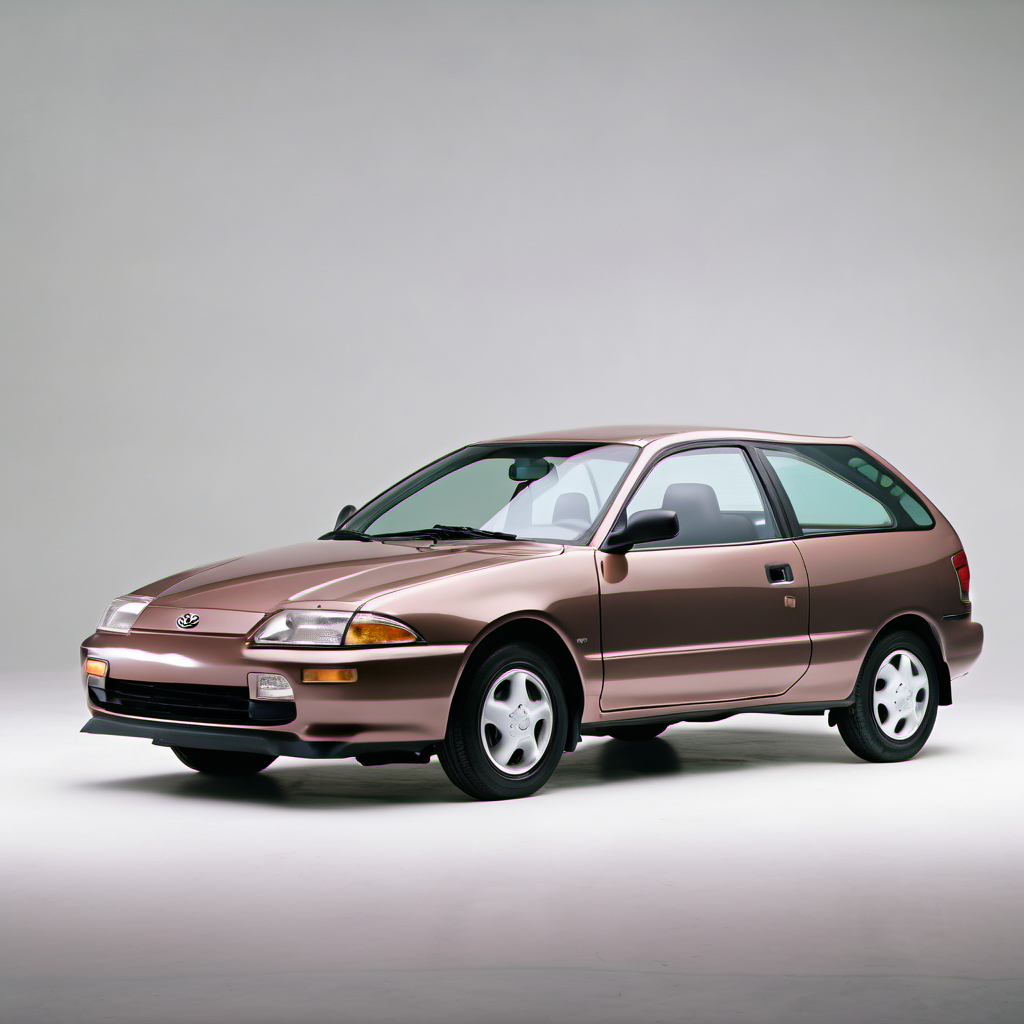
Direct competitor — Toyota's budget sport coupe of the same era, also 1.5L FWD. More reliable with better parts support surviving today.
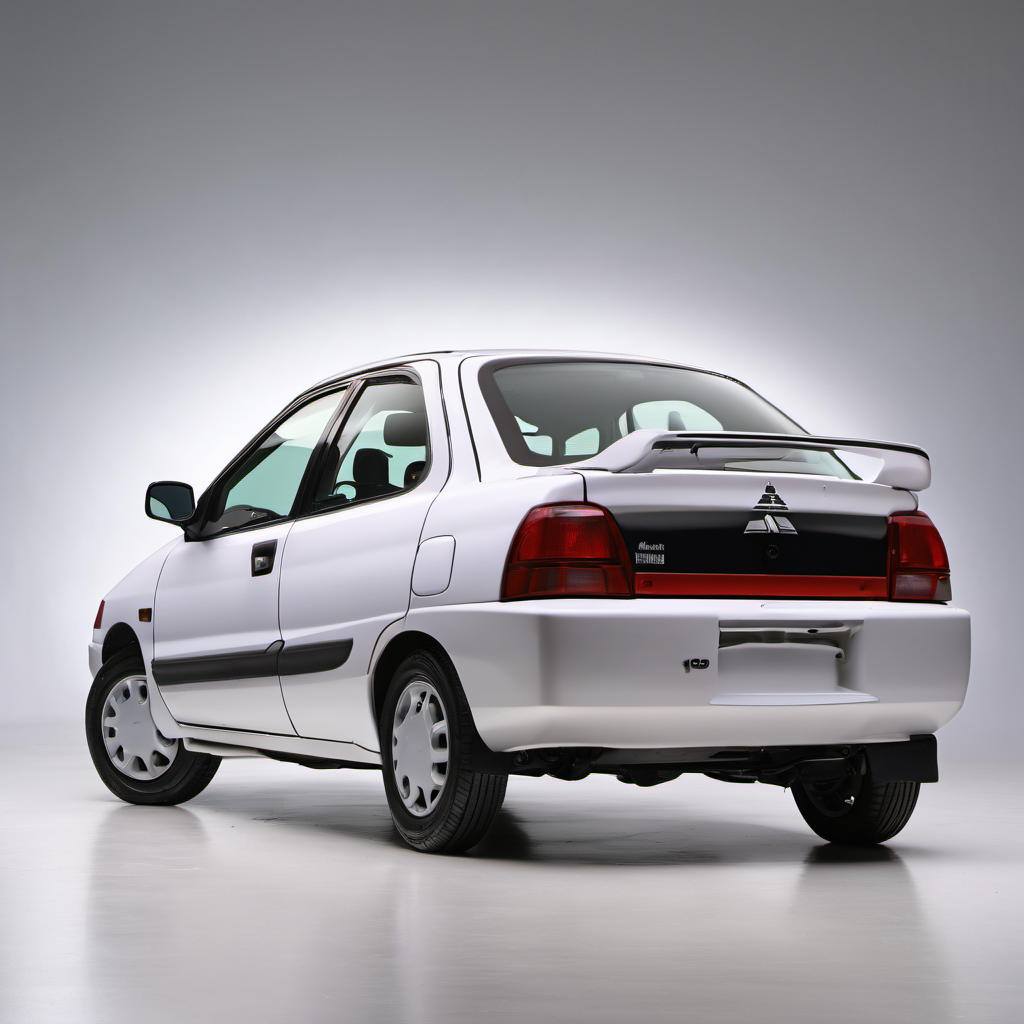
Same class and price range. Mitsubishi's entry coupe used closely related engineering to the Scoupe (Hyundai-Mitsubishi partnership era) and shares a similar ownership profile.
Another budget FWD coupe from the same period targeting the same buyer. Similar performance, similar age-related challenges today.
No catalog match