Coolant hose and radiator failures
high- Typically appears
- All mileage — age-driven
- Estimated repair
- $150 – $600
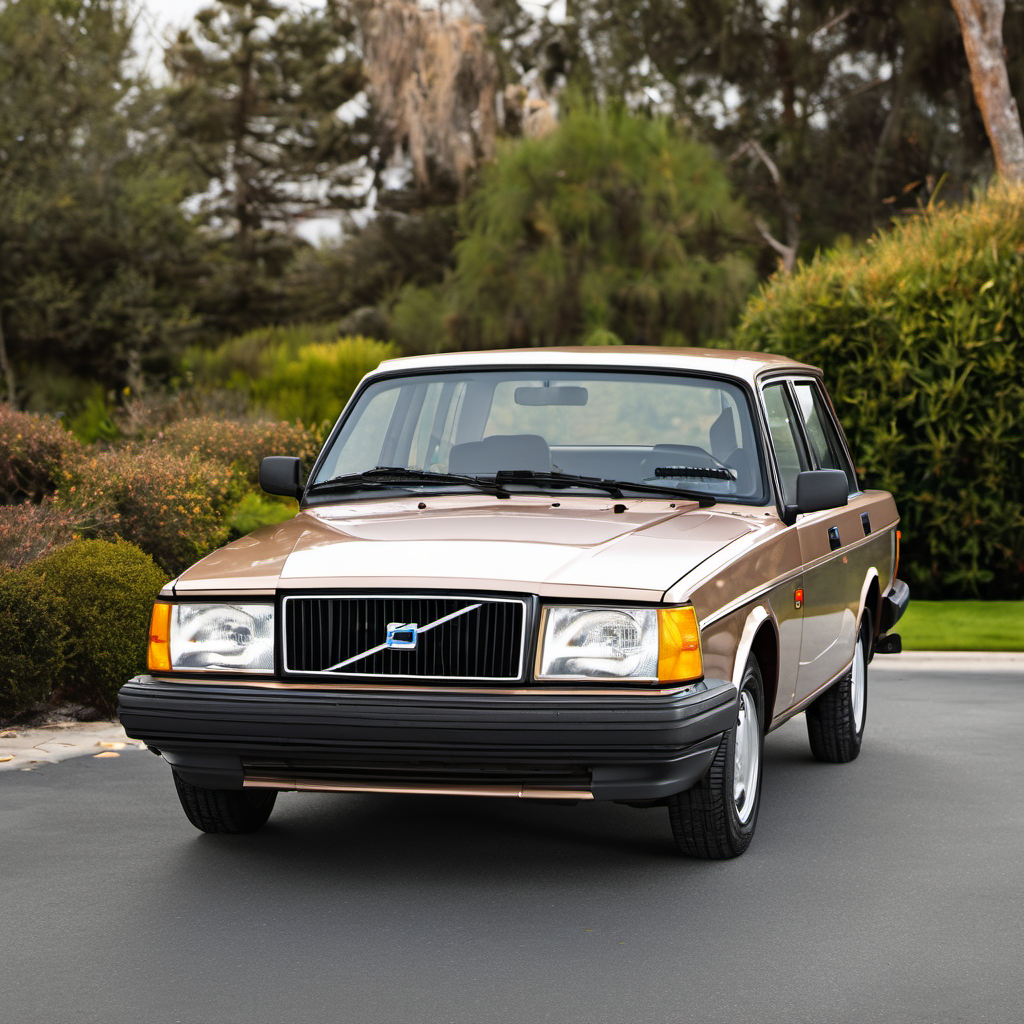
1993 Volvo
Sedan
The 1993 Volvo 240 Sedan is the final model year of one of the most iconic and long-lived platforms in automotive history — the 240 ran largely unchanged from 1974 through 1993. It was built in Sweden with an emphasis on passive safety, structural rigidity, and mechanical simplicity, and it earned a devoted following because of exactly those traits. By '93 it was already considered old-fashioned, but that worked in its favor: fewer electronics to fail, a proven drivetrain, and a body that ages gracefully with proper rust management. Under the hood sits Volvo's B230F, a 2.3L inline-four with a cast-iron block and an aluminum head, fed by Bosch LH-Jetronic fuel injection. It produces modest power — around 114 hp — but the engine is known for longevity. Many examples have rolled past 300,000 miles with consistent maintenance. The RWD layout, live rear axle, and stout construction make it easy to work on and inexpensive to maintain at an independent shop. By 1993, the 240 was being phased out in favor of the 850, and production numbers were winding down. That makes the '93 a genuine last-of-breed piece. Parts availability is generally good thanks to a strong enthusiast community, though some body trim and rubber seals are getting scarce. If you want a safe, honest, fixable older car that doesn't pretend to be modern, the 240 is hard to beat.
The 1993 Volvo 240 Sedan is the final model year of one of the most iconic and long-lived platforms in automotive history — the 240 ran largely unchanged from 1974 through 1993. It was built in Sweden with an emphasis on passive safety, structural rigidity, and mechanical simplicity, and it earned a devoted following because of exactly those traits. By '93 it was already considered old-fashioned, but that worked in its favor: fewer electronics to fail, a proven drivetrain, and a body that ages gracefully with proper rust management. Under the hood sits Volvo's B230F, a 2.3L inline-four with a cast-iron block and an aluminum head, fed by Bosch LH-Jetronic fuel injection. It produces modest power — around 114 hp — but the engine is known for longevity. Many examples have rolled past 300,000 miles with consistent maintenance. The RWD layout, live rear axle, and stout construction make it easy to work on and inexpensive to maintain at an independent shop. By 1993, the 240 was being phased out in favor of the 850, and production numbers were winding down. That makes the '93 a genuine last-of-breed piece. Parts availability is generally good thanks to a strong enthusiast community, though some body trim and rubber seals are getting scarce. If you want a safe, honest, fixable older car that doesn't pretend to be modern, the 240 is hard to beat.
Every hose on a 30-year-old car is suspect. A burst hose on a Wisconsin highway in January is a safety and towing event. Replace proactively — hoses are cheap, tow trucks aren't.
Cold starts below zero are brutal on worn ignition components. These are inexpensive and directly impact cold-weather reliability.
The B230 tolerates conventional oil well. Use the correct viscosity for Wisconsin temps (5W-30 in winter). Frequent changes slow sludge buildup in a 30-year-old engine.
The B230F is an interference engine. A broken timing belt causes catastrophic valve damage. At 30 years old, replace it regardless of mileage if history is unknown.
Glycol-based brake fluid absorbs moisture over time, lowering boiling point and promoting internal corrosion. Critical given Wisconsin's road salt environment.
Lake Geneva roads are heavily salted November through March. Inspect subframe mounting points, floor pans, rockers, and rear spring perches. Catch rust early; structural rust is expensive and dangerous.
The LH-Jetronic injection system is sensitive to fuel system contamination. A clogged filter stresses the fuel pump — which is expensive to replace on this car.
Belts crack from age as much as use. A snapped accessory belt takes out the alternator, power steering, and water pump simultaneously — not something you want in a Wisconsin winter.
Always defer to the manufacturer's service manual for warranty-mandated intervals.
The 240 is genuinely inexpensive to own when it's healthy. Independent shop labor rates apply well — most service is straightforward and well-documented. The wildcard is rust remediation and deferred maintenance on acquisition. Budget for a thorough inspection and catch-up service when buying any example; a $500 pre-purchase inspection can save you from a $3,000 surprise.
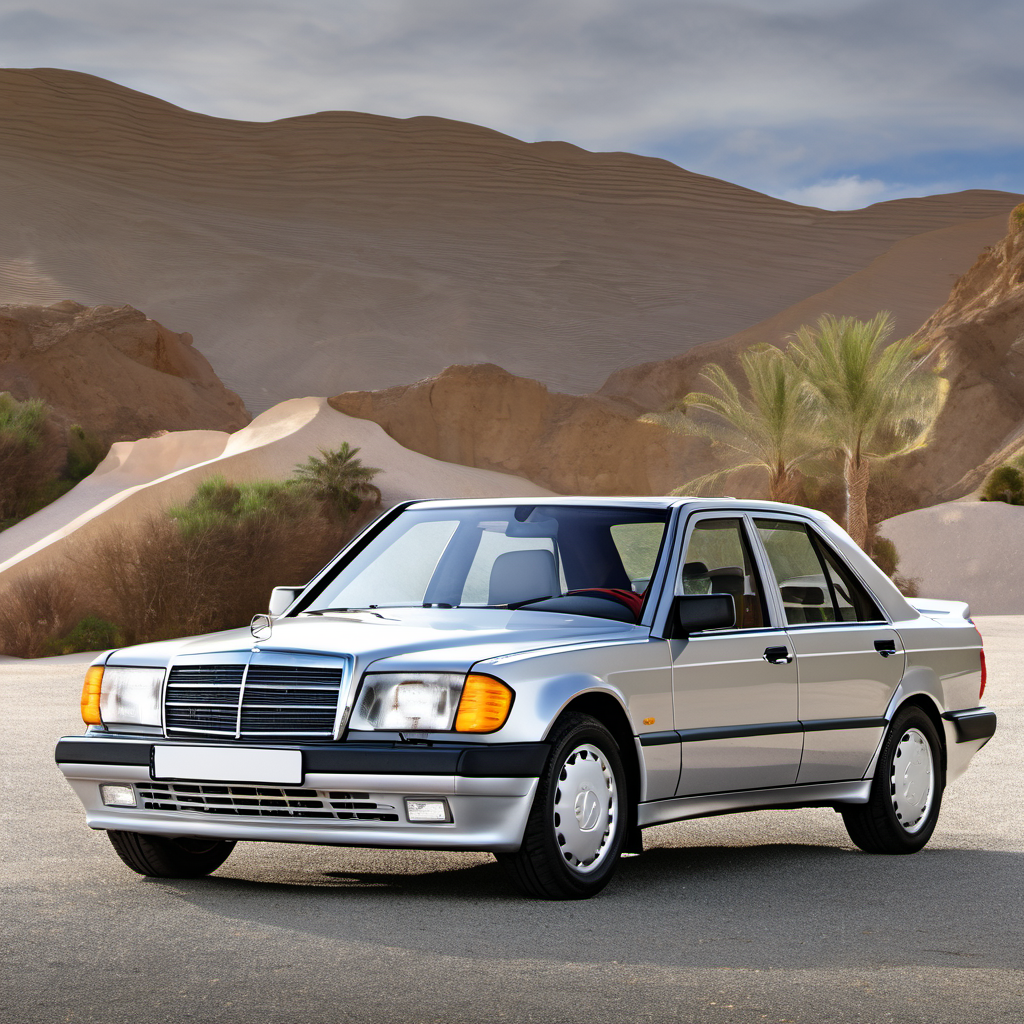
Same era, similar safety reputation, RWD, simple mechanicals. Also a cult classic with strong long-term reliability when maintained. Slightly more expensive to repair.
RWD sport sedan from the same period. More driver-focused and similar pricing on the used market. Higher parts and labor costs but comparably long-lived when maintained.
No catalog match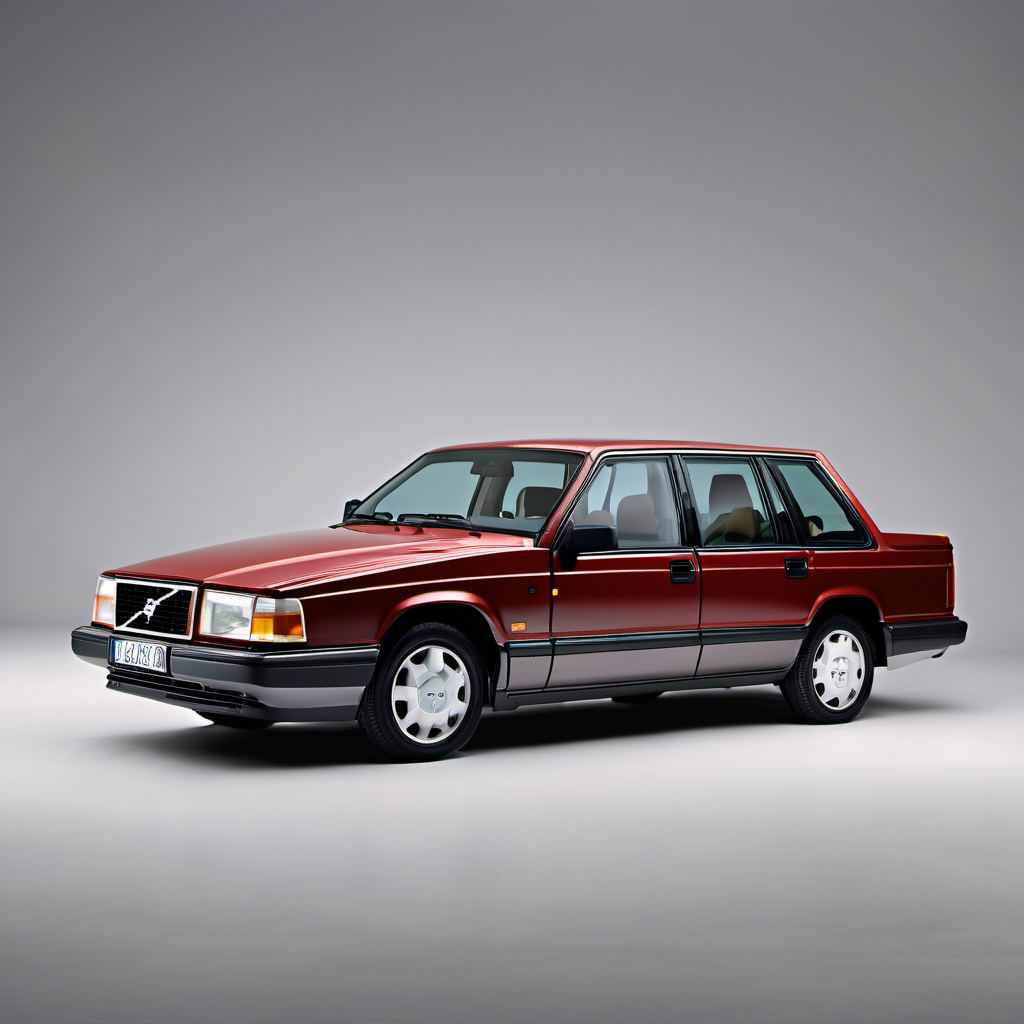
Volvo's own contemporary replacement — same B230 engine family, similar safety focus, RWD, and parts overlap. More modern interior with slightly more complexity.
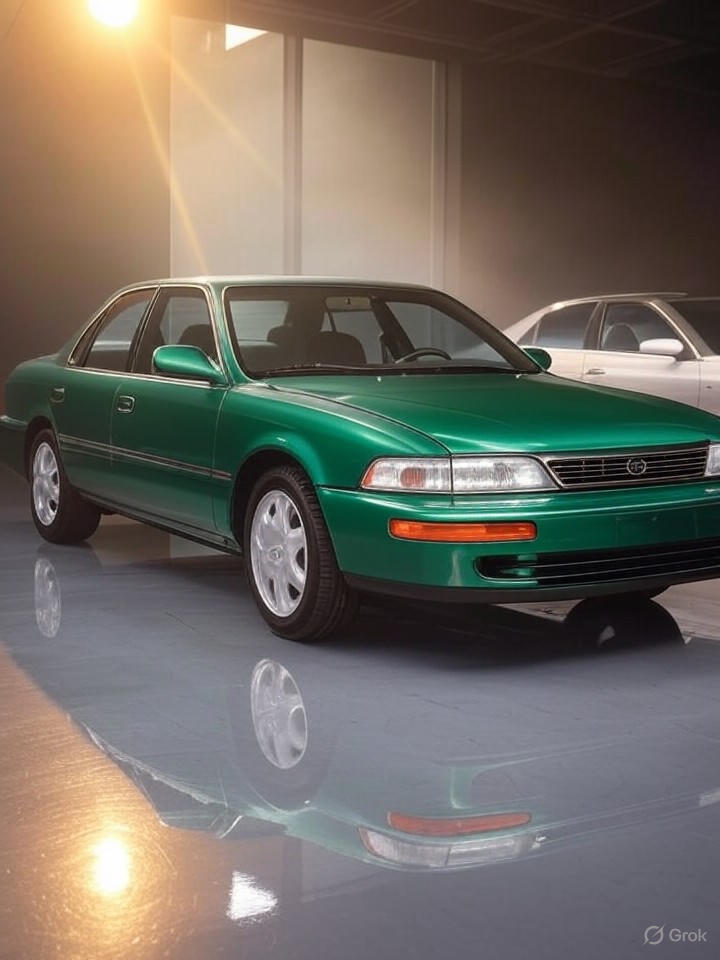
FWD alternative in the same practical sedan segment. More fuel-efficient, lower maintenance cost, but lacks the 240's safety legacy and mechanical simplicity appeal.