1993 Volkswagen Cabriolet Convertible

1993 Volkswagen

CabrioletConvertible

Convertible

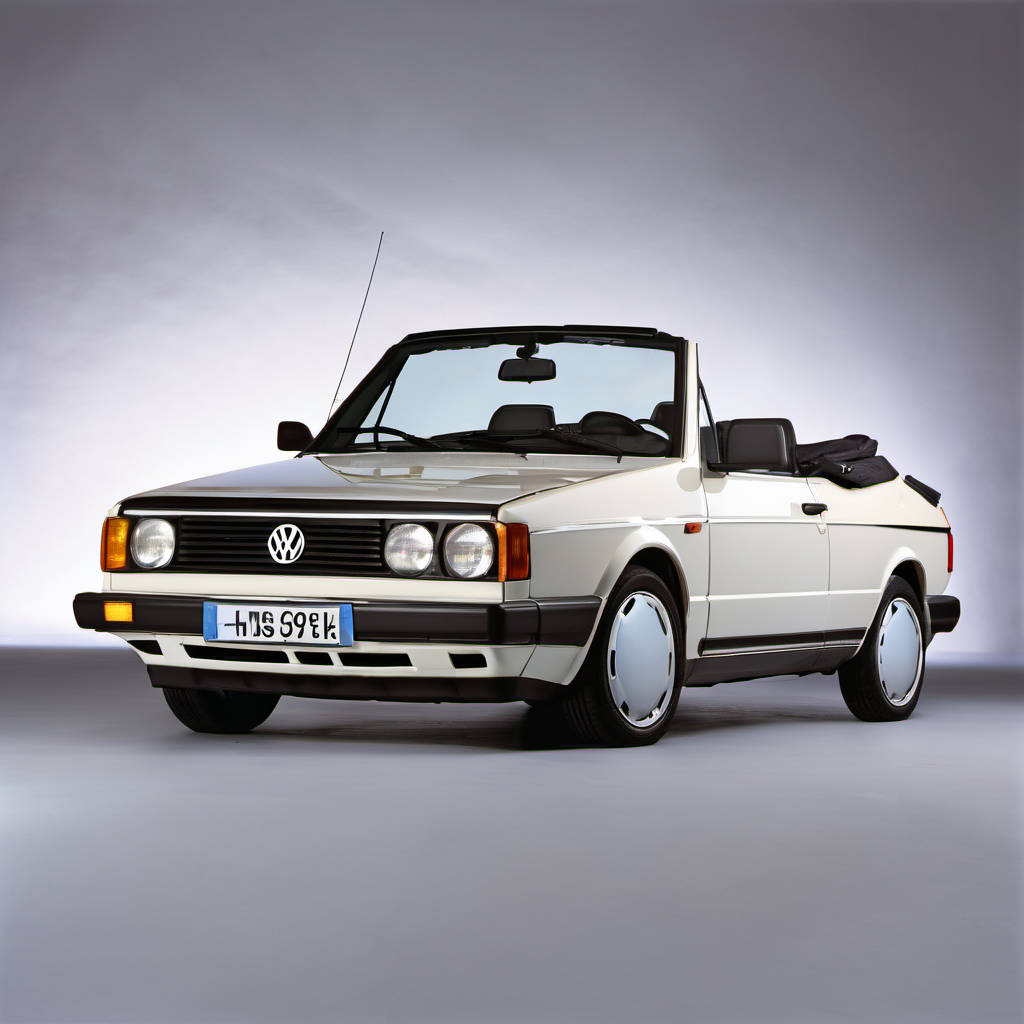
The 1993 Volkswagen Cabriolet is the last-generation version of VW's long-running Golf-based convertible, sold in the US from 1980 through 1993. By '93 it carried the same basic A1-platform bones as the original Rabbit Cabriolet, fitted with a 1.8L 8-valve injected four-cylinder and a power-operated soft top. It's a small, rear-seat-tight two-door that prioritizes open-air fun over practicality. These cars have a loyal following because of their classic styling, solid German build quality for the era, and relative mechanical simplicity. Parts availability is reasonable through the VW/Audi specialty aftermarket. That said, the car is now over 30 years old, and every example should be treated as a classic that needs a thorough inspection before purchase. For a Lake Geneva driver, the Cabriolet is a warm-weather toy first. Its soft top, FWD layout, and modest ground clearance make it poorly suited to Wisconsin winters — plan to garage it from November through April.

Reliability
3/5
Verified data
Specs shown for Cabriolet — the most common configuration. Other trims may vary in engine, drivetrain, or fuel economy. Sign in to see your vehicle's exact specs.
Engine
[object Object]
Drivetrain
FWD
Fuel
Gasoline
MPG
21 city / 24 hwy / 22 combined
Seats
Doors
Body
Minicompact Cars

Overview

AI-curated

The 1993 Volkswagen Cabriolet is the last-generation version of VW's long-running Golf-based convertible, sold in the US from 1980 through 1993. By '93 it carried the same basic A1-platform bones as the original Rabbit Cabriolet, fitted with a 1.8L 8-valve injected four-cylinder and a power-operated soft top. It's a small, rear-seat-tight two-door that prioritizes open-air fun over practicality. These cars have a loyal following because of their classic styling, solid German build quality for the era, and relative mechanical simplicity. Parts availability is reasonable through the VW/Audi specialty aftermarket. That said, the car is now over 30 years old, and every example should be treated as a classic that needs a thorough inspection before purchase. For a Lake Geneva driver, the Cabriolet is a warm-weather toy first. Its soft top, FWD layout, and modest ground clearance make it poorly suited to Wisconsin winters — plan to garage it from November through April.

Known for
  • Classic European convertible styling that has aged gracefully
  • Simple, relatively easy-to-service 1.8L 8-valve engine
  • Power soft top with a heated glass rear window (late models)
  • Tight but usable 2+2 seating
Best for
  • Warm-weather cruising and weekend fun
  • Collectors or enthusiasts who can do their own wrenching
  • Drivers who want a classic VW on a modest budget
  • Short-distance daily drivers in dry seasons
Watch for
  • Soft top condition — replacement is expensive and originals are worn after 30 years
  • Rust in floor pans, sills, and convertible top well
  • Aging rubber: door seals, top seals, fuel lines, and coolant hoses
  • Electrical gremlins from aging wiring harnesses
  • Parts for this specific generation are increasingly scarce at dealerships — specialist suppliers are required

Common issues by mileage

6 known

Soft top deterioration or failure

high
Typically appears
All mileages — age-dependent
Estimated repair
$600 – $2,000

Coolant system leaks (hoses, water pump, thermostat)

high
Typically appears
60k+ mi
Estimated repair
$150 – $600

Timing belt and tensioner replacement overdue

high
Typically appears
All mileages — interval is every 60k mi, often neglected on older cars
Estimated repair
$250 – $500

Oxygen sensor failure (aged sensor / wiring)

medium
Typically appears
60k–120k mi
Estimated repair
$100 – $300

Floor pan and sill rust (especially in salt-belt cars)

high
Typically appears
All mileages — age and geography dependent
Estimated repair
$500 – $3,000

Idle control / fuel injection rough running (aged injectors, vacuum leaks)

medium
Typically appears
80k–150k mi
Estimated repair
$150 – $700

Maintenance schedule

  1. 1
    Every 60,000 miles or 4 years, whichever comes first — verify when it was last done Timing belt and tensioner replacement

    The 1.8L is non-interference, so a break won't destroy the engine, but you'll be stranded. On a 30-year-old car with unknown history, replace it immediately if records are missing.

  2. 2
    Immediately on purchase, then every 2 years Full coolant system inspection and flush

    All hoses, clamps, the water pump, and thermostat are likely original or near-original age on any surviving example. Failure is a matter of when, not if.

  3. 3
    Every spring before convertible season Soft top inspection and lubrication of top mechanism

    Inspect seams, rear window, and frame pivots. Lubricate pivot points with silicone lubricant. A torn top lets in water, which accelerates floor pan and interior rust.

  4. 4
    Every 2 years or on purchase Fuel system inspection (fuel lines, filter, injectors)

    Original rubber fuel lines are 30 years old and can crack or weep, creating a fire risk. Replace any original rubber fuel line found.

  5. 5
    Every 2 years Brake fluid flush

    Glycol-based brake fluid absorbs moisture over time, lowering boiling point and causing internal corrosion in calipers and wheel cylinders — a major issue on aging vehicles.

  6. 6
    As needed; inspect annually Inspect and replace all door/top weatherstripping and seals

    Degraded seals allow water into the cabin and top well, which rots the floor pans. This is one of the biggest killers of surviving Cabriolets.

  7. 7
    Every 30,000 miles Oxygen sensor and spark plugs

    Fresh plugs and a functioning O2 sensor are critical for proper mixture control on the older Digifant/CIS injection system. Misfires and rich running shorten catalytic converter life.

  8. 8
    Every fall Battery load test before winter storage

    If the car is stored over Wisconsin winter, a dying battery will fully discharge and sulfate. Use a maintenance (trickle) charger during storage and load-test the battery every fall.

Always defer to the manufacturer's service manual for warranty-mandated intervals.

Cost of ownership

Annual maintenance
$600 – $2,500
Fuel
Moderate — the 1.8L is small but the EPA combined rating of 22 mpg reflects its age. Expect 20–24 mpg in real-world driving. Regular 87-octane fuel is fine.
Insurance
Generally low — classified as a collectible/classic by most insurers. Agreed-value classic car insurance is worth exploring for a stored weekend car; it can be significantly cheaper than standard coverage.

Day-to-day fuel and insurance costs are low. The wildcard is deferred maintenance and age-related repairs. A solid example that has been recently serviced might run $600–900/year in routine upkeep. A neglected car or one needing a soft top, rust repair, or major mechanical work can easily run $1,500–$2,500+ in the first year of ownership. Budget for surprises — this is a 30-year-old vehicle.

Seasonal care

Lake Geneva, WI
Winter
  • Do not drive this car in Wisconsin winter if it can be avoided. Road salt will aggressively attack the already-aging floor pans, sills, and underbody — one winter of exposure can undo years of preservation.
  • Store in a heated or at minimum an unheated dry garage. Use a breathable car cover indoors; avoid plastic tarps that trap moisture.
  • Connect a battery maintainer (trickle charger) for the full storage period to prevent battery sulfation in the cold.
  • Before storage, change the oil and filter so acids from combustion don't sit in the crankcase all winter.
  • Top off the fuel tank and add a fuel stabilizer to prevent varnish buildup in the injectors and fuel lines during storage.
  • Inspect the soft top and top well drain tubes before storage — clogged drains flood the floor pan under snow melt.
Summer
  • Inspect the soft top thoroughly each spring — UV and freeze-thaw cycles crack vinyl/cloth. Look for separation at seams and around the rear window.
  • Check tire pressure monthly; warm Wisconsin summers cause pressure to rise about 1 PSI per 10°F. Inspect tires for sidewall cracking common on older, low-mileage cars.
  • Test the A/C system at the start of the season. The R-12 refrigerant system on 1993 models requires either an R-134a retrofit or a shop licensed for R-12 — confirm which your car has.
  • Top up washer fluid with a summer formula and clean the wiper blades — UV degrades blades faster on a convertible that sits in the open sun.
  • Check coolant level and condition. Heat soak after short trips stresses older coolant hoses — inspect for soft spots or bulging.

Comparable vehicles

If you're shopping for one

Red flags
  • Any evidence of standing water inside the cabin — stained carpet, musty smell, or rust on seat rail bolts
  • Soft top that leaks, has torn seams, or has a cracked/yellowed rear window — budget $600–$2,000 to replace
  • Missing or incomplete maintenance records with no timing belt documentation
  • Rust bubbling through paint on sills, rear quarters, or around the windshield frame
  • Strong fuel smell in the engine bay or under the car — aging fuel lines are a fire risk
  • A seller who cannot demonstrate that the A/C system has been addressed (R-12 vs. R-134a retrofit)
What to inspect
  • Floor pans and rocker sills — probe for soft spots indicating rust-through, especially on any car with Midwest/salt-belt history
  • Soft top: inspect all seams, the rear window (delamination and cracks are common), and the frame pivot points for bent or seized hardware
  • Top well drain tubes — verify they are clear and draining properly; blocked drains cause floor flooding
  • All rubber fuel lines under the hood and along the chassis — look for cracking, swelling, or fuel smell
  • Coolant hoses for softness, swelling, or crusty deposits at clamps
  • Timing belt condition and service records — no records means assume it needs immediate replacement
  • Electrical function: power windows, convertible top motor, dash gauges, and turn signals are common failure points on aging wiring
  • Undercarriage for accident damage — the Cabriolet's unibody is repairable but frame damage on a 30-year-old car is a major red flag
AI profile generated 4 days ago · claude-sonnet-4-6 · v2.