Automatic Transmission Failure
high- Typically appears
- 80–150k mi
- Estimated repair
- $2,000 – $4,500
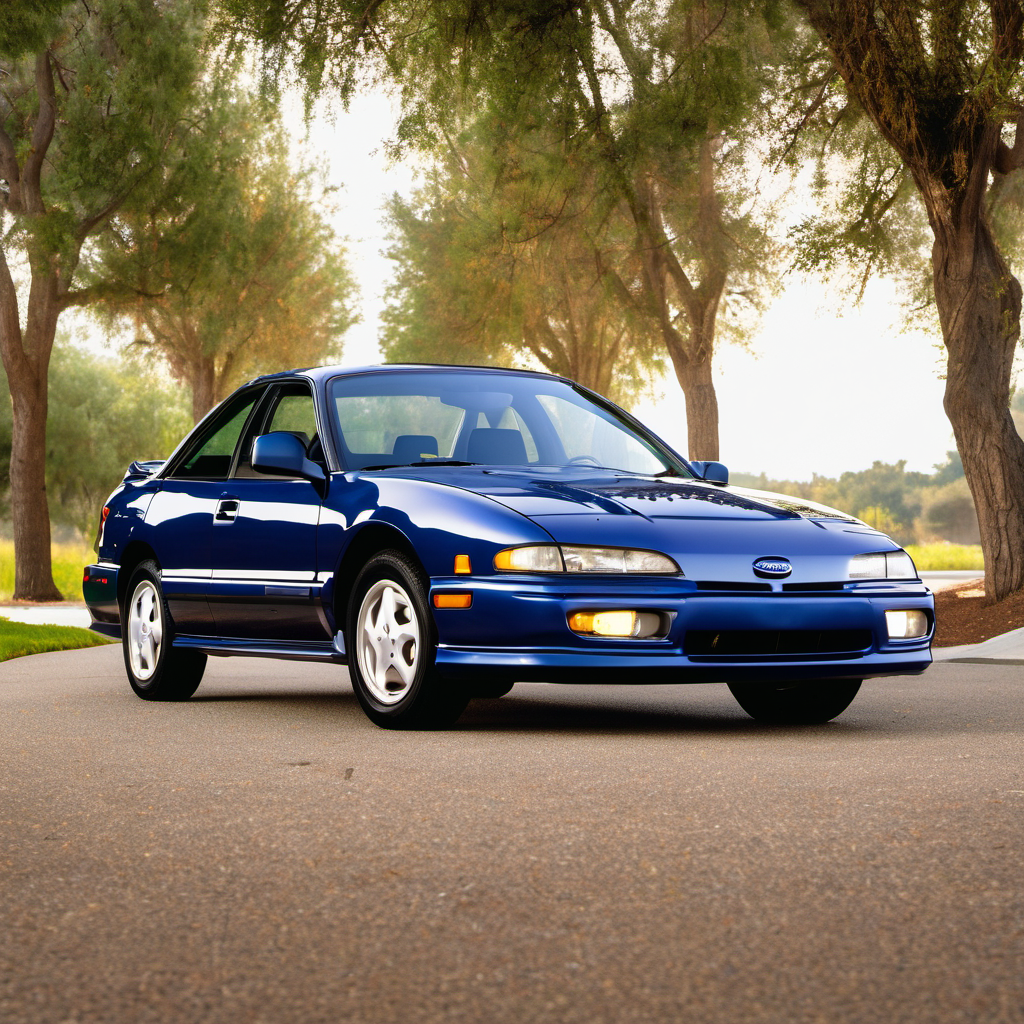
1993 Subaru
Coupe
The 1993 Subaru SVX is a low-volume grand touring coupe designed by Giorgetto Giugiaro of Italdesign — one of the most distinctive-looking cars Subaru ever built. It was sold from 1992 to 1997 and represented Subaru's flagship, pairing a smooth 3.3L flat-six (EG33) with a unique 'window-within-a-window' fixed-glass door design. It was never a performance car in the traditional sense; think refined highway cruiser with exotic styling rather than sports car. All SVXs came with a 4-speed automatic transmission — no manual option was ever offered in North America — and were available in FWD or AWD configurations depending on trim. The 1993 model year sits in the early run before Subaru made minor refinements. Parts availability is now a real challenge; this is a niche vehicle with a devoted but small owner community. Owning an SVX today means embracing its collector/enthusiast status. Mechanically, the EG33 engine is robust if maintained, but the 4-speed automatic is a known weak point, and finding a competent shop familiar with the platform takes effort. Budget generously for maintenance and be patient sourcing parts.
The 1993 Subaru SVX is a low-volume grand touring coupe designed by Giorgetto Giugiaro of Italdesign — one of the most distinctive-looking cars Subaru ever built. It was sold from 1992 to 1997 and represented Subaru's flagship, pairing a smooth 3.3L flat-six (EG33) with a unique 'window-within-a-window' fixed-glass door design. It was never a performance car in the traditional sense; think refined highway cruiser with exotic styling rather than sports car. All SVXs came with a 4-speed automatic transmission — no manual option was ever offered in North America — and were available in FWD or AWD configurations depending on trim. The 1993 model year sits in the early run before Subaru made minor refinements. Parts availability is now a real challenge; this is a niche vehicle with a devoted but small owner community. Owning an SVX today means embracing its collector/enthusiast status. Mechanically, the EG33 engine is robust if maintained, but the 4-speed automatic is a known weak point, and finding a competent shop familiar with the platform takes effort. Budget generously for maintenance and be patient sourcing parts.
The 4-speed automatic is the SVX's most expensive failure point. Fresh fluid and a clean filter are cheap insurance. If the trans fluid looks dark or smells burnt, budget for a rebuild.
On a 30+ year old car, rubber hoses and the radiator are overdue. Overheating is a fast path to head gasket failure on the EG33.
The EG33 is an interference engine. A snapped timing belt causes catastrophic valve damage. On any used SVX, confirm when this was last done before purchase.
Six cylinders buried in a flat-six layout make plug access time-consuming. Use the correct heat range and premium fuel as spec'd.
Aged O2 sensors cause rich running, poor fuel economy, and catalytic converter damage. The EG33 runs two sensors.
The SVX's unique fixed-glass door design traps moisture in the window channels. Dry seals crack and water intrusion follows. A silicone-based lubricant keeps them pliable.
Brake fluid absorbs moisture over time, lowering its boiling point. On an older vehicle driven in Wisconsin winters, this is non-negotiable.
Cold cranking a 3.3L flat-six in sub-zero Lake Geneva winters demands a strong battery. Batteries over 4 years old should be load-tested, not just voltage-checked.
Always defer to the manufacturer's service manual for warranty-mandated intervals.
The SVX is inexpensive to insure if titled as a collector vehicle, but mechanical costs can spike quickly when the automatic transmission or timing belt is due. Parts sourcing is the real wildcard — labor hours go up when a technician has to hunt for components. Budget a healthy contingency fund, especially in the first year of ownership.
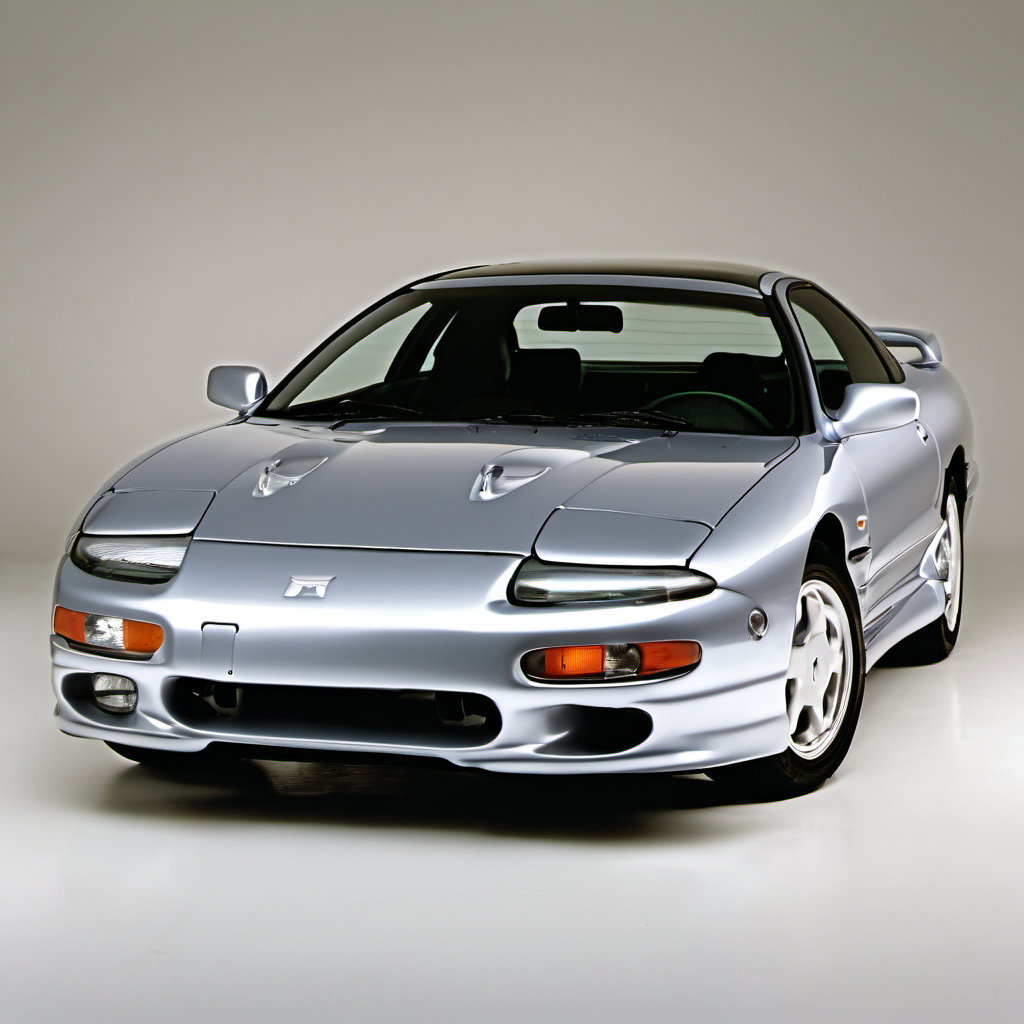
Japanese GT coupe from the same era, similar grand-tourer character with a more tunable drivetrain. Parts are also a challenge but the community is larger.
Exotic Japanese sports coupe contemporary — more driver-focused but similarly niche, with its own demanding maintenance requirements.
No catalog match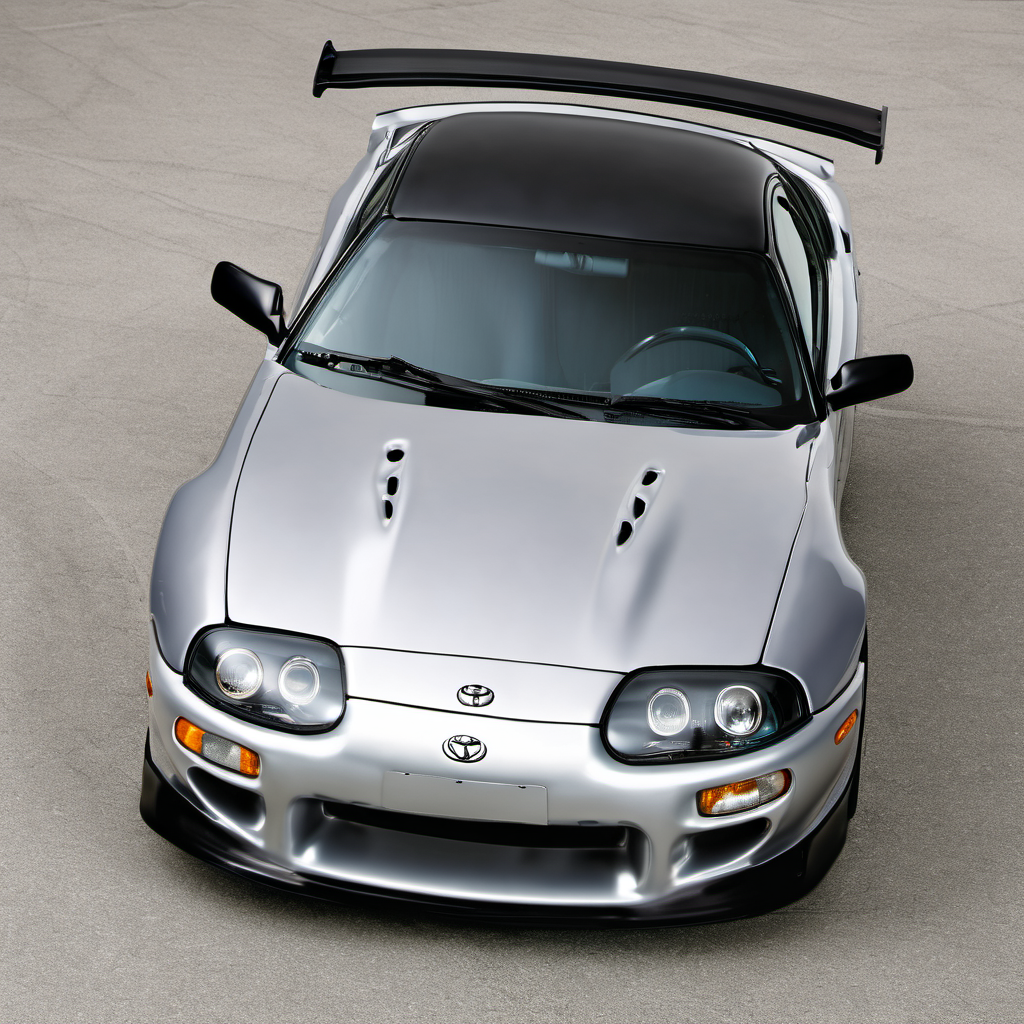
Flagship Japanese GT coupe from the same generation; far better parts availability and a larger enthusiast community, with comparable grand-touring intent.
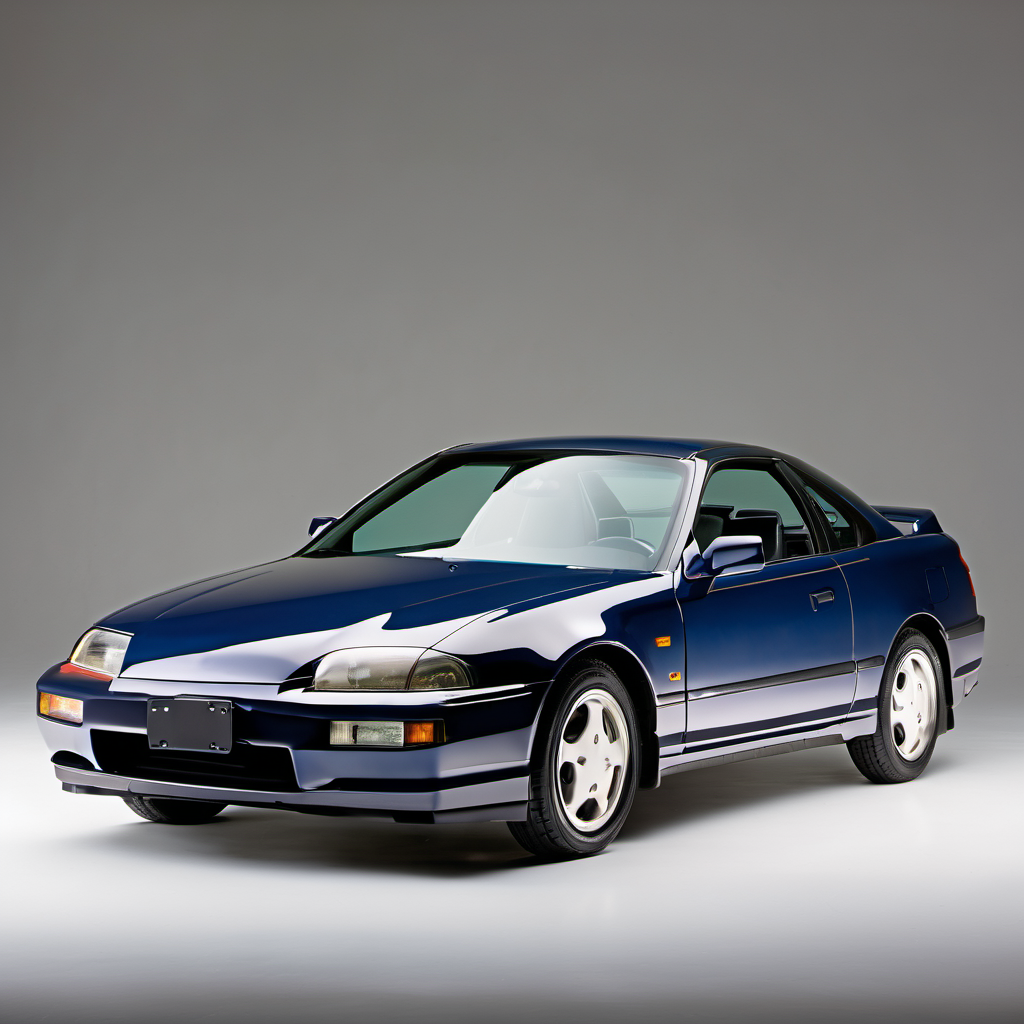
More practical and parts-accessible Japanese coupe alternative from the same period, though less powerful and less exclusive.