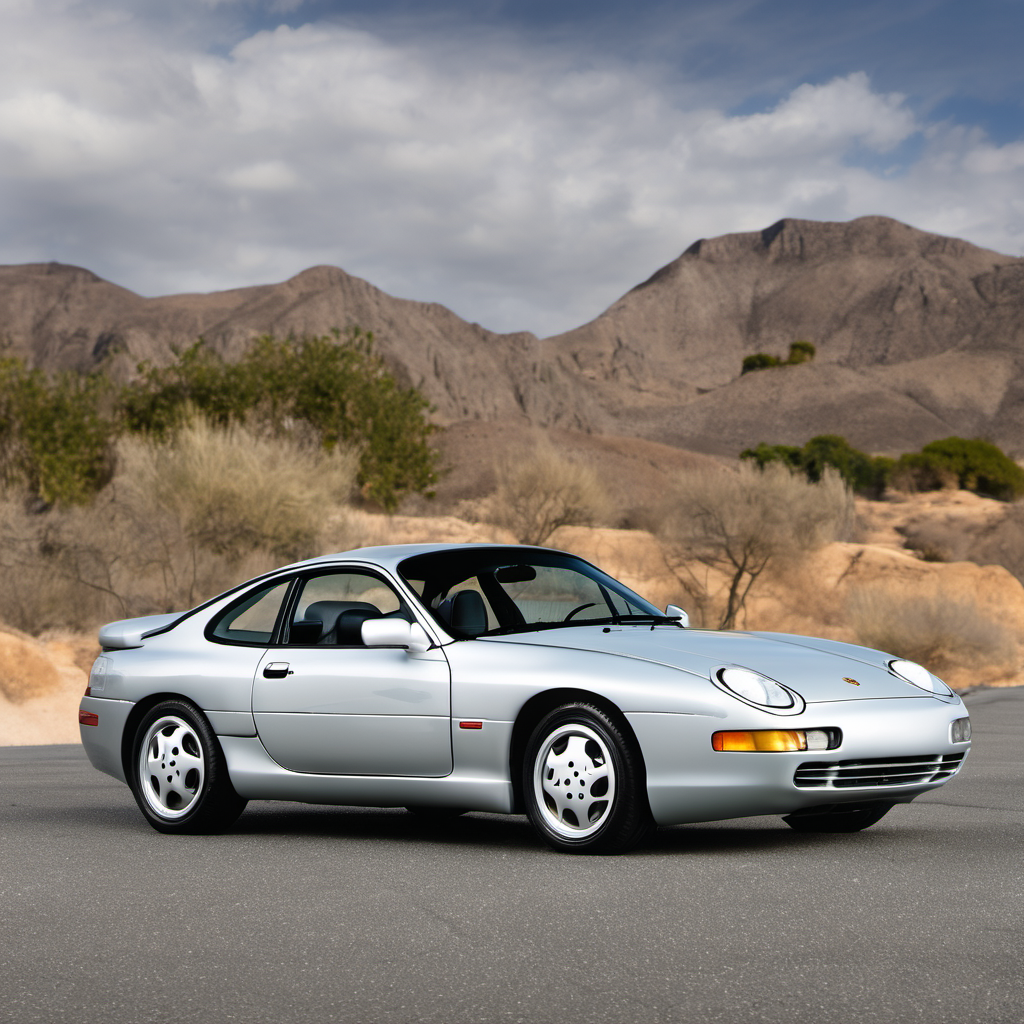
1993 Porsche 968 Coupe

1993 Porsche

968Coupe

Coupe

The 1993 Porsche 968 Coupe is the final evolution of the front-engine, rear-wheel-drive lineage that started with the 944. It carried over the 3.0L inline-4 from the 944 S2, but with significant upgrades — VarioCam variable valve timing (one of the first production cars to use it), a revised cylinder head, and updated styling that gave it a cleaner, more modern look. It was built in relatively small numbers and shares its basic platform, suspension geometry, and manufacturing DNA with the 944 and 928, making parts cross-compatibility a consideration for buyers. The 968 earned praise for its handling balance and driver engagement. The front-mid engine placement (the engine sits almost entirely behind the front axle) gives it near-50/50 weight distribution, and the rear transaxle further helps balance. The 236 hp it produced was modest by today's standards, but the torque curve is broad and the car rewards smooth, committed driving. It was offered with either a 6-speed manual or a 4-speed Tiptronic automatic. By 1995, Porsche had discontinued the 968, making 1993 one of only three model years. These cars are increasingly regarded as undervalued collector pieces. That said, they are aging 30-year-old German sports cars — parts can be expensive, specialist knowledge is required for proper maintenance, and deferred maintenance is common on cars that have passed through multiple owners.

Reliability
3/5
Verified data
Specs shown for 968 — the most common configuration. Other trims may vary in engine, drivetrain, or fuel economy. Sign in to see your vehicle's exact specs.
Engine
[object Object]
Drivetrain
RWD
Fuel
Premium gasoline
MPG
15 city / 23 hwy / 18 combined
Seats
Doors
Body
Two Seaters

Overview

AI-curated

The 1993 Porsche 968 Coupe is the final evolution of the front-engine, rear-wheel-drive lineage that started with the 944. It carried over the 3.0L inline-4 from the 944 S2, but with significant upgrades — VarioCam variable valve timing (one of the first production cars to use it), a revised cylinder head, and updated styling that gave it a cleaner, more modern look. It was built in relatively small numbers and shares its basic platform, suspension geometry, and manufacturing DNA with the 944 and 928, making parts cross-compatibility a consideration for buyers. The 968 earned praise for its handling balance and driver engagement. The front-mid engine placement (the engine sits almost entirely behind the front axle) gives it near-50/50 weight distribution, and the rear transaxle further helps balance. The 236 hp it produced was modest by today's standards, but the torque curve is broad and the car rewards smooth, committed driving. It was offered with either a 6-speed manual or a 4-speed Tiptronic automatic. By 1995, Porsche had discontinued the 968, making 1993 one of only three model years. These cars are increasingly regarded as undervalued collector pieces. That said, they are aging 30-year-old German sports cars — parts can be expensive, specialist knowledge is required for proper maintenance, and deferred maintenance is common on cars that have passed through multiple owners.

Known for
  • Outstanding chassis balance from front-mid engine / rear transaxle layout
  • VarioCam variable valve timing — advanced tech for its era
  • Driver-focused, analog sports car feel
  • Strong depreciation recovery as a future collectible
  • Heavy, torquey 3.0L inline-4 that responds well to maintenance
Best for
  • Enthusiast drivers who enjoy a connected, analog driving experience
  • Collectors looking for an appreciating Porsche entry point
  • Owners willing to learn the car and invest in proper upkeep
  • Weekend or seasonal use rather than year-round daily driving
Watch for
  • Deferred maintenance — timing belt and water pump neglect can be catastrophic
  • VarioCam system wear leading to timing and oil pressure issues
  • Rust on sills, floorpans, and wheel arches on cars not properly stored
  • Parts availability shrinking and prices rising for genuine or quality aftermarket components
  • Aging rubber — engine mounts, suspension bushings, coolant hoses all harden with age

Common issues by mileage

6 known

Timing belt and water pump failure

high
Typically appears
Any — interval-based, every 4 years or 30k mi
Estimated repair
$800 – $1,600

VarioCam actuator and oil pressure solenoid wear

medium
Typically appears
60–120k mi
Estimated repair
$400 – $1,200

Cooling system failure — thermostat, hoses, and radiator

high
Typically appears
Any on cars over 20 years old
Estimated repair
$300 – $1,000

Suspension bushing and engine/transmission mount deterioration

high
Typically appears
Any — age-related
Estimated repair
$500 – $2,000

Oxygen sensor and fuel system degradation

medium
Typically appears
80k+ mi or 15+ years of age
Estimated repair
$200 – $700

Clutch wear (manual) or Tiptronic shift quality degradation (auto)

medium
Typically appears
60–100k mi
Estimated repair
$800 – $2,200

Maintenance schedule

  1. 1
    Every 4 years or 30,000 miles, whichever comes first — do not exceed Timing belt, water pump, and tensioner replacement

    The 3.0L I4 is an interference engine. A snapped belt means bent valves and a potentially destroyed head. This is the single most important service on the car. Always replace the water pump and tensioner at the same time.

  2. 2
    Every 5,000 miles or annually Engine oil and filter change with correct viscosity

    VarioCam relies on oil pressure to function correctly. Dirty or low oil accelerates actuator wear and can trigger timing faults. Use the manufacturer-specified weight — do not substitute with heavy conventional oil.

  3. 3
    Every 2 years Coolant flush and hose inspection

    30-year-old coolant hoses become brittle and crack without warning. A coolant failure in Wisconsin winter — or at highway speed — is a tow call at minimum, engine damage at worst.

  4. 4
    Every 30,000 miles Fuel filter replacement

    Older fuel systems accumulate tank sediment over decades. A clogged filter stresses the fuel pump and can cause lean-running conditions.

  5. 5
    Every 2 years Brake fluid flush

    Porsche's braking system is exceptional but hygroscopic brake fluid degrades quickly. Moisture absorption lowers boiling point, which matters most during spirited driving.

  6. 6
    Every 4–5 years or when handling feels vague Inspect and replace suspension bushings

    Rubber bushings harden and crack with age regardless of mileage. Worn bushings degrade the 968's signature handling balance and accelerate tire wear.

  7. 7
    Annually before winter Check and condition door, hood, and trunk seals

    Aged seals allow water intrusion into the cabin and front trunk (frunk). Water pooling leads to floor corrosion — a serious and expensive issue on these cars.

  8. 8
    Every fall before winter storage or seasonal use Battery load test and terminal service

    The 968's electronics — including the DME (engine management) — are sensitive to voltage drop. A weak battery in sub-zero Wisconsin temps can cause hard starts, fault codes, and module stress.

Always defer to the manufacturer's service manual for warranty-mandated intervals.

Cost of ownership

Annual maintenance
$1,200 – $4,000
Fuel
Premium 91+ octane required. At 18 MPG combined and current upper Midwest fuel prices, expect $2,000–$3,000/year for moderate driving (10,000–12,000 mi/yr).
Insurance
Collector or agreed-value specialty insurance is strongly recommended given appreciating values. Expect $600–$1,500/year depending on usage classification and coverage type.

The 968 is not an expensive car to maintain in routine years — oil changes, belts, and fluids are the primary spend. The cost spikes come when deferred maintenance catches up: a timing belt job with associated components, a full suspension refresh, or cooling system overhaul can each run $1,000–$2,500 at an independent specialist. Budget at least $1,200/year for routine upkeep and keep a reserve for catch-up work on any newly purchased example. Parts availability is manageable today but is tightening — source good components when you find them.

Seasonal care

Lake Geneva, WI
Winter
  • This car should be stored during Wisconsin winters if at all possible. Road salt and brine are highly corrosive to the 968's unibody, sills, and floorpans — once rust starts underneath, repairs are extensive and expensive.
  • If storing, use a breathable cover (not plastic), add a fuel stabilizer, and connect a trickle/smart charger to maintain battery health through sub-zero temperatures.
  • Before storage, flush and refill coolant to confirm proper freeze protection to at least -34°F for Lake Geneva conditions.
  • Inspect all door, frunk (front trunk), and rear hatch seals before winter to prevent moisture intrusion during storage.
  • If driven in winter, rinse the undercarriage thoroughly after every salted road exposure — a pressure wash from below after each outing is not overkill on a car this age.
  • Switch to a winter-appropriate oil viscosity if the car will be cold-started regularly; consult your service records for the manufacturer-recommended cold-weather grade.
Summer
  • Check tire pressure monthly — heat causes pressure fluctuation, and the 968's handling depends on precise tire setup. Refer to the door placard specification.
  • Inspect the A/C system before summer heat arrives — the refrigerant system on a 30-year-old car may need a recharge or have aging seals. A/C compressor clutch failures are not uncommon at this age.
  • Monitor coolant temperature closely during hot-weather driving, especially in stop-and-go traffic. Verify the cooling fan operates correctly and the thermostat opens at the right temperature.
  • Heat soak after parking can stress fuel system components and vapor-lock older fuel lines — inspect fuel hose condition before summer driving season.

Comparable vehicles

1993 Porsche
944 S2

Immediate predecessor sharing the same platform, body structure, and engine lineage. Cheaper to buy, same ownership demands, and parts are more plentiful — a practical alternative if 968-specific pricing is a barrier.

No catalog match
1993 BMW
M3

Contemporary German RWD sports coupe with a high-revving inline engine, similar driver-focused character, and comparable maintenance intensity. Different feel but same ownership mindset required.

No catalog match
1993 Lotus
Esprit

Mid-engine British alternative in the same sporting niche. More exotic and harder to maintain, but comparable in the 'analog sports car with real driver involvement' category.

No catalog match
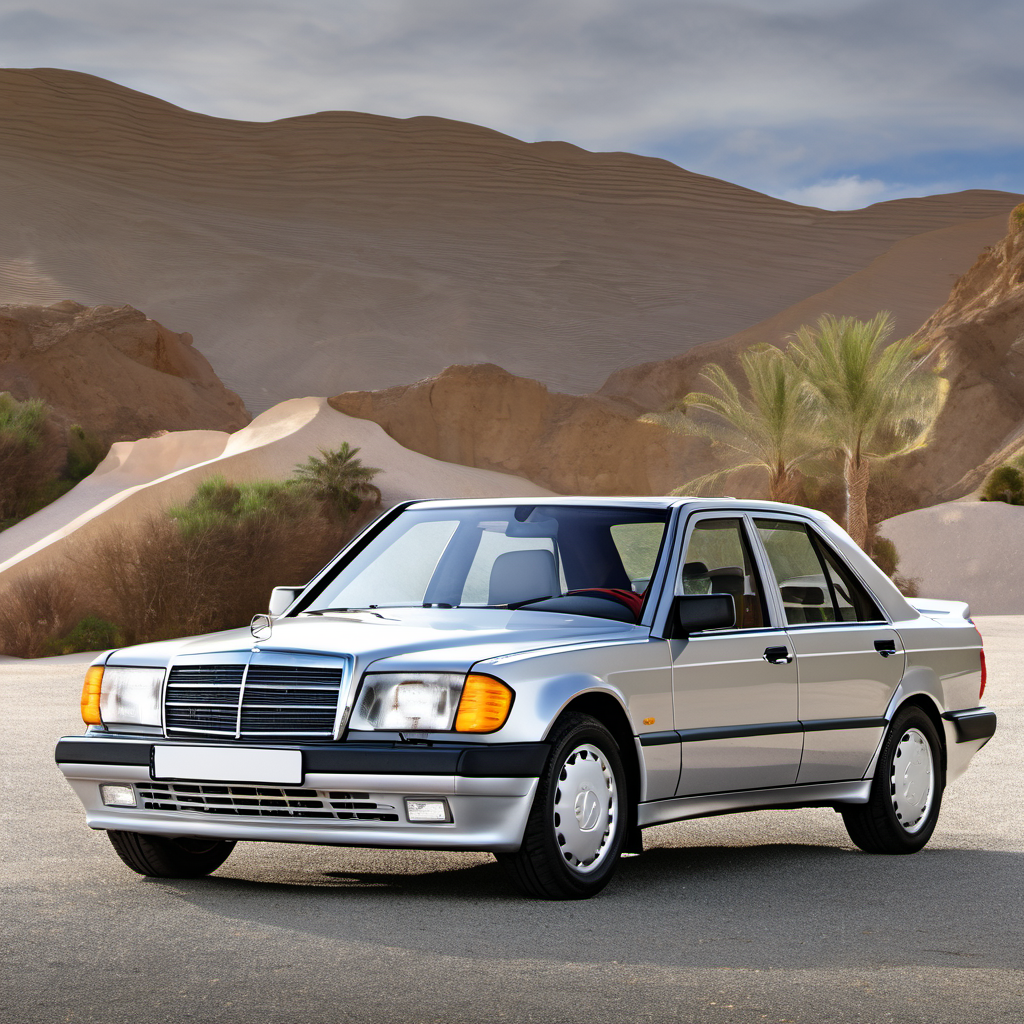
1993 Mercedes-Benz 190E 2.3-16
1993 Mercedes-Benz
190E 2.3-16

RWD German performance sedan from the same era. Less exotic but more practical, with a similar enthusiast ownership experience and comparable complexity of aging German engineering.

If you're shopping for one

Red flags
  • No timing belt records or seller cannot confirm when it was last done — walk away or demand a significant price reduction to cover the service immediately.
  • Any rust bubbling on the sills, rocker panels, or wheel arch lips — surface rust can hide structural corrosion underneath on a 30-year-old car.
  • Oil leaks at the rear of the engine or around the VarioCam cover — chronic leaks suggest deferred maintenance.
  • Evidence of accident repair — check panel gaps, overspray on weatherstripping, or mismatched paint under the frunk lid and engine access panel.
  • A car that has been sitting undriven for extended periods without a maintenance record — stale fuel, degraded seals, corroded brake calipers, and a compromised battery are all likely.
  • Cheap aftermarket parts on a specialty car like this — indicates an owner who cut corners. If non-OE parts appear in the engine bay, ask what else was done on the cheap.
What to inspect
  • Timing belt service records — if unknown or overdue, assume it hasn't been done and price it into your offer. Non-negotiable.
  • Undercarriage and sill condition for rust and brine corrosion — bring a flashlight and inspect from below. Pay particular attention to the front and rear sill sections and floorpan seams.
  • Frunk (front trunk) floor and spare tire well for water pooling or rust staining — a common early sign of seal failure.
  • VarioCam system function — a cold-start idle that smooths out quickly and no rattling or ticking at idle suggests healthy oil pressure and actuator operation.
  • Cooling system condition — look for any brown sludge in the overflow tank, oil contamination in the coolant, or signs of recent stop-leak product use (indicates a prior leak).
  • Clutch engagement feel (manual) — slipping, grabbing, or a very high engagement point suggests a worn clutch. Replacement on a transaxle car is labor-intensive.
  • All rubber components — engine mounts, transmission mounts, control arm bushings. Softness in the chassis, clunking over bumps, or a vibrating driveline are red flags.
  • A/C function and compressor noise — repairs are worthwhile but can be expensive; factor into negotiation if not working.
AI profile generated 4 days ago · claude-sonnet-4-6 · v2.