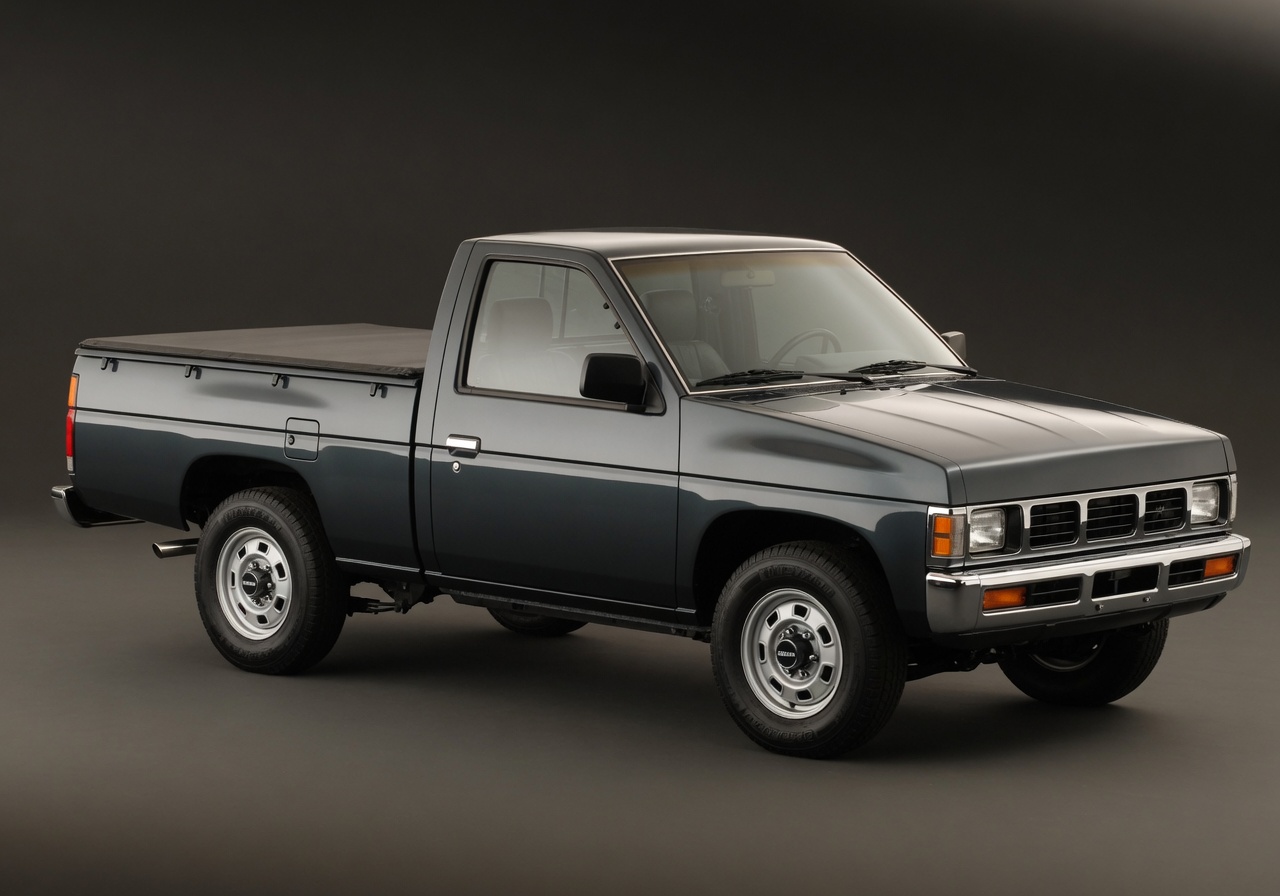
1993 Nissan Regular Cab Pickup

1993 Nissan

Regular CabPickup

2.4L I4 (KA24E) · Pickup

The 1993 Nissan Pickup (D21 platform, often called the 'Hardbody') is a compact, body-on-frame truck that earned a devoted following for its bulletproof reliability and stripped-down simplicity. Built at a time when trucks were tools first and comfort second, it came with either a 2.4L four-cylinder or an optional 3.0L V6, rear-wheel drive or part-time 4WD, and very little electronic complexity to go wrong. These trucks aged extremely well. The 2.4L KA24E inline-four is one of Nissan's most dependable engines — many examples have exceeded 250,000 miles with basic maintenance. The drivetrain is mechanically straightforward, parts remain widely available and inexpensive, and the truck is light enough that brakes, tires, and suspension wear slowly. The flip side is age: the youngest of these trucks is now over 30 years old. Rust is the number-one killer in the upper Midwest. Bodies, frames, and brake lines on Wisconsin-registered trucks have had decades of road salt exposure. If the metal is solid, a well-maintained '93 Hardbody can still be a dependable daily driver or light work truck. If it's not, repair costs can quickly exceed the truck's market value.

Reliability
4/5
Verified data
Engine
2.4L I4 (KA24E)
Drivetrain
RWD
Fuel
Gasoline
MPG
20 city / 24 hwy / 22 combined
Seats
2
Doors
2
Body
Pickup
MSRP
$9,249

Overview

AI-curated

The 1993 Nissan Pickup (D21 platform, often called the 'Hardbody') is a compact, body-on-frame truck that earned a devoted following for its bulletproof reliability and stripped-down simplicity. Built at a time when trucks were tools first and comfort second, it came with either a 2.4L four-cylinder or an optional 3.0L V6, rear-wheel drive or part-time 4WD, and very little electronic complexity to go wrong. These trucks aged extremely well. The 2.4L KA24E inline-four is one of Nissan's most dependable engines — many examples have exceeded 250,000 miles with basic maintenance. The drivetrain is mechanically straightforward, parts remain widely available and inexpensive, and the truck is light enough that brakes, tires, and suspension wear slowly. The flip side is age: the youngest of these trucks is now over 30 years old. Rust is the number-one killer in the upper Midwest. Bodies, frames, and brake lines on Wisconsin-registered trucks have had decades of road salt exposure. If the metal is solid, a well-maintained '93 Hardbody can still be a dependable daily driver or light work truck. If it's not, repair costs can quickly exceed the truck's market value.

Known for
  • Exceptionally reliable 2.4L KA24E four-cylinder engine
  • Simple, easy-to-work-on mechanical systems with minimal electronics
  • Long service life — 200k+ miles common with regular maintenance
  • Compact size and light weight for a body-on-frame truck
  • Low parts cost at independent shops
Best for
  • Buyers who want a simple, affordable truck with low running costs
  • Light hauling, farm use, and around-town work
  • DIY mechanics who prefer carbureted-era simplicity
  • Secondary vehicle or weekend utility truck
  • Collectors and enthusiasts of classic compact pickups
Watch for
  • Severe frame and rocker panel rust on Midwest/salt-belt trucks — inspect thoroughly before buying
  • Brake line corrosion and failure — a critical safety concern on 30-year-old vehicles
  • Fuel and coolant hoses that are original are well past service life
  • 4WD front axle and vacuum-actuated locking hub issues on 4x4 models
  • Limited cab and bed space compared to modern trucks

Common issues by mileage

6 known

Frame and underbody rust

high
Typically appears
Any mileage — age/region dependent
Estimated repair
$500 – $4,000

Brake line corrosion and failure

high
Typically appears
Any mileage on salt-belt vehicles
Estimated repair
$300 – $900

Coolant and fuel hose deterioration

high
Typically appears
100k+ mi or 20+ years old
Estimated repair
$150 – $500

Distributor cap, rotor, and ignition wear

medium
Typically appears
60–120k mi
Estimated repair
$80 – $200

Exhaust system rust-through (manifold, pipe, muffler)

high
Typically appears
Any mileage on older Midwest trucks
Estimated repair
$200 – $700

4WD vacuum actuator and front locking hub failure (4x4 models)

medium
Typically appears
80k+ mi
Estimated repair
$150 – $600

Maintenance schedule

  1. 1
    Every 3,000–5,000 miles Engine oil and filter change

    The KA24E has no variable valve timing; straight conventional oil is fine. At 30+ years old, more frequent changes help flush any accumulated sludge and catch seal weeping early.

  2. 2
    Inspect annually; replace if cracked, soft, or original Inspect and replace all rubber hoses (coolant, fuel, vacuum)

    Original rubber from 1993 is well past safe service life. A burst coolant hose in a Wisconsin winter can strand you quickly.

  3. 3
    Every year, before winter Full brake line inspection

    Steel brake lines on 30-year-old salt-belt trucks corrode from the outside in. Replace the entire system with stainless-sleeved or coated lines if any corrosion is found — this is a safety-critical item.

  4. 4
    Every 30,000 miles or if misfiring Distributor cap, rotor, spark plugs, and wires

    The KA24E uses a conventional distributor ignition. Cold Wisconsin starts will punish worn ignition components fast.

  5. 5
    Every 2 years Coolant flush and thermostat replacement

    Aging coolant loses its corrosion inhibitors and freeze protection. The original aluminum head and iron block are vulnerable to electrolytic corrosion in old coolant.

  6. 6
    Every fall before road salt season Undercarriage rust inspection and treatment

    Frame rust is the primary cause of total loss on these trucks in Wisconsin. Annual inspection plus a rust-inhibitor application on bare metal significantly extends frame life.

  7. 7
    Monthly in winter or before snow season 4WD system engagement check (4x4 models)

    Vacuum actuators and locking hubs that sit unused seize up. Engage and disengage 4WD regularly to keep components moving freely.

  8. 8
    Every fall Battery load test

    Sub-zero Wisconsin starts are hard on any battery. A 3+ year old battery that passes a summer float test can still fail to crank at -10°F.

Always defer to the manufacturer's service manual for warranty-mandated intervals.

Cost of ownership

Annual maintenance
$400 – $1,200
Fuel
At roughly 22 MPG combined and typical Wisconsin driving, expect $1,200–$1,800/year at current regular unleaded prices depending on mileage driven.
Insurance
Liability-only insurance on a truck this age and value is typically $400–$700/year in Wisconsin. Full coverage rarely makes financial sense given market values of $3,000–$7,000.

The Hardbody is one of the cheapest trucks to own if the body and frame are solid. Parts are inexpensive, labor is minimal due to simplicity, and fuel costs are modest. The financial risk on a Wisconsin example is a sudden large rust-related repair — brake lines, frame sections, or floor pans — that can easily run $1,000–$3,000+ and exceed the truck's value. Pre-purchase rust inspection is the single most important cost-control step.

Seasonal care

Lake Geneva, WI
Winter
  • Load-test the battery every fall — the KA24E cranks hard in sub-zero temps and a marginal battery will leave you stranded
  • Verify coolant freeze protection to at least -34°F with a tester; don't guess on a 30-year-old cooling system
  • Switch to a lighter-viscosity oil (e.g., 5W-30) if using conventional oil for easier cold cranking
  • Inspect brake lines and wheel cylinders before first snow — salt spray accelerates corrosion on already-aging steel lines
  • Rinse the entire undercarriage with fresh water every 1–2 weeks during road salt season to slow frame rust
  • Replace wiper blades with winter blades and keep a winter-rated washer fluid; the short hood means ice builds up fast on the windshield
Summer
  • Check coolant level and hose condition before hot weather — aging hoses that hold pressure in cool temps can balloon and burst under summer heat
  • Inspect the radiator cap seal; a 30-year-old cap that doesn't hold pressure will cause boil-over in stop-and-go traffic
  • Check tire pressure monthly — ambient temperature swings between Wisconsin spring and summer can drop pressure by 4–6 PSI
  • Test the A/C system if equipped; the original R-12 refrigerant system requires retrofitting to R-134a if it needs service
  • Inspect the fuel filler neck and tank for rust pinholes — heat and age accelerate fuel seepage on older steel tanks

Comparable vehicles

1993 Toyota
Pickup (Regular Cab)

The closest direct competitor — same compact truck segment, similar 2.4L four-cylinder, similar reliability reputation, and equally rust-prone in the Midwest. Toyota fans vs. Nissan fans; both are excellent if rust-free.

No catalog match
1993 Ford Ranger
1993 Ford
Ranger

Larger dealer network and parts availability, similar compact footprint. The 2.3L engine is less revered than the KA24E but still durable. More common find in the used market.
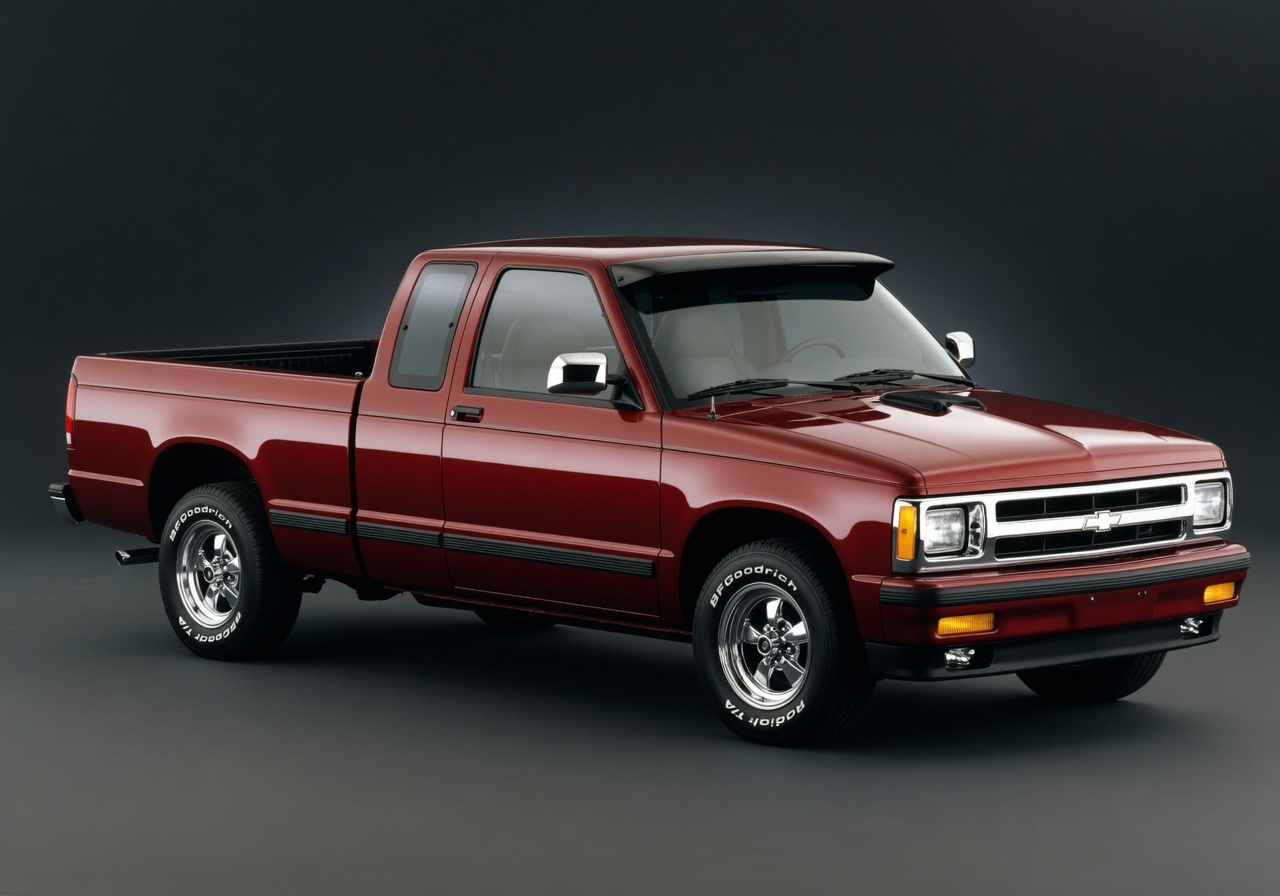
1993 Chevrolet S-10
1993 Chevrolet
S-10

GM's compact truck answer — slightly more cab-room options, widely available parts. The 2.2L four-cylinder is adequate but generally considered a step below the KA24E in long-term durability.

1993 Mazda
B2600i

Shared platform and mechanicals with the Ford Ranger, sold in smaller numbers. Comparable size and mission, but harder to find and parts can be more obscure.

No catalog match

If you're shopping for one

Red flags
  • Frame rust that penetrates through the rail — this truck is not worth buying regardless of price
  • Spongy or low brake pedal — indicates brake line or wheel cylinder failure; do not drive until inspected
  • Coolant that looks rusty, oily, or chocolate-milkshake colored (head gasket concern on high-mileage examples)
  • Engine that smokes heavily on startup — valve seals and rings wear on neglected examples
  • Any signs of accident repair or misaligned body panels — the frame is not easily straightened
  • No maintenance records on a 30-year-old truck with over 150k miles
What to inspect
  • Frame rails — crawl underneath and probe with a screwdriver; soft or flaking metal is a disqualifier in Wisconsin
  • Rocker panels, cab corners, and bed floor for rust-through
  • All brake lines from master cylinder to each wheel — look for corrosion, pinching, or weeping
  • Coolant hoses and radiator for cracks, softness, and seepage
  • Exhaust from manifold to tailpipe — full replacement is common on these trucks
  • 4WD engagement (if 4x4) — test both 4-Hi and 4-Lo engagement and listen for grinding in the front axle
  • Underside for any signs of prior frame repair, welding patches, or bondo
AI profile generated 4 days ago · claude-sonnet-4-6 · v2.