Frame and floor pan rust
high- Typically appears
- Any mileage — age/climate driven
- Estimated repair
- $500 – $4,000
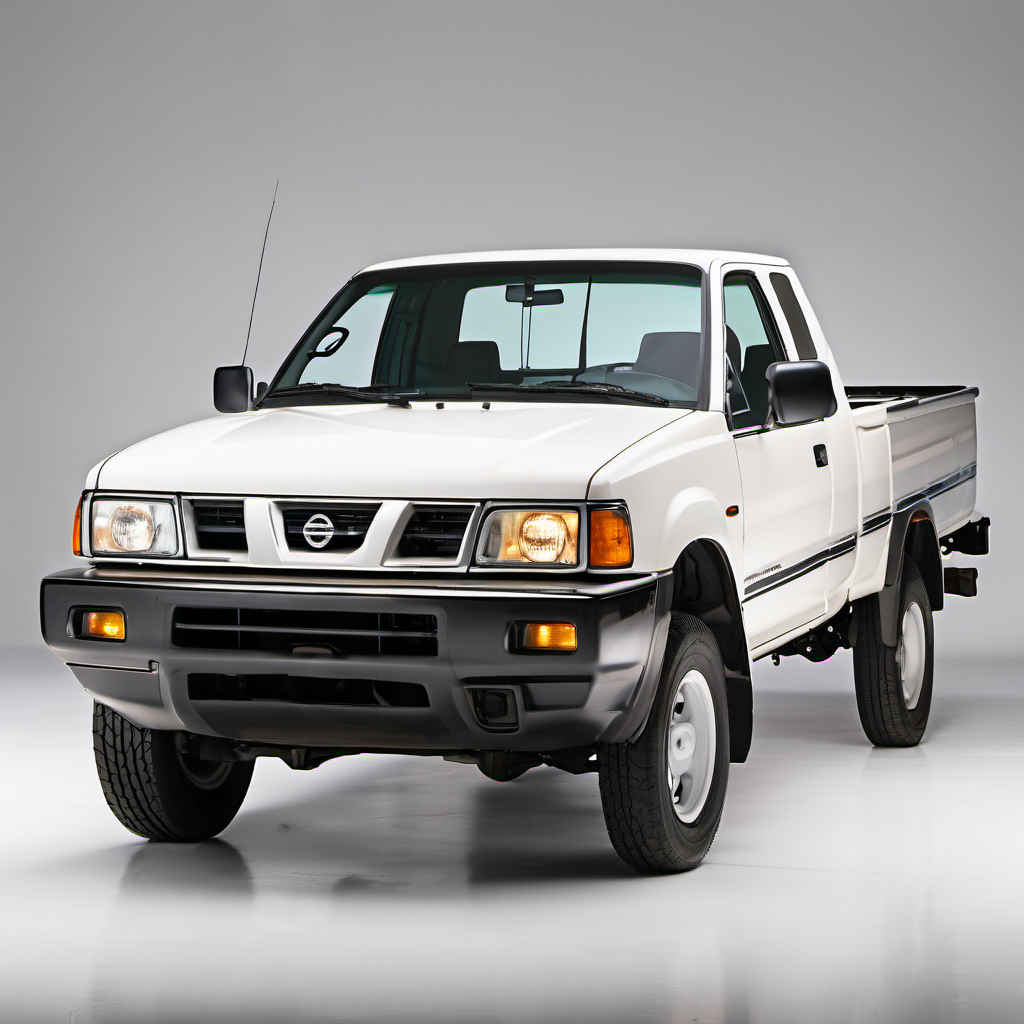
1993 Nissan
2.4L I4 KA24E · Pickup
The 1993 Nissan King Cab Pickup (sold in the U.S. as the Nissan Pickup or Hardbody) is a compact, body-on-frame truck built on Nissan's D21 platform. The King Cab designation refers to the extended-cab variant, adding a small rear jump-seat area behind the front seats — a practical touch for occasional extra passengers or gear storage. It was offered in 2WD and 4WD configurations with either a 2.4L four-cylinder or an available 3.0L V6. The D21 Hardbody earned a reputation for remarkable durability and mechanical simplicity. The drivetrain components are straightforward to service, parts are widely available and inexpensive, and the trucks regularly exceed 200,000 miles with basic maintenance. That said, by 1993 these trucks are now 30+ years old, and age-related issues — rust, dried rubber, worn suspension bushings — dominate the ownership experience far more than powertrain problems. In the Lake Geneva area, the big concern on any surviving example is rust. Wisconsin road salt is relentless, and the D21's frame, floor pans, cab corners, and bed are all known rust traps. A truck this age that has spent its life in the upper Midwest needs a thorough undercarriage inspection before purchase or continued ownership.
The 1993 Nissan King Cab Pickup (sold in the U.S. as the Nissan Pickup or Hardbody) is a compact, body-on-frame truck built on Nissan's D21 platform. The King Cab designation refers to the extended-cab variant, adding a small rear jump-seat area behind the front seats — a practical touch for occasional extra passengers or gear storage. It was offered in 2WD and 4WD configurations with either a 2.4L four-cylinder or an available 3.0L V6. The D21 Hardbody earned a reputation for remarkable durability and mechanical simplicity. The drivetrain components are straightforward to service, parts are widely available and inexpensive, and the trucks regularly exceed 200,000 miles with basic maintenance. That said, by 1993 these trucks are now 30+ years old, and age-related issues — rust, dried rubber, worn suspension bushings — dominate the ownership experience far more than powertrain problems. In the Lake Geneva area, the big concern on any surviving example is rust. Wisconsin road salt is relentless, and the D21's frame, floor pans, cab corners, and bed are all known rust traps. A truck this age that has spent its life in the upper Midwest needs a thorough undercarriage inspection before purchase or continued ownership.
The KA24E has no oil pressure issues when properly maintained, but aging seals and extended drain intervals accelerate sludge buildup. Shorter intervals extend engine life significantly at this age.
4WD front hubs and bearings are a weak point on worn high-mileage D21s. Loose bearings cause uneven tire wear and can progress to hub failure.
Wisconsin road salt attacks the frame rails, crossmembers, floor pans, and fuel/brake lines. Catching surface rust early and treating it prevents structural compromise.
Aging coolant loses corrosion inhibitors, leading to internal corrosion in the iron block and aluminum head. Critical on a 30-year-old engine.
The KA24E distributor o-ring is a known failure point. Oil seeping onto hot exhaust components is a fire risk, and it's a $10–$20 part that takes 30 minutes to replace.
The KA24E uses a timing chain (not belt), which is durable, but worn tensioners on high-mileage engines cause chain rattle on cold starts and can eventually cause timing issues.
Brake fluid absorbs moisture over time, lowering its boiling point and corroding wheel cylinders and calipers — especially important in a salt environment where brake hardware is already under attack.
30-year-old rubber fuel lines and vacuum hoses become brittle and crack. A leaking fuel line near a hot exhaust manifold is a serious fire hazard.
Always defer to the manufacturer's service manual for warranty-mandated intervals.
When rust-free, the D21 Hardbody is one of the cheapest trucks to own. Parts are plentiful and cheap. Labor is minimal because the engine and chassis are simple. The wildcard is rust remediation — if the frame or floor needs work, costs can spike significantly. Budget for a solid undercarriage inspection and rust treatment as an ongoing expense in Wisconsin.
The Toyota Pickup (pre-Tacoma) is the direct competitor — same compact body-on-frame segment, similar payload, similar durability reputation. Many consider it slightly more rust-resistant, though both suffer in Wisconsin winters.
No catalog matchThe Ranger is a closer match in price and availability than the Toyota. It offers more cab/bed options and wider dealer support, though it lacks the D21's reputation for extreme longevity.
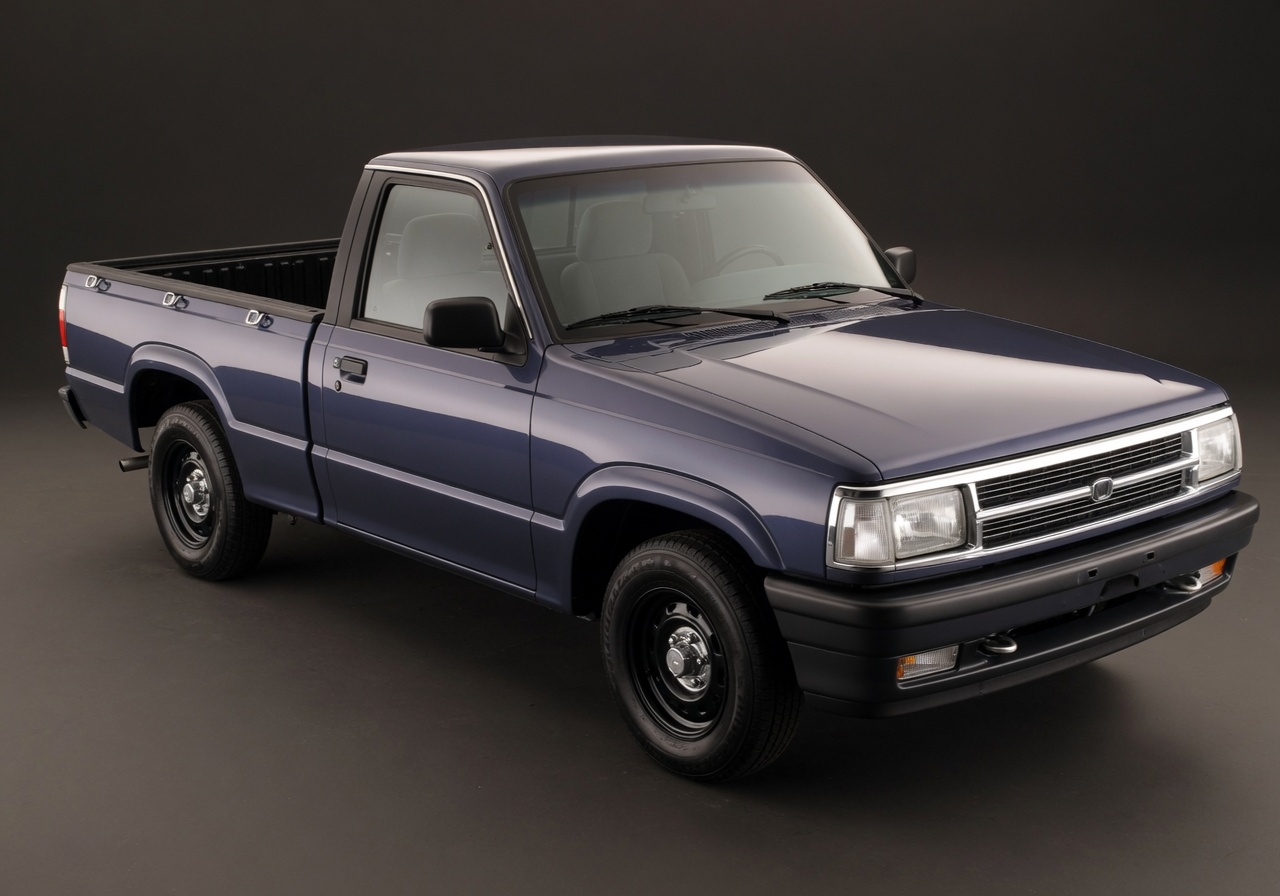
The Mazda B2300/B3000 is mechanically a rebadged Ranger and shares the same platform. Good parts availability, similar ownership cost, and a reasonable alternative for the same mission.
The Isuzu Pickup (also sold as the Amigo/Rodeo-based truck) competed directly with the D21 in the compact truck segment. More obscure today, which means parts can be harder to source, but mechanically comparable.
No catalog match