Rust — floor pans, rockers, and frame rail areas
high- Typically appears
- Any — age-driven, not mileage-driven
- Estimated repair
- $500 – $3,500
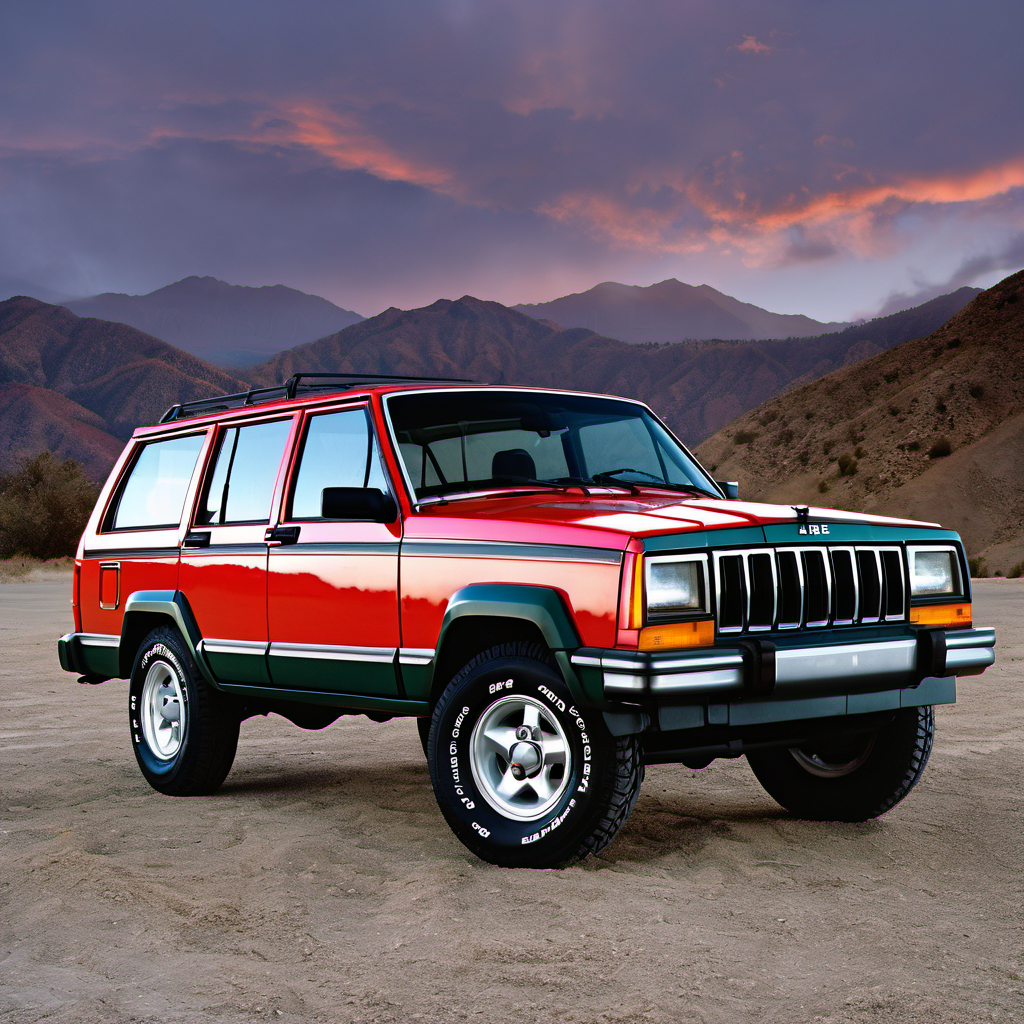
1993 Jeep
SUV
The 1993 Jeep Cherokee (XJ) is one of the most capable and enduring compact SUVs ever built. Produced from 1984 through 2001, the XJ generation earned a reputation for bulletproof off-road capability in a relatively lightweight, unibody package that was unusual for a 4x4 of its era. The 1993 model sits comfortably in the middle of the XJ's production run — past most early teething issues but well before the minor quality dips some attribute to later 1990s cost-cutting. The 4.0L inline-six is the engine most buyers seek out, but the 2.5L four-cylinder was a common base offering. Both engines share the same durable design philosophy. The Cherokee's simple, repairable architecture means a competent owner or independent shop can keep one running affordably for decades, and a healthy used market keeps parts available. For a 30-year-old vehicle, rust and deferred maintenance are the dominant concerns — not engineering weakness. A well-maintained XJ Cherokee with documented service history is a legitimate daily driver and a weekend trail rig in one package.
The 1993 Jeep Cherokee (XJ) is one of the most capable and enduring compact SUVs ever built. Produced from 1984 through 2001, the XJ generation earned a reputation for bulletproof off-road capability in a relatively lightweight, unibody package that was unusual for a 4x4 of its era. The 1993 model sits comfortably in the middle of the XJ's production run — past most early teething issues but well before the minor quality dips some attribute to later 1990s cost-cutting. The 4.0L inline-six is the engine most buyers seek out, but the 2.5L four-cylinder was a common base offering. Both engines share the same durable design philosophy. The Cherokee's simple, repairable architecture means a competent owner or independent shop can keep one running affordably for decades, and a healthy used market keeps parts available. For a 30-year-old vehicle, rust and deferred maintenance are the dominant concerns — not engineering weakness. A well-maintained XJ Cherokee with documented service history is a legitimate daily driver and a weekend trail rig in one package.
The 2.5L I4 runs hot under load and benefits from consistent oil changes. At this age, conventional oil is fine unless the engine is burning or leaking significantly — then a high-mileage formula can help.
30-year-old cooling systems are prone to internal corrosion, scale buildup, and hose degradation. Inspect the radiator, overflow tank, hoses, clamps, and water pump every flush cycle.
Fluid in these units is often overlooked. Old, contaminated gear oil accelerates wear. On a 4WD-equipped XJ, verify the transfer case shifts into all ranges cleanly.
Brake fluid absorbs moisture over time. On a 30-year-old vehicle, old fluid can accelerate internal caliper and wheel cylinder corrosion.
Wisconsin road salt is the XJ's top enemy. Treat exposed metal with rust inhibitor, inspect floor pans, rocker panels, and fuel/brake lines before every salt season.
The 1993 2.5L uses a distributor-based ignition. Worn ignition components cause hard starts, misfires, and poor fuel economy — all common complaints on high-mileage XJs.
Solid front axle U-joints wear out with age and off-road use. Worn U-joints can cause shimmy, vibration, and in severe cases driveline separation.
Cold Wisconsin winters are hard on batteries. A battery that starts fine at 40°F can fail at -10°F. Replace any battery over 4 years old before winter.
Always defer to the manufacturer's service manual for warranty-mandated intervals.
The XJ Cherokee is one of the more affordable older SUVs to own if you stay ahead of maintenance. Parts are plentiful and cheap. The real cost risk is deferred maintenance on a 30-year-old vehicle — catching rust, cooling system wear, and fuel system issues early keeps annual costs low. Letting problems stack up can turn a $3,000 truck into a $6,000 project fast.

Same compact SUV segment and era, similar price point on the used market, body-on-frame vs. XJ's unibody. More car-like comfort, less off-road purity.
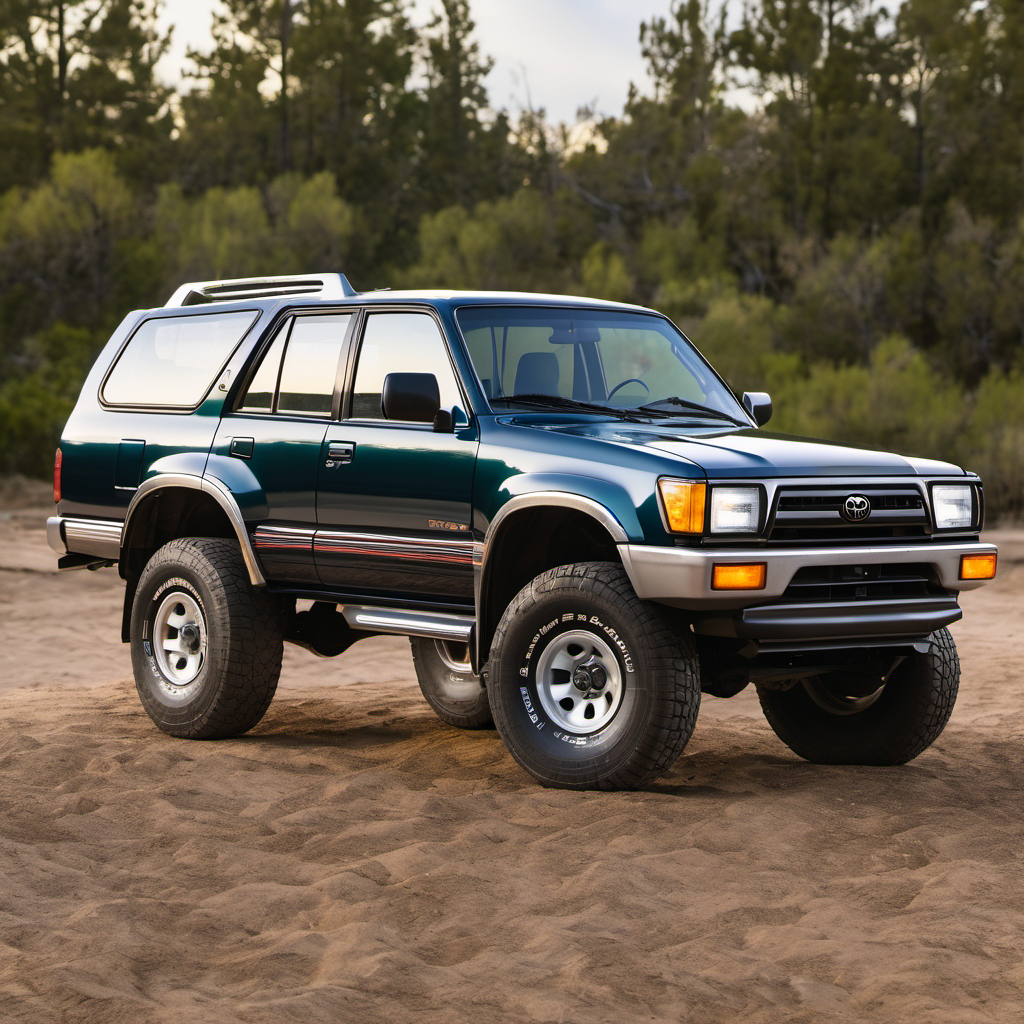
Direct compact 4WD SUV competitor. Generally considered more rust-resistant and slightly more reliable long-term, but parts cost more and it commands a higher used price.
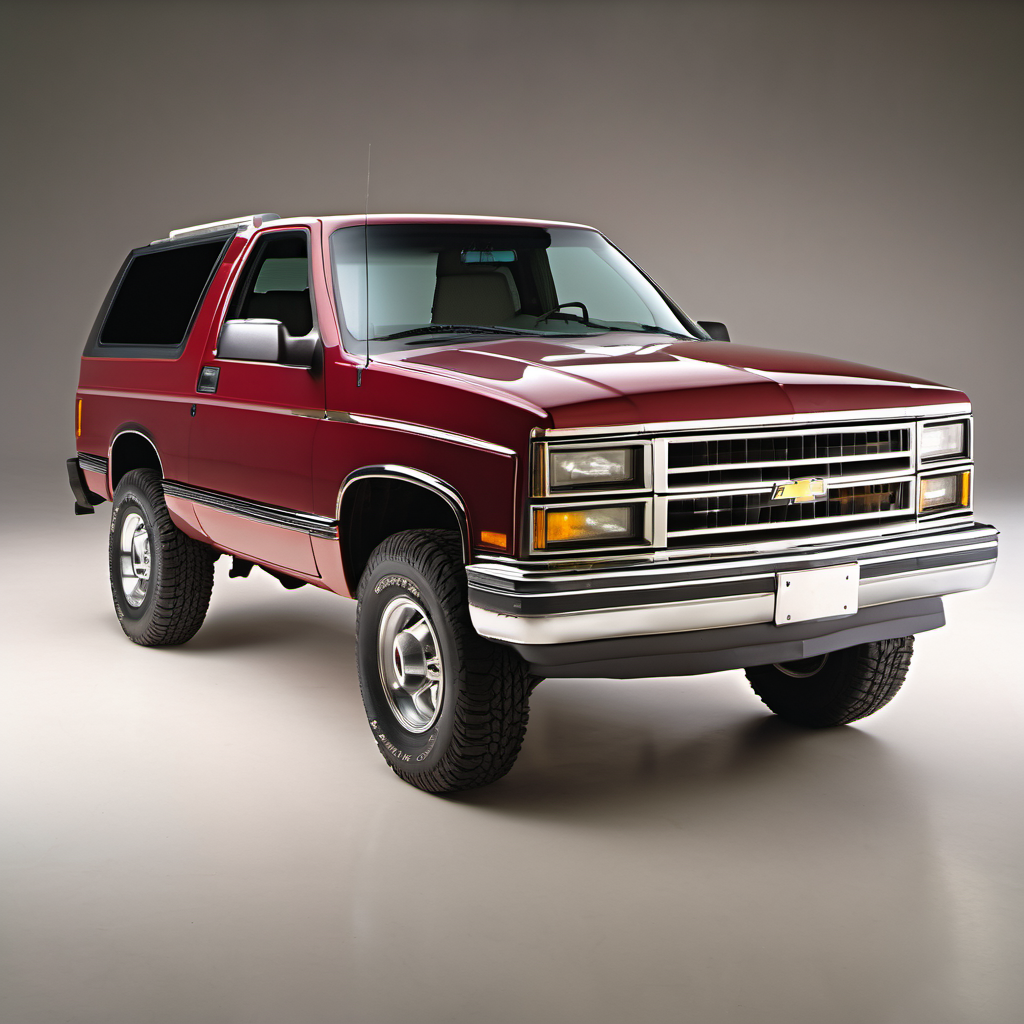
S-10 Blazer is a similar compact 4WD SUV from the same era. Comparable pricing used, but the 4.3L V6 is more powerful. Less off-road capable and harder to find rust-free in the Midwest.
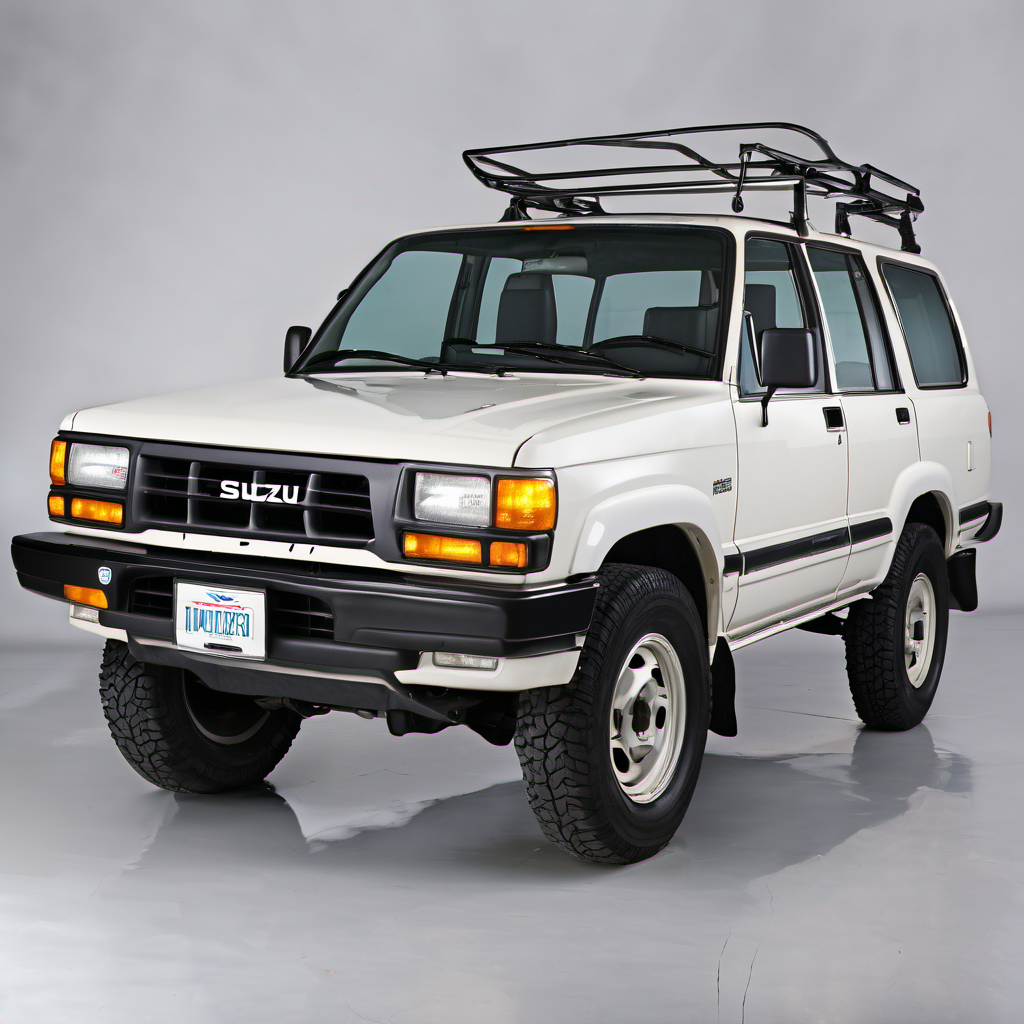
Body-on-frame compact SUV with solid 4WD and similar vintage. Parts availability is much lower than the XJ, making it a riskier long-term ownership proposition.