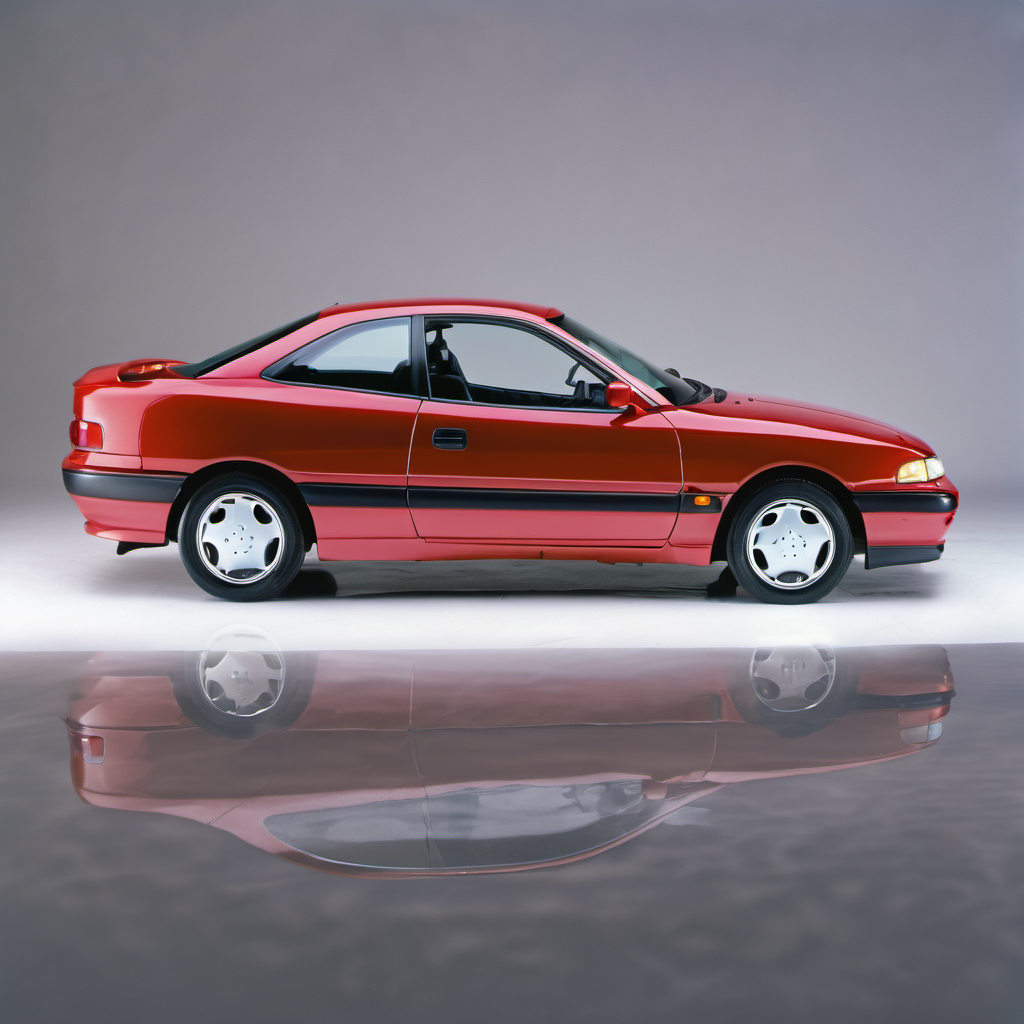
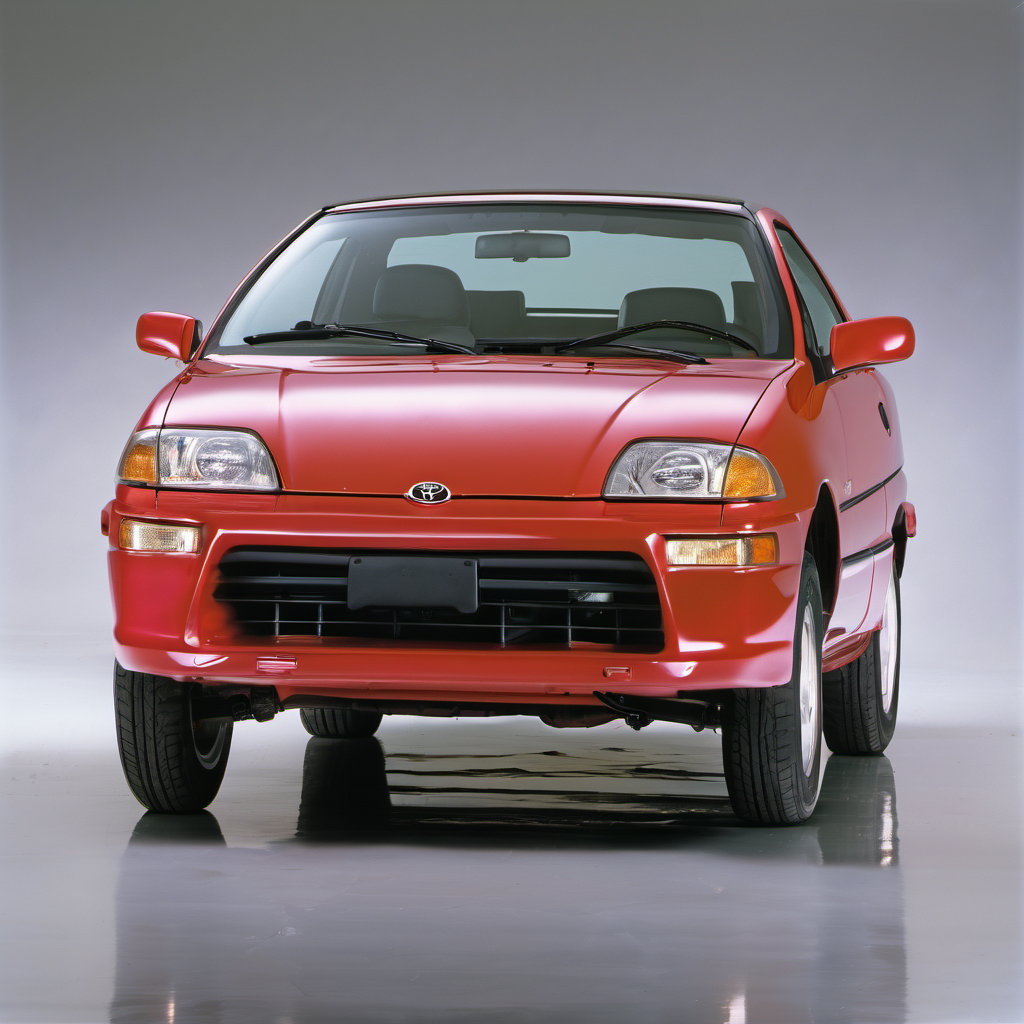
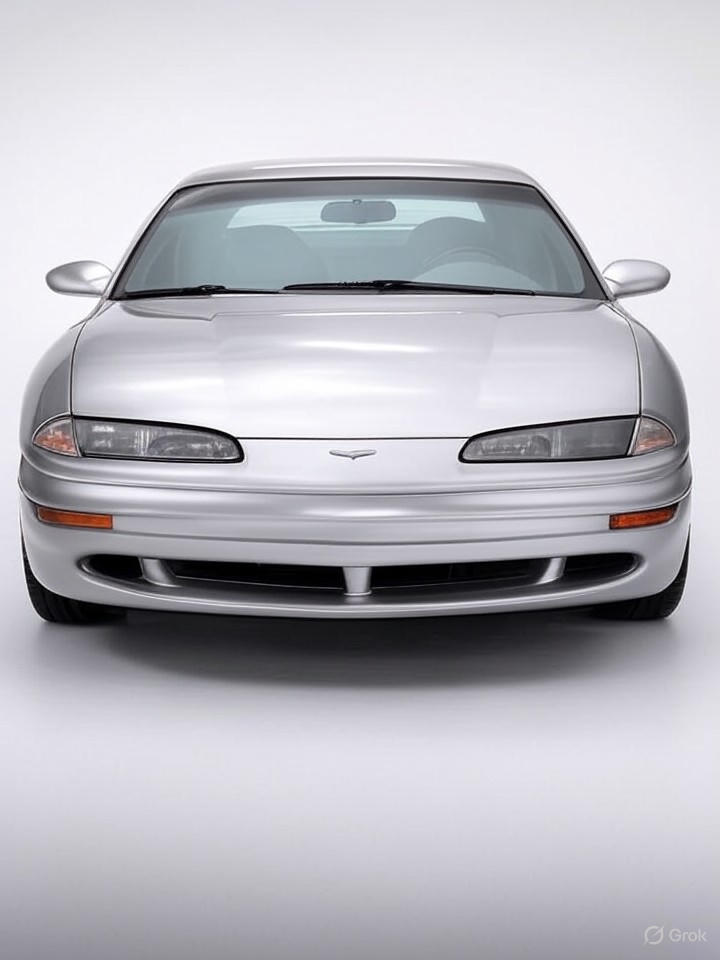
1993 Hyundai Scoupe Coupe

1993 Hyundai

ScoupeCoupe

Coupe

The 1993 Hyundai Scoupe is a compact front-wheel-drive sport coupe sold in the United States from 1991 through 1995. Built on the Excel platform, it was Hyundai's entry-level performance offering during an era when the brand was still establishing its reputation in the U.S. market. The Scoupe was sold in naturally aspirated and turbocharged trim levels; this example carries the turbocharged 1.5L four-cylinder, which was the more desirable configuration. For its price point, the Turbo Scoupe delivered legitimately spirited driving with around 115 hp — enough to make it fun in a straight line and through corners. However, build quality, rust resistance, and long-term durability were weak points common across Hyundai's early-'90s lineup. Parts availability has become a real challenge as these cars age, and the ownership community is small. At 30+ years old, any surviving Scoupe is a collector curiosity or enthusiast project more than a reliable daily driver. Expect to spend time sourcing parts, and inspect every example thoroughly before buying.

Reliability
2/5
Verified data
Specs shown for Scoupe — the most common configuration. Other trims may vary in engine, drivetrain, or fuel economy. Sign in to see your vehicle's exact specs.
Engine
[object Object]
Drivetrain
FWD
Fuel
Gasoline
MPG
23 city / 29 hwy / 25 combined
Seats
Doors
Body
Subcompact Cars

Overview

AI-curated

The 1993 Hyundai Scoupe is a compact front-wheel-drive sport coupe sold in the United States from 1991 through 1995. Built on the Excel platform, it was Hyundai's entry-level performance offering during an era when the brand was still establishing its reputation in the U.S. market. The Scoupe was sold in naturally aspirated and turbocharged trim levels; this example carries the turbocharged 1.5L four-cylinder, which was the more desirable configuration. For its price point, the Turbo Scoupe delivered legitimately spirited driving with around 115 hp — enough to make it fun in a straight line and through corners. However, build quality, rust resistance, and long-term durability were weak points common across Hyundai's early-'90s lineup. Parts availability has become a real challenge as these cars age, and the ownership community is small. At 30+ years old, any surviving Scoupe is a collector curiosity or enthusiast project more than a reliable daily driver. Expect to spend time sourcing parts, and inspect every example thoroughly before buying.

Known for
  • Turbocharged 1.5L engine offering surprising pep for the price
  • Lightweight, sporty coupe body with pop-up headlights
  • Early Hyundai build quality — functional but not durable
  • Rare today; small but dedicated enthusiast following
Best for
  • Vintage Hyundai enthusiasts and collectors
  • Budget sport coupe project builds
  • Drivers who enjoy maintaining and sourcing older imports
Watch for
  • Severe rust, especially in rocker panels, floor pans, and wheel wells — Wisconsin salt accelerates this dramatically
  • Parts scarcity: many OEM components are discontinued or hard to source
  • Turbo models have additional maintenance complexity for a 30-year-old engine
  • Early Hyundai electrical wiring that degrades with age
  • Timing belt failure risk on any high-mileage or poorly maintained example

Common issues by mileage

6 known

Timing belt failure

high
Typically appears
60–100k mi
Estimated repair
$300 – $600

Turbocharger oil feed line clogging or turbo wear

high
Typically appears
80k+ mi
Estimated repair
$400 – $1,200

Cooling system degradation (hoses, thermostat, water pump)

high
Typically appears
Any mileage at this age
Estimated repair
$200 – $600

Structural rust (rocker panels, floor pans, subframe)

high
Typically appears
All mileage — age-driven
Estimated repair
$500 – $3,000

Aging wiring harness — cracked insulation, intermittent faults

medium
Typically appears
All mileage at 30+ years
Estimated repair
$200 – $1,500

Maintenance schedule

  1. 1
    Every 60k mi or immediately if history unknown Timing belt and water pump replacement

    This is an interference engine — belt failure means bent valves and major engine damage. At this age, replace it regardless of mileage if records don't confirm it.

  2. 2
    Every oil change Turbocharger oil and feed line inspection

    The small turbo on this engine relies entirely on clean, flowing oil. Sludge in the feed line is a death sentence for the turbo. Use fresh full-synthetic 5W-30 and change it every 3,000–4,000 miles.

  3. 3
    Every 2 years or immediately on purchase Full coolant flush and hose inspection

    30-year-old rubber hoses and a neglected cooling system are a blown head gasket waiting to happen, especially with the heat a turbo generates.

  4. 4
    Every 2 years Brake fluid flush

    Brake fluid absorbs moisture over time, lowering its boiling point. On a car this age, the fluid has almost certainly never been changed.

  5. 5
    Every spring after winter Inspect and treat all undercarriage and rocker panels for rust

    Wisconsin road salt is brutal on early-'90s Hyundai body panels and unibody structure. Catch surface rust before it becomes structural.

  6. 6
    Every 2 years or if clicking heard on turns Inspect and replace drive axle CV boots

    Torn CV boots allow grease to escape and grit to enter. On an FWD car this age, failure is common and leads to expensive axle replacement.

  7. 7
    Every fall before winter Battery load test

    Sub-zero Wisconsin temperatures cut battery capacity significantly. A marginal battery that starts the car in October will likely leave you stranded in January.

  8. 8
    Every 60k mi or when CEL appears Check and replace oxygen sensor(s)

    Original O2 sensors on a 30-year-old car are well past service life. Failing sensors cause rich running, which is especially hard on the turbo.

Always defer to the manufacturer's service manual for warranty-mandated intervals.

Cost of ownership

Annual maintenance
$600 – $2,500
Fuel
Mid-grade (89 octane) recommended for the turbo variant; at ~25 MPG combined, expect $1,200–$1,800/year at typical Wisconsin pump prices depending on driving.
Insurance
Generally low — classic or collector car insurance may be the most economical option given the car's age and low market value.

Annual maintenance costs vary wildly depending on what's been deferred. A well-sorted example with fresh timing belt, cooling system, and turbo plumbing might cost only $600–$800/year in routine upkeep. An unknown-history car could easily require $2,000–$2,500 in the first year to bring it up to standard. Parts sourcing is the biggest wildcard — some items require hunting down used parts or aftermarket alternatives, which adds both cost and time.
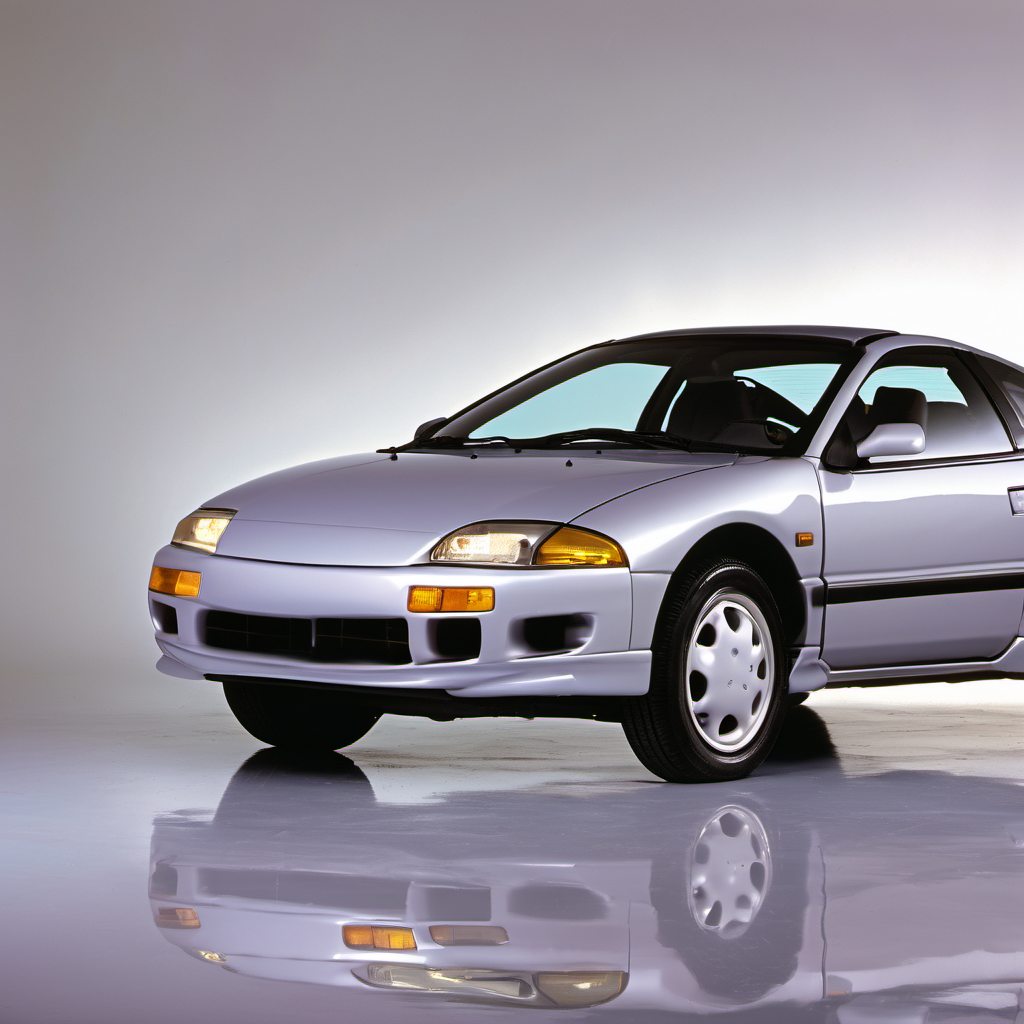
Seasonal care

Lake Geneva, WI
Winter
  • Load-test the battery every October — cold starts on a turbocharged engine demand more from the battery than a naturally aspirated car, and Wisconsin winters are punishing.
  • Switch to a full-synthetic 5W-30 oil before first freeze; this engine needs to throw oil to the turbo bearings immediately on cold start.
  • Use a winter-rated washer fluid rated to at least -30°F — the standard reservoir cap on early Hyundais can freeze if fluid freezes in the lines.
  • Flush brake fluid if it hasn't been done; moisture-laden fluid can cause spongy braking in extreme cold.
  • Rinse the undercarriage every 1–2 weeks during salting season; the rocker panels and floor pan on this generation Hyundai rust aggressively with salt exposure.
  • Check antifreeze concentration — ensure coolant is rated to at least -34°F. The plastic coolant reservoir on this era Hyundai can crack if coolant freezes.
Summer
  • Monitor coolant temperature closely — the turbo generates additional heat load, and a 30-year-old cooling system can struggle in prolonged summer heat.
  • Check tire pressure monthly; ambient temperature swings between Wisconsin spring and summer can cause 4–6 PSI fluctuation.
  • Inspect the intercooler (if equipped) and turbo charge pipes for cracks or loose couplers — heat cycling over decades degrades rubber boots.
  • Run the A/C system early in the season to verify compressor engagement and refrigerant charge; R-12 refrigerant is no longer available, confirm any prior conversion to R-134a was done correctly.
  • Inspect the radiator for bent fins and debris blockage — airflow matters more in stop-and-go summer traffic with a turbocharged engine.

Comparable vehicles

If you're shopping for one

Red flags
  • Any structural rust on floor pans or subframe — walk away, repair cost will exceed the car's value.
  • No timing belt service records and a reluctant or evasive seller.
  • Blue smoke from the exhaust under any driving condition — turbo is likely worn out.
  • Overheating history or any sign of prior head gasket repair (mismatched sealant, fresh gasket with old hardware).
  • Missing or heavily modified emissions equipment — may not pass Wisconsin inspection.
  • Significant modifications with no documentation — unknown tuning changes on a 30-year-old turbo engine are a liability.
What to inspect
  • Poke every inch of the rocker panels, floor pan, and inner wheel wells with a screwdriver — rust perforation is common and can make the car structurally unsafe or unrestorable.
  • Pull the timing belt cover if possible to check belt condition; if service records don't confirm a recent replacement, budget for it immediately.
  • Warm the engine fully and watch for turbo smoke (blueish exhaust) at idle and under light throttle — a sign of worn turbo seals.
  • Check the oil filler cap for mayonnaise-like residue, which would indicate a head gasket leak mixing coolant and oil.
  • Inspect all coolant hoses for brittleness, cracking, or soft spots — 30-year-old rubber on a turbocharged engine is high risk.
  • Start the car cold and listen for turbo whine, bearing noise, or compressor surge — turbo issues are expensive relative to this car's market value.
  • Test all electrical functions: windows, lights, gauges. Wiring harness degradation on this generation is common and can be expensive to trace.
AI profile generated 4 days ago · claude-sonnet-4-6 · v2.