Underbody and frame rust
high- Typically appears
- Any mileage on a salt-belt vehicle
- Estimated repair
- $500 – $5,000

1993 Dodge
3.9L V6 Magnum · Van/Minivan
The 1993 Dodge Ram Van B150 is the lightest-duty member of the third-generation Ram Van lineup (B-series), built on Chrysler's long-running full-size van platform that dates back to 1971. The B150 designation indicates a half-ton payload rating. These vans were workhorses — used as cargo haulers, passenger shuttles, conversion vans, and small-business utility vehicles. By 1993 the platform was mature and parts availability was excellent, though the design was aging relative to competitors. Under the hood, most B150s left the factory with Chrysler's 3.9L Magnum V6 or the 5.2L Magnum V8, both carbureted in early production but fully fuel-injected by the 1992 model year refresh. The 3-speed TorqueFlite automatic was the standard transmission. These are simple, robust drivetrains with a deep aftermarket support base. At 30 years old, any surviving B150 is well into the category of a working antique. Rust is the primary enemy — especially in the upper Midwest — and the biggest factor in whether one of these vans is worth buying or investing in. Mechanically they are straightforward, but deferred maintenance on a three-decade-old vehicle compounds quickly.
The 1993 Dodge Ram Van B150 is the lightest-duty member of the third-generation Ram Van lineup (B-series), built on Chrysler's long-running full-size van platform that dates back to 1971. The B150 designation indicates a half-ton payload rating. These vans were workhorses — used as cargo haulers, passenger shuttles, conversion vans, and small-business utility vehicles. By 1993 the platform was mature and parts availability was excellent, though the design was aging relative to competitors. Under the hood, most B150s left the factory with Chrysler's 3.9L Magnum V6 or the 5.2L Magnum V8, both carbureted in early production but fully fuel-injected by the 1992 model year refresh. The 3-speed TorqueFlite automatic was the standard transmission. These are simple, robust drivetrains with a deep aftermarket support base. At 30 years old, any surviving B150 is well into the category of a working antique. Rust is the primary enemy — especially in the upper Midwest — and the biggest factor in whether one of these vans is worth buying or investing in. Mechanically they are straightforward, but deferred maintenance on a three-decade-old vehicle compounds quickly.
Magnum V6/V8 engines thrive on regular conventional oil changes. At this age, stick with conventional or high-mileage conventional — full synthetic can aggravate existing seal seeps.
30-year-old hoses and clamps are on borrowed time. A blown hose in a Wisconsin winter is a breakdown and possible engine damage. Replace proactively.
The TorqueFlite is long-lived but fluid breakdown accelerates wear. Dark, burnt-smelling fluid means it's overdue. Use the correct Chrysler ATF+4 spec fluid.
Wisconsin road salt destroys floor pans, frame crossmembers, and brake lines. Catching rust early keeps repair costs manageable.
Steel brake and fuel lines on this era of Dodge van are notorious rust victims. A corroded brake line failure is catastrophic. Have them visually inspected every other year.
Cold-cranking a large V6 or V8 at -10°F demands a strong battery. At 30+ years old the alternator and wiring connections should be verified before winter sets in.
The front suspension on B-series vans wears quickly, especially under load. Worn front-end parts cause tire wear and unsafe handling on icy roads.
Aged rubber vacuum lines crack and cause rough idle, lean misfires, and hard starts. On a 30-year-old engine this is routine preventive work, not optional.
Always defer to the manufacturer's service manual for warranty-mandated intervals.
This van can be operated cheaply if it's rust-free and mechanically sound — parts are inexpensive and the engines are simple. The danger is deferred maintenance catching up all at once. Budget for one or two larger repairs per year on top of routine service. A surprise brake line or fuel pump job can run $500–$1,000 at an independent shop.

Direct competitor in the half-ton full-size van segment. Similar mission, similar age-related concerns, arguably better rust protection on the body but same salt-belt vulnerabilities underneath.
GM's half-ton full-size van from the same era. Different drivetrain (SBC V8 or 4.3L V6) but same segment, same use cases, and same age-related maintenance demands.
No catalog match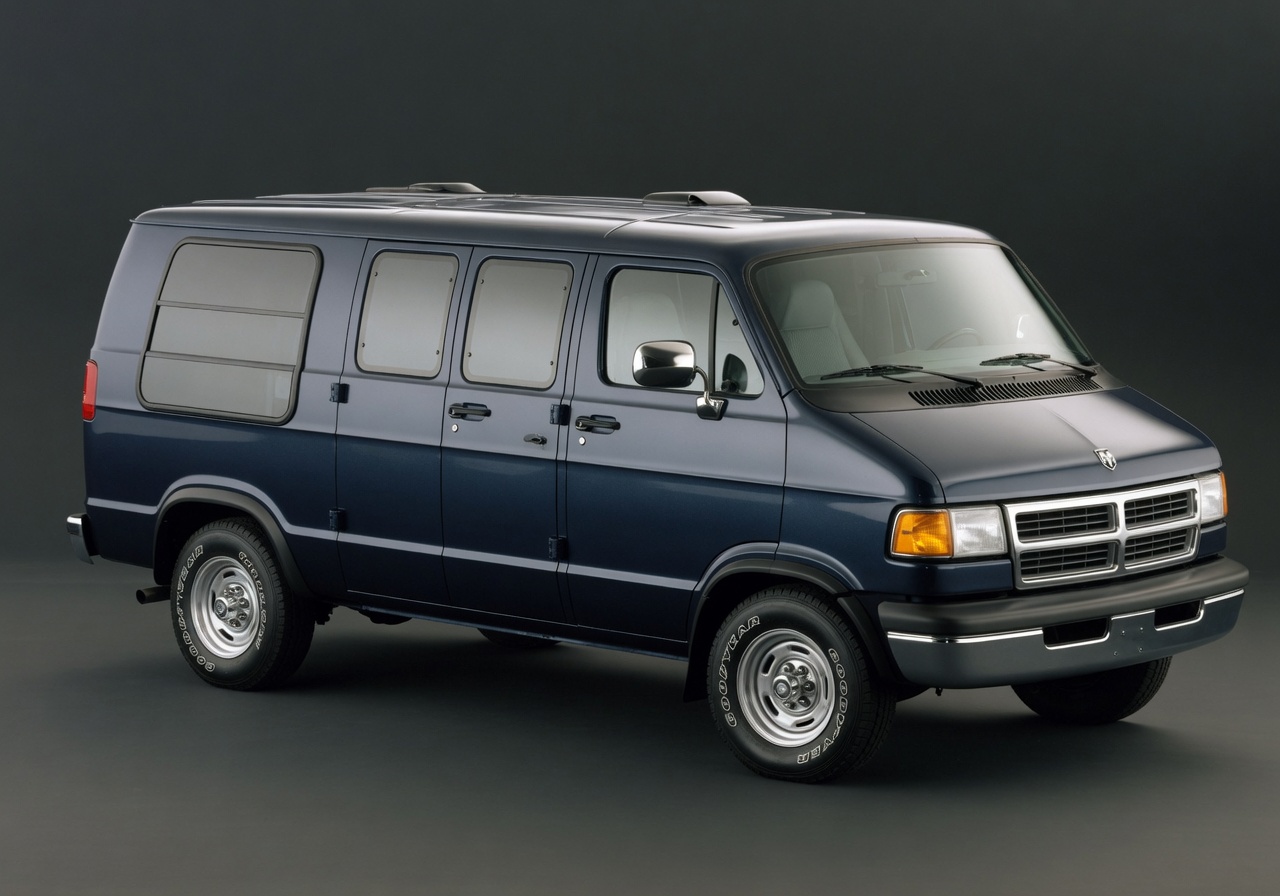
The three-quarter-ton sibling. Shares nearly all mechanical components but carries more payload. Worth considering if the B150's GVWR is marginal for your use.

Ford's three-quarter-ton equivalent; if payload or towing is a priority and you want an alternative to the B-series platform with similar parts availability.