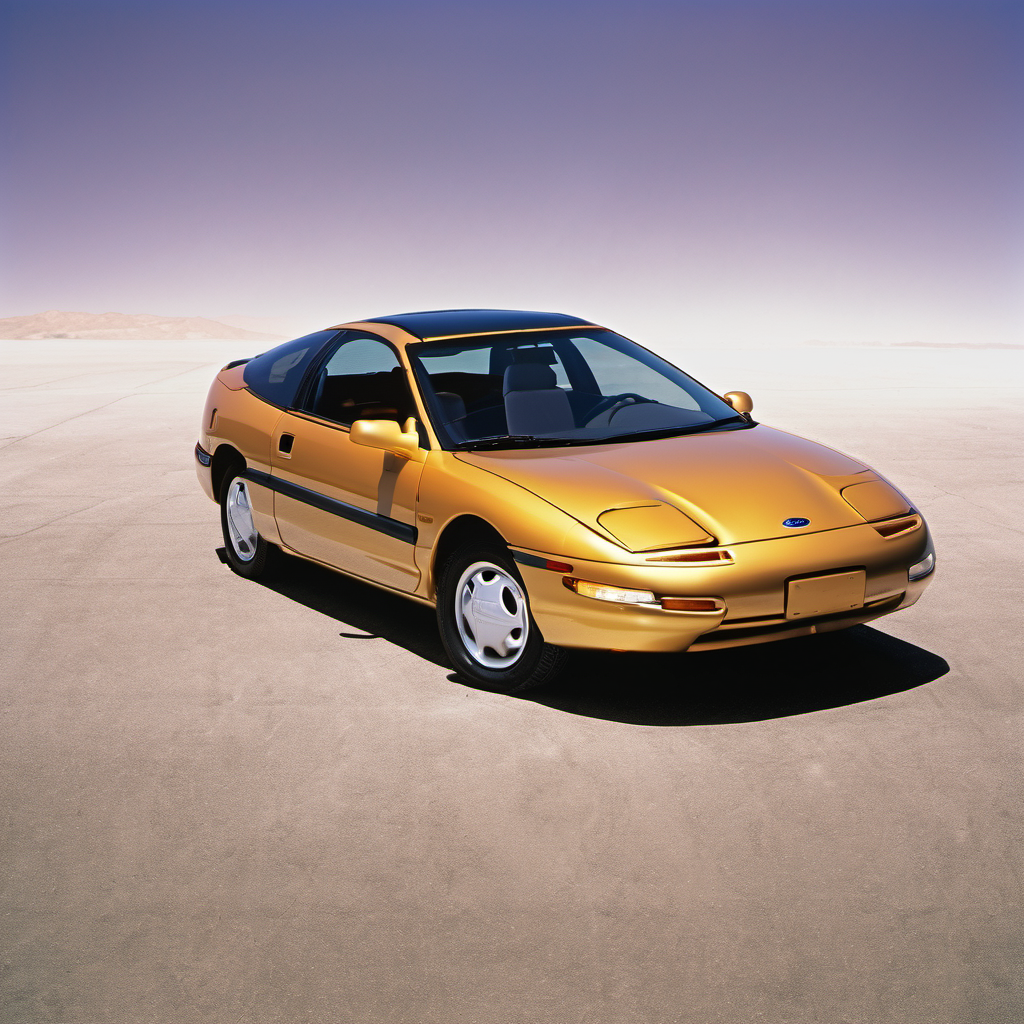
1993 Chrysler LeBaron Coupe

1993 Chrysler

LeBaronCoupe

Coupe

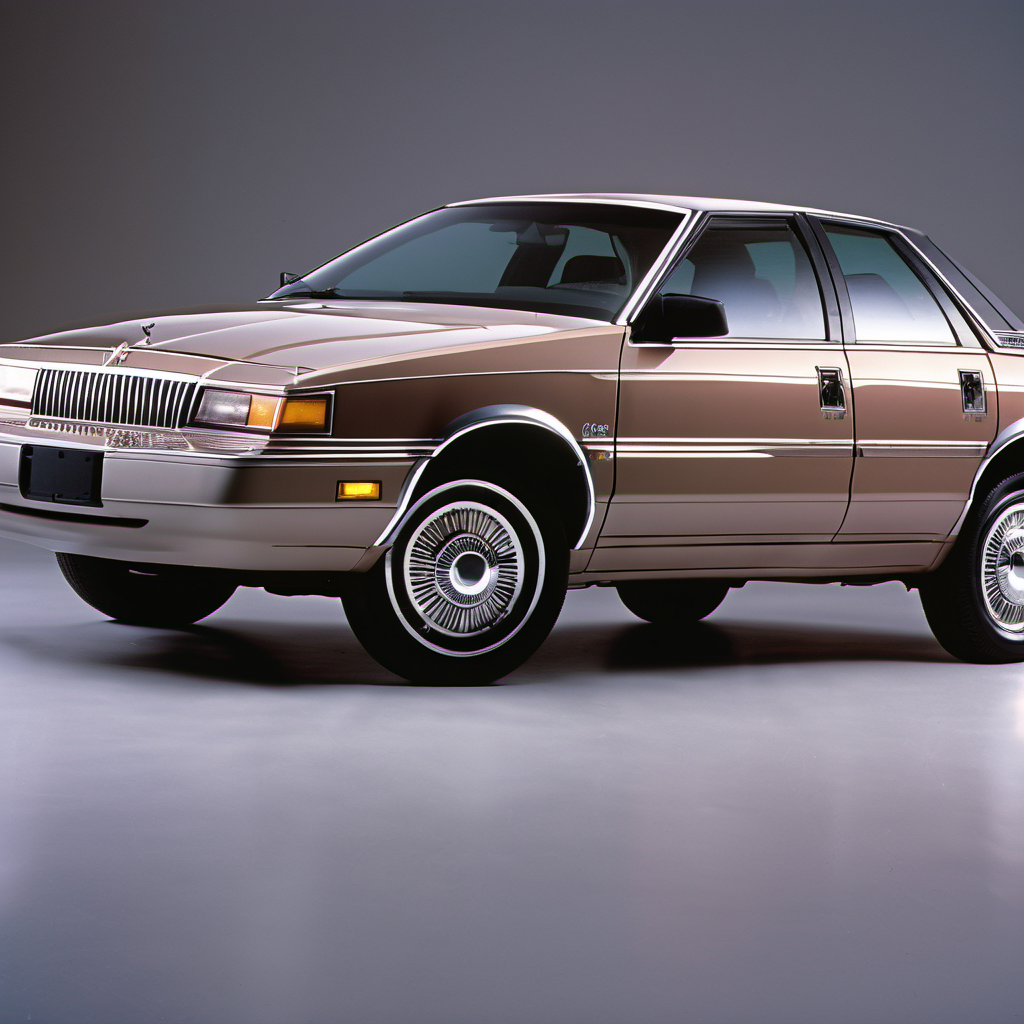
The 1993 Chrysler LeBaron Coupe is a front-wheel-drive personal luxury coupe from Chrysler's twilight era of that nameplate. Built on the K-car-derived G-body platform, it was sold alongside the more convertible-focused LeBaron ragtop and aimed at buyers wanting affordable American style. By 1993 it was in its final model year before being discontinued, replaced by the Chrysler Sebring. Powered by a 2.5L four-cylinder with throttle-body fuel injection, the LeBaron Coupe is not a performance machine — it's a comfortable, relatively light cruiser. The 3-speed automatic was the standard pairing, though a 5-speed manual was available. These are now 30-year-old cars, and survivorship is the real story: the ones still running have typically been maintained by dedicated owners. As a daily driver in 2024, the LeBaron Coupe is strictly an enthusiast or second-car proposition. Parts availability is declining, and finding a clean, rust-free example in the upper Midwest is genuinely difficult. Budget for rust remediation and aged rubber components on any used purchase.

Reliability
2/5
Verified data
Specs shown for LeBaron Convertible — the most common configuration. Other trims may vary in engine, drivetrain, or fuel economy. Sign in to see your vehicle's exact specs.
Engine
[object Object]
Drivetrain
FWD
Fuel
Gasoline
MPG
18 city / 24 hwy / 21 combined
Seats
Doors
Body
Subcompact Cars

Overview

AI-curated

The 1993 Chrysler LeBaron Coupe is a front-wheel-drive personal luxury coupe from Chrysler's twilight era of that nameplate. Built on the K-car-derived G-body platform, it was sold alongside the more convertible-focused LeBaron ragtop and aimed at buyers wanting affordable American style. By 1993 it was in its final model year before being discontinued, replaced by the Chrysler Sebring. Powered by a 2.5L four-cylinder with throttle-body fuel injection, the LeBaron Coupe is not a performance machine — it's a comfortable, relatively light cruiser. The 3-speed automatic was the standard pairing, though a 5-speed manual was available. These are now 30-year-old cars, and survivorship is the real story: the ones still running have typically been maintained by dedicated owners. As a daily driver in 2024, the LeBaron Coupe is strictly an enthusiast or second-car proposition. Parts availability is declining, and finding a clean, rust-free example in the upper Midwest is genuinely difficult. Budget for rust remediation and aged rubber components on any used purchase.

Known for
  • Affordable American personal-luxury styling
  • K-car platform durability when well maintained
  • Simple throttle-body fuel injection that's easy to diagnose
  • Comfortable, softly sprung ride
Best for
  • Collectors and classic-car enthusiasts
  • Low-mileage weekend drivers
  • Owners who wrench their own vehicles
Watch for
  • Severe rust on unibody, rockers, and floor pans — especially in Wisconsin salt country
  • Aged rubber: coolant hoses, belts, and seals are all 30+ years old
  • Declining parts supply for trim pieces and soft-goods
  • Weak automatic transmission (3-speed TorqueFlite) on high-mileage examples

Common issues by mileage

6 known

Rust — unibody, rockers, and floor pans

high
Typically appears
all mileages
Estimated repair
$800 – $4,000

Cooling system failures — hoses, thermostat, radiator

high
Typically appears
all mileages
Estimated repair
$150 – $600

3-speed automatic transmission slipping or harsh shifts

medium
Typically appears
80k–150k mi
Estimated repair
$600 – $2,000

Throttle body / fuel injector deposits causing rough idle

medium
Typically appears
60k–120k mi
Estimated repair
$80 – $250

Aged wiring insulation causing intermittent electrical faults

medium
Typically appears
all mileages
Estimated repair
$100 – $800

Suspension bushings and tie rod ends worn out

high
Typically appears
75k+ mi
Estimated repair
$200 – $700

Maintenance schedule

  1. 1
    Immediately on acquisition, then every 2 years Full cooling system inspection and flush

    30-year-old hoses, clamps, and coolant are a ticking clock. A blown hose will strand you and can cook the engine.

  2. 2
    Immediately if history is unknown Replace all drive belts and serpentine belt

    Rubber degrades with age regardless of mileage. A cracked belt failure leaves you stranded.

  3. 3
    Every 30k mi or immediately if fluid is dark/burnt-smelling Automatic transmission fluid change

    The 3-speed TorqueFlite is robust but suffers from neglected fluid. Fresh ATF is cheap insurance.

  4. 4
    Every 30k mi Throttle body cleaning

    TBI systems accumulate carbon deposits that cause rough idle and hesitation. Simple cleaning restores response.

  5. 5
    Every spring after winter Full undercarriage rust inspection

    Wisconsin road salt attacks unibody seams, rocker panels, and floor pans. Catch rust early before it becomes structural.

  6. 6
    Every 30k mi Spark plugs and distributor cap/rotor

    The 2.5L TBI is sensitive to ignition condition. Fresh plugs and a good cap prevent misfires and hard starts.

  7. 7
    Every 2 years or if vague steering/clunking present Inspect and replace suspension bushings and tie rod ends

    Original rubber is 30+ years old. Worn bushings cause unsafe handling and accelerate tire wear.

  8. 8
    Every fall before winter Battery load test

    Sub-zero Wisconsin starts demand a fully healthy battery. A marginal battery that starts fine in October will fail in January.

Always defer to the manufacturer's service manual for warranty-mandated intervals.

Cost of ownership

Annual maintenance
$400 – $1,200
Fuel
At 21 MPG combined and ~12,000 miles/year, expect roughly $1,400–$1,700/year in fuel at current prices.
Insurance
Insurance is typically low — under $600–$800/year for liability/comprehensive on a 30-year-old vehicle at stated/agreed value. Verify with your insurer for classic or collector coverage.

If the car is already rust-free and mechanically sorted, annual upkeep is modest — basic consumables and fluids. The risk is deferred maintenance catching up: a single transmission rebuild or major rust repair can easily exceed the car's market value. Budget a contingency fund for age-related failures, not just scheduled maintenance.
Seasonal care

Lake Geneva, WI
Winter
  • Load-test the battery every October — cold cranking a 30-year-old TBI engine in sub-zero temps demands a strong battery.
  • Switch to 5W-30 or the manufacturer-specified winter-weight oil to ensure proper cold-start lubrication.
  • Flush washer fluid reservoir and top off with -20°F or colder rated fluid — Wisconsin winters will crack a full reservoir of summer fluid.
  • Inspect wiper blades and replace with winter-rated blades; the aged wiper linkage can struggle with iced-up blades.
  • Rinse the undercarriage weekly during salt season — this car's unibody is 30 years old and has zero tolerance for additional salt accumulation.
  • Keep the fuel tank at least half full to reduce condensation in the fuel system and add weight over the front drive wheels.
Summer
  • Check tire pressure monthly — summer heat raises pressure and the original-size tires on this light coupe are sensitive to overinflation.
  • Inspect the A/C system for refrigerant leaks; the system uses R-12 (or a retrofit to R-134a) and recharge options are limited — address any cold-air issues before peak heat.
  • Check coolant level and hose condition before any long drive — heat soak on a 30-year-old cooling system can push a marginal hose over the edge.
  • Inspect the rubber weatherstripping around doors and windows; dried-out seals let water intrude and accelerate interior rust.

Comparable vehicles

If you're shopping for one

Red flags
  • Any soft spots or flaking paint on rocker panels or door bottoms — structural rust at this age is a deal-breaker.
  • Coolant in the oil or white exhaust smoke — head gasket failure on a 30-year-old engine is rarely worth the repair cost versus vehicle value.
  • Transmission slipping, flaring between gears, or refusal to engage — rebuilds often exceed the car's market value.
  • Missing or non-functional A/C on an R-12 system with no documented retrofit — recharging original R-12 is expensive and increasingly difficult.
  • No maintenance records whatsoever on a 30-year-old vehicle — assume all fluids, belts, and hoses are overdue.
What to inspect
  • Poke every rocker panel, floor pan seam, and unibody rail with a screwdriver — rust perforation is common and can be hidden under undercoating or carpeting.
  • Run the engine to full operating temperature and watch for coolant leaks at all hose connections and the radiator seams.
  • Check automatic transmission for smooth upshifts and no slipping; dark or burnt-smelling fluid is a red flag.
  • Inspect all vacuum lines — cracked or missing lines cause rough idle and driveability issues on the 2.5L TBI.
  • Look for evidence of electrical tape, wire splices, or aftermarket wiring hacks — signs of previous electrical gremlins.
  • Verify the A/C system type (R-12 or R-134a retrofit) and whether it actually blows cold.
AI profile generated 4 days ago · claude-sonnet-4-6 · v2.