Frame and floor pan rust
high- Typically appears
- Any mileage — age-driven
- Estimated repair
- $500 – $4,000
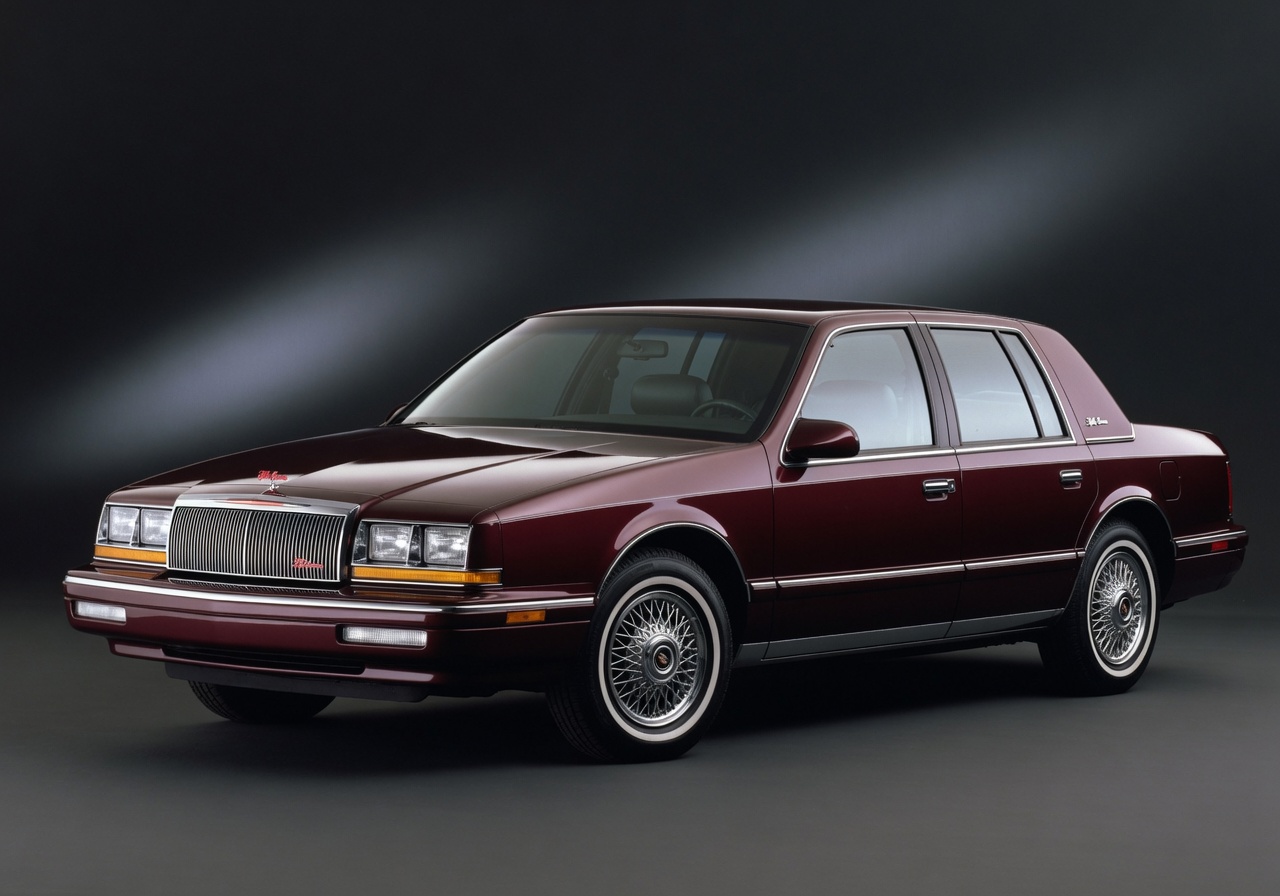
1993 Chrysler
5.2L V8 · Sedan
The 1993 Chrysler Fifth Avenue is a full-size, rear-wheel-drive American luxury sedan built on Chrysler's long-running M-body platform — a platform that traces its roots back to the 1970s. By 1993, it was one of the last true body-on-frame American luxury cars still in production, making it a throwback to a simpler era of automotive engineering. It was discontinued after the 1993 model year, replaced by the front-wheel-drive LH-platform New Yorker. Under the hood sits Chrysler's proven 5.2L V8 (318 cu in), mated to a 3-speed automatic. The combination delivers relaxed, unhurried highway cruising with a soft ride tuned for comfort over handling. Parts availability is generally good given the engine's long production run, and most repairs are straightforward for any shop familiar with American iron. At 30 years old, every surviving example is a high-mileage or low-use vehicle. Rust, aged rubber, and deferred maintenance are the real story on these cars now — not powertrain complexity. If the body and frame are solid, the mechanicals are relatively simple to keep going.
The 1993 Chrysler Fifth Avenue is a full-size, rear-wheel-drive American luxury sedan built on Chrysler's long-running M-body platform — a platform that traces its roots back to the 1970s. By 1993, it was one of the last true body-on-frame American luxury cars still in production, making it a throwback to a simpler era of automotive engineering. It was discontinued after the 1993 model year, replaced by the front-wheel-drive LH-platform New Yorker. Under the hood sits Chrysler's proven 5.2L V8 (318 cu in), mated to a 3-speed automatic. The combination delivers relaxed, unhurried highway cruising with a soft ride tuned for comfort over handling. Parts availability is generally good given the engine's long production run, and most repairs are straightforward for any shop familiar with American iron. At 30 years old, every surviving example is a high-mileage or low-use vehicle. Rust, aged rubber, and deferred maintenance are the real story on these cars now — not powertrain complexity. If the body and frame are solid, the mechanicals are relatively simple to keep going.
This engine predates extended-drain oil recommendations. Conventional oil at shorter intervals is appropriate, especially for low-use vehicles where moisture accumulates in the crankcase.
At 30 years old, rubber hoses are at serious risk of sudden failure. Green coolant (ethylene glycol) should be fully flushed — don't just top off. Inspect for soft spots, cracks, and swelling.
The TorqueFlite automatic is tough, but 30-year-old fluid that has never been changed can cause valve body wear and harsh shifts. A drain-and-fill with fresh Dexron fluid plus a new filter is cheap insurance.
Age destroys rubber regardless of mileage. Failed motor mounts cause driveline vibration; cracked weatherstripping lets Wisconsin water into the body and accelerates rust.
Brake fluid absorbs moisture over time. In a 30-year-old vehicle it is almost certainly saturated, which lowers boiling point and corrodes wheel cylinders and calipers from the inside.
Steel fuel lines and rubber flex sections are prone to rust and cracking at this age. A fuel leak under the car is a fire and safety hazard — do not defer this inspection.
Cold cranking a V8 in sub-zero Lake Geneva winters demands a strong battery. A battery that passes a voltage test in summer can still fail a load test and leave you stranded in January.
Wisconsin road salt is the number-one threat to the long-term survival of this car. Regular undercarriage rinsing and any available undercoating significantly extends body and frame life.
Always defer to the manufacturer's service manual for warranty-mandated intervals.
Day-to-day ownership costs are modest as long as the car is already in solid shape. The real financial risk is deferred maintenance catching up all at once — cooling, suspension, and electrical repairs can stack up quickly on a car this age. Budget for one or two 'catch-up' services in the first year of ownership if you haven't seen full service records.
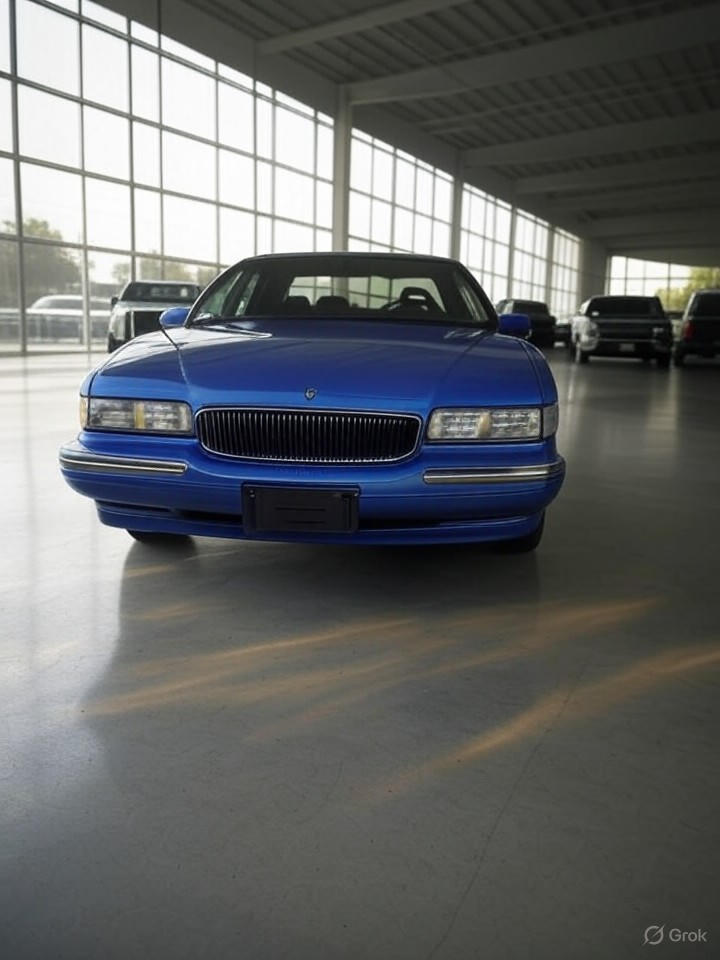
Same era full-size American luxury sedan, similar V6/V8 powertrain simplicity, comparable ride quality and interior space, and overlapping buyer demographic.
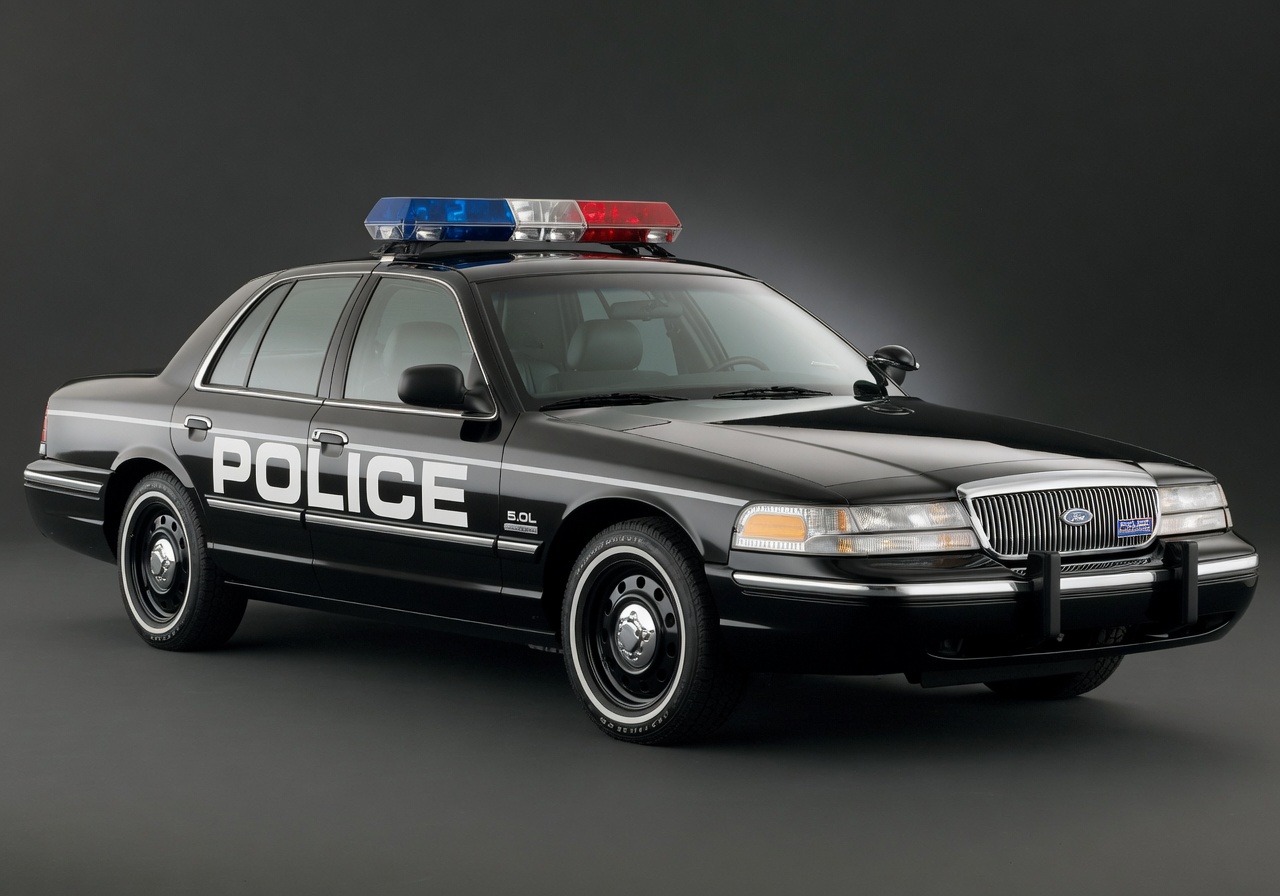
Also a body-on-frame RWD full-size sedan with a pushrod V8 from the same era. Parts are arguably even more available given police/fleet production volumes.
Sister car to the Crown Victoria, same platform and mission, very similar ownership experience and parts availability.
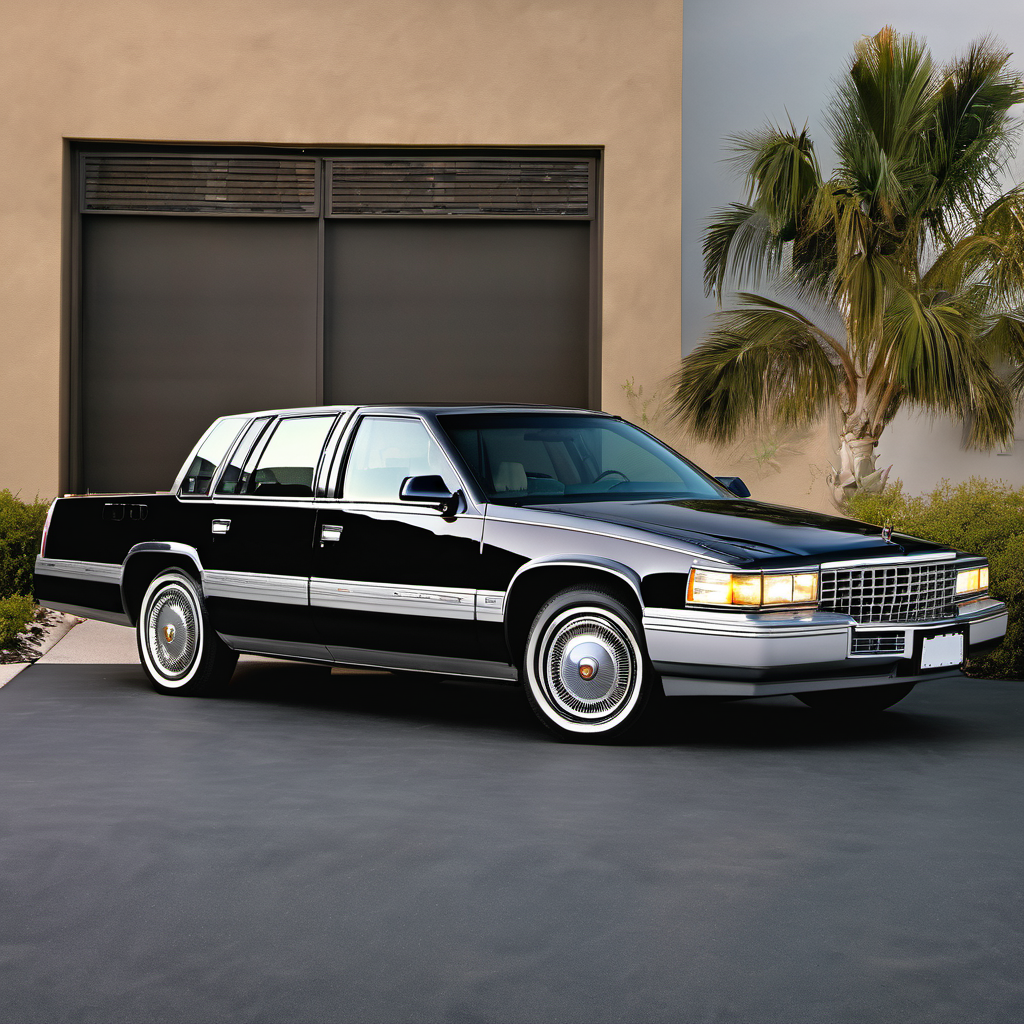
Direct luxury competitor from the same model year — similar buyer profile, though the FWD DeVille introduces more mechanical complexity than the Fifth Avenue's simpler RWD layout.