Central Port Injection (Spider Injector) Failure
high- Typically appears
- 80–150k mi
- Estimated repair
- $400 – $850
1993 Chevrolet
Van/Minivan
The 1993 Chevrolet Astro Cargo Van is a rear-wheel-drive (or available AWD) full-size van built on a truck-based platform, sharing its bones with the GMC Safari. Unlike front-wheel-drive minivans of the era, the Astro was engineered for hauling — it offered a higher payload capacity, a robust 4.3L Vortec V6, and a boxy, purpose-built cargo bay. It was a workhorse favorite for small businesses, tradespeople, and fleet operators throughout the 1990s. The 4.3L V6 (code L35) in the 1993 Astro uses Central Port Fuel Injection (CPFI), sometimes called 'spider injection,' which was Chevy's transitional system between throttle body and true MPFI. This engine family is generally tough and long-lived, but the injection system requires attention as mileage climbs. The 4L60 four-speed automatic transmission pairs well with the engine for everyday hauling duties. By 2024, most surviving Astro Cargo vans are well into their second or third life. Parts availability is reasonable thanks to shared components with the S-10 and full-size truck lines, and a loyal DIY following keeps repair knowledge accessible. That said, at 30+ years old, rust, worn suspension, and aging fuel system components are the rule, not the exception — especially on a Wisconsin vehicle.
The 1993 Chevrolet Astro Cargo Van is a rear-wheel-drive (or available AWD) full-size van built on a truck-based platform, sharing its bones with the GMC Safari. Unlike front-wheel-drive minivans of the era, the Astro was engineered for hauling — it offered a higher payload capacity, a robust 4.3L Vortec V6, and a boxy, purpose-built cargo bay. It was a workhorse favorite for small businesses, tradespeople, and fleet operators throughout the 1990s. The 4.3L V6 (code L35) in the 1993 Astro uses Central Port Fuel Injection (CPFI), sometimes called 'spider injection,' which was Chevy's transitional system between throttle body and true MPFI. This engine family is generally tough and long-lived, but the injection system requires attention as mileage climbs. The 4L60 four-speed automatic transmission pairs well with the engine for everyday hauling duties. By 2024, most surviving Astro Cargo vans are well into their second or third life. Parts availability is reasonable thanks to shared components with the S-10 and full-size truck lines, and a loyal DIY following keeps repair knowledge accessible. That said, at 30+ years old, rust, worn suspension, and aging fuel system components are the rule, not the exception — especially on a Wisconsin vehicle.
The 4.3L CPFI engine has tight tolerances around the injector poppets; clean oil reduces varnish buildup that accelerates spider injector failure.
Dex-Cool or green antifreeze breakdown accelerates intake gasket deterioration. Catching early seepage prevents a full overheating event.
Aging fuel tanks on 30-year-old vehicles shed debris. A clean filter protects the spider injector assembly, which is expensive to replace.
The 4L60 responds well to regular fluid changes; neglected fluid is the leading cause of slipping and solenoid failure in this unit.
Wisconsin road salt is the primary cause of structural rust on these vans. Catching surface rust early with rustproofing compound prevents costly frame damage.
Torn CV boots allow grease to escape and water/grit to enter, destroying the joint quickly. AWD transfer case fluid is often never changed and degrades.
Worn plugs on the 4.3L can cause misfires that are misdiagnosed as injection problems. Original wires on a 30-year-old van should already be replaced.
Sub-zero Wisconsin winters demand a strong battery. Corroded terminals on a vehicle this age are common and will cause hard-start or no-start conditions.
Always defer to the manufacturer's service manual for warranty-mandated intervals.
Day-to-day costs are low if the van is mechanically sound. The real financial risk is deferred maintenance — a neglected spider injector, ignored intake gasket leak, or unchecked rust can turn a $2,000 van into a $4,000 repair bill overnight. Budget for a thorough inspection and refresh when purchasing used. Annual costs stay manageable for owners who stay ahead of maintenance.
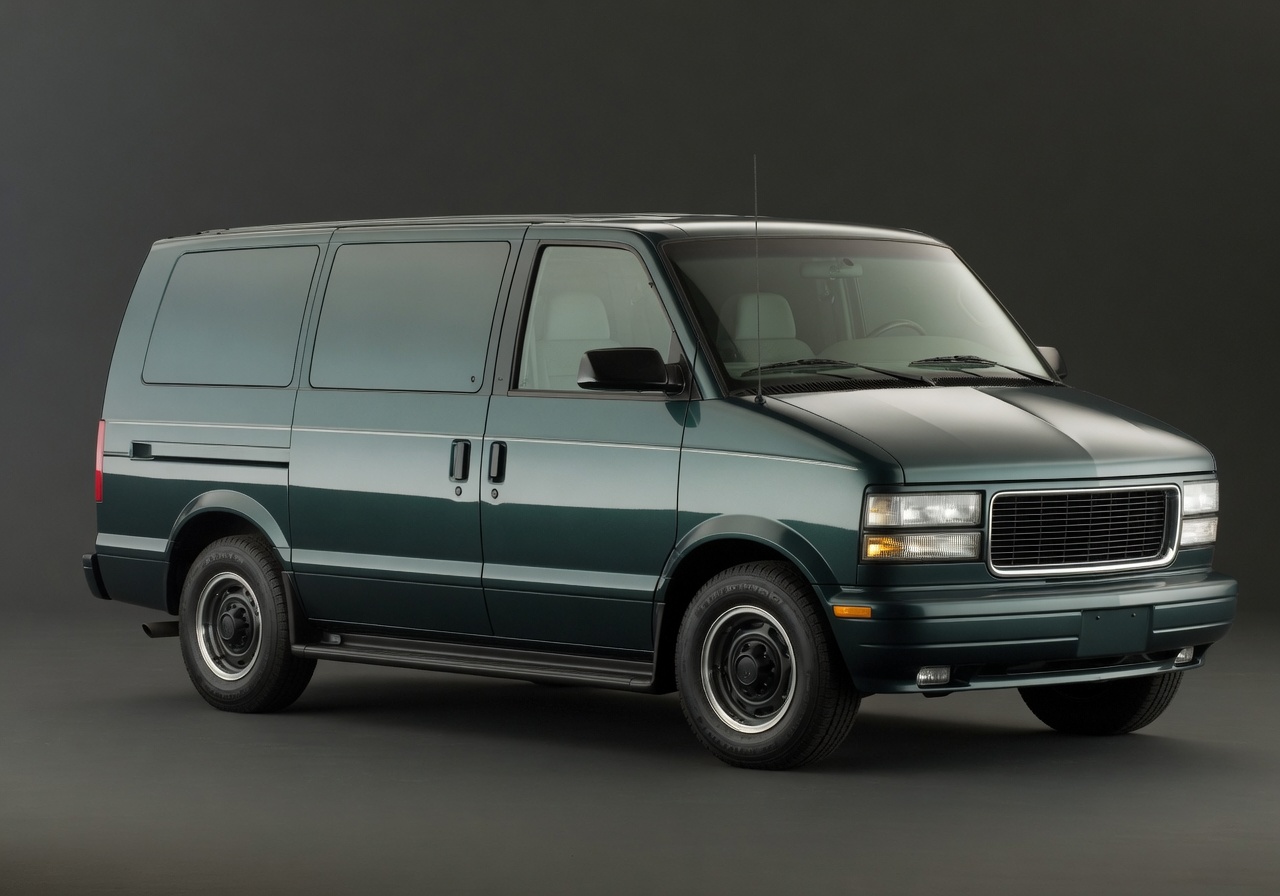
Essentially the same van with different badges — identical platform, engine, and drivetrain. Parts are fully interchangeable.

Full-size cargo van alternative with a larger cargo volume, similar work mission, and comparable ownership costs. More common in fleet use.
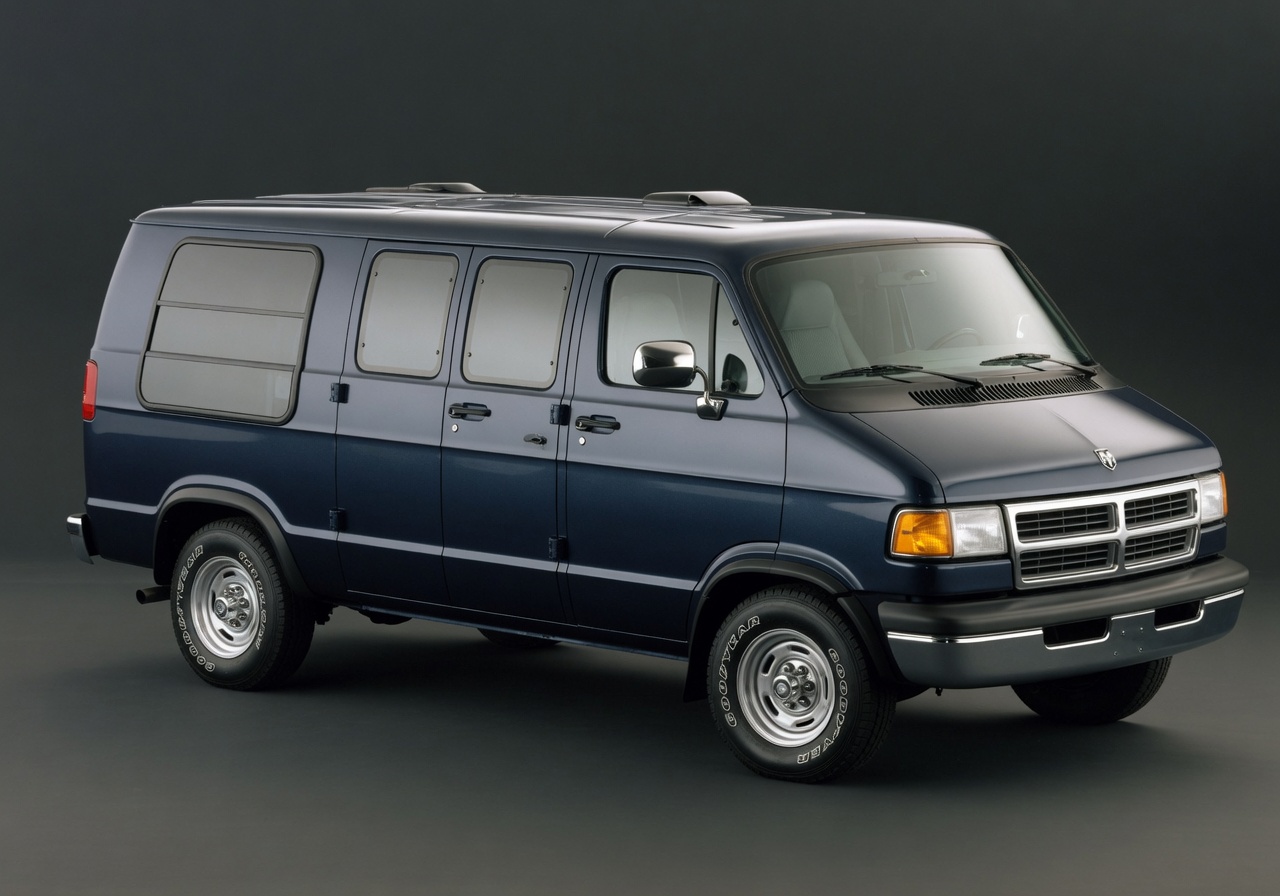
Direct competitor in the cargo van segment with similar V8 power options and comparable payload. Good parts availability.
Chevy's own full-size cargo van offers more interior volume and towing capacity if the Astro's mid-size footprint feels limiting.
No catalog match