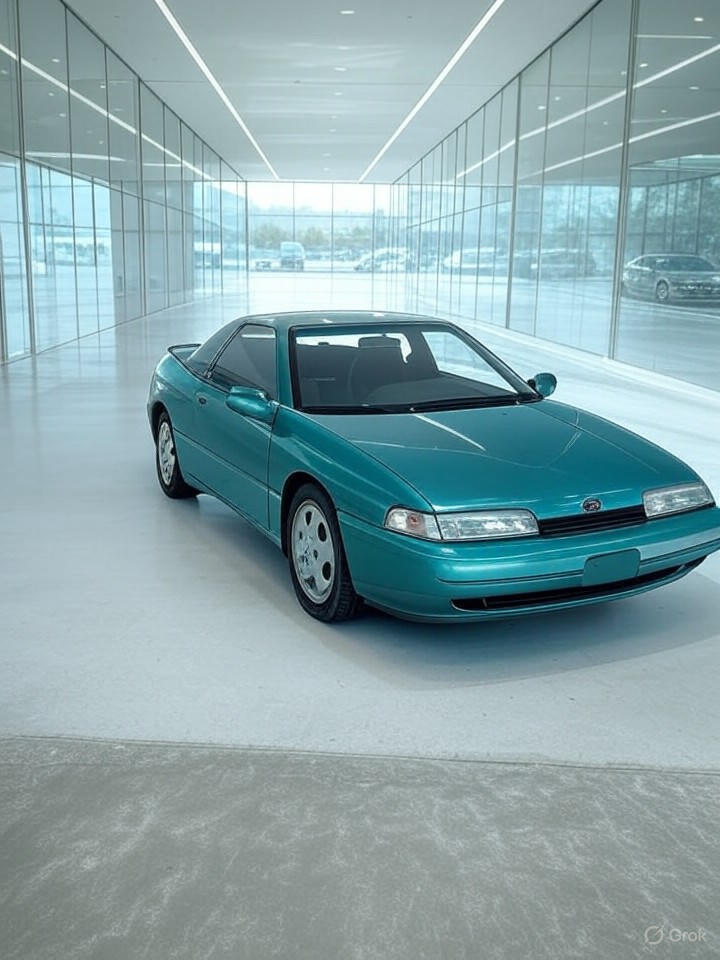
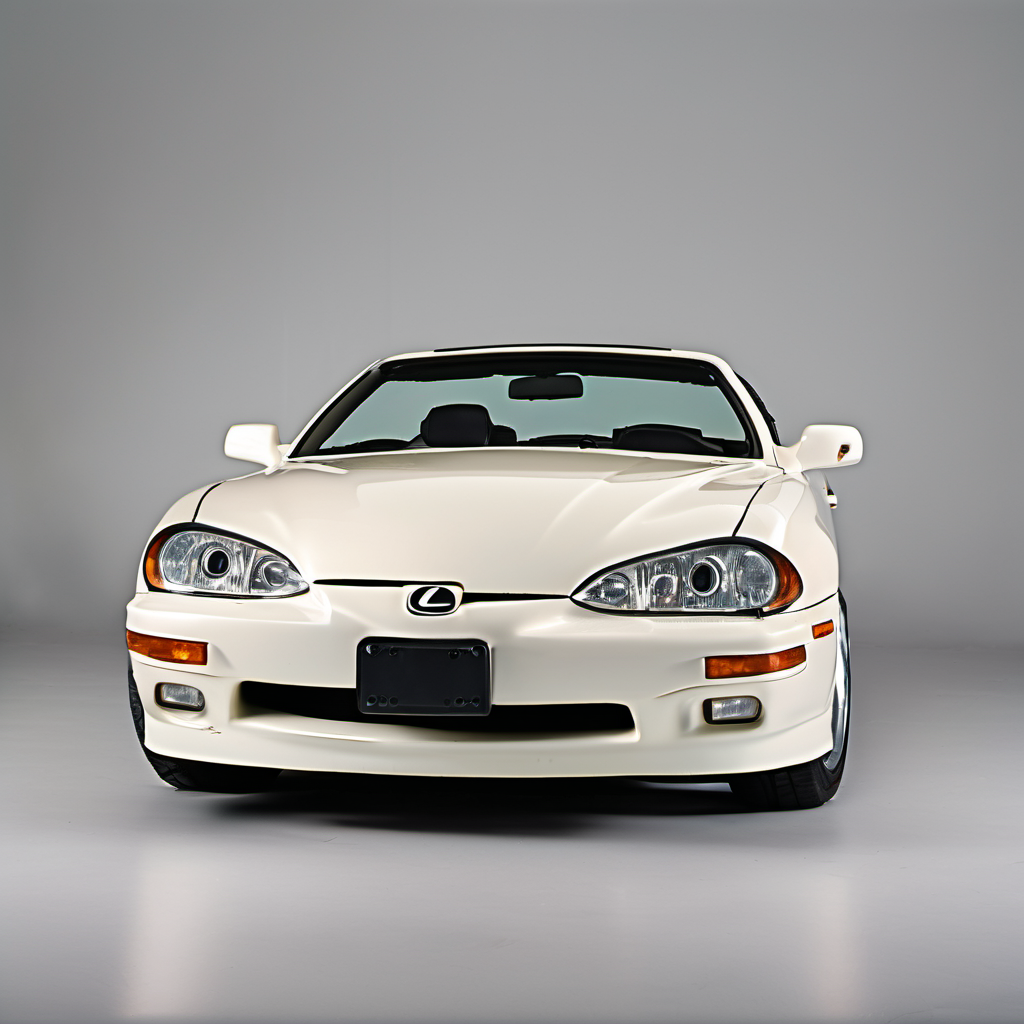
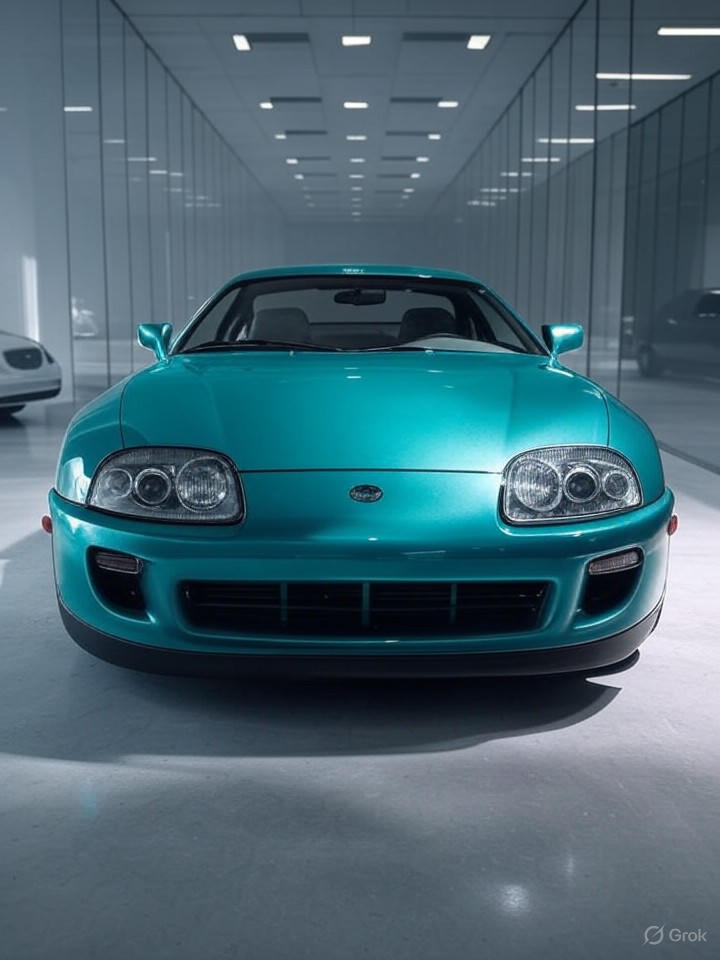
1992 Subaru SVX Coupe

1992 Subaru

SVXCoupe

Coupe

The 1992 Subaru SVX is a low-volume, flagship grand touring coupe that Subaru produced from 1992 to 1997. Designed by Giorgetto Giugiaro of Italdesign, it was Subaru's most ambitious car of the era — featuring a 3.3L flat-six engine, full-time AWD, and a distinctive 'window-within-a-window' greenhouse design. Only about 24,000 were sold in the U.S. over its entire run, making it a genuine collector curiosity today. The SVX was technologically advanced for its time but suffered from a troubled 4-speed automatic transmission that was never offered with a manual option. Parts availability has always been tight — when new, and especially now. Owning one today means joining a small but passionate community and accepting that routine repairs can become treasure hunts for components. For a Lake Geneva driver, the AWD system is a genuine asset in Wisconsin winters, but the car's age, complexity, and parts scarcity demand a disciplined maintenance approach. This is a hobby car or a second vehicle, not a daily driver you can run hard and ignore.

Reliability
2/5
Verified data
Specs shown for SVX — the most common configuration. Other trims may vary in engine, drivetrain, or fuel economy. Sign in to see your vehicle's exact specs.
Engine
[object Object]
Drivetrain
AWD
Fuel
Premium gasoline
MPG
15 city / 23 hwy / 18 combined
Seats
Doors
Body
Subcompact Cars

Overview

AI-curated

The 1992 Subaru SVX is a low-volume, flagship grand touring coupe that Subaru produced from 1992 to 1997. Designed by Giorgetto Giugiaro of Italdesign, it was Subaru's most ambitious car of the era — featuring a 3.3L flat-six engine, full-time AWD, and a distinctive 'window-within-a-window' greenhouse design. Only about 24,000 were sold in the U.S. over its entire run, making it a genuine collector curiosity today. The SVX was technologically advanced for its time but suffered from a troubled 4-speed automatic transmission that was never offered with a manual option. Parts availability has always been tight — when new, and especially now. Owning one today means joining a small but passionate community and accepting that routine repairs can become treasure hunts for components. For a Lake Geneva driver, the AWD system is a genuine asset in Wisconsin winters, but the car's age, complexity, and parts scarcity demand a disciplined maintenance approach. This is a hobby car or a second vehicle, not a daily driver you can run hard and ignore.

Known for
  • Striking Giugiaro-designed 'window-within-a-window' body
  • Smooth, torquey 3.3L EG33 flat-six engine
  • Full-time AWD standard on all trims
  • Notoriously problematic 4-speed automatic transmission
  • Extremely low production numbers — a genuine rarity
Best for
  • Enthusiasts who enjoy Japanese collector cars
  • Weekend/fair-weather GT cruisers
  • Drivers who want AWD traction in a coupe format
  • Mechanically inclined owners comfortable with specialty sourcing
Watch for
  • The 4-speed automatic transmission is the single biggest reliability liability
  • Parts scarcity — many components are NLA (no longer available) from Subaru
  • Rust on 30+ year-old examples, especially in Wisconsin salt environments
  • ECU and electrical gremlins from aging 1990s electronics
  • High labor costs due to the engine's tight packaging

Common issues by mileage

6 known

Automatic Transmission Failure (4EAT-G)

high
Typically appears
80k–150k mi
Estimated repair
$1,800 – $4,500

Oxygen Sensor / Heater Circuit Failure

high
Typically appears
60k–120k mi
Estimated repair
$150 – $450

ECU Failure or Capacitor Degradation

medium
Typically appears
Any mileage on 30+ year-old units
Estimated repair
$400 – $1,200

Coolant Leaks (Head Gasket / Radiator Hoses)

medium
Typically appears
80k–160k mi
Estimated repair
$600 – $1,800

Power Window Regulator / Motor Failure (Inner Window Mechanism)

high
Typically appears
Any — age-related
Estimated repair
$200 – $700

Differential and AWD Transfer Clutch Wear

medium
Typically appears
100k–180k mi
Estimated repair
$500 – $2,000

Maintenance schedule

  1. 1
    Every 30,000 miles — do not skip Transmission fluid change (automatic)

    The 4EAT-G transmission is the SVX's most vulnerable component. Fresh fluid is the cheapest insurance you can buy. Many failures are traced to neglected ATF.

  2. 2
    Every 3 years or 45,000 miles Engine coolant flush

    The EG33 runs warm and degraded coolant accelerates hose, gasket, and radiator wear. Use the correct Subaru-compatible coolant type.

  3. 3
    Every 60,000 miles or 5 years Timing belt and water pump replacement

    The EG33 is an interference engine — a broken timing belt causes catastrophic valve and piston damage. This is non-negotiable.

  4. 4
    Every 60,000 miles or at first check-engine light Oxygen sensor inspection and replacement

    Aging sensors cause rich-running conditions, poor fuel economy, and can eventually damage the catalytic converter.

  5. 5
    Every 30,000 miles Spark plugs and ignition wires

    The flat-six has tight engine bay packaging — labor time is significant, so use quality plugs and don't defer this service.

  6. 6
    Annually Inspect and lubricate door and window mechanisms

    The unique window-within-a-window system has multiple tracks and regulators that dry out and bind. Annual lubrication prevents costly regulator failures.

  7. 7
    Every spring (after Wisconsin salt season) Underbody and rocker panel rust inspection

    At 30+ years old, any uncoated steel is at serious rust risk from Wisconsin road salt. Catch it early with an annual undercarriage inspection.

  8. 8
    Every fall before winter Battery load test

    Cold-start demands on the EG33 are high. A marginal battery will fail in sub-zero temps, and the SVX's aging electrical system puts extra strain on the charging circuit.

Always defer to the manufacturer's service manual for warranty-mandated intervals.

Cost of ownership

Annual maintenance
$800 – $2,500
Fuel
Premium fuel required. At 18 MPG combined and ~12,000 miles/year, expect roughly $2,000–$2,600/year at current Wisconsin pump prices for premium.
Insurance
Insurance costs vary widely by driver profile, but collector or agreed-value policies from specialty insurers can offer better rates than standard auto policies for a low-mileage vehicle like this.

The SVX's day-to-day maintenance costs are moderate when nothing is wrong, but the transmission, timing belt, and parts sourcing can produce large, unpredictable repair bills. Budget a dedicated repair reserve — $1,000–$2,000 — because when this car needs a specialty part, it's rarely cheap or fast. Factor in premium fuel costs year-round. This is not a budget-friendly vehicle to own; it is a rewarding one if you go in with eyes open.
Seasonal care

Lake Geneva, WI
Winter
  • Load-test the battery every fall — sub-zero cold starts are demanding on the EG33 and a weak battery will leave you stranded
  • Switch to full-synthetic oil rated for cold temps (e.g., 5W-30) before the first hard freeze to ensure proper cold-start lubrication
  • Use rated winter washer fluid (good to -20°F or lower) — Wisconsin temperatures regularly hit those levels and standard fluid will freeze in the lines
  • Inspect and treat undercarriage with rust-inhibiting undercoating before winter; road salt is extremely aggressive on this 30+ year-old chassis
  • Keep the AWD system healthy — check differential and transfer case fluids before winter so the system operates correctly on icy roads
  • Avoid automatic car washes with undercarriage spray if they use recycled water — hand-wash and rinse salt off the rocker panels and wheel wells frequently
Summer
  • Check coolant level and condition — the EG33 can heat-soak in slow traffic, and a low or degraded coolant level increases the risk of overheating
  • Inspect A/C system — the refrigerant (R-134a on 1992 models) and compressor seals are now old enough to develop leaks; have the system pressure-tested if cooling is weak
  • Check tire pressure monthly — summer heat causes pressure to rise; maintain manufacturer spec to avoid uneven wear on the AWD system
  • Inspect rubber hoses and belts for cracking — heat accelerates degradation on aging components; summer is when failures show up

Comparable vehicles

If you're shopping for one

Red flags
  • No transmission service records — the 4EAT-G will not tolerate neglect; walk away or budget $2,000–$4,500
  • Any rust penetration through the floor, rockers, or subframe mounting points — structural rust on a 30-year-old car is a deal-breaker
  • Unknown timing belt history on a high-mileage car — this is an interference engine and a failure is catastrophic
  • Seller can't demonstrate working A/C, power windows, and all electronics — parts to fix these may simply not exist
  • Evidence of overheating (white exhaust, oil/coolant mixing, warped valve covers) — head work on the EG33 is very expensive
  • Modified or non-original AWD or drivetrain components without documentation
What to inspect
  • Transmission: test all gear changes cold and warm; any slipping, harsh shifts, or delayed engagement is a red flag — budget a full rebuild before purchase
  • Timing belt: demand documented replacement history; if unknown, assume it's due and price it into your offer
  • Undercarriage for rust: look at rocker panels, floor pan, and rear subframe mounting points — Wisconsin-titled cars are at high risk
  • Window-within-a-window mechanism: operate all windows multiple times; repair parts are extremely scarce
  • ECU operation: look for any intermittent stalling, rough idle, or unexplained check-engine lights that come and go — classic signs of aging ECU capacitors
  • Coolant condition and overflow reservoir: milky or rusty coolant suggests head gasket seepage or neglect
  • All four CV boots and axles: torn boots on an AWD car lead to joint failure quickly
AI profile generated 4 days ago · claude-sonnet-4-6 · v2.