Timing belt and VarioCam tensioner failure
high- Typically appears
- Any mileage — age-based, replace every 4 years regardless
- Estimated repair
- $800 – $1,800
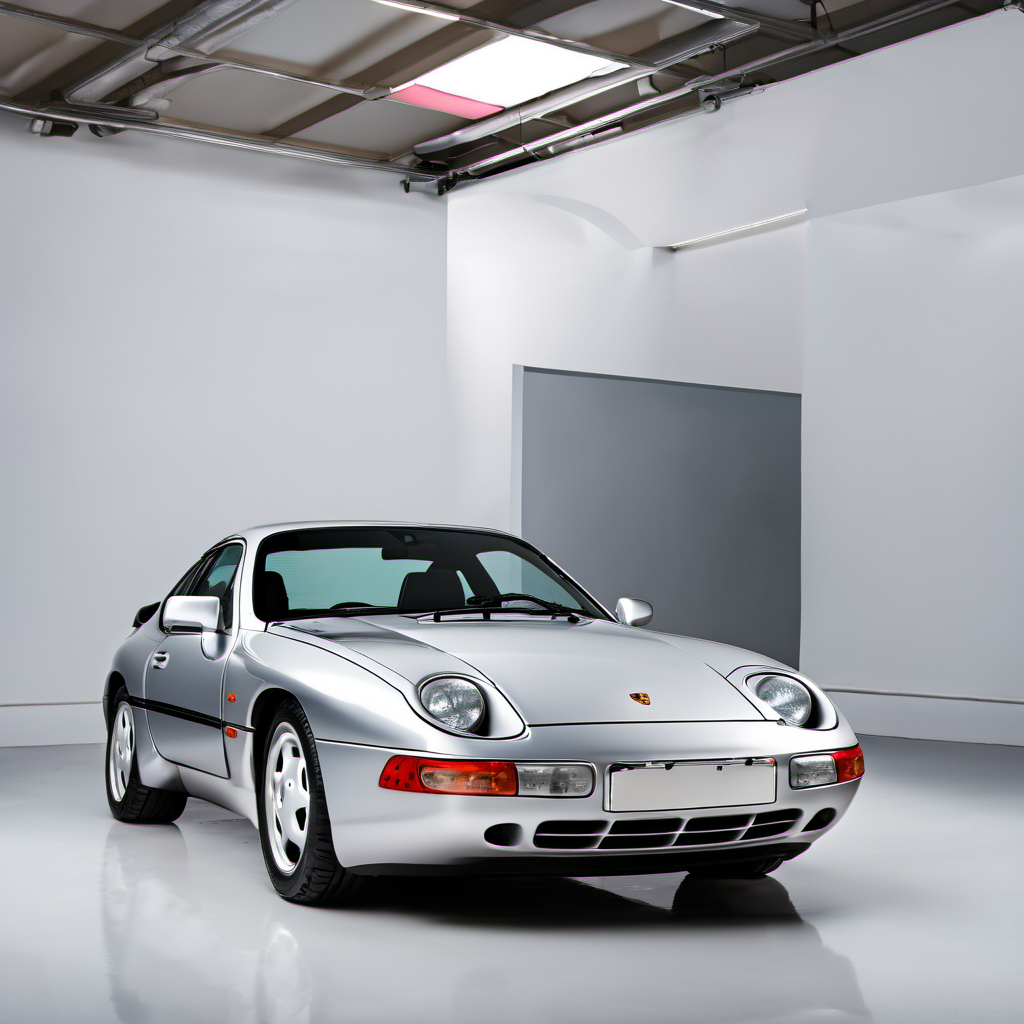
1992 Porsche
Coupe
The 1992 Porsche 968 Coupe is the final evolution of the front-engine, rear-wheel-drive water-cooled Porsche lineage that started with the 944. Launched for the 1992 model year, it replaced both the 944 S2 and 968 prototype, bringing a heavily revised 3.0L inline-four with VarioCam variable valve timing — one of the first production cars to feature it. Despite being powered by a four-cylinder, it produced 236 hp thanks to its large displacement, making it one of the most powerful production four-cylinder engines of its era. The 968 was built on an extensively reworked 944 platform with improved aerodynamics, a new nose and tail, and a standard six-speed manual or optional Tiptronic automatic. It earned respect for its balanced chassis, excellent brakes, and a driver-focused cockpit. Porsche discontinued it after 1995 due to sluggish sales — collectors now recognize it as an undervalued sports car bargain relative to its 911 siblings. Owning a 1992 968 today means embracing a specialized, low-volume sports car with genuine Porsche engineering. Parts availability has narrowed over 30+ years, and some components are dealer-only or sourced from specialist suppliers. Maintenance costs are higher than typical used cars, and the car rewards owners who stay on top of service intervals religiously.
The 1992 Porsche 968 Coupe is the final evolution of the front-engine, rear-wheel-drive water-cooled Porsche lineage that started with the 944. Launched for the 1992 model year, it replaced both the 944 S2 and 968 prototype, bringing a heavily revised 3.0L inline-four with VarioCam variable valve timing — one of the first production cars to feature it. Despite being powered by a four-cylinder, it produced 236 hp thanks to its large displacement, making it one of the most powerful production four-cylinder engines of its era. The 968 was built on an extensively reworked 944 platform with improved aerodynamics, a new nose and tail, and a standard six-speed manual or optional Tiptronic automatic. It earned respect for its balanced chassis, excellent brakes, and a driver-focused cockpit. Porsche discontinued it after 1995 due to sluggish sales — collectors now recognize it as an undervalued sports car bargain relative to its 911 siblings. Owning a 1992 968 today means embracing a specialized, low-volume sports car with genuine Porsche engineering. Parts availability has narrowed over 30+ years, and some components are dealer-only or sourced from specialist suppliers. Maintenance costs are higher than typical used cars, and the car rewards owners who stay on top of service intervals religiously.
The 968's 3.0L is an interference engine. A snapped belt destroys valves and pistons. Age degrades the rubber even on low-mileage cars. This is the single most important service item on the car.
The VarioCam system relies on clean, properly pressurized oil. Dirty oil is the leading cause of VarioCam solenoid clogging and early wear.
30-year-old cooling system rubber is suspect. The plastic expansion tank cracks with age. Overheating a 968 is a very expensive mistake.
Porsche specifies this due to the high-performance brake system's heat exposure. Moisture-saturated fluid raises vapor lock risk, especially during spirited driving or track use.
The pop-up headlight motors and linkages are no longer easy to source. Keeping them lubricated prevents binding and motor burnout.
Wisconsin road salt attacks these specific areas on 968s. Catching surface rust early is a $100 fix; ignoring it becomes a $2,000+ structural repair.
The 6-speed Getrag gearbox is robust, but the shifter bushings wear and cause imprecise engagement. Early correction prevents synchro damage.
Aging O2 sensors on a 30-year-old car cause rich or lean running, poor fuel economy, and potential catalytic converter damage. Replacement is straightforward and cost-effective.
Always defer to the manufacturer's service manual for warranty-mandated intervals.
The 968 is inexpensive to purchase relative to other Porsches, but do not mistake purchase price for low cost of ownership. Parts are specialist items, labor requires Porsche-experienced technicians, and deferred maintenance bills arrive in large chunks. A realistic budget for a 30-year-old example in good health is $1,500–$4,500/year in routine maintenance, with the understanding that a timing belt service, cooling system refresh, or VarioCam repair can spike costs to $3,000–$6,000 in any given year. Budget accordingly.
Contemporary German sports coupe with rear-wheel drive, high-revving inline engine, and a similarly devoted enthusiast following. Parts and specialist shop costs are comparable.
No catalog match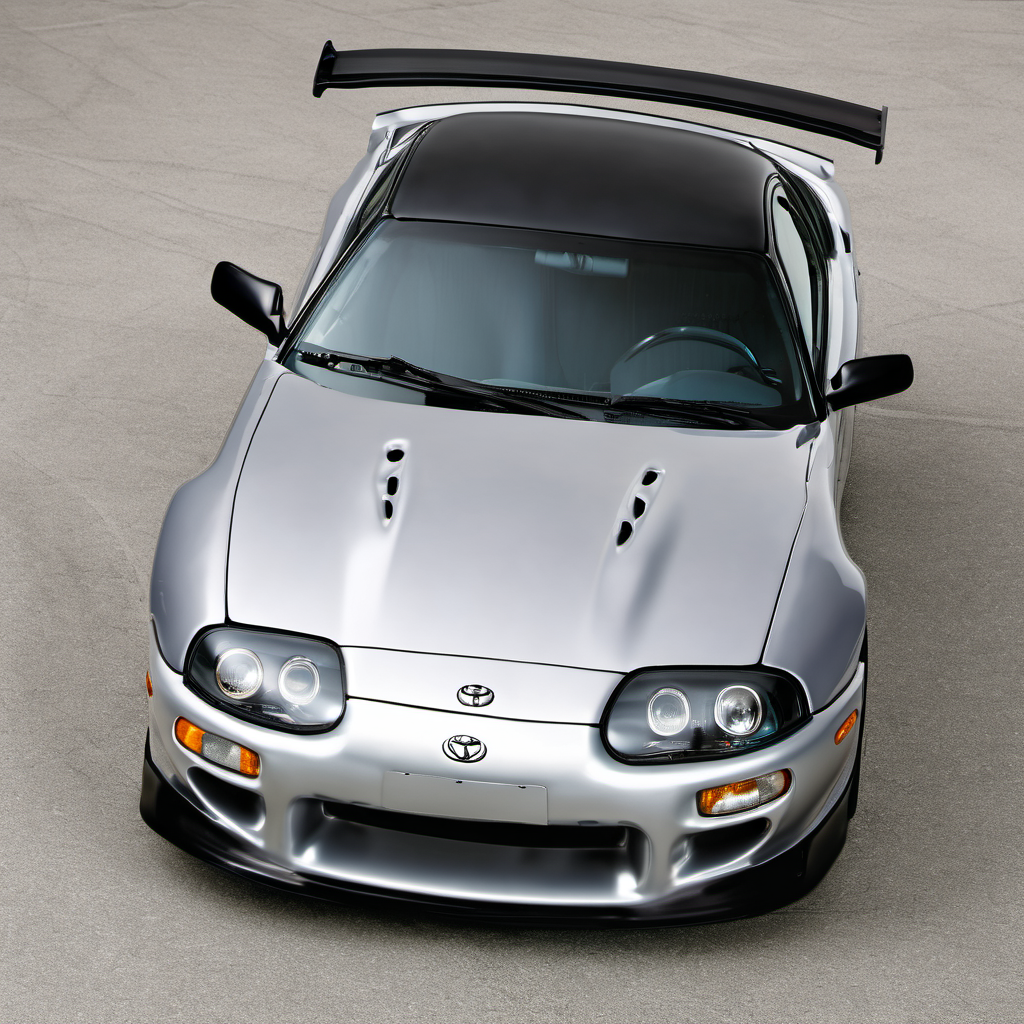
RWD sports coupe from the same era with a strong inline-six engine, excellent handling, and a growing collector market — more parts availability but a different character.
The 968's direct predecessor shares the same basic platform and drivetrain philosophy. Less sophisticated VarioCam system means simpler maintenance; similar ownership cost profile.
No catalog matchLightweight, RWD British sports car from the same period aimed at driving purists. Lower power but exceptional chassis feedback; even more specialist in parts and service.
No catalog match