Engine Oil Leaks (Valve Cover, Rocker Arm Cover, Cam Plug Seals)
high- Typically appears
- Any mileage on a 30+ year old car
- Estimated repair
- $400 – $1,800
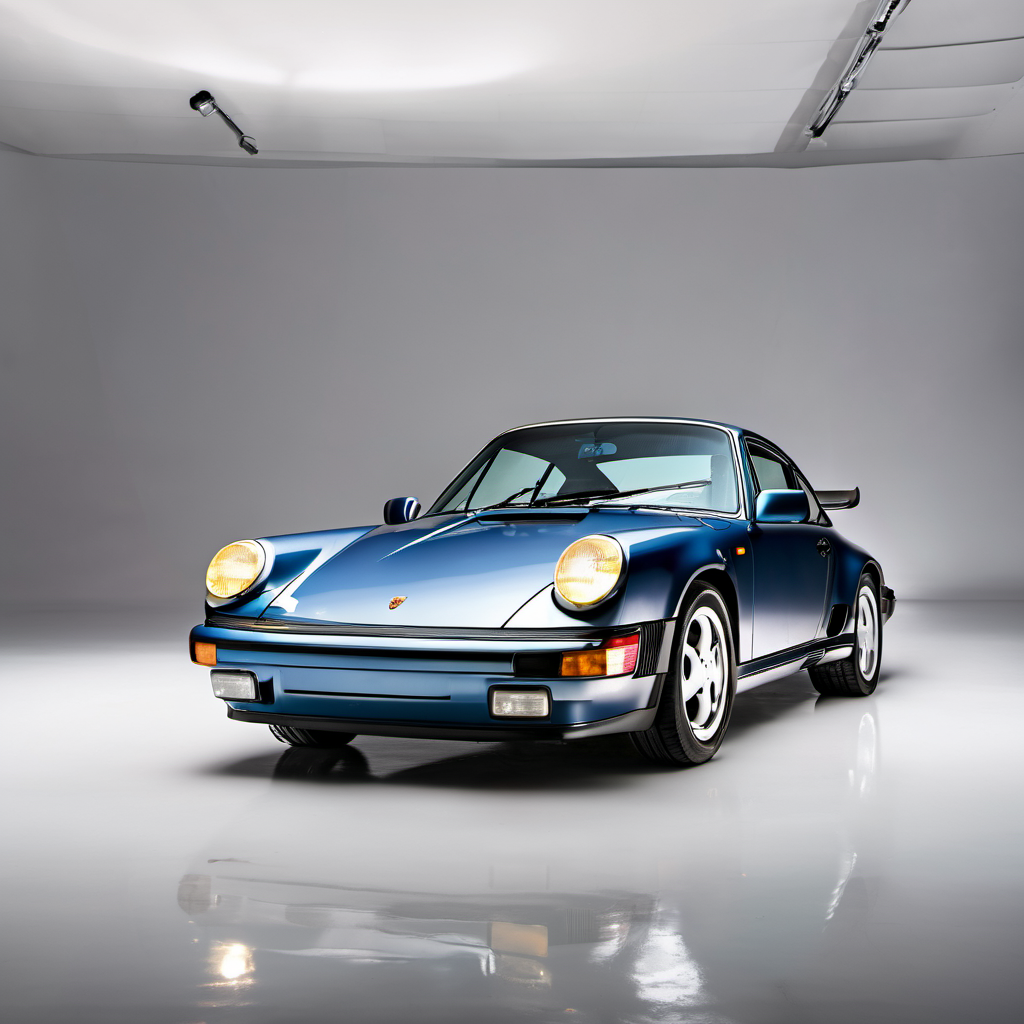
1992 Porsche
Coupe
The 1992 Porsche 911 (internally known as the 964 generation) is the last air-cooled 911 to receive a major engineering overhaul before Porsche's transition to water cooling. The 964 introduced coil springs, ABS, power steering, and all-wheel drive options to the 911 lineage — a significant modernization while retaining the classic rear-engine, air-cooled character that defines the nameplate. This particular car is the Carrera 2 Coupe with the 3.6L flat-six, making 247 hp and driving the rear wheels through a 5-speed manual or optional Tiptronic. The engine is naturally aspirated and famously responsive, though the rear-weight bias demands respect — especially on cold, slick Wisconsin roads. Properly maintained, these cars are genuinely reliable and have strong collector interest today. The 964 generation (1989–1994) sits in a sweet spot: modern enough to live with daily, old enough to be emotionally raw. Parts availability has improved with the collector market, but specialized labor is non-negotiable. Don't let anyone without 911 experience wrench on this car.
The 1992 Porsche 911 (internally known as the 964 generation) is the last air-cooled 911 to receive a major engineering overhaul before Porsche's transition to water cooling. The 964 introduced coil springs, ABS, power steering, and all-wheel drive options to the 911 lineage — a significant modernization while retaining the classic rear-engine, air-cooled character that defines the nameplate. This particular car is the Carrera 2 Coupe with the 3.6L flat-six, making 247 hp and driving the rear wheels through a 5-speed manual or optional Tiptronic. The engine is naturally aspirated and famously responsive, though the rear-weight bias demands respect — especially on cold, slick Wisconsin roads. Properly maintained, these cars are genuinely reliable and have strong collector interest today. The 964 generation (1989–1994) sits in a sweet spot: modern enough to live with daily, old enough to be emotionally raw. Parts availability has improved with the collector market, but specialized labor is non-negotiable. Don't let anyone without 911 experience wrench on this car.
Air-cooled flat-sixes run hot and rely heavily on clean oil. Using the correct viscosity (typically 10W-40 or 20W-50 in summer) and sticking to short intervals is the single most important thing you can do for longevity. Never let this car sit with old oil.
Rubber seals on a 30-year-old engine harden and crack. Catching leaks early (valve covers, cam plugs, rear main) prevents oil from reaching the exhaust or accumulating under the car where it's invisible until damage is done.
DOT 4 absorbs moisture over time, lowering boiling point. On a rear-heavy sports car where braking balance is critical, degraded fluid is a real safety risk.
Chain rattle on cold starts is an early warning sign. Tensioner failures can cause timing jumps that destroy the engine. Have a Porsche-experienced technician listen and inspect.
Though air-cooled, the 964 uses an engine oil cooler with a thermostat and hoses that age and crack. Inspect hoses and connections annually; replace at the first sign of seeping.
The staggered tire setup (wider rears) means no traditional rotation. Inspect for uneven wear — rear tires carry the engine weight and degrade asymmetrically. Replace in matched axle pairs.
The 911 draws significant parasitic current from alarm and memory systems. Cold-weather starting with a weak battery stresses the starter and charging system. Load test every October and use a trickle charger if storing.
Aged rubber fuel lines on a 30-year-old car are a fire hazard. The Motronic injection system's pressure regulator and injector seals are known to weep on high-mileage cars. Inspect visually at every oil change.
Always defer to the manufacturer's service manual for warranty-mandated intervals.
This is not a cheap car to own properly. Budget $1,500–$4,500/year for routine maintenance at an independent Porsche shop. A deferred-maintenance catch-up on a neglected example can easily run $5,000–$15,000 in the first year. The flip side: a well-documented 964 in good condition has appreciated steadily, so ownership cost can be partially offset by rising values if the car is kept in original condition.
E30/E36 M3 offers a similar RWD sports coupe experience with a high-revving naturally aspirated engine, comparable driving engagement, and period-correct sports car character at a similar price point. Also appreciating in collector value.
No catalog match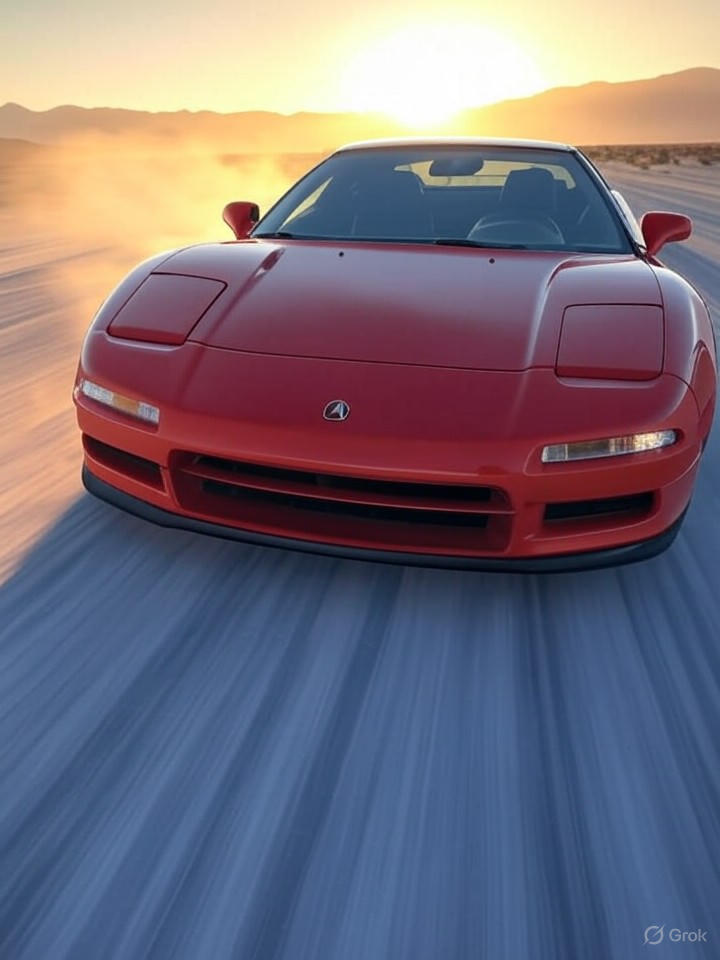
Mid-engine RWD sports car from the same era with a naturally aspirated engine, analog driving feel, and strong collector demand. More forgiving handling balance than the rear-engine 911, with Honda reliability underpinning.

C4 Corvette offers V8 performance, RWD layout, and American sports car credentials at a lower acquisition and maintenance cost than a 964. Less exclusive but far cheaper to own and repair in the Midwest.
If the 964 appeals as a collector investment and performance sports car, the contemporary Ferrari 348 occupies the same emotional and financial space — mid-engine, naturally aspirated, appreciating — but with significantly higher maintenance costs and more specialized service requirements.
No catalog match