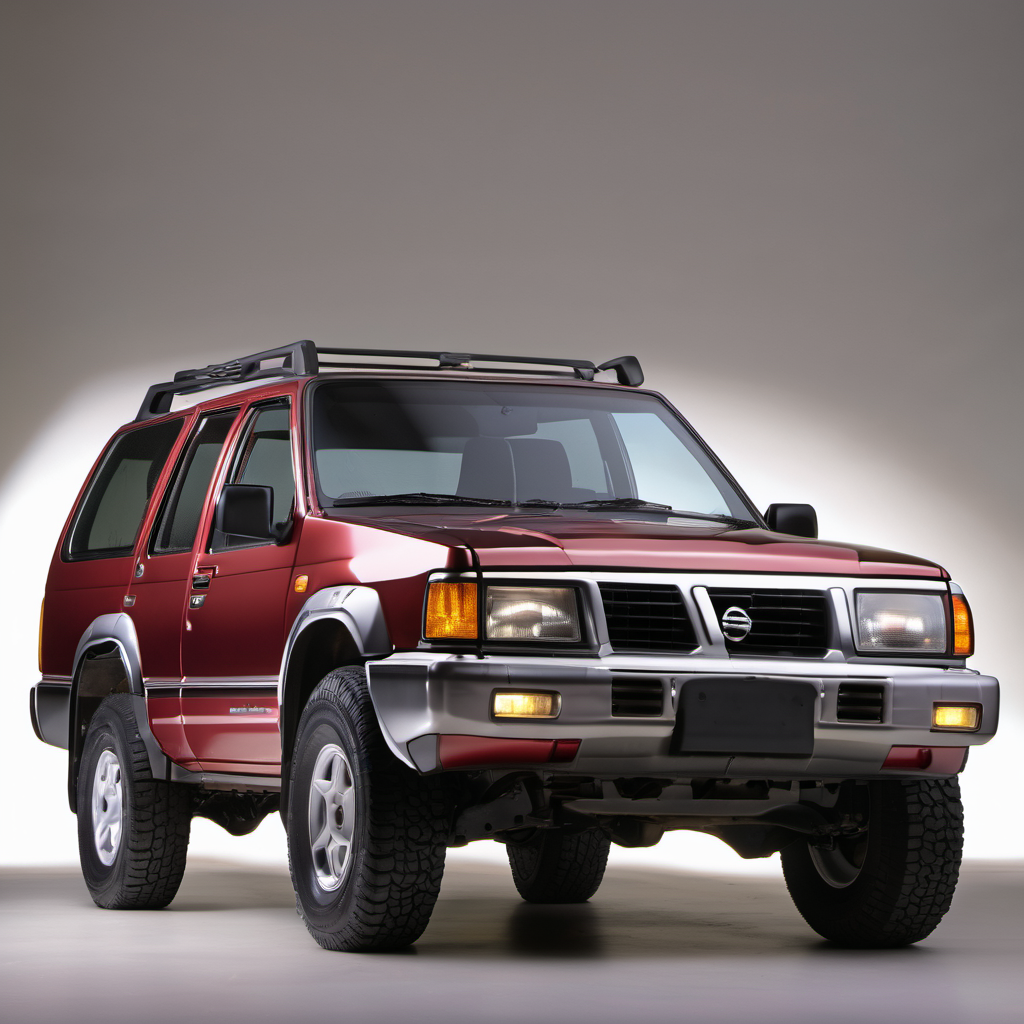
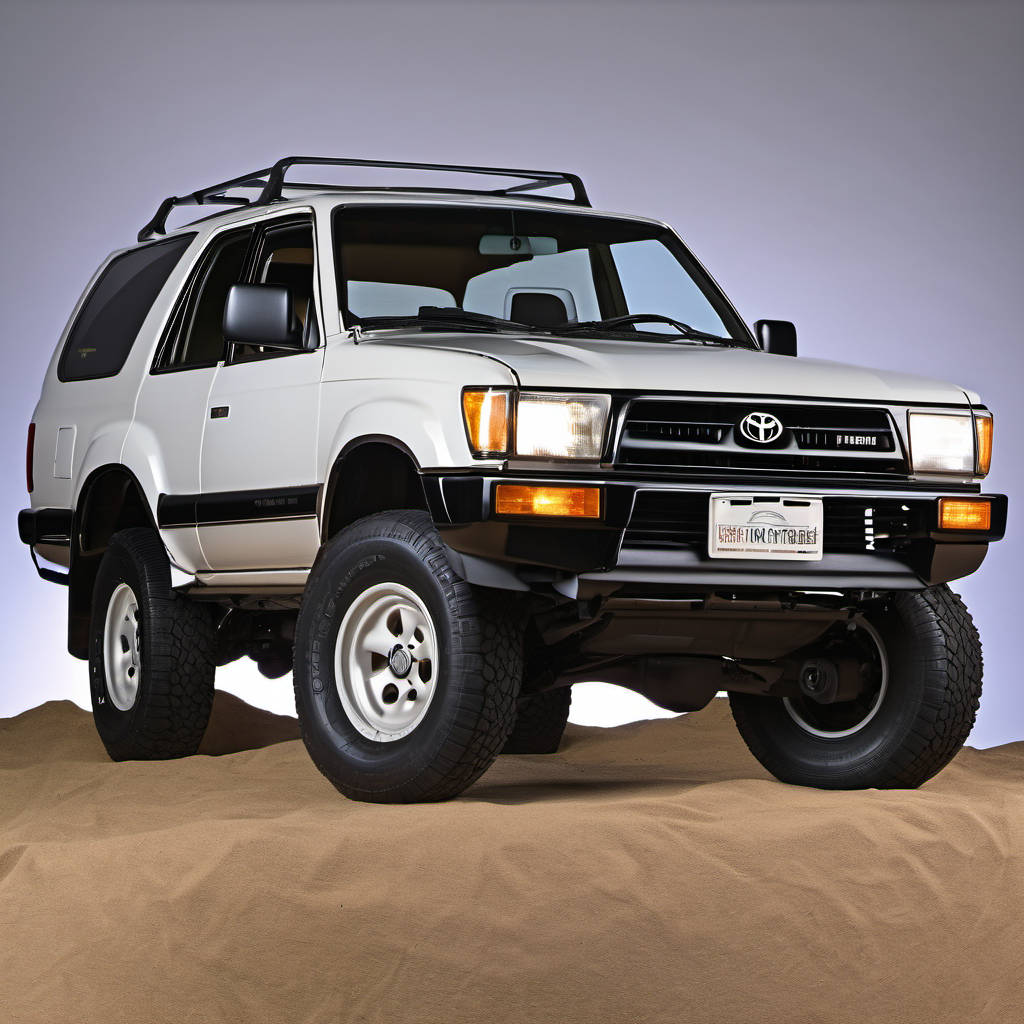
1992 Nissan Pathfinder SUV

1992 Nissan

PathfinderSUV

SUV

The 1992 Nissan Pathfinder is a second-generation body-on-frame SUV built on the Nissan Hardbody (D21) truck platform. It arrived as a genuine off-road capable machine at a time when SUVs were still tools first and comfort vehicles second. The 3.0L V6 pushes enough power for trail work and highway cruising, though fuel economy reflects the era. By 1992 the Pathfinder had earned a reputation for mechanical simplicity and durability. Most components are straightforward to service, parts are widely available, and the truck-derived suspension is tough. That said, these are now 30+ year old vehicles — rust, worn-out rubber, and deferred maintenance are the real enemies at this age, not design flaws. A well-maintained example can still serve as a dependable daily driver or weekend trail rig. Budget realistically for age-related repairs and you'll likely be rewarded with years of reliable service.

Reliability
3/5
Verified data
Specs shown for Pathfinder Van (cargo) — the most common configuration. Other trims may vary in engine, drivetrain, or fuel economy. Sign in to see your vehicle's exact specs.
Engine
[object Object]
Drivetrain
RWD
Fuel
Gasoline
MPG
14 city / 17 hwy / 15 combined
Seats
Doors
Body
Vans

Overview

AI-curated

The 1992 Nissan Pathfinder is a second-generation body-on-frame SUV built on the Nissan Hardbody (D21) truck platform. It arrived as a genuine off-road capable machine at a time when SUVs were still tools first and comfort vehicles second. The 3.0L V6 pushes enough power for trail work and highway cruising, though fuel economy reflects the era. By 1992 the Pathfinder had earned a reputation for mechanical simplicity and durability. Most components are straightforward to service, parts are widely available, and the truck-derived suspension is tough. That said, these are now 30+ year old vehicles — rust, worn-out rubber, and deferred maintenance are the real enemies at this age, not design flaws. A well-maintained example can still serve as a dependable daily driver or weekend trail rig. Budget realistically for age-related repairs and you'll likely be rewarded with years of reliable service.

Known for
  • Rugged body-on-frame construction shared with the Hardbody truck
  • Simple, proven 3.0L VG30E V6 with long service life
  • Capable part-time 4WD system for genuine off-road use
  • Relatively easy DIY maintenance with good parts availability
Best for
  • Budget-minded buyers who want a capable, repairable SUV
  • Light to moderate off-road use and trail driving
  • Owners comfortable wrenching or paying for regular upkeep on an older vehicle
  • Rural and outdoor lifestyle use in varied terrain
Watch for
  • Frame and rocker panel rust — critical on any Wisconsin example
  • Coolant leaks into the intake manifold from the lower intake gasket
  • Distributor cap and rotor wear causing hard starts and misfires
  • Deferred timing belt service — the VG30E is an interference engine
  • Worn or cracked rear leaf spring bushings and front torsion bar components

Common issues by mileage

6 known

Lower intake manifold gasket leak / coolant intrusion

high
Typically appears
80–150k mi
Estimated repair
$350 – $650

Timing belt failure (interference engine — engine damage if belt breaks)

high
Typically appears
60–100k mi (every 60k)
Estimated repair
$300 – $550

Distributor cap, rotor, and ignition wire failure — hard start, misfire

high
Typically appears
Any age / 50k+ mi
Estimated repair
$80 – $180

Frame and underbody rust — rocker panels, frame rails, brake lines

high
Typically appears
All mileages on upper Midwest vehicles
Estimated repair
$500 – $4,000

Front axle and 4WD engagement issues — vacuum hubs, shift linkage

medium
Typically appears
80–200k mi
Estimated repair
$150 – $600

Rear main seal and valve cover gasket oil leaks

medium
Typically appears
100k+ mi
Estimated repair
$200 – $500

Maintenance schedule

  1. 1
    Every 60,000 miles — do not exceed Timing belt and water pump replacement

    The VG30E is an interference engine. A broken timing belt means bent valves and a very expensive engine repair. If history is unknown, replace it immediately.

  2. 2
    Every 2 years or 30,000 miles Coolant flush and lower intake gasket inspection

    The lower intake gasket is a known weak point. Fresh coolant and a leak inspection at this interval catches problems before coolant enters the oil.

  3. 3
    Every 30,000 miles or at first sign of rough idle Distributor cap, rotor, and spark plug wires

    These components age out on 30+ year old vehicles regardless of mileage. Worn ignition components are the #1 cause of hard starts and misfires on this engine.

  4. 4
    Every 3,000–5,000 miles with conventional oil Engine oil and filter change

    This engine predates modern oil life monitoring. Frequent oil changes extend bearing and VG30E sludge-prone bottom end life considerably.

  5. 5
    Every spring after winter season Frame and brake line rust inspection

    Wisconsin road salt is brutal on body-on-frame trucks from this era. Annual inspection lets you catch and treat surface rust before it compromises structural integrity or brake line safety.

  6. 6
    Monthly engagement; full inspection every 2 years 4WD system exercise and front axle inspection

    Vacuum-actuated hubs and shift components seize when not used regularly. Engage and disengage 4WD monthly to keep the system functional when you need it.

  7. 7
    Every 30,000 miles Transfer case and differential fluid change

    Gear oil in these units breaks down and traps moisture over time, especially in a climate with extreme temperature swings. Fresh fluid prevents wear and corrosion.

  8. 8
    Every 2 years Coolant system pressure test and thermostat check

    Aging hoses, a weak radiator cap, and a sticking thermostat are common on vehicles this old. A pressure test before Wisconsin winter prevents a roadside overheat in the cold.

Always defer to the manufacturer's service manual for warranty-mandated intervals.

Cost of ownership

Annual maintenance
$600 – $1,800
Fuel
At 15 MPG combined, expect roughly $2,200–$2,800/year at current Wisconsin gas prices assuming 12,000 miles annually.
Insurance
Typically low — older vehicle with low market value. Expect $600–$1,100/year for full coverage depending on driving history; liability-only can be under $500.

This is a 30+ year old vehicle, so annual costs depend almost entirely on its maintenance history and rust condition. A solid, well-maintained example costs relatively little to run — parts are cheap and available. A neglected one can surprise you with $2,000–$4,000 in deferred work in the first year. Budget for at least one significant repair annually and you won't be caught off guard.
Seasonal care

Lake Geneva, WI
Winter
  • Inspect and treat all exposed frame and underbody surfaces with rust-inhibiting coating before first salt application of the season.
  • Test the battery — cold cranking amps drop sharply below 0°F. A battery over 4 years old should be load-tested and replaced proactively.
  • Flush and fill with fresh 50/50 coolant rated to at least -34°F. Aged coolant loses freeze protection and corrodes aluminum components.
  • Replace wiper blades with winter-rated blades and fill the reservoir with washer fluid rated to -20°F or colder — standard fluid freezes on the windshield at Wisconsin temps.
  • Exercise the 4WD system before you need it. Test engagement in a safe empty lot so you're not troubleshooting a seized hub mid-storm.
  • Rinse the undercarriage at a touchless car wash every 1–2 weeks during salting season to slow frame and brake line corrosion.
Summer
  • Inspect all coolant hoses and the radiator cap after winter — Wisconsin freeze-thaw cycles stress rubber and seals significantly.
  • Check tire pressure with a gauge when tires are cold. Heat causes pressure to rise; under-inflated tires from winter can become over-inflated quickly in summer heat.
  • Test the A/C system in spring before hot weather arrives. On a 30-year-old vehicle, expect refrigerant leaks and aging compressor seals.
  • Inspect the serpentine and accessory belts for cracking — summer heat accelerates belt degradation on aged rubber.
  • Check brake fluid for moisture contamination. Humid summers combined with aged fluid lower the boiling point, which matters on loaded trail or towing use.

Comparable vehicles

If you're shopping for one

Red flags
  • Any frame perforation or significant rust-through — walk away. Structural repair on a 30-year-old body-on-frame truck is rarely cost-effective.
  • Coolant in the oil (milky dipstick) — points to failed lower intake gasket or head gasket; expensive repair on a low-value vehicle.
  • No maintenance records at all — on a vehicle this age, undocumented history means unknown timing belt, unknown coolant, and unknown fluid condition.
  • Smoke from the exhaust on startup — blue smoke means oil burning; white smoke may indicate coolant combustion.
  • 4WD that won't engage or makes grinding noises — could be vacuum system, transfer case, or front axle issues that add up quickly.
  • Asking price that leaves no room for repairs — budget $1,000–$2,000 minimum for catch-up maintenance on any unknown-history example.
What to inspect
  • Frame rails and crossmembers — look for bubbling paint, soft spots, or perforations from underneath with a flashlight and a sharp probe.
  • Brake lines along the frame — originals are 30+ years old and may have pinhole rust through them. Test brake pedal firmness and inspect visually.
  • Timing belt service records — if the seller can't document it, assume it hasn't been done and price accordingly.
  • Coolant condition and color — brown or rusty coolant suggests neglected cooling system; pull the oil dipstick to check for a milky appearance indicating coolant intrusion.
  • 4WD engagement — test all modes (2H, 4H, 4L) in person. Vacuum hub issues are common and engagement may be delayed or fail entirely.
  • Undercarriage for prior rust repair — look for fresh undercoating sprayed over rust rather than true remediation.
AI profile generated 4 days ago · claude-sonnet-4-6 · v2.