Frame and structural rust
high- Typically appears
- Any mileage on salt-belt trucks
- Estimated repair
- $500 – $4,000
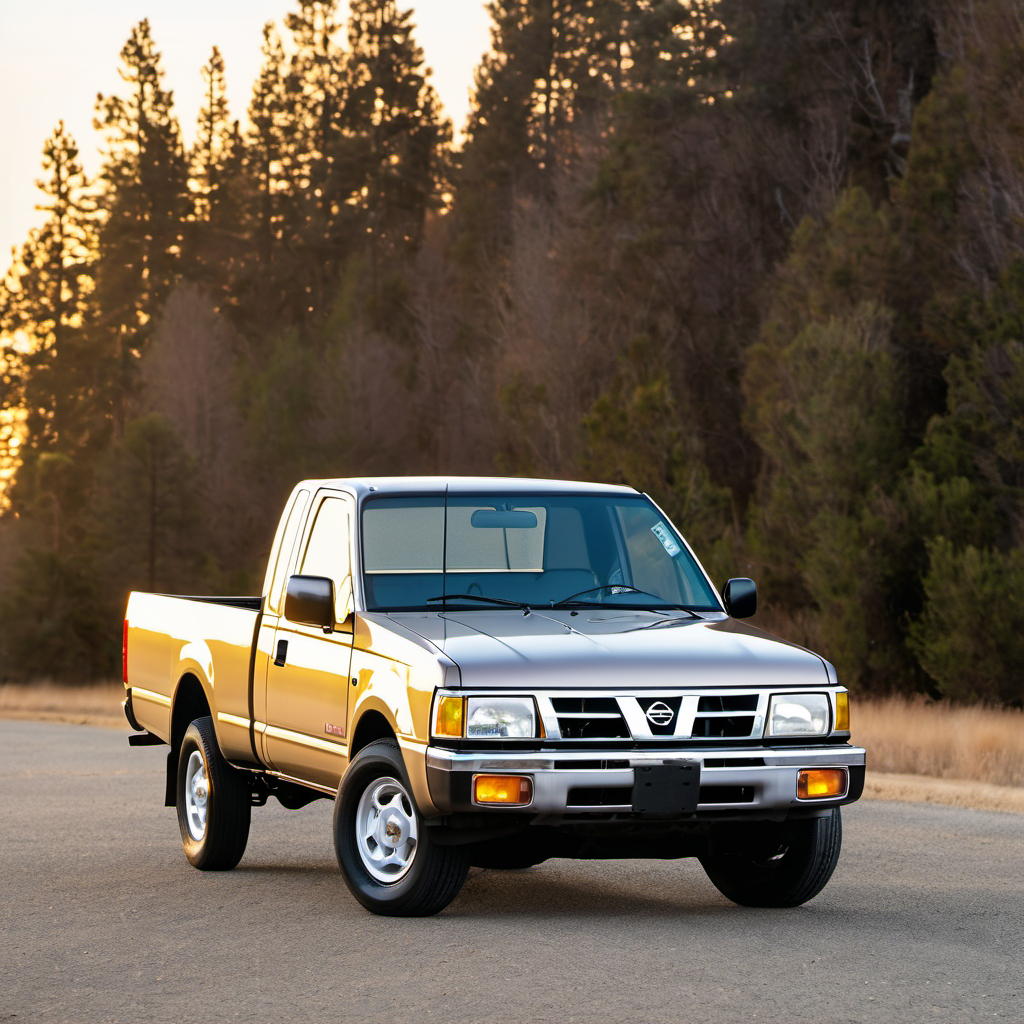
1992 Nissan
2.4L I4 (KA24E) · Pickup
The 1992 Nissan King Cab (D21 chassis, sold in North America simply as the 'Nissan Pickup' with an extended cab body) is a compact rear-wheel-drive or part-time 4WD truck built at a time when Nissan still made no-nonsense, bare-bones workhorses. The King Cab designation means it has a small fold-down rear jump seat behind the main bench — useful for the occasional extra passenger or extra gear storage. These trucks earned a strong reputation for durability and are still commonly seen on Wisconsin back roads three decades later. The standard powertrain is a 2.4L inline-four (KA24E) paired with a 5-speed manual or 4-speed automatic. The engine is simple, carbureted in early trim years but fuel-injected from 1990 onward, and responds very well to routine maintenance. A V6 option (3.0L VG30E) was available but far less common. At 30+ years old, virtually every surviving example is a used purchase, and condition varies enormously. In Lake Geneva and the broader upper Midwest, the biggest concern with these trucks is rust — the frame, rockers, and cab corners are known rust magnets after years of road salt exposure. A clean, well-maintained D21 is still a capable light-duty truck and an affordable entry point into the used compact pickup market.
The 1992 Nissan King Cab (D21 chassis, sold in North America simply as the 'Nissan Pickup' with an extended cab body) is a compact rear-wheel-drive or part-time 4WD truck built at a time when Nissan still made no-nonsense, bare-bones workhorses. The King Cab designation means it has a small fold-down rear jump seat behind the main bench — useful for the occasional extra passenger or extra gear storage. These trucks earned a strong reputation for durability and are still commonly seen on Wisconsin back roads three decades later. The standard powertrain is a 2.4L inline-four (KA24E) paired with a 5-speed manual or 4-speed automatic. The engine is simple, carbureted in early trim years but fuel-injected from 1990 onward, and responds very well to routine maintenance. A V6 option (3.0L VG30E) was available but far less common. At 30+ years old, virtually every surviving example is a used purchase, and condition varies enormously. In Lake Geneva and the broader upper Midwest, the biggest concern with these trucks is rust — the frame, rockers, and cab corners are known rust magnets after years of road salt exposure. A clean, well-maintained D21 is still a capable light-duty truck and an affordable entry point into the used compact pickup market.
The KA24E tolerates mileage abuse poorly — sludge buildup accelerates timing chain wear. Conventional oil is fine; just change it consistently.
At 30+ years old, the ignition system is simple but age-prone. Fresh plugs and cap/rotor keep the engine running cleanly and starting reliably in cold weather.
Aged coolant loses its anti-corrosion additives. Aluminum engine components corrode from the inside out — particularly important in Wisconsin freeze/thaw cycles.
Debris from aging fuel tanks can clog the filter. A restricted filter stresses the fuel pump and causes hard starting.
These are serviceable, non-sealed units. Salt contamination accelerates wear. Catching a worn bearing early prevents wheel-off incidents.
Frame rails, crossmembers, and cab mounts are prone to rust perforation in Wisconsin. Annual inspection with cavity wax or rust inhibitor applied to bare metal extends service life dramatically.
These are relatively small fluid volumes and cheap to service. Neglected gear oil breaks down and causes bearing and gear wear on a truck that may already have high mileage.
Moisture absorption in brake fluid lowers the boiling point and promotes caliper and wheel cylinder corrosion — a real concern on a salt-belt vehicle this age.
Always defer to the manufacturer's service manual for warranty-mandated intervals.
This is one of the most affordable vehicles to own on a day-to-day basis. Parts are cheap and widely available, labor is minimal for the simple mechanicals, and fuel costs are low. The wildcard is rust remediation — a structural rust repair can easily exceed the truck's market value. Budget carefully for undercarriage work if buying a Wisconsin example.
Direct rival in the compact extended-cab segment. Similar simplicity and durability reputation; arguably slightly more rust-resistant on body panels, but frames rust equally badly in the Midwest. Parts are plentiful.
No catalog match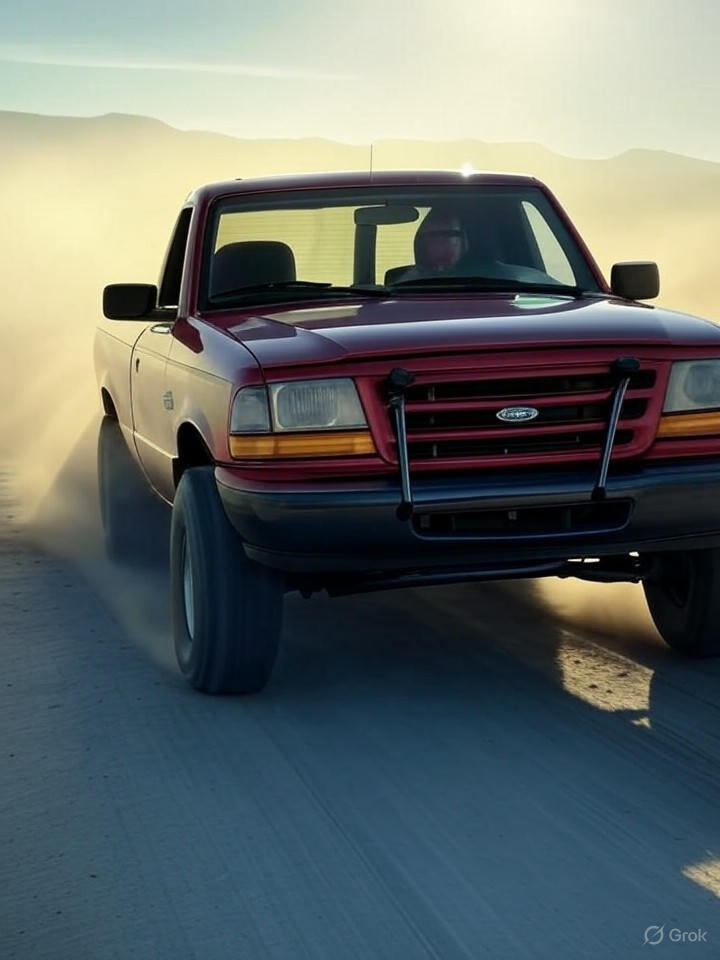
Same era, same mission. The 2.3L four is slightly less powerful but equally simple. More common in the region, meaning even cheaper parts. Body rust is comparable on salt-belt examples.
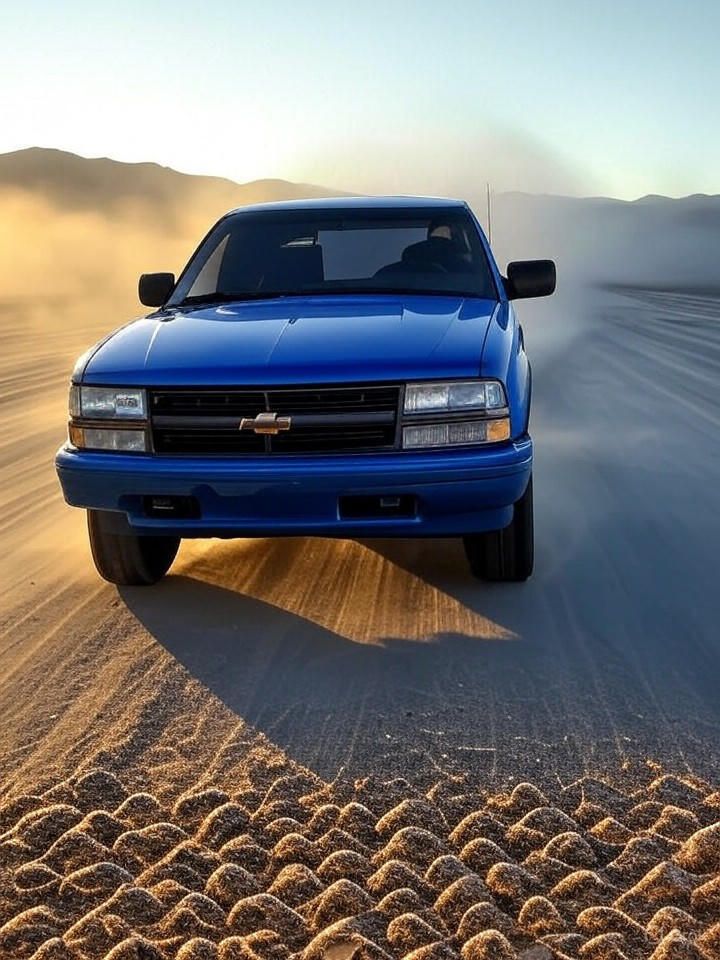
Chevy's entry in the compact truck class. The 2.5L four is gutless but durable; the 4.3L V6 option is more capable. Parts availability is excellent. Frame rust is the same concern throughout this class.
Mechanically near-identical to the Nissan in philosophy — simple carbureted or injected four-cylinder, body-on-frame, part-time 4WD available. Less common, so parts can be harder to source locally.
No catalog match