Rust — body, frame, and floorpan
high- Typically appears
- All mileages on Midwest vehicles
- Estimated repair
- $500 – $4,000
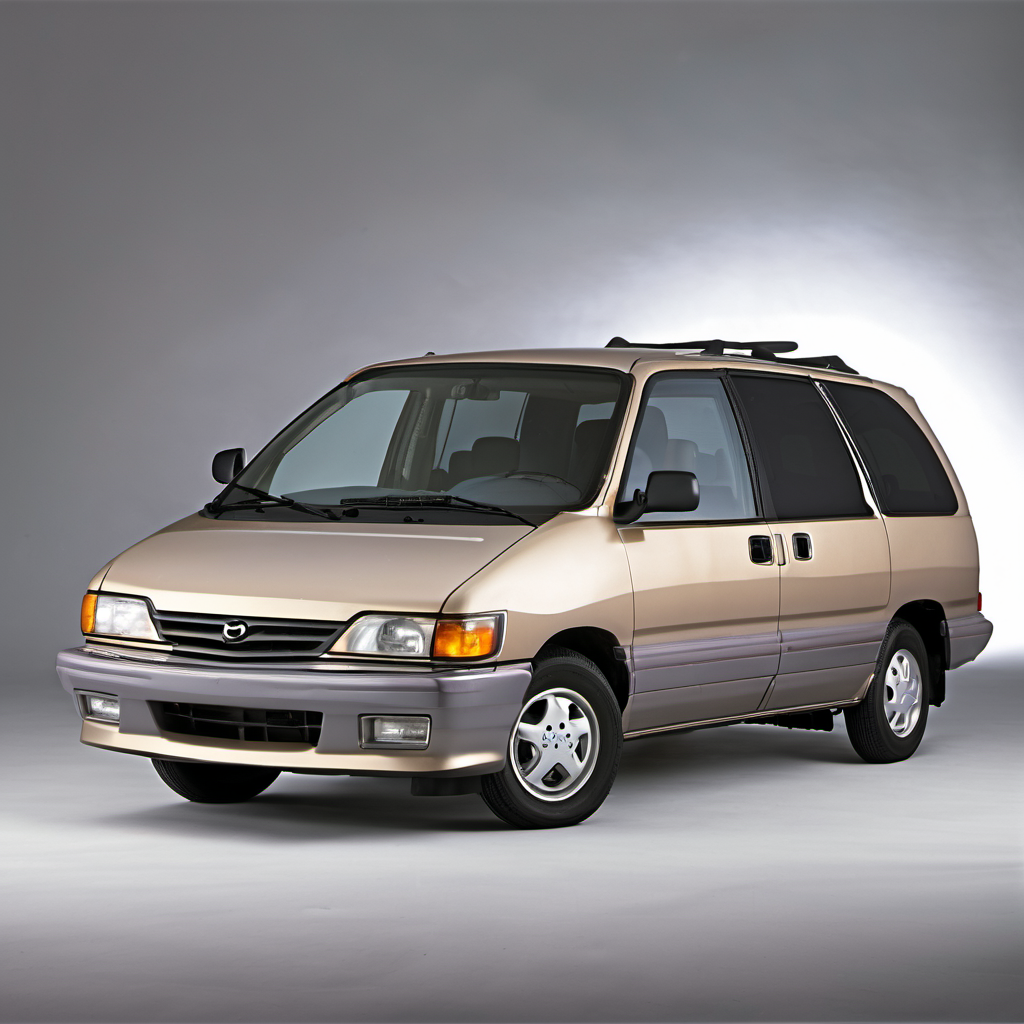
1992 MAZDA
Van/Minivan
The 1992 Mazda MPV is a compact minivan from Mazda's first generation (1989–1999) that took a distinctly different path from the Chrysler-dominated minivan market. It rode on a rear-wheel-drive (or optional 4WD) truck-based platform, giving it a more rugged feel than the front-wheel-drive competition, but also a somewhat taller, boxier stance. The 2.6L four-cylinder engine was the base powerplant for '92, offering adequate but not brisk motivation for a loaded family van. By 1992, the MPV was a mid-cycle example of the first generation. Parts availability has steadily declined as the vehicle ages into its fourth decade, making it a project-minded or niche purchase today. It has a modest but loyal following among owners who appreciate its simplicity relative to modern minivans and its relatively easy DIY maintenance. For buyers in the Lake Geneva area, the big watch-out is rust — Wisconsin winters have been hard on these 30-plus-year-old bodies and frames. Unless you're looking at a documented southern or southwestern vehicle, assume significant corrosion work is needed.
The 1992 Mazda MPV is a compact minivan from Mazda's first generation (1989–1999) that took a distinctly different path from the Chrysler-dominated minivan market. It rode on a rear-wheel-drive (or optional 4WD) truck-based platform, giving it a more rugged feel than the front-wheel-drive competition, but also a somewhat taller, boxier stance. The 2.6L four-cylinder engine was the base powerplant for '92, offering adequate but not brisk motivation for a loaded family van. By 1992, the MPV was a mid-cycle example of the first generation. Parts availability has steadily declined as the vehicle ages into its fourth decade, making it a project-minded or niche purchase today. It has a modest but loyal following among owners who appreciate its simplicity relative to modern minivans and its relatively easy DIY maintenance. For buyers in the Lake Geneva area, the big watch-out is rust — Wisconsin winters have been hard on these 30-plus-year-old bodies and frames. Unless you're looking at a documented southern or southwestern vehicle, assume significant corrosion work is needed.
The 2.6L G-series is an interference engine; a snapped belt means bent valves and an expensive rebuild. If you don't have paperwork proving it was done, do it now.
30-year-old coolant hoses are a blowout risk. Flush old coolant that may be acidic and check every hose and clamp by hand.
Aged fuel systems accumulate varnish. A fresh filter protects the pump and injectors, which are expensive and increasingly hard to source.
Glycol-based brake fluid absorbs moisture over time, lowering the boiling point and promoting corrosion in the master cylinder and calipers — a serious safety concern on aging hardware.
Wisconsin road salt accelerates frame and floorpan corrosion. Catch it early with an annual inspection and treat exposed metal before it becomes structural.
Older transmissions without drain plugs accumulate wear particles. Fresh fluid extends life significantly, especially if service history is unknown.
Sub-zero Wisconsin temperatures cut battery capacity by 30–50%. A battery that barely passes a summer test can leave you stranded in January.
Rubber from 1992 is 30+ years old. Cracked CV boots let grit into joints; cracked brake or fuel lines are safety emergencies. Budget for a comprehensive rubber audit when you buy.
Always defer to the manufacturer's service manual for warranty-mandated intervals.
The MPV's biggest ownership cost risk isn't routine maintenance — it's deferred repairs on 30-year-old components. Budget generously in the first year of ownership for rubber, cooling system, and any rust remediation. Annual maintenance on a well-sorted example is modest, but one surprise (timing belt ignored, brake line failure, fuel pump) can easily exceed the vehicle's market value. Parts availability is the other long-term wildcard; increasingly, you're sourcing from salvage or overseas suppliers.
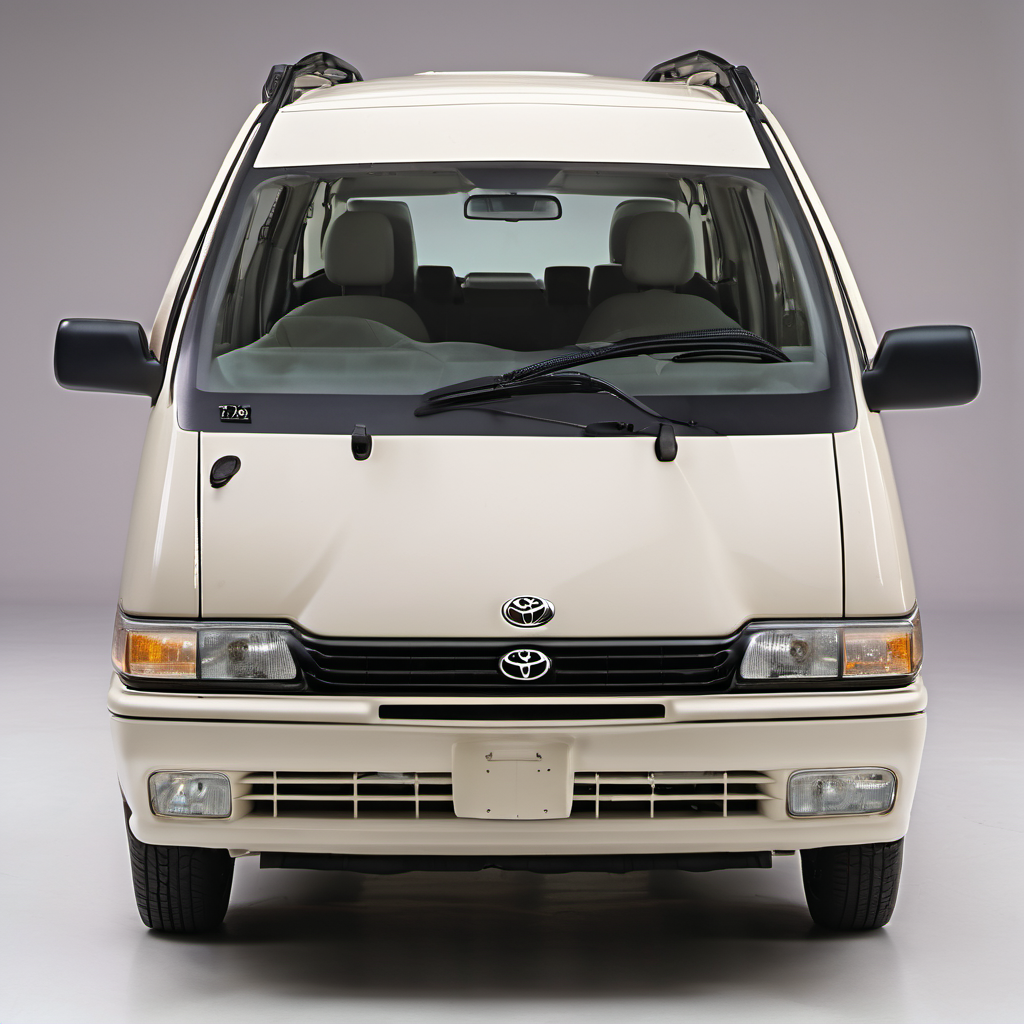
Same era, same market segment — mid-engine rear-wheel-drive minivan with an unusual layout and a cult following. Similar parts scarcity challenges today.
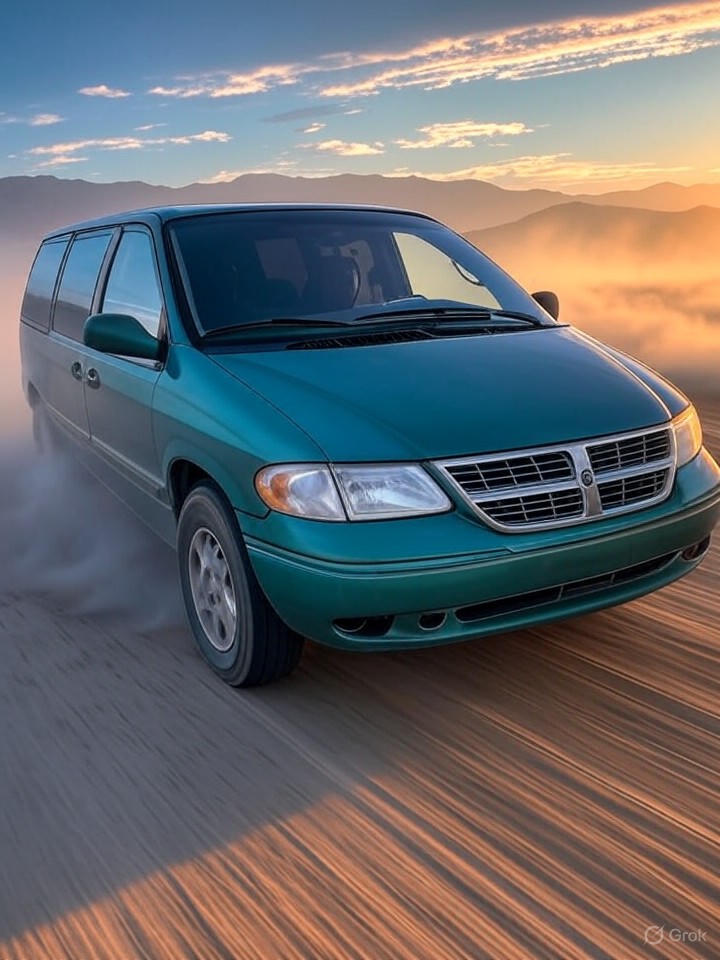
The dominant FWD minivan of the era. Far better parts availability and a larger ownership community, but a very different driving character and platform.
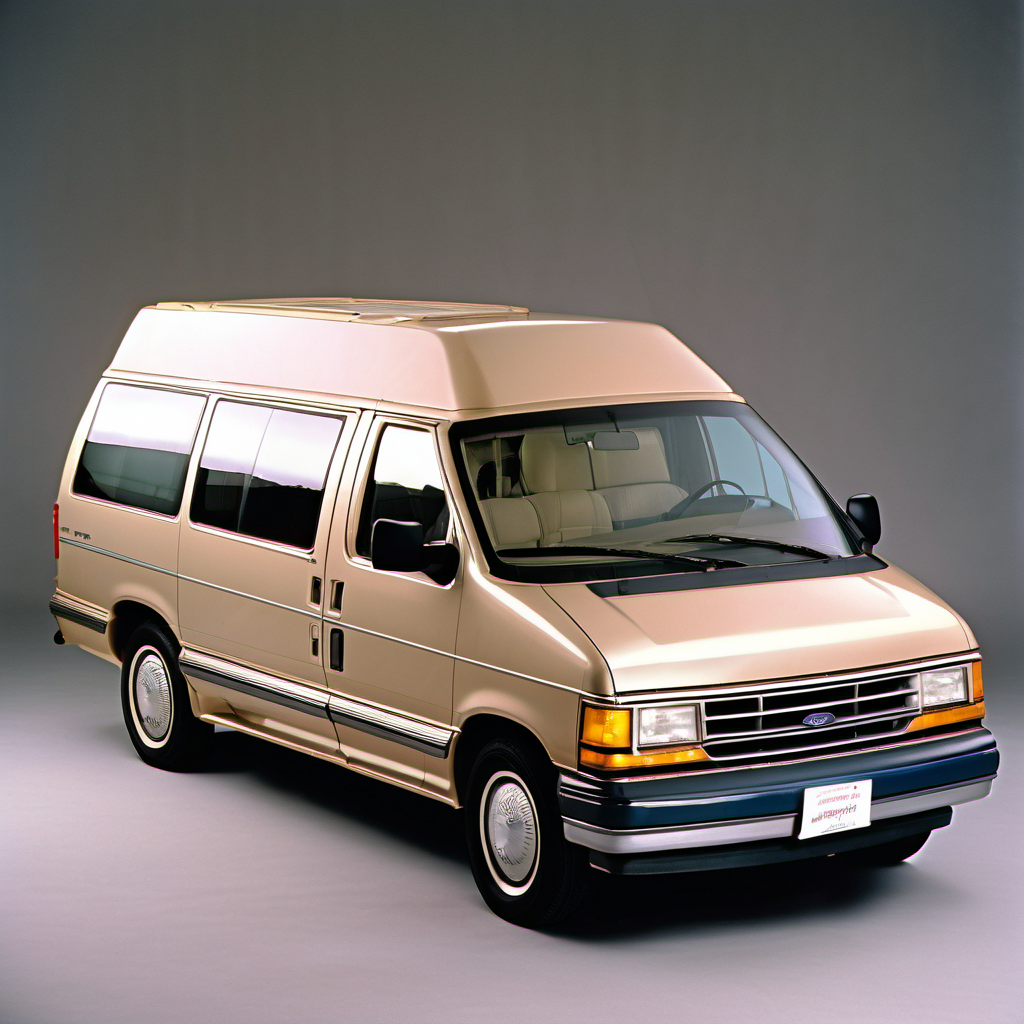
Ford's RWD/AWD minivan — a direct platform philosophy match to the MPV with similar truck-based bones, comparable age-related issues, and better domestic parts support.
Japanese-brand minivan of the same generation, though the Quest debuted in 1993. For a slightly newer comparable in the same niche, it's the closest Nissan equivalent.
No catalog match