Head Gasket Failure (3.9L V8)
high- Typically appears
- 60–120k mi
- Estimated repair
- $1,800 – $3,500
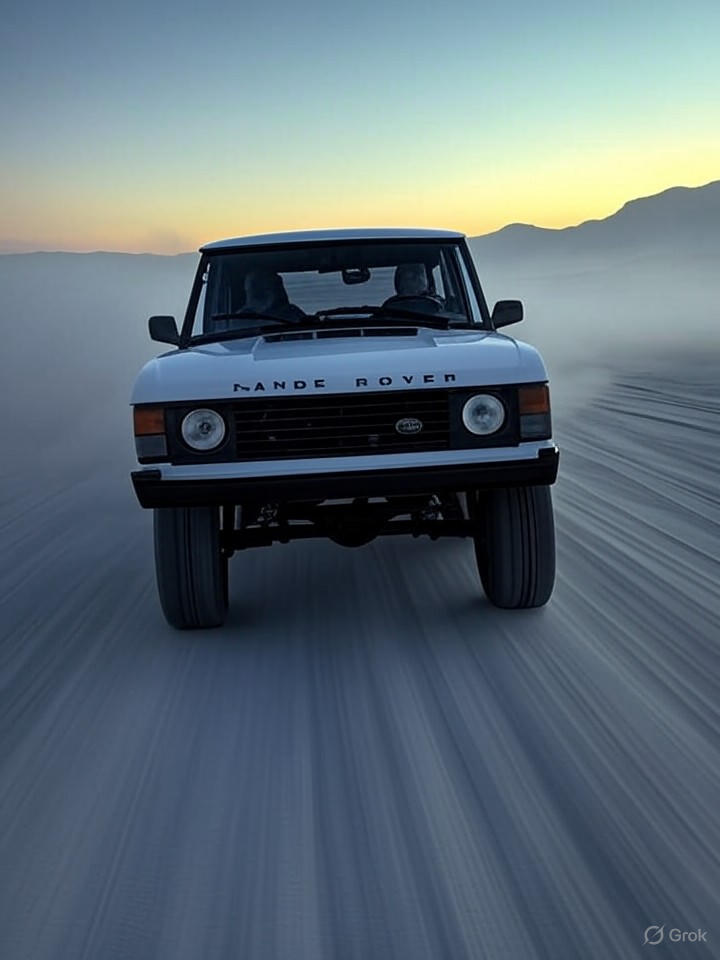
1992 Land Rover
SUV
The 1992 Land Rover Range Rover is a first-generation (Classic) body-on-frame SUV that had already been in production for over 20 years when this example rolled off the line. Built in Solihull, England, it was among the last years of the original design before the P38 second generation arrived in 1994. It earned a reputation as one of the most capable off-road luxury vehicles of its era — equal parts English drawing room and rock-crawler. Under the hood sits a Rover 3.9L V8 descended from the Buick 215 design, mated to a ZF 4-speed automatic and a two-speed transfer case with low-range for serious off-road work. Owning a 1992 Range Rover Classic is a commitment. Mechanically the platform is relatively straightforward — carbureted-era thinking even on the fuel-injected versions — but British electrical systems, aging rubber seals, and a chronic tendency to leak fluids mean these trucks demand attentive owners or good shops. Parts availability has thinned over three decades, and specialist knowledge matters enormously here. In the right hands, a well-maintained Classic can still cover serious ground and draws genuine admiration. Budget honestly for maintenance and repairs, source a specialist, and this truck rewards you with a uniquely capable and characterful machine unlike anything else from its era.
The 1992 Land Rover Range Rover is a first-generation (Classic) body-on-frame SUV that had already been in production for over 20 years when this example rolled off the line. Built in Solihull, England, it was among the last years of the original design before the P38 second generation arrived in 1994. It earned a reputation as one of the most capable off-road luxury vehicles of its era — equal parts English drawing room and rock-crawler. Under the hood sits a Rover 3.9L V8 descended from the Buick 215 design, mated to a ZF 4-speed automatic and a two-speed transfer case with low-range for serious off-road work. Owning a 1992 Range Rover Classic is a commitment. Mechanically the platform is relatively straightforward — carbureted-era thinking even on the fuel-injected versions — but British electrical systems, aging rubber seals, and a chronic tendency to leak fluids mean these trucks demand attentive owners or good shops. Parts availability has thinned over three decades, and specialist knowledge matters enormously here. In the right hands, a well-maintained Classic can still cover serious ground and draws genuine admiration. Budget honestly for maintenance and repairs, source a specialist, and this truck rewards you with a uniquely capable and characterful machine unlike anything else from its era.
The 3.9L V8 is extremely sensitive to cooling system neglect. A degraded system is the most common path to a blown head gasket. On a 30-year-old truck, assume every hose, clamp, and the thermostat are due.
Frequent oil changes help manage the V8's known tendency to run oil past aging seals. Use a quality oil meeting API SN or better; check level every fill-up given likely seepage.
Rocker covers, timing cover, rear main, and differential pinion seals all degrade with age. Catching a seep early is a $200 job; ignoring it often leads to a $1,500+ repair.
The ZF 4HP22 automatic and the 2-speed transfer case are durable but fluid maintenance is critical at this age. Old fluid accelerates wear and seal degradation.
Rubber brake hoses on a 30-year-old vehicle crack internally and can collapse, causing brake drag or failure. Calipers seize from corrosion, especially in Wisconsin salt conditions.
The Lucas electrical system is sensitive to weak battery voltage. A marginal battery that passes a summer test can fail at -10°F. Test and replace proactively before Lake Geneva winters.
Age and vibration crack insulation; corrosion kills ground straps. Intermittent gremlins on these trucks almost always trace to a bad ground or a cracked connector — catching them early saves hours of diagnostic time.
Wisconsin road salt accelerates rust aggressively. Frame perforation is a structural and safety issue. Annual inspection lets you treat surface rust before it becomes a write-off.
Always defer to the manufacturer's service manual for warranty-mandated intervals.
Budget generously. A Range Rover Classic in good health can get by on $1,500–$2,000/year in routine maintenance, but with a 30+ year old vehicle showing up in the upper Midwest, a single cooling system overhaul, head gasket repair, or serious rust remediation can push a single year's spend to $4,000–$7,000+. This is not an economical vehicle to own — it rewards owners who stay ahead of maintenance and have a relationship with a good Land Rover specialist.
80-series Land Cruiser from the same era offers comparable off-road capability and genuine luxury, but with significantly better reliability, more robust electrical systems, and stronger long-term parts support. The go-to alternative for buyers wanting serious capability without British electrical drama.
Just arriving in 1993, but the ZJ Grand Cherokee is a similar-era luxury SUV with better reliability and lower ownership cost. Less premium feel, but far fewer surprises and more accessible parts/service nationwide.
No catalog matchThe W463 G-Wagen matches the Range Rover Classic's body-on-frame luxury-off-road mission and era. Parts are expensive and specialists are rare, but build quality and long-term durability surpass the Rover.
No catalog match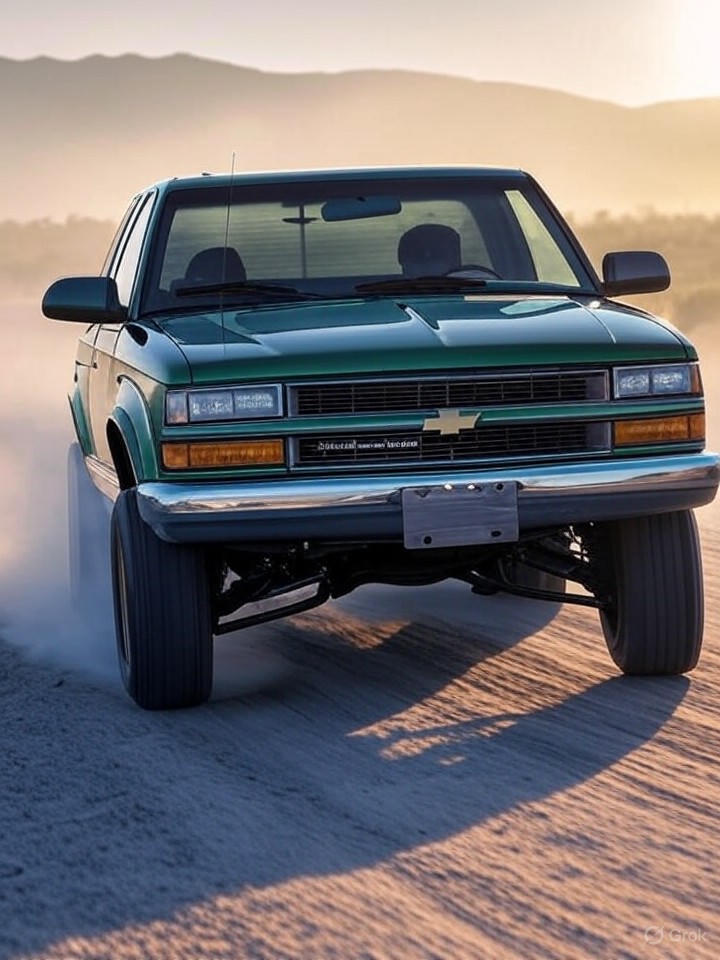
Full-size body-on-frame 4WD with a proven small-block V8. Far simpler mechanically, much cheaper to maintain, and parts are everywhere in Wisconsin. Lacks the luxury and prestige of the Range Rover but is drastically more reliable as a daily driver.