Frame rail, floor pan, and unibody rust
high- Typically appears
- Any age/mileage — rust is time-driven
- Estimated repair
- $500 – $4,000
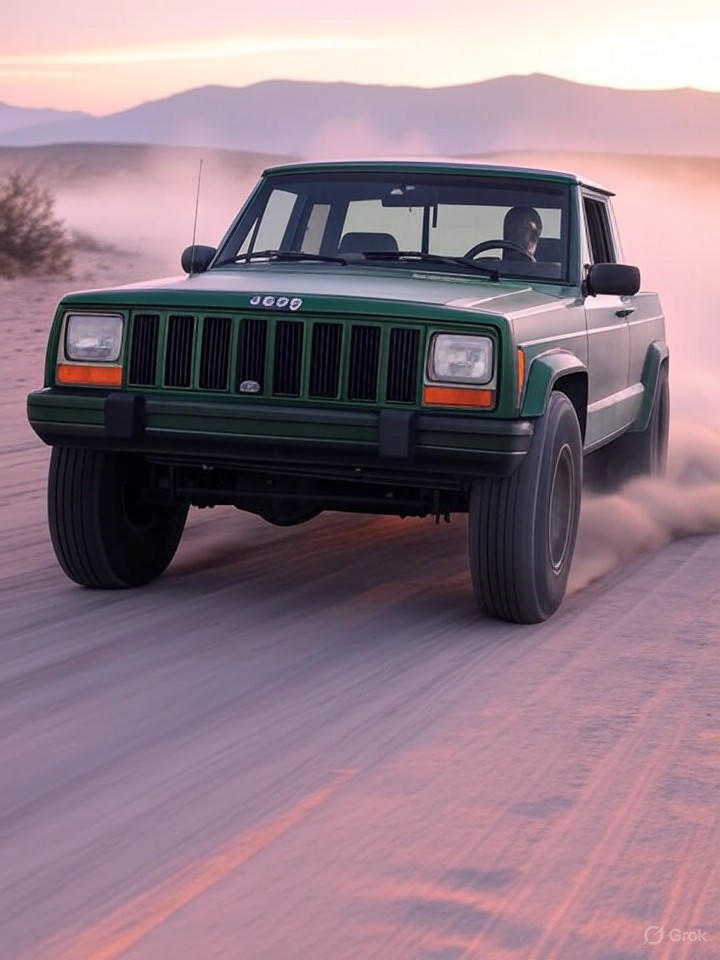
1992 Jeep
4.0L I6 · Pickup
The 1992 Jeep Comanche Regular Cab is a compact pickup truck built on the same XJ Cherokee platform that earned a devoted following for its ruggedness and simplicity. Produced from 1986 through 1992, the Comanche was Jeep's only factory pickup truck offering of the modern era, and the '92 model year was its last — making surviving examples increasingly collectible. It shares nearly all its mechanical DNA with the XJ Cherokee, which means a robust parts supply and a massive owner community. Under the hood, most 1992 Comanches left the factory with the bulletproof 4.0L inline-six paired with a manual or automatic transmission. This engine is legendary in Jeep circles for longevity and torque. The available Command-Trac or Selec-Trac 4WD systems make it genuinely capable off-road, and the solid front and rear axles keep things simple to repair. Being a 30-plus-year-old vehicle, condition varies wildly. Frame and floor pan rust is the dominant concern — especially on trucks from the Rust Belt or upper Midwest. A clean, well-maintained example is a rewarding driver and a reliable light-duty hauler; a neglected one can be a money pit. Inspect thoroughly before buying.
The 1992 Jeep Comanche Regular Cab is a compact pickup truck built on the same XJ Cherokee platform that earned a devoted following for its ruggedness and simplicity. Produced from 1986 through 1992, the Comanche was Jeep's only factory pickup truck offering of the modern era, and the '92 model year was its last — making surviving examples increasingly collectible. It shares nearly all its mechanical DNA with the XJ Cherokee, which means a robust parts supply and a massive owner community. Under the hood, most 1992 Comanches left the factory with the bulletproof 4.0L inline-six paired with a manual or automatic transmission. This engine is legendary in Jeep circles for longevity and torque. The available Command-Trac or Selec-Trac 4WD systems make it genuinely capable off-road, and the solid front and rear axles keep things simple to repair. Being a 30-plus-year-old vehicle, condition varies wildly. Frame and floor pan rust is the dominant concern — especially on trucks from the Rust Belt or upper Midwest. A clean, well-maintained example is a rewarding driver and a reliable light-duty hauler; a neglected one can be a money pit. Inspect thoroughly before buying.
The 4.0L runs clean oil for a long time, but low-mileage vintage vehicles still accumulate moisture and acids in the oil. Annual changes at minimum keep the engine healthy.
Original or aged coolant loses corrosion inhibitors and attacks the aluminum thermostat housing. Inspect all hoses for cracking — they are 30+ years old.
Solid front axle U-joints dry out, especially on trucks that see off-road use or have been sitting. Catching wear early prevents expensive axle shaft damage.
Brake fluid in 30-year-old systems absorbs moisture aggressively. Flush and inspect all rubber brake lines and hard lines for corrosion, especially underneath.
Road salt accelerates unibody and frame rail corrosion. Power-wash the underside after winter and apply a rust inhibitor/converter to any bare metal annually.
These units hold up well but the gear oil breaks down over time and mileage. Fresh fluid prevents premature wear in the Command-Trac or Selec-Trac transfer case.
The 4.0L cast-iron exhaust manifold is notorious for cracking. A ticking sound on cold start that fades as the engine warms is the classic symptom — catch it before it cracks through completely.
Lake Geneva winters are brutal on aging batteries. A 30-year-old vehicle likely has a battery that struggles at -10°F. Test every fall and replace proactively if it shows weakness.
Always defer to the manufacturer's service manual for warranty-mandated intervals.
Day-to-day mechanical costs are low when the truck is in good shape — the 4.0L and drivetrain are simple and parts are cheap thanks to XJ Cherokee overlap. The wildcard is rust repair and deferred maintenance on a 30+ year old vehicle. Budget generously in year one if the purchase price was low — there is almost always catch-up work to do. Expect $600–$1,800/year in a well-maintained state; a truck needing structural rust work can run $2,000–$5,000+ in a single season.
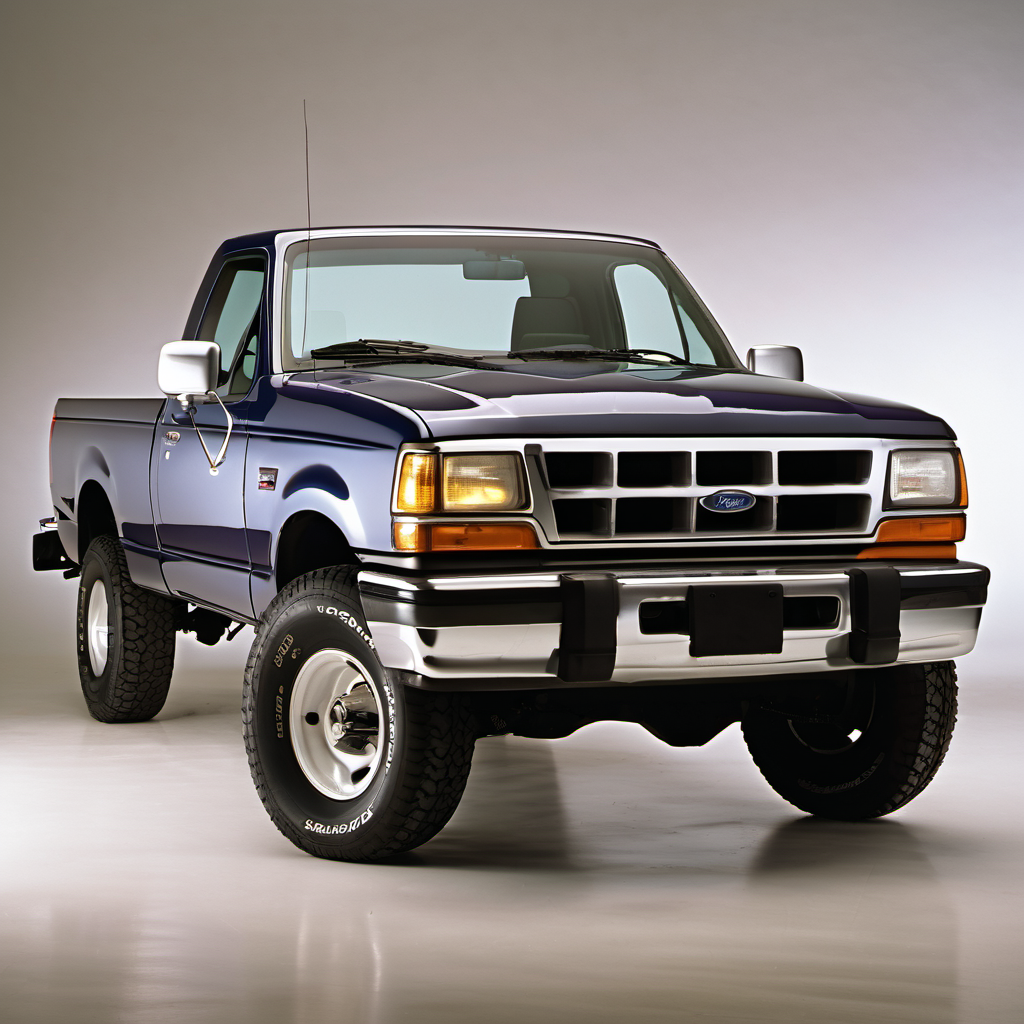
Direct competitor in the compact pickup segment — similar size, payload, and 4WD availability. More common, meaning more parts availability, but less off-road capable than the Comanche's solid axles.
The Toyota compact truck of the same era is equally legendary for reliability and rust resistance (especially Western market trucks). Less capable off-road stock but often better preserved. Strong comparison for buyers wanting a reliable vintage compact.
No catalog match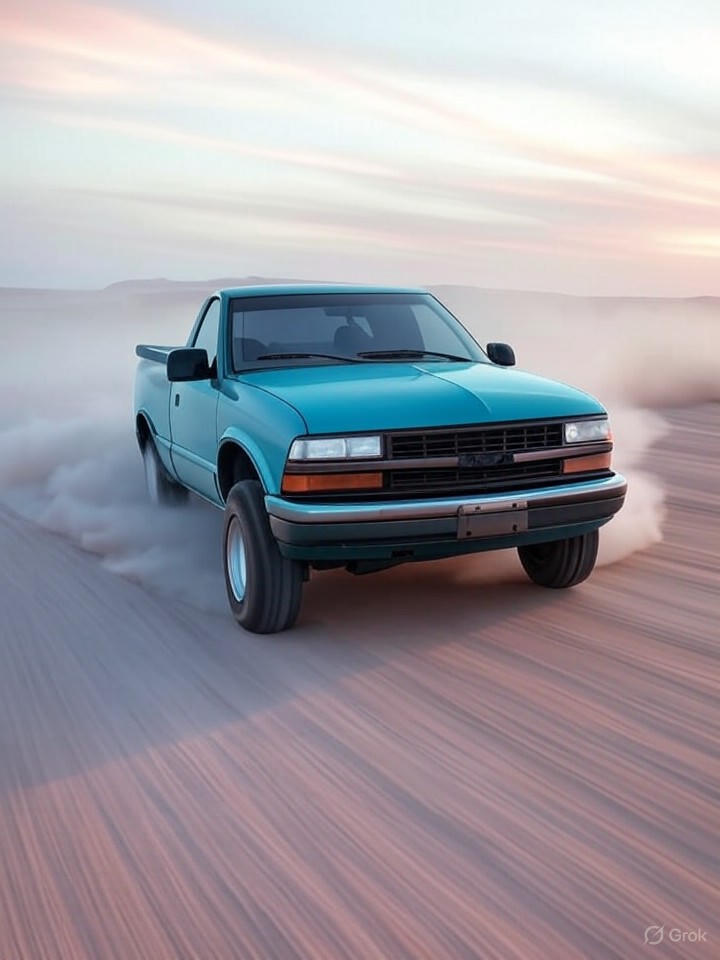
GM's answer to the compact truck market in 1992. More commonplace and parts are plentiful, but the platform is less rugged off-road. A good alternative if the buyer prioritizes daily driver practicality over trail capability.
Nissan's compact truck was known for bulletproof reliability in this era. Solid axle in the rear, good payload for size. A worthy alternative if a clean Comanche can't be found at a fair price.
No catalog match