Timing belt failure
high- Typically appears
- Any mileage on a 30+ year old belt
- Estimated repair
- $200 – $450
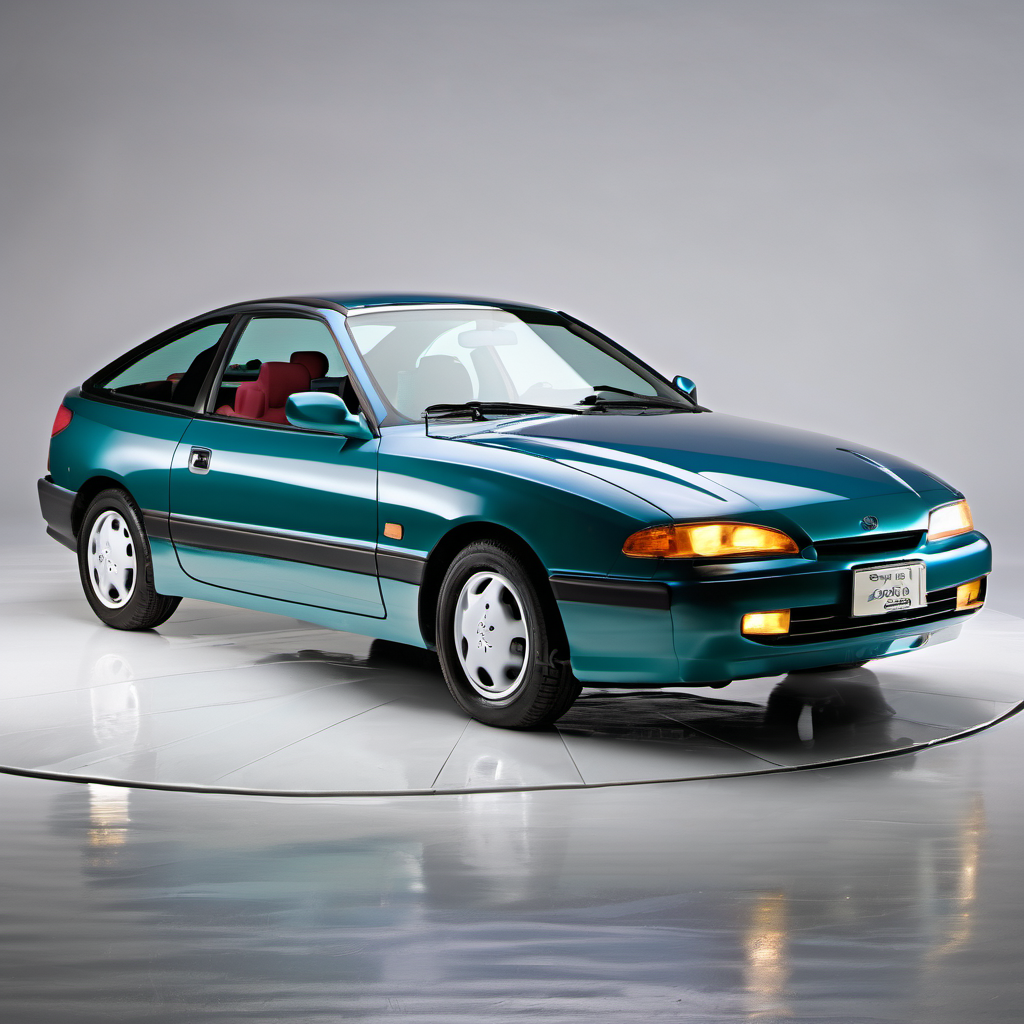
1992 Hyundai
Coupe
The 1992 Hyundai Scoupe is a compact, front-wheel-drive sport coupe sold in the United States from 1991 through 1995. Based on the Excel/Accent platform, it was Hyundai's entry-level sporty offering — affordable, lightweight, and reasonably fuel-efficient for its era. Power came from a 1.5L four-cylinder in either naturally aspirated or turbocharged form, with a modest but adequate output for daily commuting. The Scoupe was never a performance benchmark, but it filled a niche for budget-conscious buyers who wanted something that looked sportier than a basic econobox. Build quality reflected its price point — thin sheet metal, basic interior materials, and mechanicals that were straightforward to service but demanded consistent maintenance to reach higher mileage. At over 30 years old, surviving Scoupes are rare. Most have been through multiple owners and variable maintenance histories. Any example you encounter today should be treated as a project car or collector curiosity rather than reliable daily transportation without a thorough inspection and likely refresh of wear items.
The 1992 Hyundai Scoupe is a compact, front-wheel-drive sport coupe sold in the United States from 1991 through 1995. Based on the Excel/Accent platform, it was Hyundai's entry-level sporty offering — affordable, lightweight, and reasonably fuel-efficient for its era. Power came from a 1.5L four-cylinder in either naturally aspirated or turbocharged form, with a modest but adequate output for daily commuting. The Scoupe was never a performance benchmark, but it filled a niche for budget-conscious buyers who wanted something that looked sportier than a basic econobox. Build quality reflected its price point — thin sheet metal, basic interior materials, and mechanicals that were straightforward to service but demanded consistent maintenance to reach higher mileage. At over 30 years old, surviving Scoupes are rare. Most have been through multiple owners and variable maintenance histories. Any example you encounter today should be treated as a project car or collector curiosity rather than reliable daily transportation without a thorough inspection and likely refresh of wear items.
The 1.5L is an interference engine. A snapped belt causes severe internal damage. On a 30-year-old car, assume it's overdue unless you have paperwork proving otherwise.
Original rubber hoses are 30+ years old and can fail without warning. Inspect all hoses, the radiator, and thermostat. Replace preventively — a roadside overheat on a vintage car is costly.
Short-trip Wisconsin driving leads to moisture and acid buildup in oil. Frequent changes are especially critical on turbo-equipped examples to protect the turbo bearings.
Old fuel injectors or carbureted components gum up from ethanol-blended fuel sitting in the system. A fresh fuel filter and injector clean improves cold starts significantly.
Brake lines on Midwest cars are vulnerable to internal and external corrosion. A line failure is a safety emergency. Inspect and replace as needed before driving.
Wisconsin winters demand a strong battery. Cold-cranking a 30-year-old engine in sub-zero temps on a weak battery is a recipe for a no-start — or a damaged starter.
Lake Geneva roads get heavily salted. Inspect the frame rails, floor pans, fuel lines, and brake lines every fall. Treat bare metal promptly to slow further corrosion.
Torn CV boots let grease escape and allow grit in, destroying the joint. Replacements are still findable but not always easy to source — catch torn boots early.
Always defer to the manufacturer's service manual for warranty-mandated intervals.
Day-to-day fuel and insurance costs are among the lowest of any vehicle on the road. The real ownership wildcard is maintenance and repair — parts can require searching, and any rust remediation or major repair job may exceed the car's market value. Budget generously for the unexpected, especially in the first year of ownership.
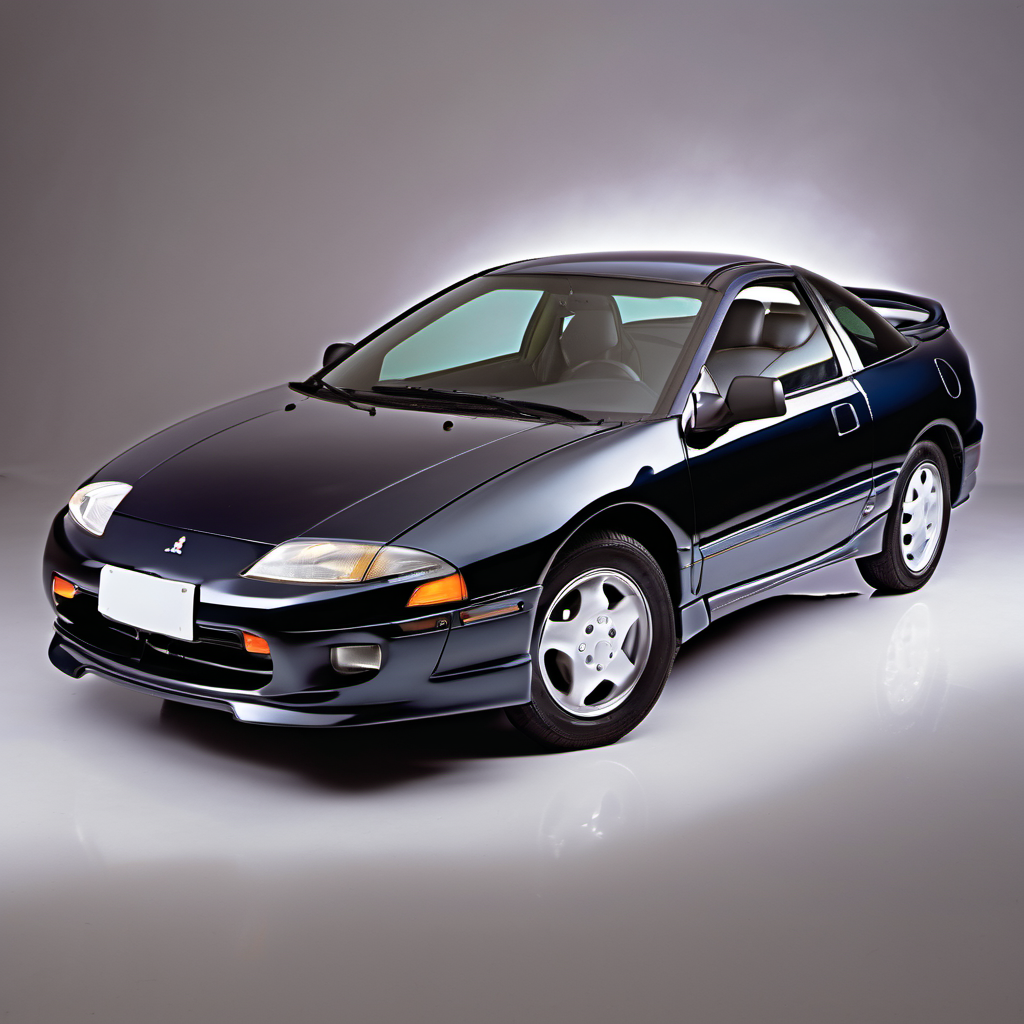
Same era, same FWD compact sport coupe segment, more powerful and better supported with aftermarket parts, but similar age-related concerns.
Comparable size, price range, and sport-coupe mission. Honda's superior build quality and parts availability make it a stronger long-term proposition, but also commands a higher price today.
No catalog match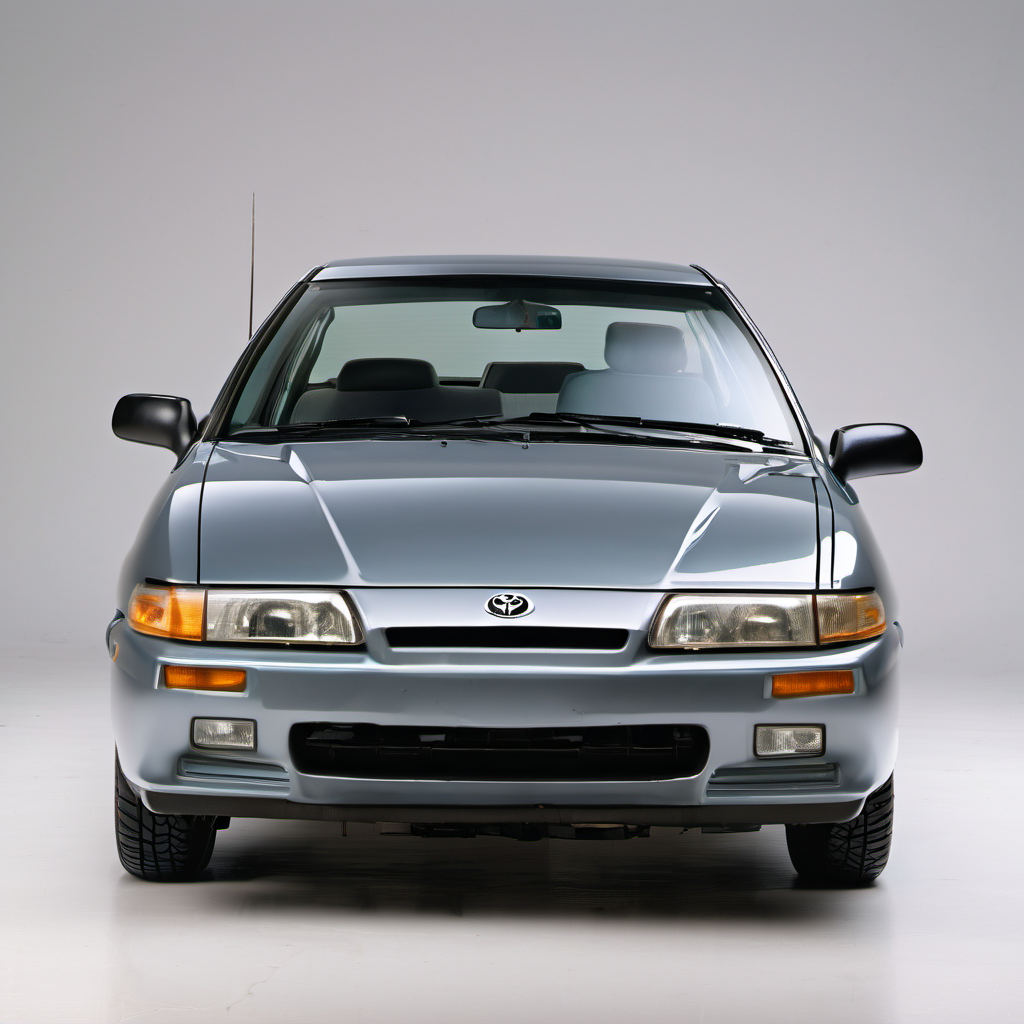
Nearly identical mission — affordable, lightweight FWD sport coupe with a small four-cylinder. Toyota's better corrosion resistance and parts supply give it a practical edge.
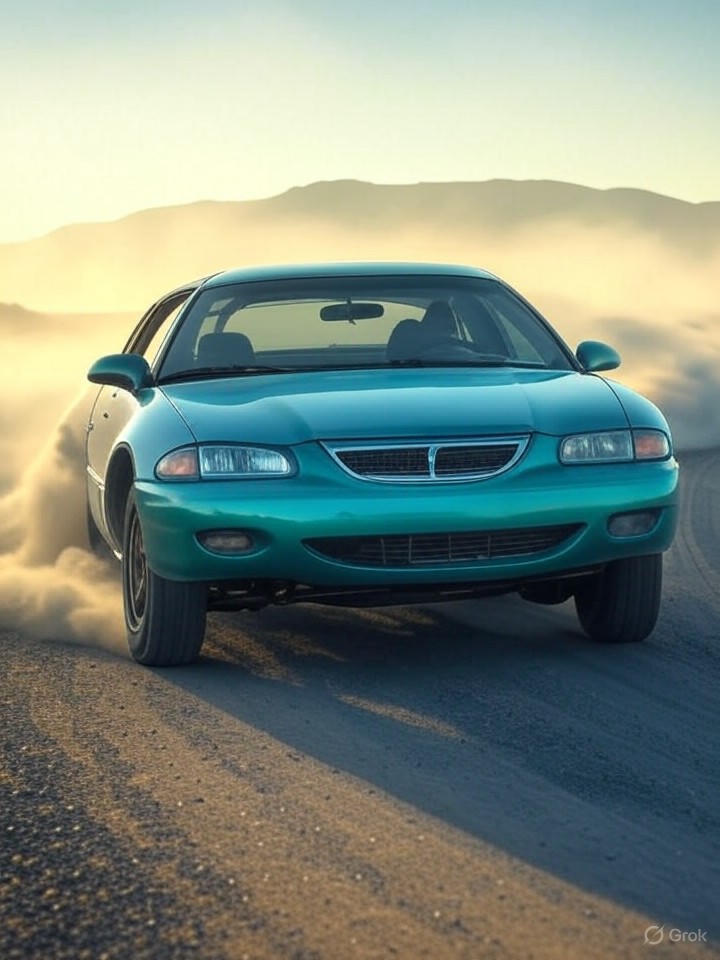
Budget sport coupe of the same period, similar price and feature set. Also suffers from age and rust issues, but shared Isuzu mechanicals mean some parts are still findable.