Frame and floor pan rust
high- Typically appears
- All mileages on Midwest/salt-belt examples
- Estimated repair
- $500 – $4,000
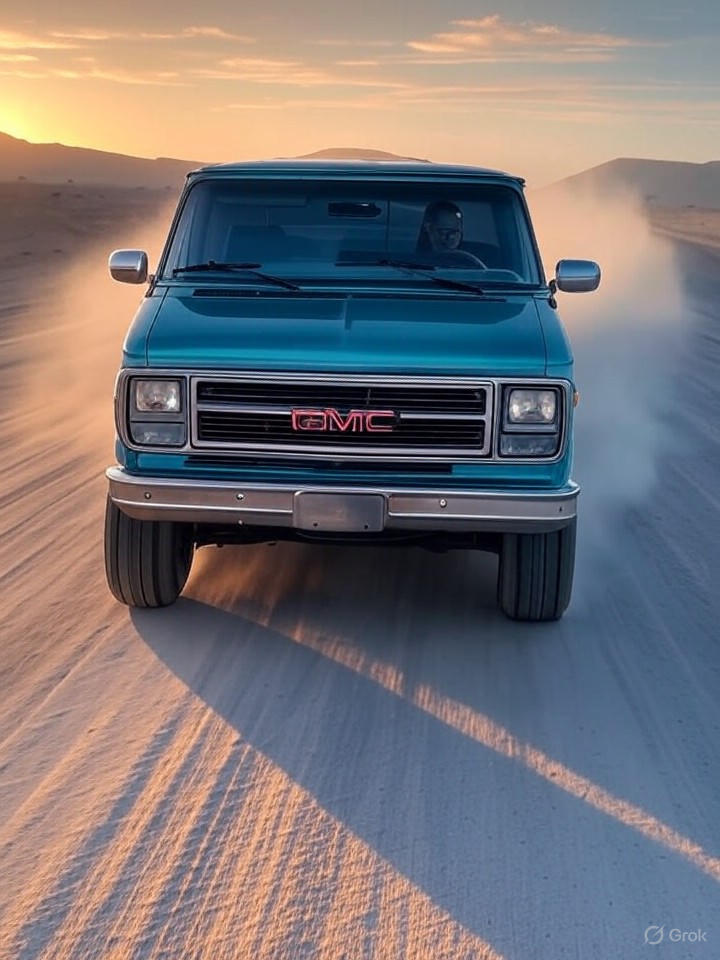
1992 GMC
5.7L V8 TBI · Van/Minivan
The 1992 GMC Vandura 3500 is a full-size, body-on-frame cargo and passenger van built on GM's long-running G-Series platform. It represents the final generation of this design lineage before the Savana replaced it in 1996. The 3500 designation means it's rated for heavy-duty use — heavier payload, beefier rear axle, and typically equipped with the largest available engines of the era. These vans were workhorses first. Fleet operators, contractors, conversion van builders, and church transport services all relied on them. Mechanically they are straightforward: carburetor or TBI fuel injection, simple automatic transmission, and a chassis that any independent shop can work on without special tools or software. Parts remain widely available and inexpensive thanks to shared components across GM's full-size truck line. By 2025 any surviving Vandura 3500 will be well into its third decade. That means you're evaluating the condition of a specific truck, not the platform's original reliability. Rust, deferred maintenance, and worn-out seals and rubber components are the story at this age — not powertrain design flaws.
The 1992 GMC Vandura 3500 is a full-size, body-on-frame cargo and passenger van built on GM's long-running G-Series platform. It represents the final generation of this design lineage before the Savana replaced it in 1996. The 3500 designation means it's rated for heavy-duty use — heavier payload, beefier rear axle, and typically equipped with the largest available engines of the era. These vans were workhorses first. Fleet operators, contractors, conversion van builders, and church transport services all relied on them. Mechanically they are straightforward: carburetor or TBI fuel injection, simple automatic transmission, and a chassis that any independent shop can work on without special tools or software. Parts remain widely available and inexpensive thanks to shared components across GM's full-size truck line. By 2025 any surviving Vandura 3500 will be well into its third decade. That means you're evaluating the condition of a specific truck, not the platform's original reliability. Rust, deferred maintenance, and worn-out seals and rubber components are the story at this age — not powertrain design flaws.
The 5.7L TBI V8 predates modern long-life oil specs. Shorter intervals protect the engine and help catch coolant or fuel contamination early.
30-year-old rubber fuel hoses are a fire hazard. This is non-negotiable on any example with unknown service history.
Steel brake lines rust from the inside out in salt environments. A line failure at highway speed is catastrophic. This van's weight makes brake condition critical.
Old coolant loses corrosion inhibitors and accelerates aluminum and iron corrosion inside the block and heater core.
Ball joints and tie rod ends have grease zerks that must be serviced regularly. Dry joints wear rapidly and cause dangerous handling on a heavy van.
Wisconsin road salt is brutal. Catching surface rust early and treating it is far cheaper than structural repairs.
The TBI 5.7L uses a traditional distributor ignition. Old plug wires and a worn cap cause hard starts and rough running, especially in cold weather.
Cold cranking a heavy V8 in sub-zero Wisconsin temperatures demands a strong battery and healthy alternator. A 30-year-old charging system should be verified, not assumed.
Always defer to the manufacturer's service manual for warranty-mandated intervals.
Day-to-day running costs are moderate if the van is in solid mechanical shape. The real wildcard is deferred maintenance on a 30-year-old vehicle: a single brake line replacement, fuel system refresh, or suspension overhaul can easily top $1,000. Budget generously for the first year of ownership to address age-related items. Parts are cheap; labor adds up on a large, heavy vehicle.
Mechanically identical — the Chevy G30 and GMC Vandura 3500 share the same platform, engines, and body. Parts interchangeability is essentially 100%.
No catalog matchDirect competitor in the heavy-duty full-size van segment. Ford's 7.3L diesel option gives the E-350 a longevity edge for high-mileage buyers, but gasoline versions are similarly aged.
No catalog match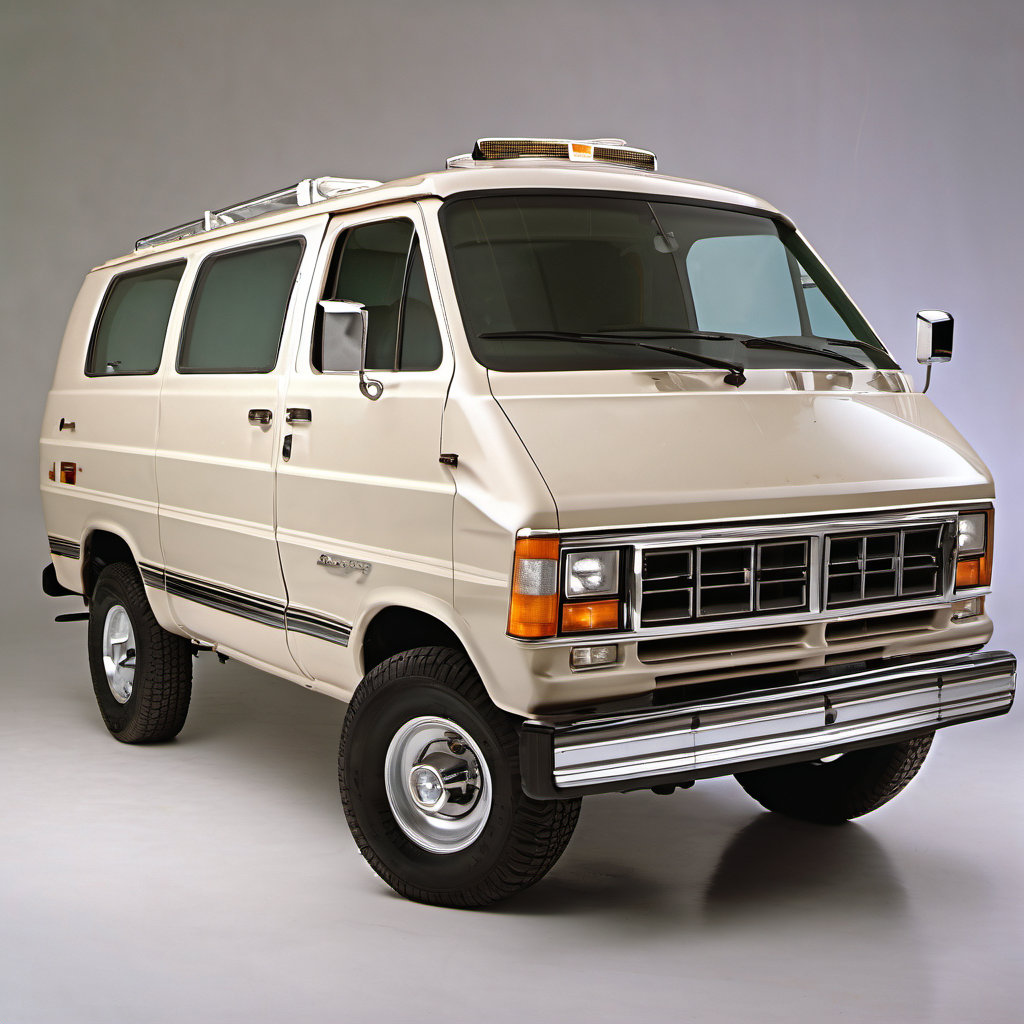
Same era, same mission. The B350 uses a different platform but targets the same cargo/passenger market. Generally considered slightly less rust-resistant than GM equivalents.
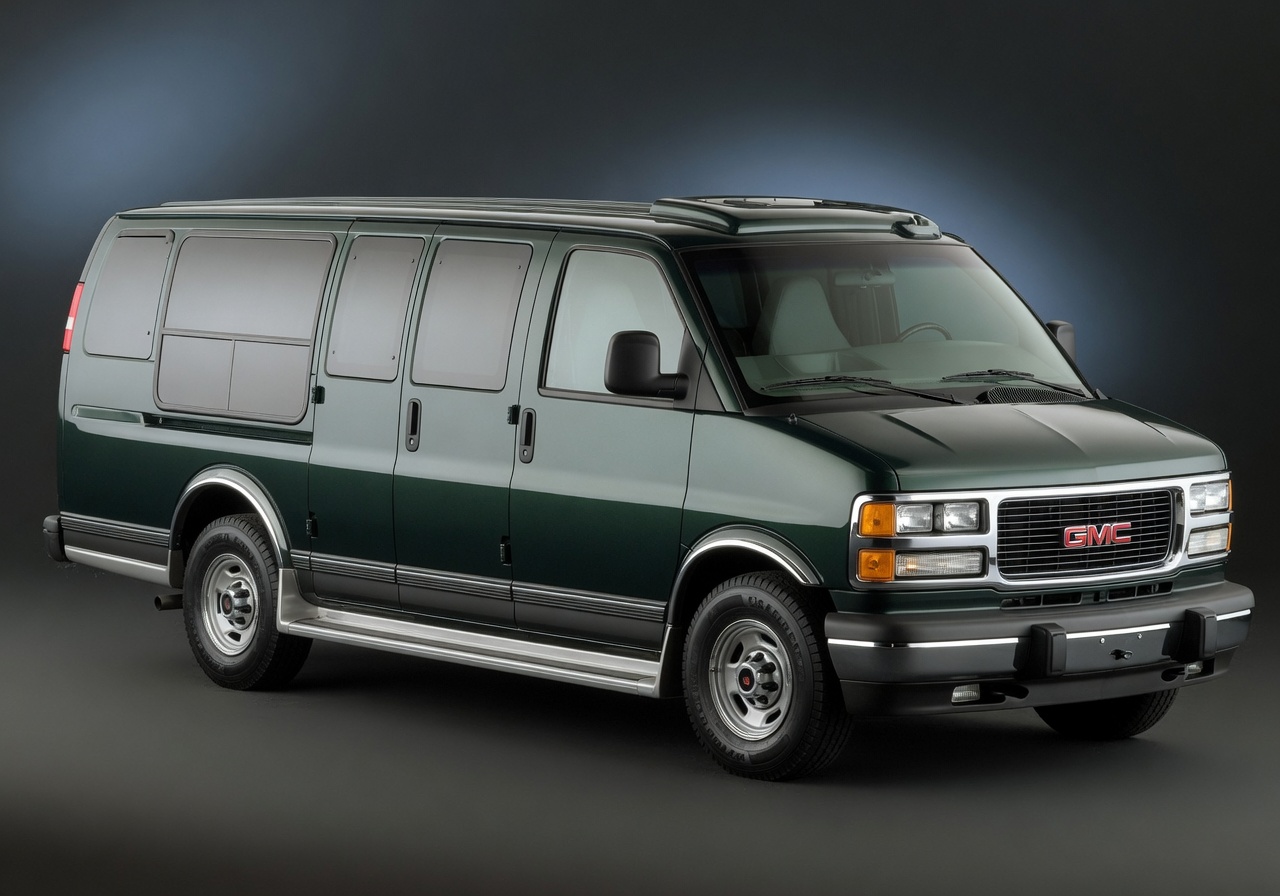
The direct successor to the Vandura. If you need a heavy-duty full-size van for the same job but want OBD-II diagnostics, better safety, and a more modern structure, the Savana is the natural step up.