CPI Spider Injector Failure (4.3L V6)
high- Typically appears
- 80–150k mi
- Estimated repair
- $400 – $900
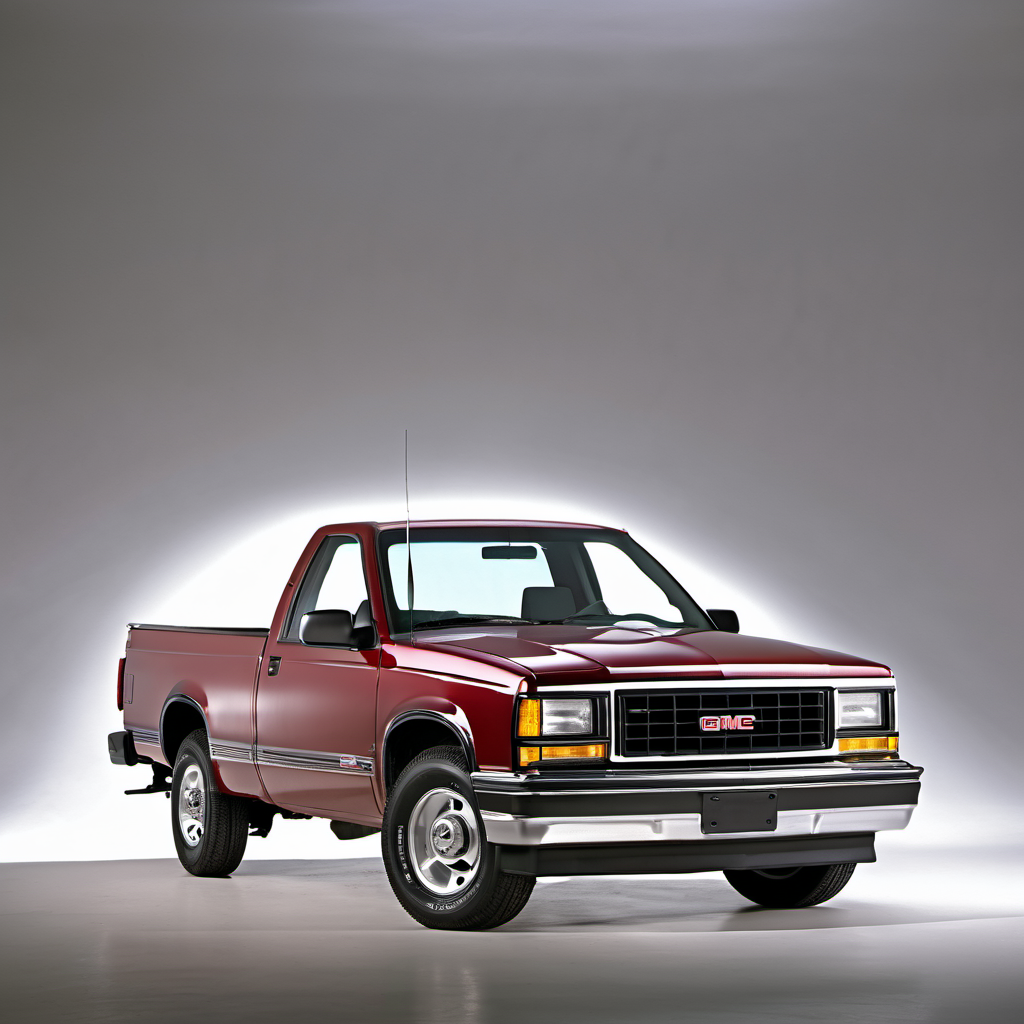
1992 GMC
4.3L V6 (Vortec CPI) · Pickup
The 1992 GMC Sonoma Regular Cab is a compact pickup truck built on GM's S-10 platform, shared with the Chevrolet S-10. It was a workhorse-oriented, no-frills small truck that appealed to buyers who needed light-duty hauling without the bulk or fuel cost of a full-size. By 1992 the Sonoma had settled into a mature second generation with decent powertrain choices and a straightforward body-on-frame design that owners could maintain themselves. These trucks were popular throughout the Midwest for farm use, small contractors, and everyday driving. Compared to modern trucks they're spartan inside, but that simplicity is also a strength — there's very little to break electronically, and most mechanical work can be done with basic tools. Parts remain widely available and inexpensive. At over 30 years old, any surviving 1992 Sonoma should be considered a high-mileage used vehicle. Rust is the single biggest concern, especially in Wisconsin where road salt is a fact of life. A truck that has lived its whole life in a rust-belt state needs a thorough undercarriage inspection before purchase or continued use.
The 1992 GMC Sonoma Regular Cab is a compact pickup truck built on GM's S-10 platform, shared with the Chevrolet S-10. It was a workhorse-oriented, no-frills small truck that appealed to buyers who needed light-duty hauling without the bulk or fuel cost of a full-size. By 1992 the Sonoma had settled into a mature second generation with decent powertrain choices and a straightforward body-on-frame design that owners could maintain themselves. These trucks were popular throughout the Midwest for farm use, small contractors, and everyday driving. Compared to modern trucks they're spartan inside, but that simplicity is also a strength — there's very little to break electronically, and most mechanical work can be done with basic tools. Parts remain widely available and inexpensive. At over 30 years old, any surviving 1992 Sonoma should be considered a high-mileage used vehicle. Rust is the single biggest concern, especially in Wisconsin where road salt is a fact of life. A truck that has lived its whole life in a rust-belt state needs a thorough undercarriage inspection before purchase or continued use.
An engine this age benefits from shorter intervals, especially if oil consumption or minor leaks are present. Use a conventional or high-mileage-formula oil.
A clogged filter strains the aging in-tank fuel pump, the most expensive single-item failure on these trucks.
Intake manifold gaskets and lower intake ports are failure-prone. Catching a slow coolant leak early prevents engine damage.
Steel brake lines on Wisconsin trucks rust from the inside out. A catastrophic line failure is life-threatening. This is non-negotiable on any 30-year-old Midwest vehicle.
These older trucks have greaseable fittings; skipping them accelerates ball joint and tie rod wear dramatically in wet/salt conditions.
Rubber degrades with age regardless of mileage. A belt or hose failure in a Wisconsin winter is a serious roadside problem.
The 4L60 transmission behind the 4.3L is serviceable but sensitive to neglected fluid. Dark, burnt-smelling fluid is a warning sign of impending failure.
Annual undercoating or rust-inhibitor application on exposed frame, floor pans, and wheel wells dramatically extends the safe life of any vehicle in Lake Geneva's salt environment.
Always defer to the manufacturer's service manual for warranty-mandated intervals.
A well-kept 1992 Sonoma is genuinely cheap to own day-to-day — parts are plentiful and inexpensive, and independent shops can work on everything without special tooling. The risk is deferred maintenance catching up all at once: a fuel pump, injector spiders, and brake line repair in the same season can easily exceed the truck's market value. Budget a contingency fund for rust-related repairs, especially brake lines and frame sections.
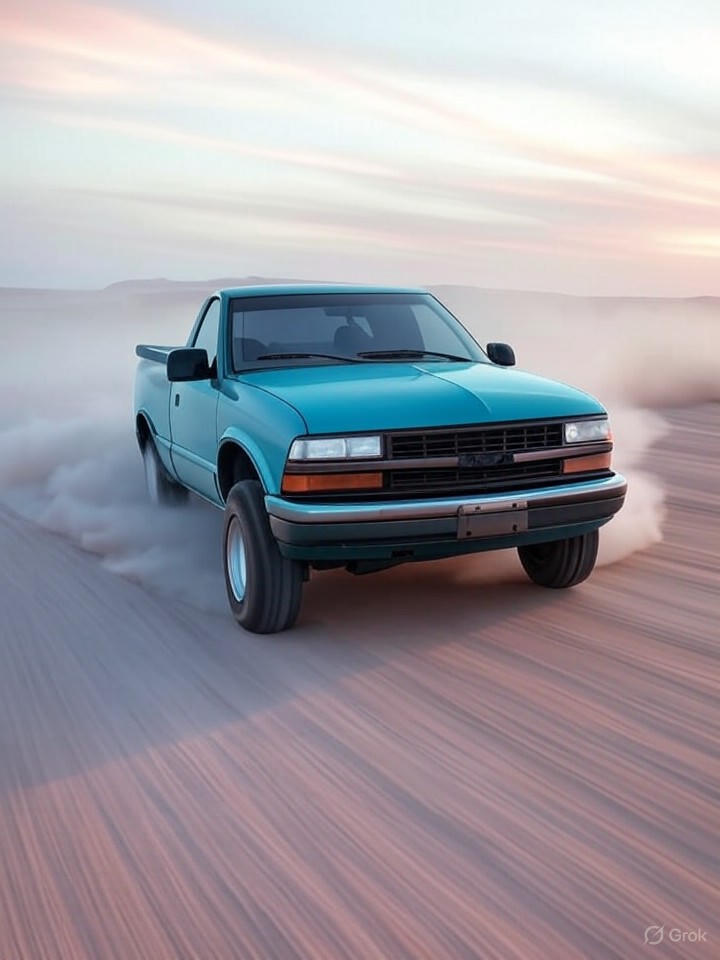
Mechanically identical — same platform, same engines, same parts bin. The only real differences are badging and minor trim details.
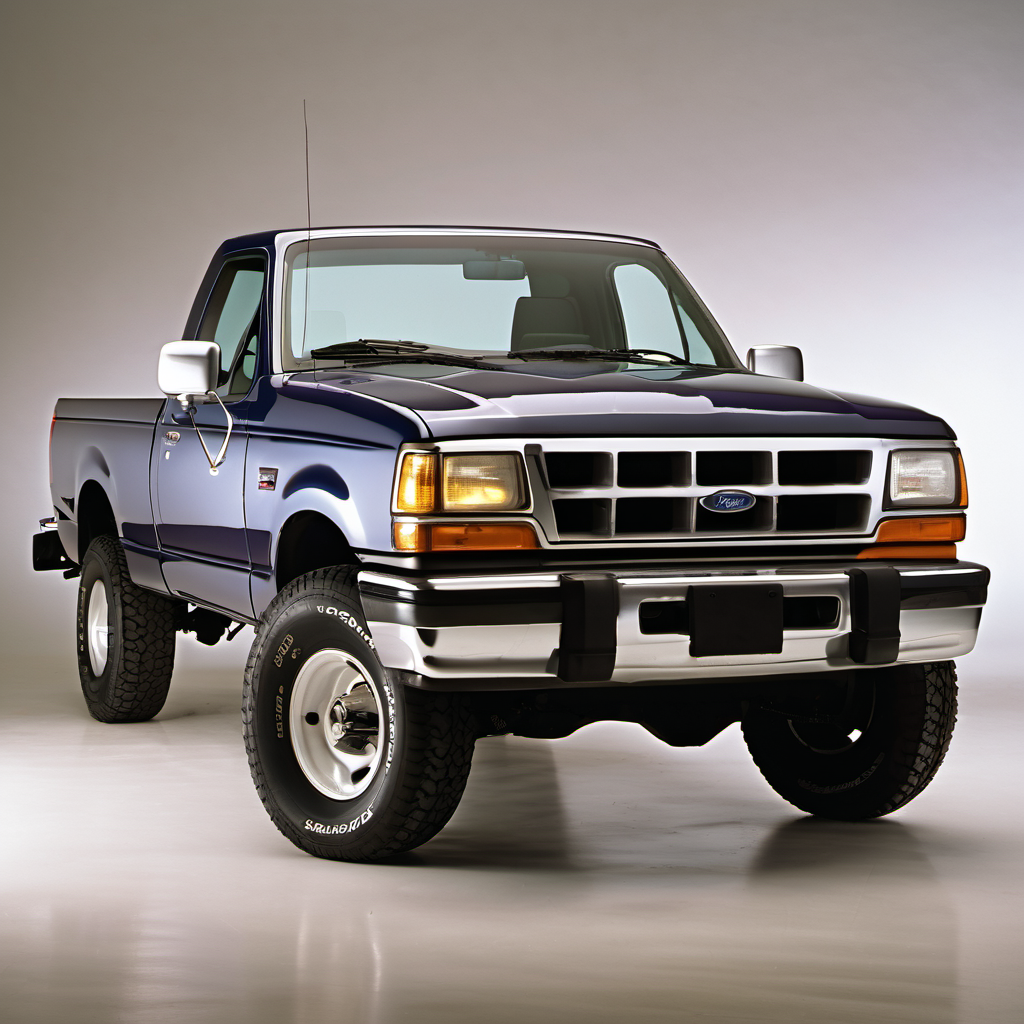
Direct competitor in the compact pickup segment; comparable payload, similar pricing, and comparably simple mechanicals. Generally holds up slightly better against rust.
Same compact truck mission; the Toyota is widely regarded as more rust-resistant and longer-lived, though parts access in the Midwest is less convenient.
No catalog matchComparable size, price point, and use case; known for durable drivetrains and simpler maintenance, though body rust on upper-Midwest examples is also a concern.
No catalog match