Frame and body rust
high- Typically appears
- All mileages on upper Midwest examples
- Estimated repair
- $500 – $4,000
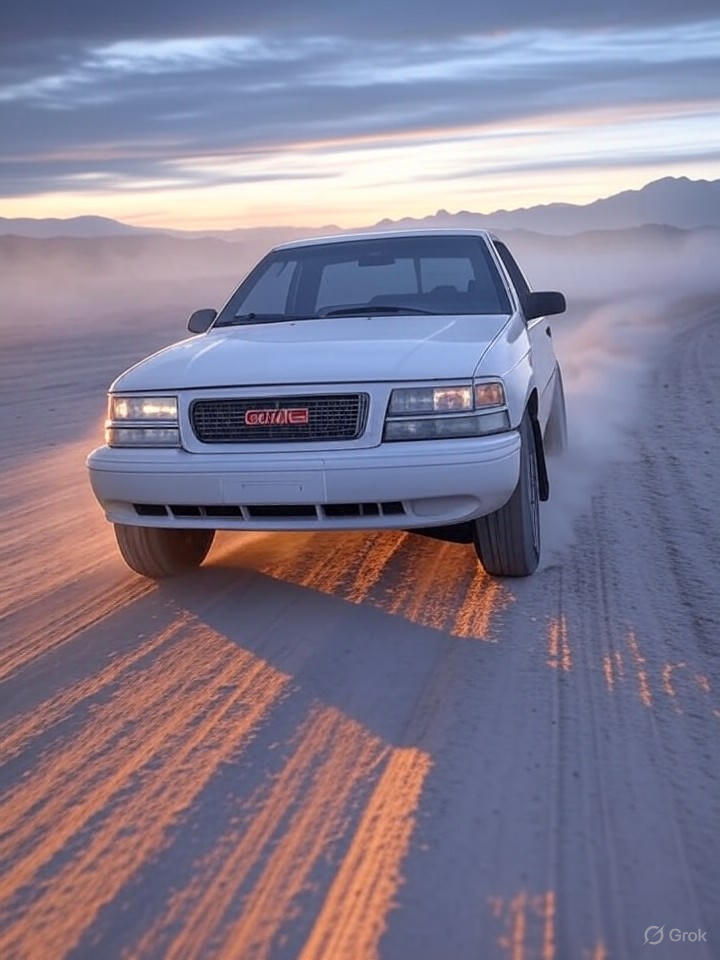
1992 GMC
4.3L V6 (TBI) · Pickup
The 1992 GMC Sonoma Club Cab is a compact pickup from GM's S-Series platform, shared with the Chevrolet S-10. It offered a small extra seating area behind the front seats — useful for gear storage or occasional rear passengers — while keeping the compact footprint. By 1992 these trucks were well into their second generation, refined but still mechanically simple enough for DIY owners to maintain without specialized tools. The Sonoma was positioned as the slightly more upscale alternative to the S-10, with better interior trim and a few more comfort features. Power came most commonly from a 2.5L four-cylinder or the more capable 2.8L/4.3L V6, with the 4.3L being the engine most owners prefer today for its durability and adequate torque for light hauling. At 30+ years old, any surviving Sonoma has cleared the gauntlet of common early failures. What you're left with is either a well-cared-for survivor or a truck that's been deferred on maintenance. Rust — particularly on the frame, cab corners, and bed floor — is the dominant concern on any upper Midwest example of this vintage.
The 1992 GMC Sonoma Club Cab is a compact pickup from GM's S-Series platform, shared with the Chevrolet S-10. It offered a small extra seating area behind the front seats — useful for gear storage or occasional rear passengers — while keeping the compact footprint. By 1992 these trucks were well into their second generation, refined but still mechanically simple enough for DIY owners to maintain without specialized tools. The Sonoma was positioned as the slightly more upscale alternative to the S-10, with better interior trim and a few more comfort features. Power came most commonly from a 2.5L four-cylinder or the more capable 2.8L/4.3L V6, with the 4.3L being the engine most owners prefer today for its durability and adequate torque for light hauling. At 30+ years old, any surviving Sonoma has cleared the gauntlet of common early failures. What you're left with is either a well-cared-for survivor or a truck that's been deferred on maintenance. Rust — particularly on the frame, cab corners, and bed floor — is the dominant concern on any upper Midwest example of this vintage.
Older TBI engines lack modern oil life monitoring; shorter intervals protect against sludge buildup in aging engines with higher blowby.
Steel brake lines on Wisconsin trucks corrode from the inside out. A 30-year-old line can fail without warning. Replace any line showing surface rust pitting.
Aged fuel tanks accumulate sediment; a clean filter protects the fuel pump and TBI injectors.
Original or aged hoses become brittle and collapse internally, restricting flow. A failure in winter is a serious problem.
TBI V6 ignition components degrade with age and moisture; fresh ignition parts resolve most cold-start complaints on these trucks.
Catch frame rust, brake line corrosion, and exhaust hanger failures before they become safety issues. Apply rust inhibitor to bare metal.
Cold cranking demand on a 4.3L at sub-zero temps is significant. A marginal battery that starts fine in September will leave you stranded in January.
Vacuum-actuated 4WD systems on these trucks seize when not used. Regular engagement prevents actuator and shift fork failures.
Always defer to the manufacturer's service manual for warranty-mandated intervals.
Day-to-day running costs on a well-maintained Sonoma are low — parts are cheap and plentiful through the S-10 parts network. The wildcard is deferred maintenance and rust remediation, which can push a single year's spending well past $3,000 on a neglected example. Budget conservatively and get a pre-purchase inspection from an independent shop before buying.
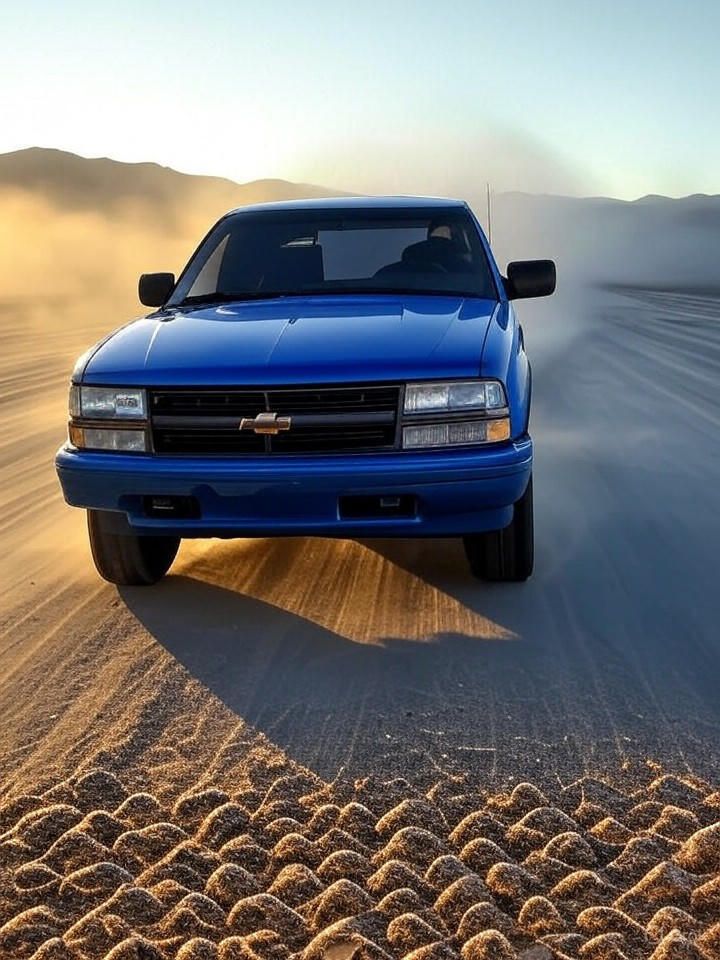
Mechanically identical platform — same engines, same chassis, identical parts. The only differences are badging and minor trim. A well-maintained S-10 is a direct substitute.
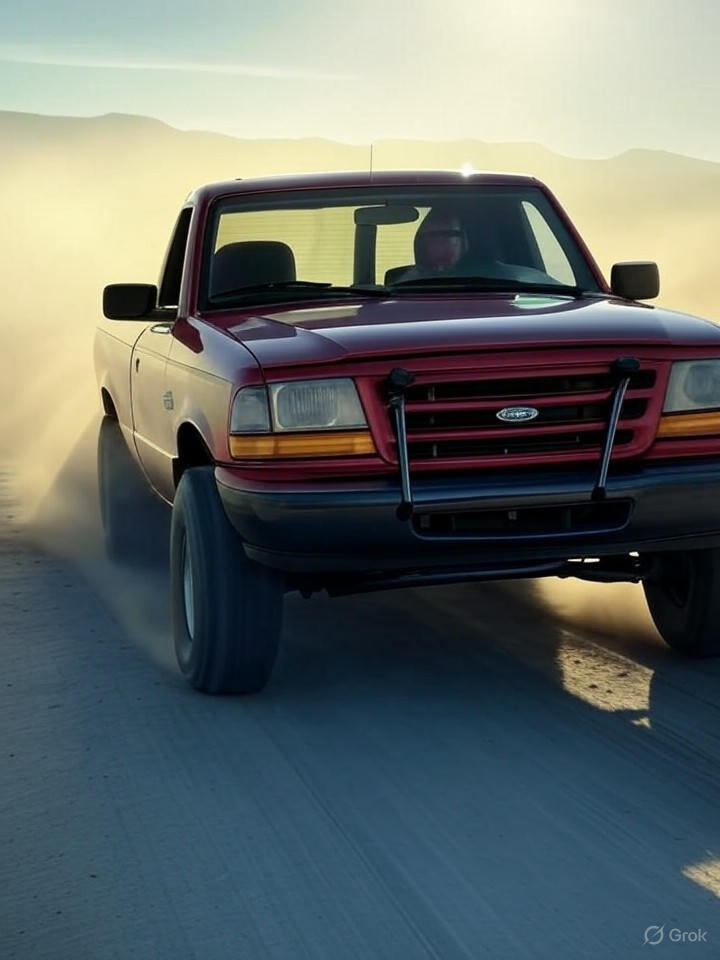
Same era compact pickup with extended cab, similar payload and towing capability. The 4.0L OHV V6 Ranger is comparably reliable but parts ecosystems differ.
Toyota's compact truck of the same era. Generally more rust-resistant and often more reliable long-term, though parts are slightly harder to source locally and prices are higher.
No catalog matchCompetitive compact truck with similar mission and price point. The KA24E engine has a strong reputation for longevity, though the platform is less common in the upper Midwest.
No catalog match