TBI Fuel System Wear (Injector & Fuel Pressure Regulator)
high- Typically appears
- 80–150k mi
- Estimated repair
- $150 – $550
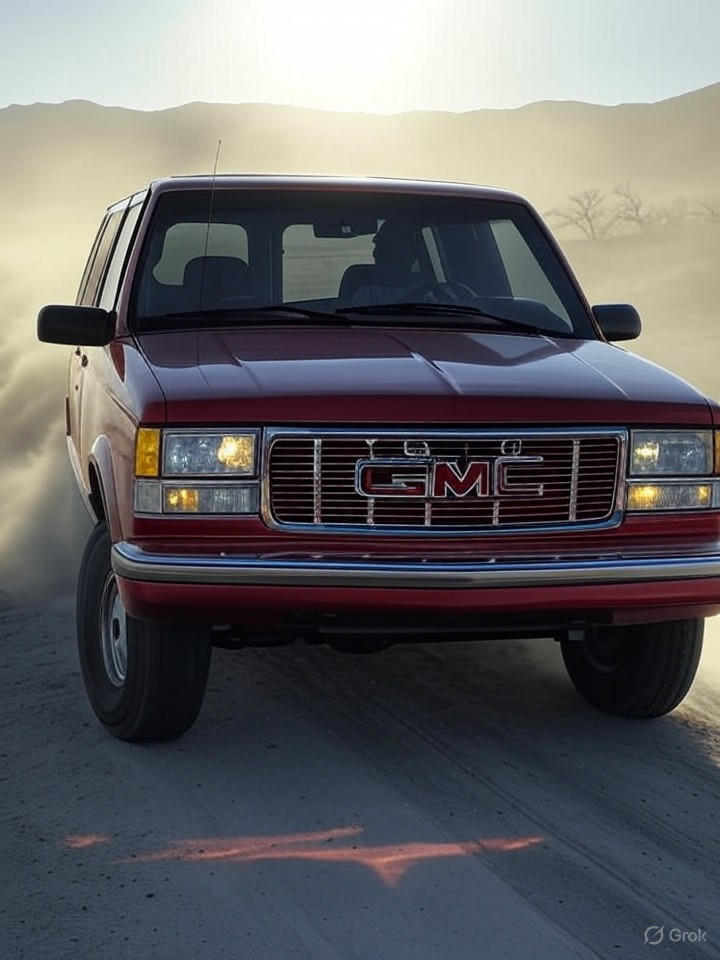
1992 GMC
4.3L V6 TBI · Van/Minivan
The 1992 GMC Safari is a rear-wheel-drive (or optional all-wheel-drive) full-size minivan built on GM's G-Van platform, sharing its bones with the Chevrolet Astro. Unlike the front-wheel-drive minivans of its era (Dodge Caravan, Chrysler Town & Country), the Safari rides on a truck-based chassis with a front-engine, rear-drive layout that gives it a higher tow rating and more robust mechanicals — at the cost of some ride refinement and interior space efficiency. Powered by a 4.3L Vortec V6, the Safari earned a reputation as a dependable workhorse that could haul eight passengers or a weekend's worth of gear while towing a small boat or trailer. It was popular with families who needed more utility than a car-based minivan could offer. By 1992 the base powertrain and body were well sorted, though TBI (throttle-body injection) fuel delivery was already showing its age compared to multi-port competitors. These vans are now over 30 years old. Any survivor you encounter today should be evaluated as an aging truck, not a modern minivan — expect wear on rubber, hoses, brake hardware, and the TBI system. Rust is the biggest enemy in Wisconsin salt country, particularly in the floor pans, rear wheel arches, and frame crossmembers.
The 1992 GMC Safari is a rear-wheel-drive (or optional all-wheel-drive) full-size minivan built on GM's G-Van platform, sharing its bones with the Chevrolet Astro. Unlike the front-wheel-drive minivans of its era (Dodge Caravan, Chrysler Town & Country), the Safari rides on a truck-based chassis with a front-engine, rear-drive layout that gives it a higher tow rating and more robust mechanicals — at the cost of some ride refinement and interior space efficiency. Powered by a 4.3L Vortec V6, the Safari earned a reputation as a dependable workhorse that could haul eight passengers or a weekend's worth of gear while towing a small boat or trailer. It was popular with families who needed more utility than a car-based minivan could offer. By 1992 the base powertrain and body were well sorted, though TBI (throttle-body injection) fuel delivery was already showing its age compared to multi-port competitors. These vans are now over 30 years old. Any survivor you encounter today should be evaluated as an aging truck, not a modern minivan — expect wear on rubber, hoses, brake hardware, and the TBI system. Rust is the biggest enemy in Wisconsin salt country, particularly in the floor pans, rear wheel arches, and frame crossmembers.
30+ year old hoses, thermostat, and radiator are the most common failure point. Silicate coolant degrades and becomes corrosive. A cold-snap boil-over or freeze-up in a Wisconsin winter can destroy the engine.
The throttle-body injection system uses a single injector (or two) that is more clog-prone than multi-port designs. A dirty filter or worn injector causes hard starts, rough idle, and poor fuel economy.
The 4.3L V6 distributor ignition system is reliable but the cap and rotor corrode, especially with winter moisture. Misfires on a 30-year-old vehicle are frequently ignition-related first.
Frame crossmembers, floor pans, and rear wheel arches are rust hot spots. Catching surface rust early with rust converter and undercoating is far cheaper than structural repair.
Leaking axle seals soak the rear brake shoes in gear oil, causing brake fade and contaminated drums. It is a known Safari/Astro wear point.
Rubber degrades with age regardless of mileage. At 30+ years, any original belts or hoses are overdue.
Cold cranking amps drop sharply below 0°F. A battery that starts the van fine in October can leave you stranded in January. The 4.3L needs a healthy battery to fire the TBI system reliably in the cold.
Salt and freeze-thaw cycles seize door hinges and latches. A frozen sliding door or rear hatch in a Wisconsin winter is both an inconvenience and a safety hazard.
Always defer to the manufacturer's service manual for warranty-mandated intervals.
The Safari is cheap to insure and buy, but maintenance costs are driven by age, not mileage. Budget on the higher end of the range if the vehicle hasn't had a documented history of regular service. Parts are affordable and widely available through standard auto parts stores. The biggest financial risk is deferred rust repair — what starts as surface rust on floor pans can become a $1,500+ structural job within a few years in a Wisconsin winter environment.
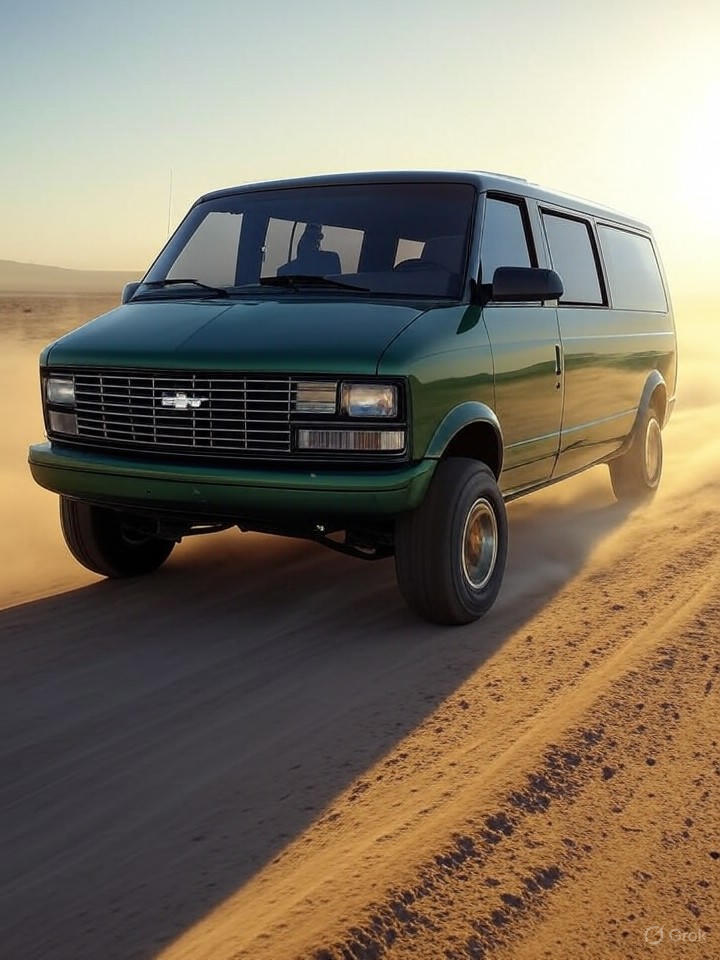
Mechanically identical — same platform, same 4.3L V6, same AWD option. The Astro is the direct twin and parts are fully interchangeable. If you're choosing between them, condition and price should be the only factors.
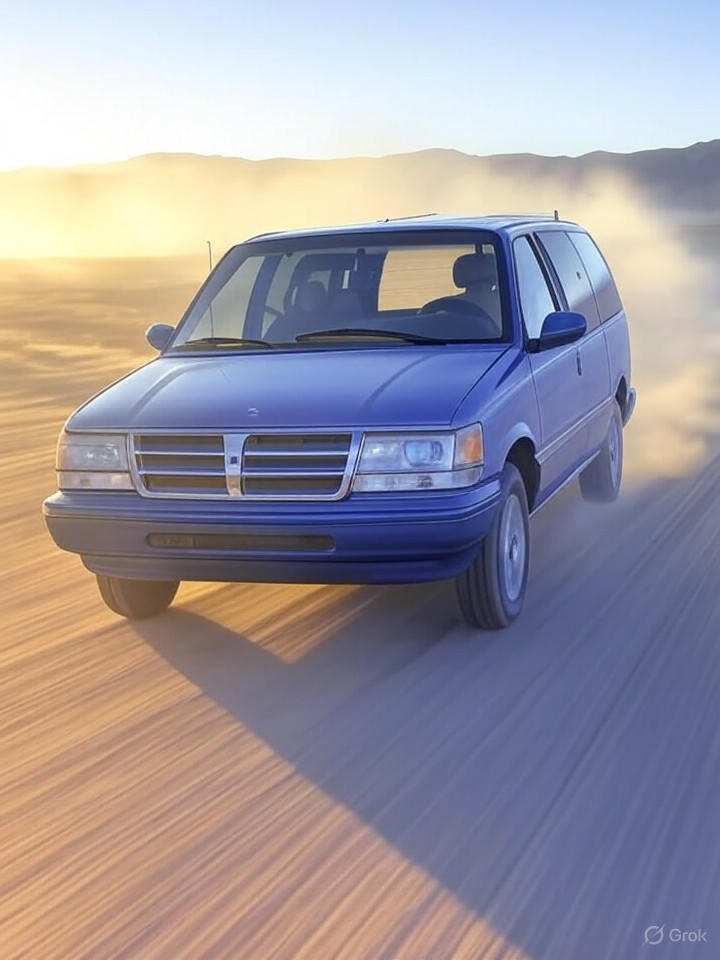
The dominant front-wheel-drive minivan of the era. Better interior space efficiency and lower floor, but weaker tow rating and less durable over 200k miles. A better choice if you don't need AWD or towing.
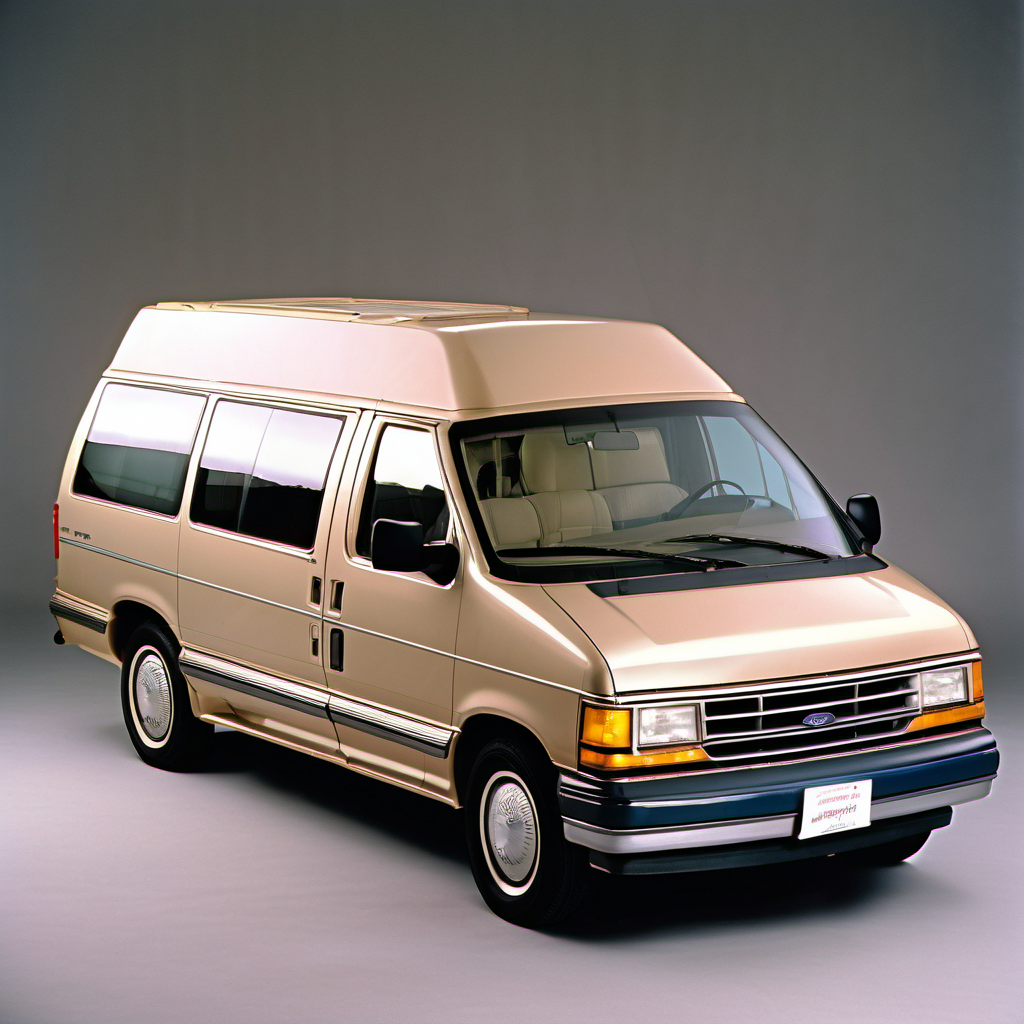
Ford's direct competitor to the Safari — also rear-wheel-drive and available with AWD, similar V6 powertrain. Comparable durability but more limited parts availability today. If you find a well-preserved Aerostar, it deserves the same inspection checklist.
If maximum cargo or passenger capacity is the mission, the full-size G-Van offers more room and similar mechanicals. Harder to park and worse fuel economy, but parts are abundant and the 4.3L or 5.7L options are battle-tested.
No catalog match