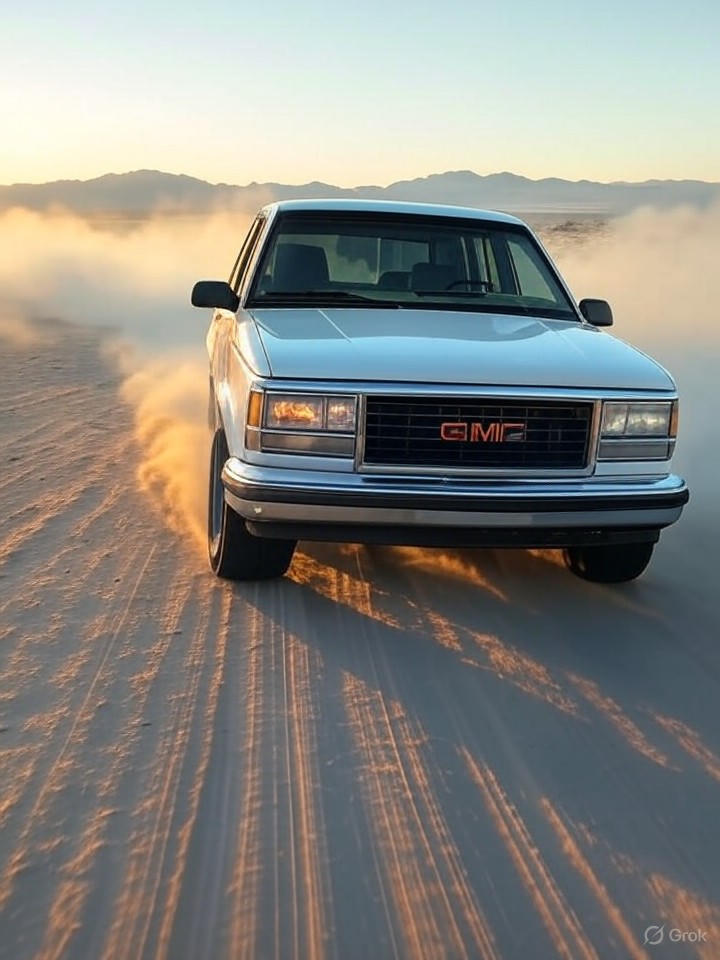
1992 GMC Rally Wagon 2500 Van/Minivan

1992 GMC

Rally Wagon 2500Van/Minivan

5.7L V8 TBI · Van/Minivan

The 1992 GMC Rally Wagon 2500 is a full-size, body-on-frame van built on GM's G-series platform — the same bones shared with the Chevrolet G20/G30 vans of the same era. It sits in the heavy-duty half of the G-series lineup, rated for greater payload than the 1500, and was sold in passenger, cargo, and conversion configurations. By 1992, this generation had been in production for over two decades, which means the mechanical architecture is well understood and parts remain widely available. Power comes from a carbureted or throttle-body-injected small-block V8, routed through a 4-speed automatic to a rear-wheel-drive solid axle. The long wheelbase and boxy body gave it class-leading cargo and passenger volume, and the heavy-duty suspension meant it could haul a full load without squatting. Conversion van versions were popular as family haulers and road-trip rigs; base versions served fleets, churches, and camper-van builders for decades. At over 30 years old, any surviving Rally Wagon 2500 is well into classic/workhorse territory. Rust is the biggest threat to longevity — especially in Wisconsin — and most of the mechanical issues that surface at this age are age-and-neglect driven rather than design flaws. A clean, well-maintained example is still a capable, simple, and highly repairable vehicle.

Reliability
3/5
Verified data
Engine
5.7L V8 TBI
Drivetrain
RWD
Fuel
Gasoline
MPG
11 city / 15 hwy / 13 combined
Seats
8
Doors
3
Body
Van
MSRP
$19,500

Overview

AI-curated

The 1992 GMC Rally Wagon 2500 is a full-size, body-on-frame van built on GM's G-series platform — the same bones shared with the Chevrolet G20/G30 vans of the same era. It sits in the heavy-duty half of the G-series lineup, rated for greater payload than the 1500, and was sold in passenger, cargo, and conversion configurations. By 1992, this generation had been in production for over two decades, which means the mechanical architecture is well understood and parts remain widely available. Power comes from a carbureted or throttle-body-injected small-block V8, routed through a 4-speed automatic to a rear-wheel-drive solid axle. The long wheelbase and boxy body gave it class-leading cargo and passenger volume, and the heavy-duty suspension meant it could haul a full load without squatting. Conversion van versions were popular as family haulers and road-trip rigs; base versions served fleets, churches, and camper-van builders for decades. At over 30 years old, any surviving Rally Wagon 2500 is well into classic/workhorse territory. Rust is the biggest threat to longevity — especially in Wisconsin — and most of the mechanical issues that surface at this age are age-and-neglect driven rather than design flaws. A clean, well-maintained example is still a capable, simple, and highly repairable vehicle.

Known for
  • Extremely durable small-block V8 with decades of parts availability
  • Simple, carbureted or TBI fuel system that is easy to diagnose and repair
  • Large passenger and cargo capacity on a heavy-duty chassis
  • Body-on-frame construction that makes rust repair and restoration practical
Best for
  • Hauling large groups or oversized cargo
  • DIY mechanics who want a simple, analog drivetrain
  • Conversion van builds and camper-van projects
  • Fleet or utility buyers who need rugged, proven hardware
Watch for
  • Frame and body rust — Wisconsin salt makes this a major concern on any surviving example
  • Fuel tank and sending unit corrosion common at this age
  • Aging rubber: brake lines, fuel lines, coolant hoses, and intake manifold gaskets all need inspection
  • Deferred maintenance is the norm on high-mileage survivors — expect to catch up on basics
  • Conversion van interiors can hide water intrusion and structural rust behind paneling

Common issues by mileage

6 known

Fuel tank rust and sending unit failure

high
Typically appears
Any mileage on a 30+ year old vehicle
Estimated repair
$400 – $1,200

Brake line corrosion and failure

high
Typically appears
Any mileage on a 30+ year old vehicle
Estimated repair
$500 – $1,800

Throttle body injector (TBI) issues — dirty or leaking injectors, idle air control valve failure

high
Typically appears
80k–150k+ mi
Estimated repair
$100 – $450

Intake manifold gasket seeping coolant or oil

medium
Typically appears
80k–150k mi
Estimated repair
$300 – $700

700R4 / 4L60 transmission slipping or delayed engagement

medium
Typically appears
100k–180k mi
Estimated repair
$800 – $2,500

Rear axle seal leaks and differential wear

medium
Typically appears
100k+ mi
Estimated repair
$150 – $500

Maintenance schedule

  1. 1
    Immediately on any newly purchased example, then every 3 years Inspect and flush all brake lines and rubber brake hoses

    Steel brake lines on 30-year-old Wisconsin vehicles are a serious safety hazard. External rust can look minor while the line is paper-thin inside. Full replacement in stainless or coated steel is worth the investment.

  2. 2
    Every 3,000–5,000 miles Engine oil and filter change

    The 5.7L TBI V8 predates modern oil life monitors. Stick to conventional intervals, especially if the van sits for extended periods between use.

  3. 3
    Every 15,000–20,000 miles or annually Fuel filter replacement

    Tank sediment and age-related debris are common in older fuel systems. A clogged filter stresses the fuel pump and can cause hard starts and lean stumbles.

  4. 4
    Every 2 years or 30,000 miles Coolant flush and hose inspection

    Silicate coolant in older GM engines depletes its corrosion inhibitors faster than modern long-life formulas. Old hoses crack from the inside out — squeeze them; if they feel stiff or crunch, replace them.

  5. 5
    Every 30,000 miles Inspect and service the TBI throttle body

    Carbon buildup on the throttle bore and sticking idle air control valves are the most common driveability complaints on this engine. A cleaning kit and new IAC valve are cheap insurance.

  6. 6
    Every 30,000 miles Transmission fluid and filter service

    The 700R4/4L60 is reliable when the fluid is kept clean, but it will slip and fail prematurely if the pan hasn't been dropped in decades. Check for metal particles in the pan when servicing.

  7. 7
    Every fall before winter salt season Undercarriage rust inspection and treatment

    Frame rails, crossmembers, fuel/brake lines, and floor pans are all vulnerable. Clean, wire-brush, and treat any bare metal annually. Catching surface rust before it becomes structural rust saves thousands.

  8. 8
    Every fall Battery load test and cable inspection

    A cold Wisconsin winter will kill a marginal battery fast. The big-block V8 demands strong cranking amperage at sub-zero temps. Clean terminals and check for swollen or corroded battery cables at both ends.

Always defer to the manufacturer's service manual for warranty-mandated intervals.

Cost of ownership

Annual maintenance
$600 – $2,000
Fuel
Expect 11–13 MPG in mixed use. At current Midwest prices, budget $3,000–$4,500/year for a daily driver doing 12,000 miles annually.
Insurance
Typically inexpensive to insure as a collector or secondary vehicle — expect $500–$900/year for liability and comprehensive on a clean example. Fleet or commercial use may cost more.

A well-maintained Rally Wagon 2500 is not expensive to keep running — parts are cheap and the mechanicals are simple. The wildcard is deferred maintenance and rust remediation on an older example. Budget $600–$1,000/year for routine upkeep on a known-good van; a newly purchased unknown-history vehicle could easily need $2,000–$5,000 in catch-up work in year one.

Seasonal care

Lake Geneva, WI
Winter
  • Load-test the battery every fall — the 5.7L V8 needs strong cranking amps at sub-zero temps; replace any battery over 4 years old proactively.
  • Switch to 5W-30 oil if you're using 10W-30 in summer; cold starts on thick oil accelerate cam and lifter wear.
  • Flush the washer fluid reservoir and refill with -20°F or colder rated fluid — the reservoir is large and diluted fluid will freeze in the nozzles.
  • Inspect the block heater cord if the van is equipped — plugging in at -10°F makes a real difference on first-start lubrication.
  • Check antifreeze concentration; a 50/50 mix protects to about -34°F — test it with a float tester or refractometer before the cold hits.
  • Rinse the undercarriage thoroughly after every significant salt event; pay attention to the frame rails, brake line routing, and the area around the fuel tank.
Summer
  • Inspect the A/C system — the R-12 refrigerant this van originally used has long been replaced or should be retrofitted to R-134a. Confirm it's been converted and check for leaks.
  • Check tire pressure monthly; pressure drops about 1 PSI for every 10°F drop in ambient temp, and summer heat can cause over-inflation — both affect handling on a heavy van.
  • Watch for heat-soak stalling on hot days: the TBI system can develop vapor lock symptoms if the fuel lines run near heat sources or the fuel pump is weakening.
  • Inspect the radiator and cooling fan clutch before summer — a slipping fan clutch is a common cause of overheating at idle or in slow traffic with a heavy load.

Comparable vehicles

1992 Chevrolet
G20 Van

Mechanically identical — same G-series platform, same engine options, same transmission. Parts are fully interchangeable. The only difference is the badge.

No catalog match
1992 Ford
E-250 Econoline

Ford's equivalent heavy-duty full-size van from the same era. Slightly different suspension layout but similar mission, payload, and parts availability. Good alternative if shopping the used market.

No catalog match
1992 Dodge
B250 Van

Chrysler's entry in the same segment. Less common in the Midwest, which can mean fewer parts locally, but the platform is comparably simple and repair-friendly.

No catalog match
1993 GMC Vandura 2500
1993 GMC
Vandura 2500

The cargo-focused sibling on the same G-series platform. If you need the same mechanicals in a cargo configuration rather than a passenger van, this is the direct equivalent.

If you're shopping for one

Red flags
  • Any soft or holed floor pan — water and salt intrusion ruins the structure and is expensive to repair properly
  • Brake pedal that goes low or feels spongy — could be a failing line ready to rupture
  • Evidence of conversion van roof pop-up or skylight leaks — water sits in the structure and causes hidden rot
  • Engine that smokes blue at startup — worn valve seals or rings after years of sitting
  • Transmission that hesitates, slips, or clunks into gear — a 700R4 rebuild is $1,500–$2,500
  • Any vehicle with no service history whatsoever — at 30+ years old, unknown history means unknown risk
What to inspect
  • Frame rails from the front crossmember to the rear axle — poke with a screwdriver; soft spots mean structural rust
  • Brake lines along the entire undercarriage run — look for swollen, crusty, or pinched steel lines
  • Floor pans inside the cabin, especially under floor mats and beneath any conversion interior paneling
  • Fuel tank exterior and the filler neck for rust-through or weeping seams
  • Condition of all coolant hoses, especially the lower radiator hose and heater hoses
  • Transmission fluid — should be pink/red and not smell burnt; dark brown or black fluid signals a neglected or failing trans
  • Rear axle seals for leaks; check the backing plates for gear oil contamination on the brakes
AI profile generated 4 days ago · claude-sonnet-4-6 · v2.