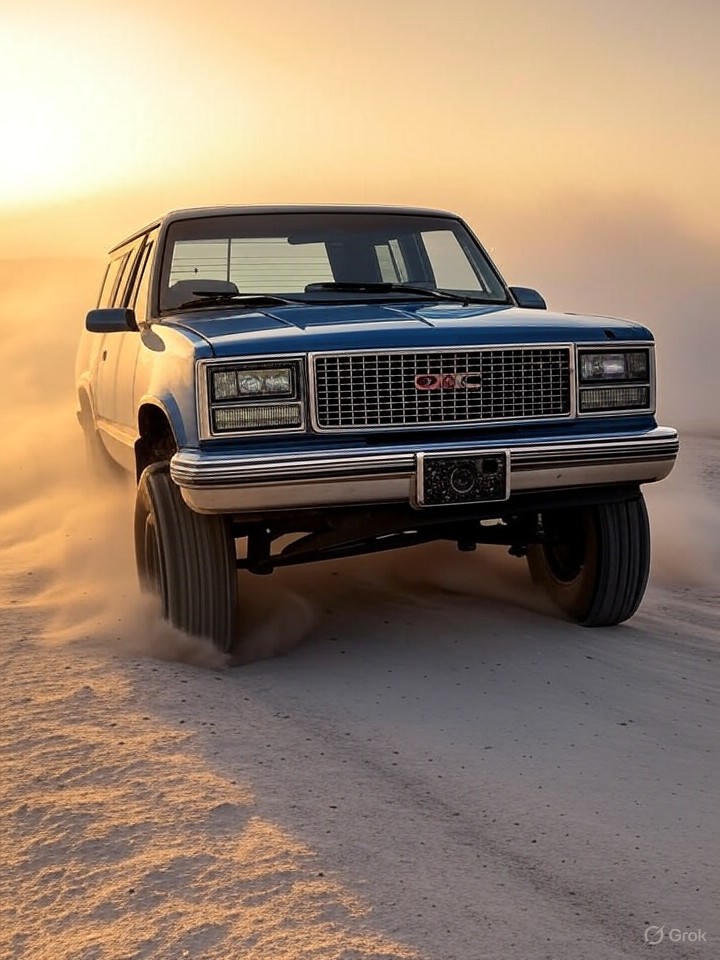
1992 GMC Rally Wagon 1500 Van/Minivan

1992 GMC

Rally Wagon 1500Van/Minivan

5.7L V8 TBI · Van/Minivan

The 1992 GMC Rally Wagon 1500 is a full-size, body-on-frame passenger van built on GM's long-running G-Series platform. It shares its bones with the Chevrolet G10/G20 and was sold well into the 1990s essentially unchanged from the late 1970s design — a testament to how dependable the platform was for fleet and family buyers. Powered by a carbureted (or early TBI fuel-injected) small-block V8, it's simple to work on and parts are cheap and plentiful. By 1992 these vans were common as church buses, airport shuttles, camper conversions, and large-family haulers. The 1500 designation means half-ton rated, so it's the lighter-duty version of the G-Series line. Standard seating ran up to 8 passengers, and the long wheelbase gave a ride that was truck-like but manageable on Wisconsin highways. At over 30 years old, any surviving Rally Wagon is firmly in classic/driver territory. Rust is the single biggest threat on upper-Midwest examples. The mechanicals are honest and robust — finding one that hasn't been eaten by road salt is the real challenge.

Reliability
3/5
Verified data
Engine
5.7L V8 TBI
Drivetrain
RWD
Fuel
Gasoline
MPG
11 city / 15 hwy / 13 combined
Seats
8
Doors
4
Body
Van
MSRP
$18,500

Overview

AI-curated

The 1992 GMC Rally Wagon 1500 is a full-size, body-on-frame passenger van built on GM's long-running G-Series platform. It shares its bones with the Chevrolet G10/G20 and was sold well into the 1990s essentially unchanged from the late 1970s design — a testament to how dependable the platform was for fleet and family buyers. Powered by a carbureted (or early TBI fuel-injected) small-block V8, it's simple to work on and parts are cheap and plentiful. By 1992 these vans were common as church buses, airport shuttles, camper conversions, and large-family haulers. The 1500 designation means half-ton rated, so it's the lighter-duty version of the G-Series line. Standard seating ran up to 8 passengers, and the long wheelbase gave a ride that was truck-like but manageable on Wisconsin highways. At over 30 years old, any surviving Rally Wagon is firmly in classic/driver territory. Rust is the single biggest threat on upper-Midwest examples. The mechanicals are honest and robust — finding one that hasn't been eaten by road salt is the real challenge.

Known for
  • Bulletproof 5.7L TBI V8 drivetrain with easy DIY serviceability
  • Enormous passenger and cargo capacity for a half-ton van
  • Cheap and widely available parts from any auto parts store
  • Long service life when kept rust-free — 200k+ miles is common
Best for
  • Large families or group transport on a tight budget
  • Conversion van base or camper van builds
  • Rural and small-town operators who do their own wrenching
  • Buyers who want simple, pre-OBD-II mechanicals
Watch for
  • Frame and rocker panel rust — severe on Wisconsin/salt-belt vehicles
  • Fuel tank strap rot and tank seam rust causing leaks
  • Worn front suspension from high mileage and heavy loads
  • Aging rubber fuel lines and vacuum hoses cracking with age
  • Heater core failure flooding the cab floor

Common issues by mileage

6 known

Frame and rocker panel rust-through

high
Typically appears
All mileages on salt-belt vehicles
Estimated repair
$500 – $4,000

Fuel tank strap rot and fuel tank replacement

high
Typically appears
All mileages — age-driven
Estimated repair
$300 – $800

Brake line corrosion and replacement (full system)

high
Typically appears
All mileages on vehicles over 20 years old
Estimated repair
$400 – $1,200

Heater core failure / coolant leak into cab

medium
Typically appears
80k–150k mi
Estimated repair
$350 – $700

700R4 transmission slipping or failing (worn modulator, worn clutch packs)

medium
Typically appears
100k–175k mi
Estimated repair
$800 – $2,200

Front ball joints and steering box wear

medium
Typically appears
80k–150k mi
Estimated repair
$300 – $900

Maintenance schedule

  1. 1
    Every 3,000 miles or annually Engine oil and filter change

    The 5.7L TBI V8 predates modern long-life oil standards. Stick to 3k intervals, especially if van sits for extended periods between uses.

  2. 2
    Every 30,000 miles Transmission fluid and filter service (700R4)

    The 700R4 is durable but sensitive to fluid degradation. Many failures trace back to neglected fluid. Drop the pan, replace the filter, and refill with Dexron III/VI.

  3. 3
    Every 2 years or 30,000 miles Full coolant flush and thermostat inspection

    Old coolant turns acidic and attacks the heater core and radiator from the inside. A $30 flush prevents a $500+ heater core job.

  4. 4
    Annually — before winter Inspect and treat all exposed brake lines, fuel lines, and frame rails for rust

    Road salt in Lake Geneva winters is the primary killer of these vans. Catching a pinhole brake line before it blows is a safety and cost issue. Use a rust encapsulator on any surface rust found.

  5. 5
    Every 2 years Replace all vacuum hoses and inspect fuel hoses

    Rubber hoses from 1992 are well past their service life. Cracked vacuum lines cause rough idle and poor fuel economy on the TBI system. Brittle fuel hoses are a fire risk.

  6. 6
    Every 30,000 miles or every 2 years Inspect front ball joints, tie rod ends, and steering box play

    The solid front axle and high curb weight wear front-end components steadily. Loose steering on a full-size van is dangerous, especially in winter conditions.

  7. 7
    Every fall Load-test the battery and inspect cables and terminals

    Sub-zero Wisconsin starts demand a strong battery. The 5.7L V8 cranks hard in cold weather. Replace any battery over 4 years old before November.

  8. 8
    Every 15,000 miles Inspect and repack or replace front wheel bearings

    These vans use serviceable front wheel bearings. Repacking extends life and catches wear before it becomes a safety issue on a heavy van.

Always defer to the manufacturer's service manual for warranty-mandated intervals.

Cost of ownership

Annual maintenance
$600 – $2,000
Fuel
At 13 MPG combined and Wisconsin gas prices, expect $2,500–$3,500/year for typical 12,000-mile driving. Budget more if used for hauling or frequent cold starts.
Insurance
Liability-only on a vehicle this age typically runs $400–$800/year in the Lake Geneva area. Adding comprehensive is rarely cost-effective given market values.

Parts are inexpensive and plentiful — this is one of the cheapest trucks to maintain mechanically. The wildcard is rust remediation. A clean example costs $600–$1,000/year to maintain. One that needs brake lines, a fuel tank, and frame work in the same season can easily run $2,000–$4,000. Fuel is the biggest ongoing expense given the van's appetite for premium 87-octane. Overall, low mechanical ownership cost if rust is managed; high if it isn't.

Seasonal care

Lake Geneva, WI
Winter
  • Load-test the battery every October — the 5.7L V8 pulls hard on cold cranks and a marginal battery will leave you stranded in a Wisconsin January.
  • Switch to 5W-30 conventional or synthetic oil before temperatures drop below 10°F to ensure fast cold-start lubrication.
  • Fill the washer fluid reservoir with a -20°F or lower rated fluid — the flat windshield on this van catches road spray constantly.
  • Inspect rubber fuel and brake lines closely in fall. Salt spray attacks exposed lines under the van all winter and a leak found in October is far cheaper than an emergency repair in February.
  • Spray exposed frame rails, rocker seams, and wheel wells with an undercoating or rust inhibitor before first snowfall.
  • Keep the fuel tank at least half full through winter to reduce moisture condensation in the tank and prevent fuel line freeze-up.
Summer
  • Check coolant level and condition — a fully loaded van in summer traffic will heat-soak quickly if the cooling system is marginal.
  • Inspect the A/C system for refrigerant leaks and compressor clutch engagement; R-134a retrofit may be needed if the system is still on original R-12.
  • Check tire pressure monthly — tires lose roughly 1 PSI per 10°F of temperature swing, and summer heat causes overinflation and uneven wear on the heavy van.
  • Inspect the radiator for bug/debris blockage and bent fins, which reduce airflow and cause overheating under load.

Comparable vehicles

1992 Chevrolet
G20 Sport Van

Mechanically identical — same TBI V8, 700R4, and G-Series platform. Parts are fully interchangeable. Often easier to find in slightly better condition.

No catalog match
1992 Ford
E-150 Club Wagon

Direct competitor in the full-size passenger van segment. Ford's 5.0L V8 and C6/AOD transmission are equally proven. Often has less rust on floor pans than the GM equivalent.

No catalog match
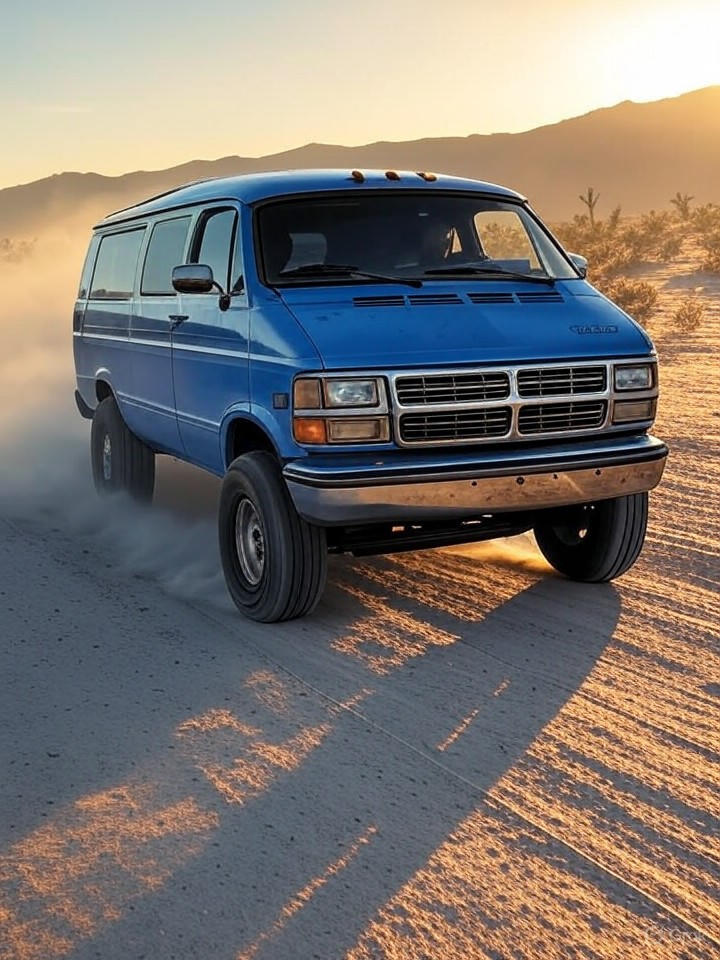
1992 Dodge Ram Van B150
1992 Dodge
Ram Van B150

Same era full-size van with a 318 V8. Comparable capacity and simplicity, though parts availability slightly trails the GM and Ford options.
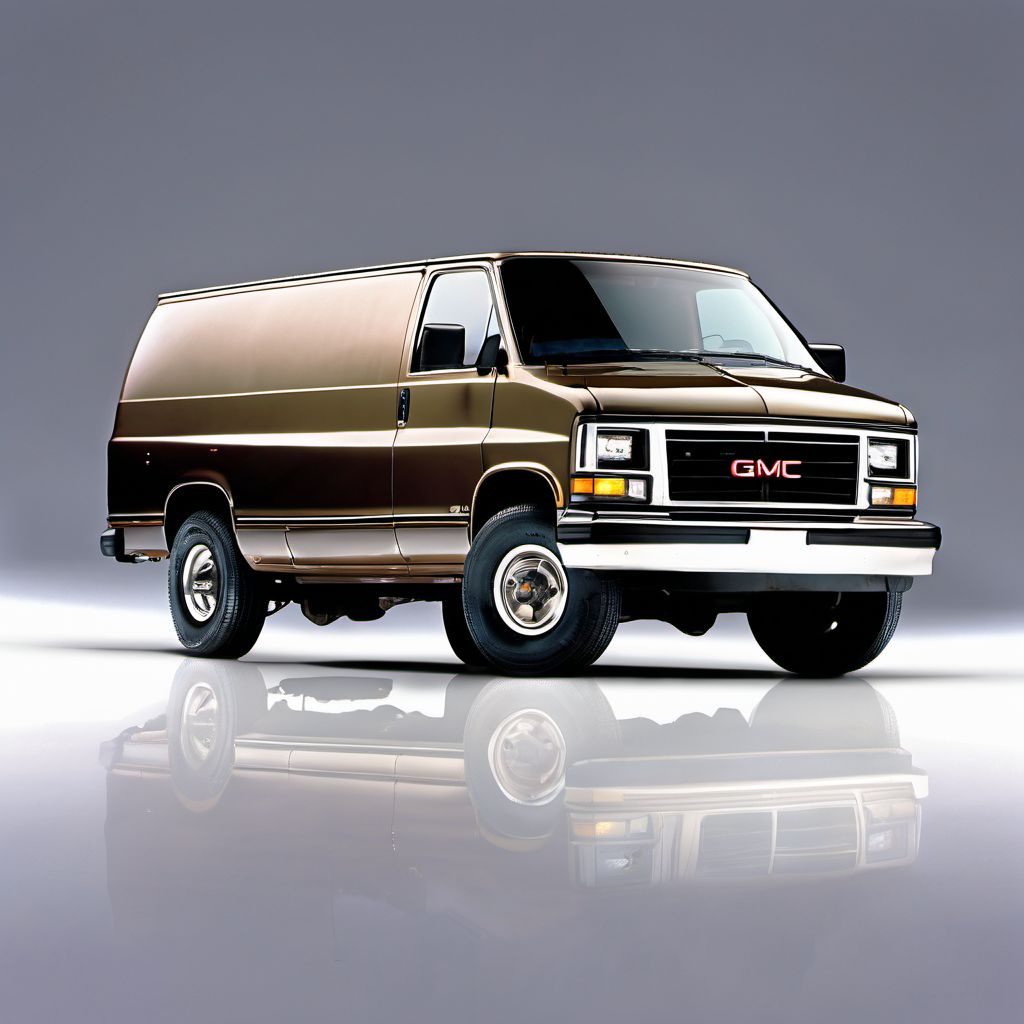
1993 GMC Vandura 1500
1993 GMC
Vandura 1500

The cargo-focused sibling on the same G-Series platform. If cargo utility matters more than passenger seating, the Vandura is the direct trade-off with the same mechanical package.

If you're shopping for one

Red flags
  • Any visible daylight through floor pans or frame rails — walk away
  • Fuel smell at rest with no obvious external leak — tank or line integrity is compromised
  • Spongy or low brake pedal — assume lines need full replacement until proven otherwise
  • Transmission that slips into gear with a clunk or hunts between gears — rebuilds are $800–$2,200
  • Freshly undercoated or painted frame — a common way to hide severe rust before sale
  • Coolant smell inside the cab or oily film on the inside of the windshield — heater core is leaking
What to inspect
  • Frame rails under the van — probe with a screwdriver for soft spots indicating severe rust-through
  • Fuel tank straps and tank seams for active corrosion or weeping fuel smell
  • All four brake lines from front to rear for rust pitting, especially at frame clips and near wheel wells
  • Floor pans inside the cab (pull back carpet) — rust-through here is expensive to repair properly
  • Heater core condition: smell for coolant inside the cab and check for wet carpet or foggy windshield
  • 700R4 transmission: test all four gear ranges, check for slipping, shudder on light throttle, or delayed engagement from a cold start
  • Steering box for excessive play — more than 2 inches of wheel free-play before the wheels respond is too much on a van this heavy
AI profile generated 4 days ago · claude-sonnet-4-6 · v2.