Frame and underbody rust
high- Typically appears
- All mileages on northern-climate trucks
- Estimated repair
- $500 – $5,000
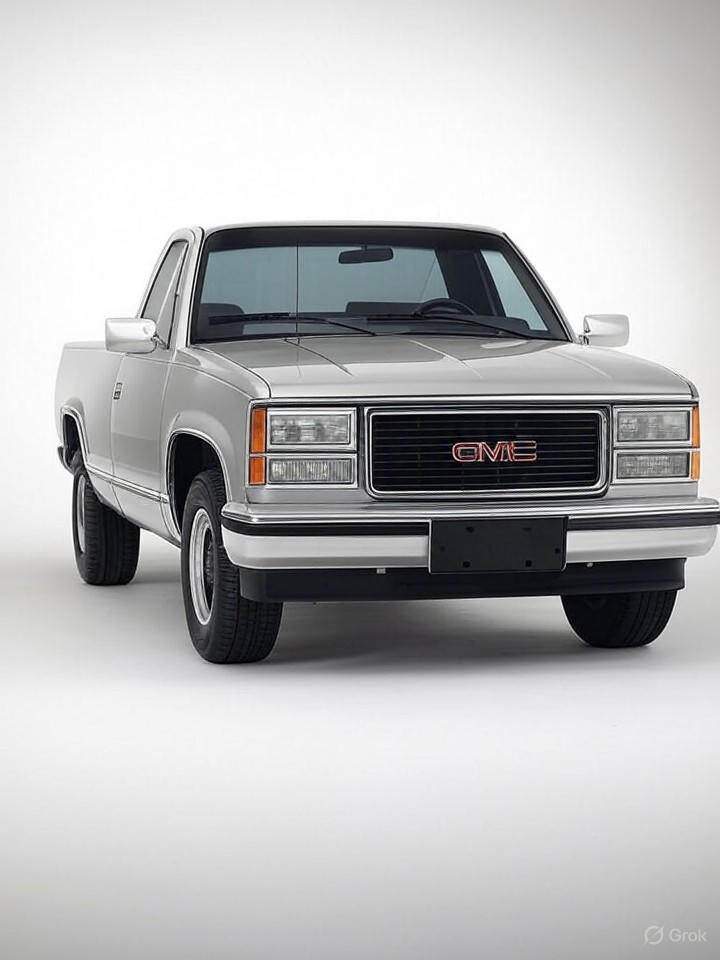
1992 GMC
5.7L V8 TBI · Pickup
The 1992 GMC 3500 Club Coupe is a heavy-duty, full-size pickup from GM's C/K platform — one of the most proven truck architectures in American history. The 'Club Coupe' designation refers to the extended cab body style, giving it a small rear jump-seat area behind the main bench. As a 3500-series truck, it's rated for the heaviest payloads and towing in the light-duty GMC lineup of the era, built around a full ladder frame with solid front axle (on 4WD variants) or independent front suspension (2WD). These trucks were workhorses first and foremost. The drivetrain options were robust — most came with GM's 5.7L TBI V8 or available 7.4L big-block V8, backed by the proven 4L80-E or 700R4 automatic. Parts are cheap, widely available, and most independent shops can service them without specialty tools. Rust is the primary enemy on any surviving example at this age, especially in the upper Midwest. A well-maintained 1992 GMC 3500 Club Coupe can still pull a heavy trailer or haul a full bed load without complaint. Finding a clean example in 2024 takes patience — Wisconsin salt has claimed many of these. What survives tends to be either a farm truck kept dry or a southern import. Either way, inspect the frame and cab corners hard before buying.
The 1992 GMC 3500 Club Coupe is a heavy-duty, full-size pickup from GM's C/K platform — one of the most proven truck architectures in American history. The 'Club Coupe' designation refers to the extended cab body style, giving it a small rear jump-seat area behind the main bench. As a 3500-series truck, it's rated for the heaviest payloads and towing in the light-duty GMC lineup of the era, built around a full ladder frame with solid front axle (on 4WD variants) or independent front suspension (2WD). These trucks were workhorses first and foremost. The drivetrain options were robust — most came with GM's 5.7L TBI V8 or available 7.4L big-block V8, backed by the proven 4L80-E or 700R4 automatic. Parts are cheap, widely available, and most independent shops can service them without specialty tools. Rust is the primary enemy on any surviving example at this age, especially in the upper Midwest. A well-maintained 1992 GMC 3500 Club Coupe can still pull a heavy trailer or haul a full bed load without complaint. Finding a clean example in 2024 takes patience — Wisconsin salt has claimed many of these. What survives tends to be either a farm truck kept dry or a southern import. Either way, inspect the frame and cab corners hard before buying.
The 5.7L TBI runs conventional oil and at this age, shorter intervals help catch wear metals early and keep seals conditioned in cold Wisconsin winters.
These transmissions are durable but suffer when fluid is neglected. Drop the pan, replace the filter, and refill with the correct Dexron fluid.
Old coolant loses its corrosion inhibitors, leading to internal scaling and water pump wear — critical in freeze-thaw climates like Lake Geneva.
Frame rails, cab corners, bed floor, and brake/fuel lines need annual inspection on any 30-year-old truck in Wisconsin. Catching surface rust early prevents structural failure.
Steel brake lines on these trucks corrode from the inside out. A line failure at highway speed is a serious safety event. Replace with stainless or coated lines.
The TBI ignition system is simple and reliable, but cap and rotor corrosion is common in humid climates. Worn plugs hurt fuel economy noticeably on a TBI engine.
A marginal battery that starts fine in September will fail in January. Sub-zero temps cut cranking capacity dramatically; the 5.7L needs a strong battery to turn over in a Wisconsin winter.
These trucks have serviceable grease fittings throughout the suspension and driveline. Skipping greasing accelerates joint wear significantly, especially under heavy load.
Always defer to the manufacturer's service manual for warranty-mandated intervals.
Day-to-day costs on a well-sorted 1992 GMC 3500 are modest — parts are cheap and most jobs are DIY-friendly. The big wildcard is deferred maintenance and rust repair. A truck that hasn't had brake lines, coolant, or transmission fluid attended to in years can hand you a $2,000–$5,000 catch-up bill quickly. Budget for one or two unplanned repairs per year on any example with over 150k miles.
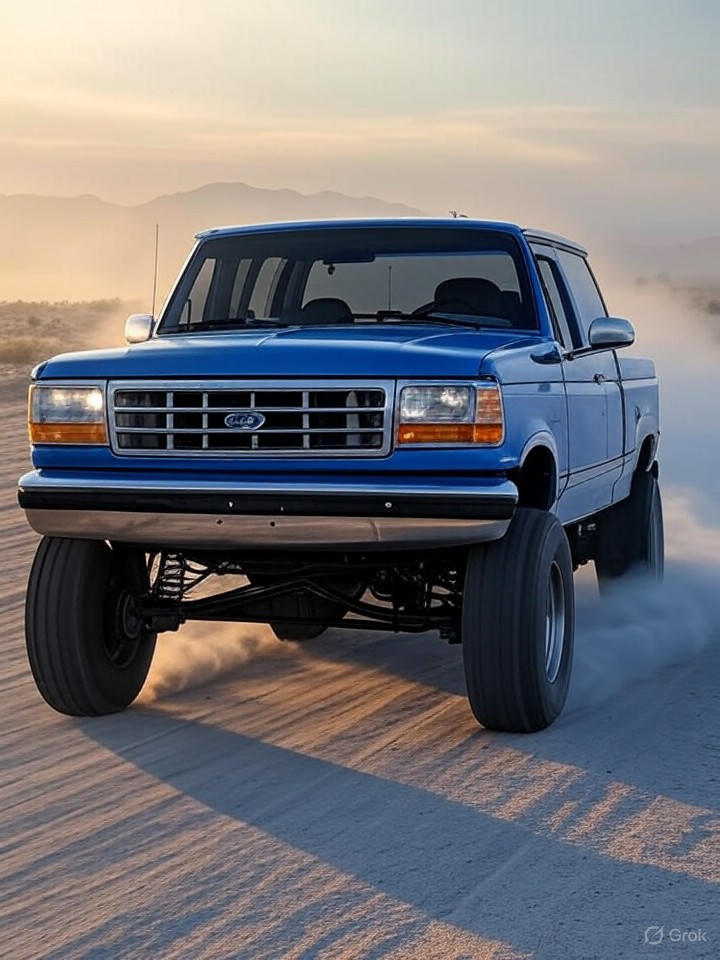
Direct heavy-duty competitor of the same era. The 7.3L IDI diesel option gives the F-350 an advantage for towing longevity, though the gas V8 is comparable. Similar rust concerns on northern examples.
Dodge's 3/4–1-ton extended-cab pickup from the same generation. The Cummins 5.9L diesel option makes clean examples very desirable; the gas models are less competitive but a comparable price point.
No catalog matchMechanically identical to the GMC 3500 — same frame, engines, and transmissions. Parts interchangeability is 100%. Often found at slightly lower prices due to brand preference.
No catalog matchOne step down in payload rating but the same cab style and drivetrain options. More common survivor population means more choice when shopping; lower GVWR is fine for most buyers who don't actually need 3500-series ratings.