Frame and structural rust
high- Typically appears
- All mileages — age-driven
- Estimated repair
- $500 – $5,000
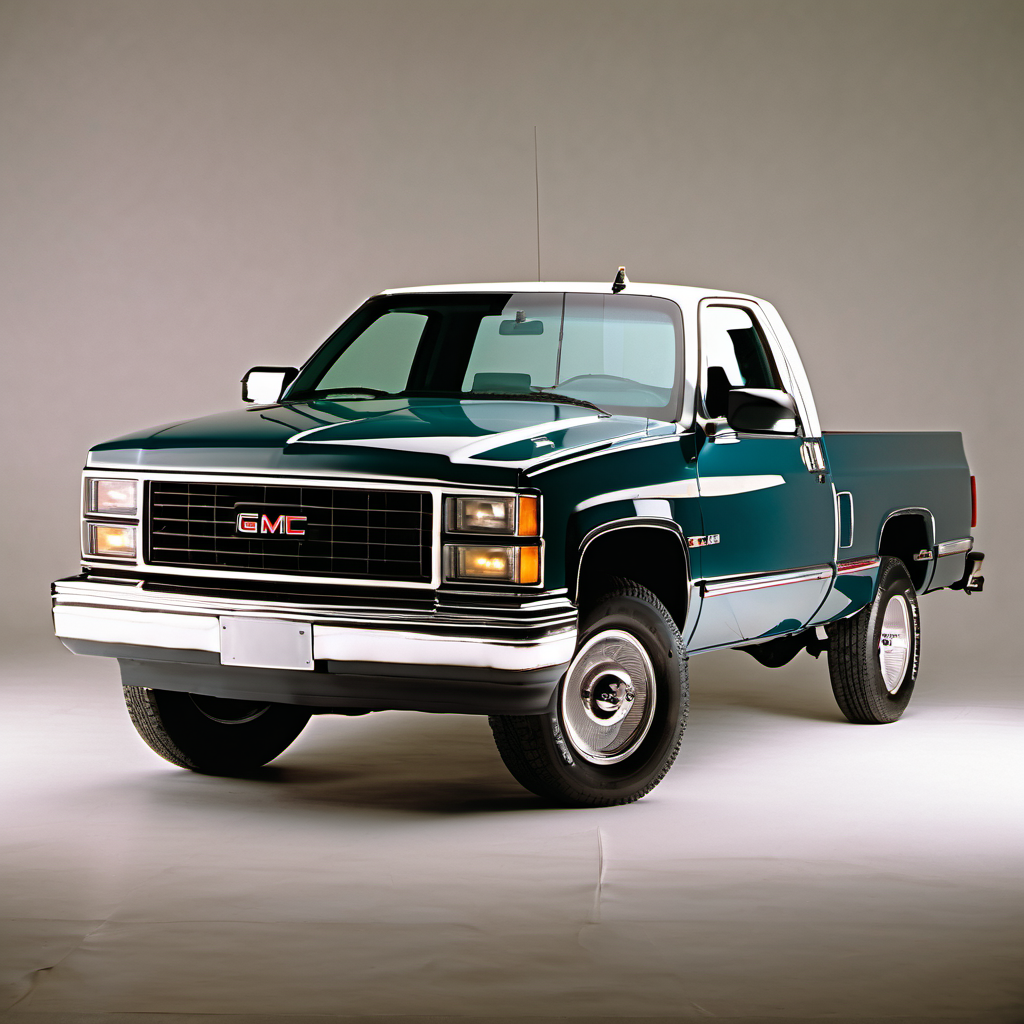
1992 GMC
5.7L V8 TBI · Pickup
The 1992 GMC 2500 Club Coupe is a heavy-duty three-quarter-ton pickup from GMC's C/K series, the workhorse platform GM built from 1988 through 1998. The 'Club Coupe' designation means an extended cab with a small rear jump-seat area — useful for occasional extra passengers without the full crew cab footprint. As a 2500, it's rated for heavier payloads and towing than the half-ton 1500, making it popular for contractors, farmers, and those who genuinely needed the extra capacity. Under the hood, 1992 2500s were commonly equipped with GM's 5.7L TBI V8 or the optional 7.4L big-block, with a 4-speed automatic or 5-speed manual transmission. These are old-school, carburetor-era-adjacent throttle-body-injected engines — simple, rebuildable, and well-understood by any shop that's been around more than 30 years. Parts availability is excellent and will remain so for the foreseeable future. At over 30 years old, rust is the single biggest story on any surviving example in the upper Midwest. Wisconsin salt will have had three decades to work on the frame rails, floor pans, bed, and cab corners. The mechanical side of these trucks is straightforward and tough; the sheetmetal and structure is where honest inspection needs to focus.
The 1992 GMC 2500 Club Coupe is a heavy-duty three-quarter-ton pickup from GMC's C/K series, the workhorse platform GM built from 1988 through 1998. The 'Club Coupe' designation means an extended cab with a small rear jump-seat area — useful for occasional extra passengers without the full crew cab footprint. As a 2500, it's rated for heavier payloads and towing than the half-ton 1500, making it popular for contractors, farmers, and those who genuinely needed the extra capacity. Under the hood, 1992 2500s were commonly equipped with GM's 5.7L TBI V8 or the optional 7.4L big-block, with a 4-speed automatic or 5-speed manual transmission. These are old-school, carburetor-era-adjacent throttle-body-injected engines — simple, rebuildable, and well-understood by any shop that's been around more than 30 years. Parts availability is excellent and will remain so for the foreseeable future. At over 30 years old, rust is the single biggest story on any surviving example in the upper Midwest. Wisconsin salt will have had three decades to work on the frame rails, floor pans, bed, and cab corners. The mechanical side of these trucks is straightforward and tough; the sheetmetal and structure is where honest inspection needs to focus.
TBI-era V8s predate extended-drain formulations. Conventional oil, shorter intervals, and a quality filter protect the flat-tappet camshaft and high-mileage seals.
The in-tank pump is expensive to replace. A clogged inline fuel filter forces the pump to work harder and shortens its life considerably.
The HEI-style distributor on these TBI V8s is reliable but the cap and rotor do wear. Carbon tracking inside the cap causes misfires and hard starts in cold weather.
Old-formula green coolant (as used in 1992) depletes its corrosion inhibitors within 2 years. Neglected coolant attacks the iron block and aluminum intake manifold gasket surfaces.
Ball joints, tie rod ends, and U-joints on this generation have grease zerks — use them. Dry joints on a heavy-duty 4x4 fail faster and are a safety issue.
Brake fluid absorbs moisture over time, lowering its boiling point and accelerating internal corrosion in the master cylinder and calipers — especially important in a wet Wisconsin climate.
This is the most important maintenance task on a 30-year-old upper-Midwest truck. Annual undercoating and rust encapsulator application buys years of frame life.
These heavy-duty axles and the transfer case hold fluid that breaks down over time. Neglected fluid leads to bearing and gear wear that is expensive to repair on a 2500-series axle.
Always defer to the manufacturer's service manual for warranty-mandated intervals.
A well-maintained example is not expensive to keep running — parts are cheap and any shop can work on it. The real wildcard is deferred maintenance and rust remediation. Budget a contingency for suspension, brake, and fuel system work. A truck in this age range that has been neglected can easily absorb $2,000–$5,000 in catch-up repairs in the first year of ownership.
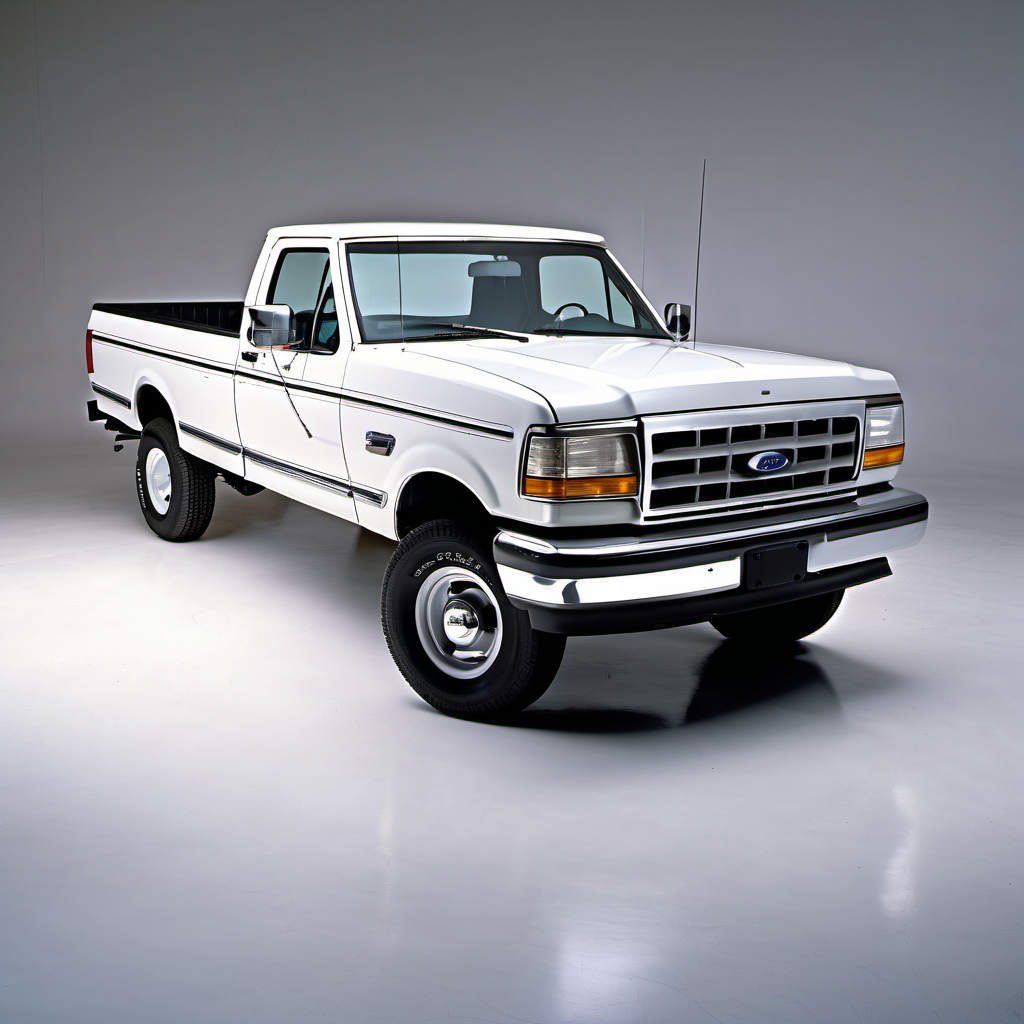
Direct competitor in the 3/4-ton pickup segment; the 5.0L or 5.8L V8 options are similarly simple and proven. Same rust-belt concerns apply.
3/4-ton extended cab pickup from the same era; Cummins diesel option is a major draw for towing, but the gas models are less refined than the GMC.
No catalog matchEssentially the same truck with a Chevrolet badge — identical platform, engines, and transmissions. Parts and shop knowledge are fully interchangeable.
No catalog match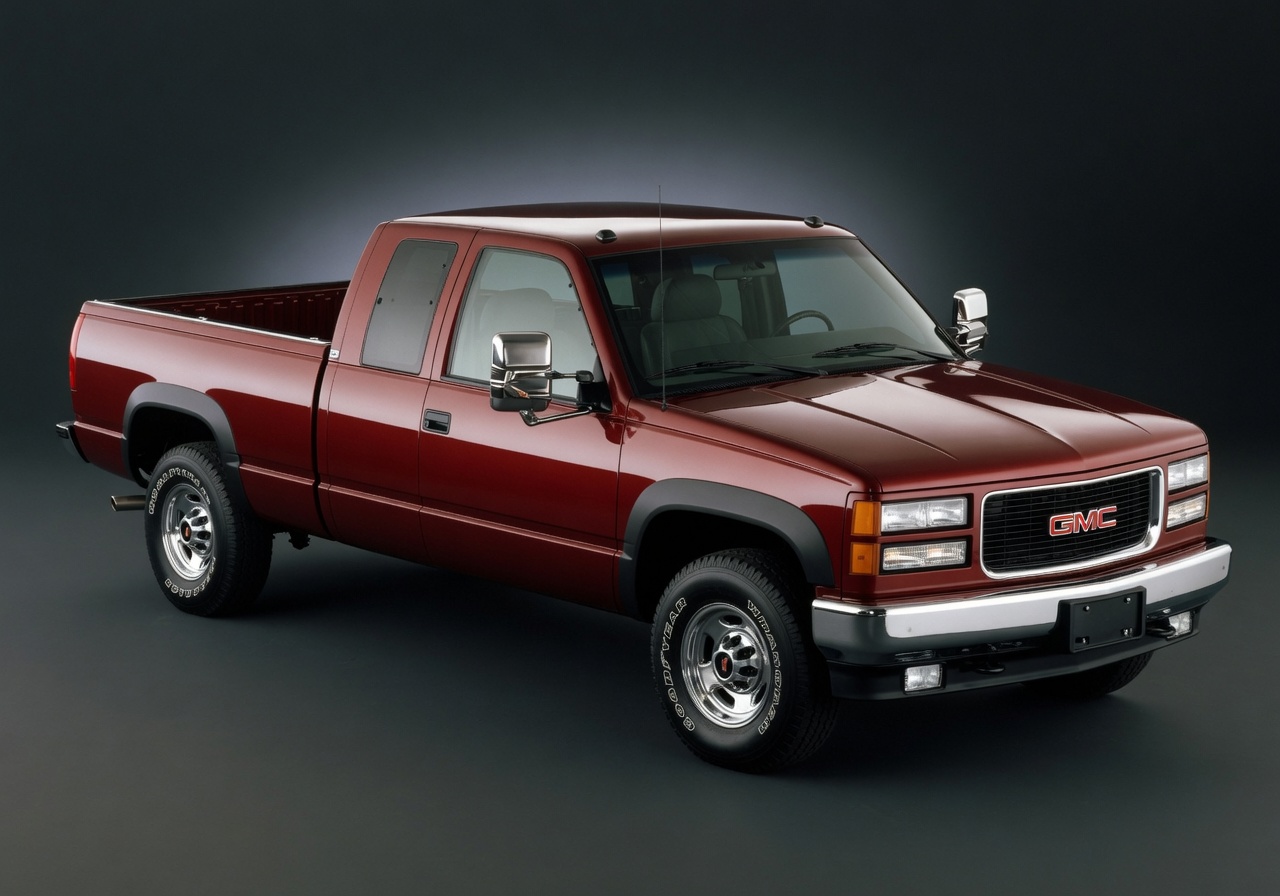
Step up to the 1-ton platform if you need higher GVWR or a larger payload rating; shares the same basic architecture but with heavier-duty axles and frame.