Frame and cab-corner rust
high- Typically appears
- All mileages — age-driven, not mileage-driven
- Estimated repair
- $500 – $5,000
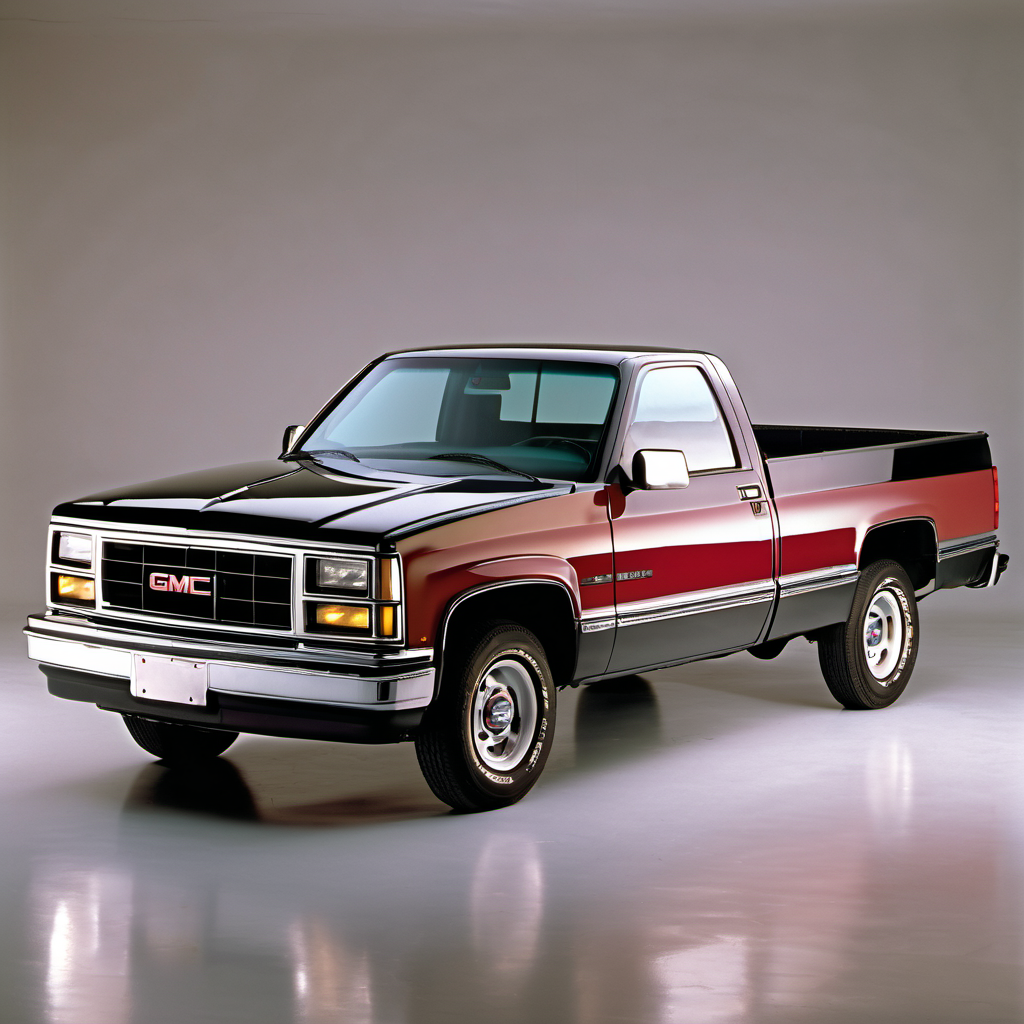
1992 GMC
5.7L V8 (TBI) · Pickup
The 1992 GMC 1500 Club Coupe is a full-size pickup from GM's C/K platform — one of the most proven truck architectures in American history. The 'Club Coupe' designation refers to the extended-cab body style with a small rear jump seat, giving it a bit more passenger room than a standard cab without the full footprint of a crew cab. At 30-plus years old, these trucks have long since shed their original value, but survivors are prized for their simplicity, repairability, and the massive parts availability that comes with a platform GM built for over two decades. Under the hood, the most common configurations were the 4.3L V6 or the venerable 5.7L (350 cu in) V8, both fed by throttle-body fuel injection — a straightforward system that any competent mechanic can diagnose and fix without specialized tools. The 700R4 (4L60) automatic was the standard transmission pairing. These are not complicated trucks, which is a genuine virtue at this age. For a Lake Geneva-area buyer, the biggest concern on any 1992 truck is 30-plus years of Wisconsin salt exposure. Frame and cab-corner rust will tell you more about this truck's future than any mechanical inspection.
The 1992 GMC 1500 Club Coupe is a full-size pickup from GM's C/K platform — one of the most proven truck architectures in American history. The 'Club Coupe' designation refers to the extended-cab body style with a small rear jump seat, giving it a bit more passenger room than a standard cab without the full footprint of a crew cab. At 30-plus years old, these trucks have long since shed their original value, but survivors are prized for their simplicity, repairability, and the massive parts availability that comes with a platform GM built for over two decades. Under the hood, the most common configurations were the 4.3L V6 or the venerable 5.7L (350 cu in) V8, both fed by throttle-body fuel injection — a straightforward system that any competent mechanic can diagnose and fix without specialized tools. The 700R4 (4L60) automatic was the standard transmission pairing. These are not complicated trucks, which is a genuine virtue at this age. For a Lake Geneva-area buyer, the biggest concern on any 1992 truck is 30-plus years of Wisconsin salt exposure. Frame and cab-corner rust will tell you more about this truck's future than any mechanical inspection.
The 5.7L TBI has no variable valve timing or tight oil gallery tolerances of modern engines, but 30-year-old seals benefit from fresh oil on a shorter interval to prevent sludge and keep seals pliable.
The HEI distributor-based ignition on these trucks is the most common source of no-start and rough running issues. Plugs, cap, and rotor are cheap insurance.
This transmission is sensitive to degraded fluid. Many failures on high-mileage examples trace back to extended service intervals. Drop the pan, replace the filter and fluid.
Old green coolant loses its corrosion inhibitors. On a 30-year-old truck, degraded coolant accelerates water pump and radiator wear.
These have grease fittings — use them. Dry joints fail quickly and are a safety issue. Wisconsin winters accelerate grease washout.
Thirty-year-old rubber fuel lines crack and leak. A fuel leak on an old truck is a fire hazard. Inspect every hose at the TBI unit and along the frame.
Wisconsin road salt is the primary long-term threat to this truck. Spray the frame rails and undercarriage with a rust-inhibiting undercoat each fall.
Cold cranking a 5.7L V8 at -10°F demands a strong battery. A battery that passes a summer voltage test can still fail a cold-weather load test.
Always defer to the manufacturer's service manual for warranty-mandated intervals.
This is an inexpensive truck to own if it's mechanically sound and rust-free. Parts are cheap and plentiful. The main financial risks are a major transmission job or discovering significant frame rust that requires fabrication or renders the truck unsafe. Budget generously for those possibilities on a truck this age.
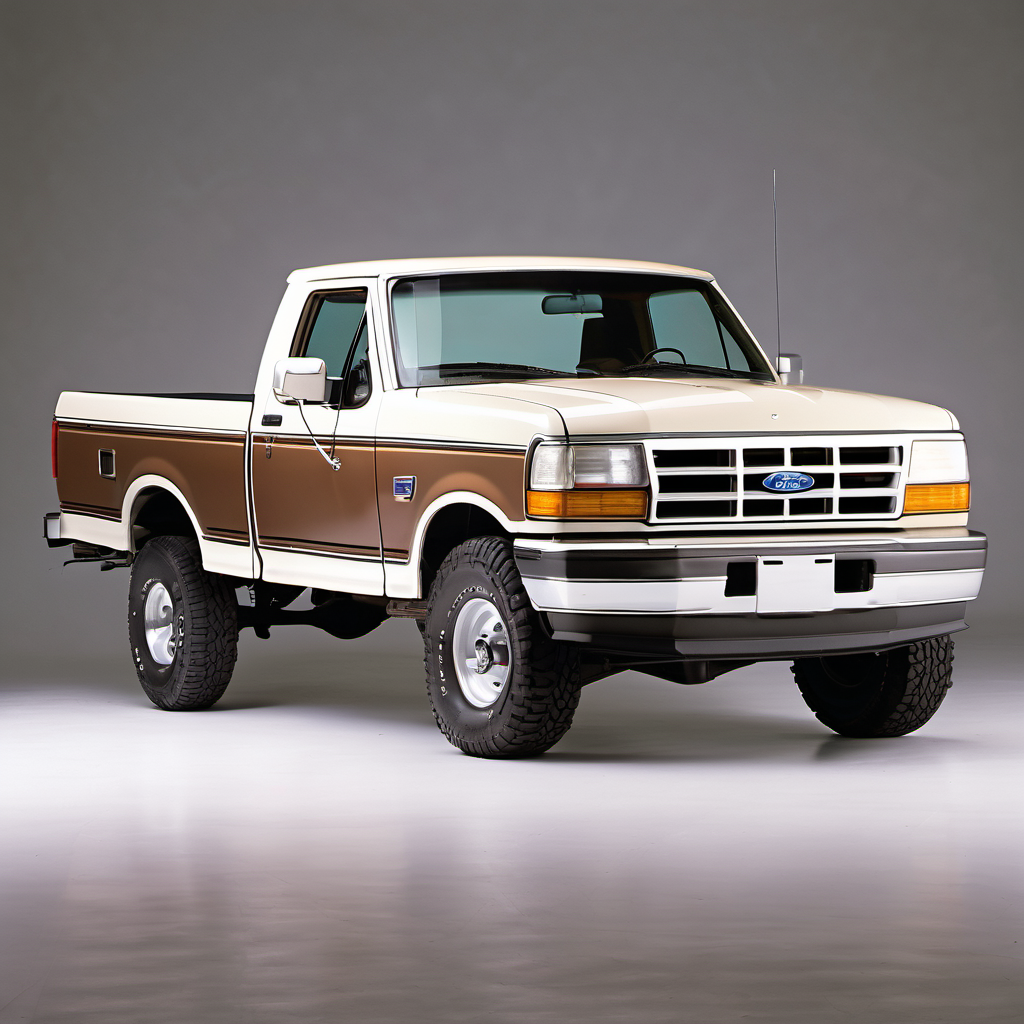
Direct competitor in the full-size pickup segment; similar simplicity and parts availability, with the 5.0L or 5.8L V8 as common alternatives to GM's 350
Same era, same segment; the pre-'94 Ram shares the same work-truck mission, though parts availability and long-term durability generally favor the GM and Ford platforms
No catalog matchMechanically identical — shares the same platform, engines, and transmission. Chevrolet badging on the same truck; parts and service are fully interchangeable
No catalog matchSmaller and less capable for heavy hauling, but exceptional rust resistance and engine durability make it a valid alternative for buyers prioritizing longevity over payload
No catalog match