Cooling system deterioration (hoses, thermostat, water pump)
high- Typically appears
- Any mileage on a 30+ year-old car
- Estimated repair
- $300 – $900
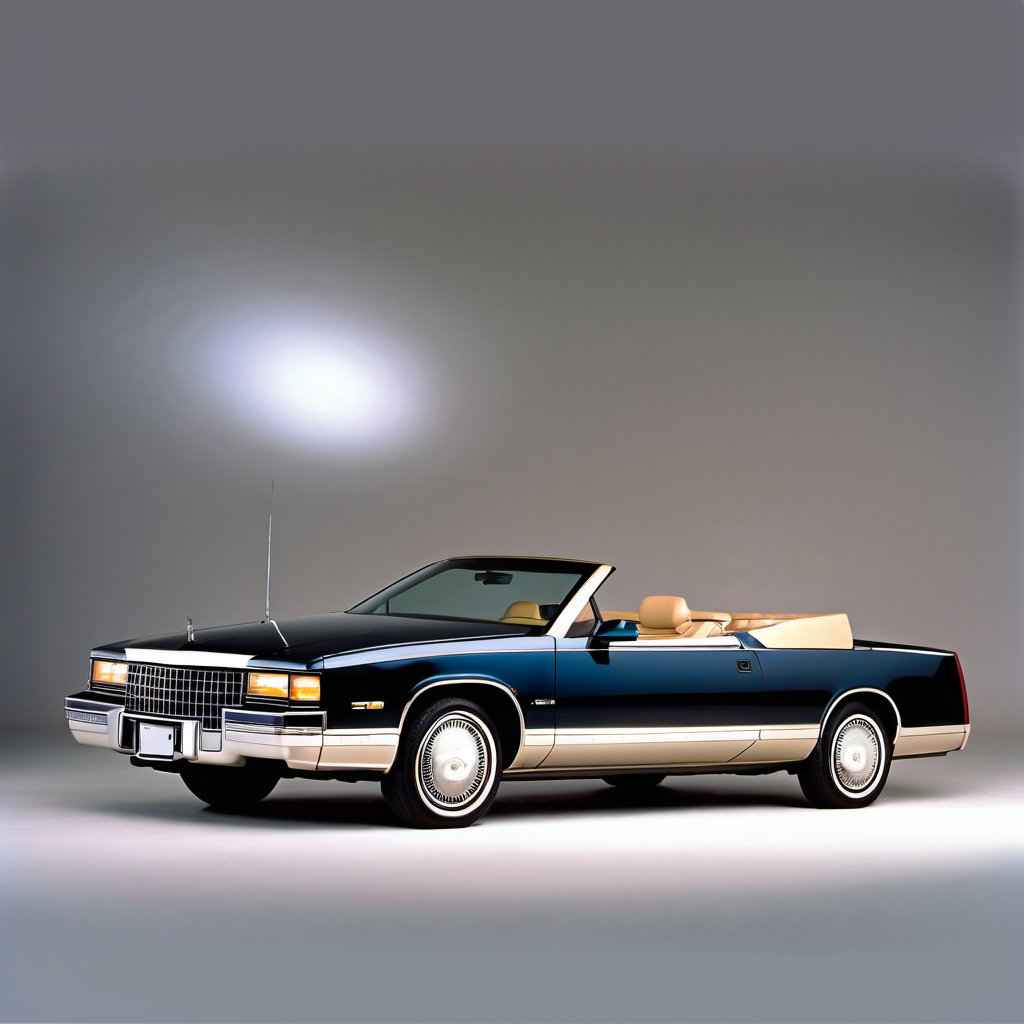
1992 Cadillac
Coupe
The 1992 Cadillac Eldorado is a front-wheel-drive personal luxury coupe riding on GM's E-body platform, a lineage that dates back decades but was thoroughly modernized for the 1992 model year. Power comes from GM's 4.9L V8 — a refined, port-injected evolution of the old 472/500 family — mated to a 4-speed automatic transaxle. It was the last major expression of the traditional Eldorado formula before the Northstar era took over in 1993. Inside, the Eldorado delivered near-Rolls-Royce levels of isolation for its day: pillow-soft seats, analog gauges with a digital option, and enough sound deadening to muffle a freight train. It was aimed squarely at buyers who wanted a big, quiet, American coupe with a Cadillac badge and didn't care about European driving dynamics. At 30-plus years old, surviving examples are predominantly driven by enthusiasts or collectors. Parts availability is declining, and finding a shop with real knowledge of the 4.9L and its Hydra-Matic 4T60-E transaxle is increasingly important. If you're buying one, condition of the interior, cooling system, and transmission are the three biggest variables.
The 1992 Cadillac Eldorado is a front-wheel-drive personal luxury coupe riding on GM's E-body platform, a lineage that dates back decades but was thoroughly modernized for the 1992 model year. Power comes from GM's 4.9L V8 — a refined, port-injected evolution of the old 472/500 family — mated to a 4-speed automatic transaxle. It was the last major expression of the traditional Eldorado formula before the Northstar era took over in 1993. Inside, the Eldorado delivered near-Rolls-Royce levels of isolation for its day: pillow-soft seats, analog gauges with a digital option, and enough sound deadening to muffle a freight train. It was aimed squarely at buyers who wanted a big, quiet, American coupe with a Cadillac badge and didn't care about European driving dynamics. At 30-plus years old, surviving examples are predominantly driven by enthusiasts or collectors. Parts availability is declining, and finding a shop with real knowledge of the 4.9L and its Hydra-Matic 4T60-E transaxle is increasingly important. If you're buying one, condition of the interior, cooling system, and transmission are the three biggest variables.
The 4.9L is prone to head warping if run hot. Hoses on a 30-year-old car are due regardless of appearance.
The 4T60-E is the most expensive repair on this car. Fresh fluid is the single best way to extend its life.
The 4.9L has tighter tolerances than older GM V8s; don't stretch oil changes beyond 5k on a high-mileage example.
FWD platform puts constant stress on CV joints; catching a torn boot early prevents a much more expensive axle replacement.
30-year-old rubber fuel system components are a fire hazard. Non-negotiable safety item on any car this age.
Road salt accelerates steel brake line corrosion; a failed line is catastrophic.
Dried weather stripping cracks and allows water intrusion, which accelerates interior rot and electrical corrosion.
A marginal battery that starts fine in October will fail at -15°F. The 4.9L needs a strong crank on cold mornings.
Always defer to the manufacturer's service manual for warranty-mandated intervals.
Day-to-day costs are modest if the car is healthy — the 4.9L is not exotic and parts are still available. The risk is deferred maintenance catching up: a transaxle rebuild or a surprise cooling failure can drop $2,000–$3,500 in one visit. Budget an elevated maintenance reserve for any example over 100k miles or with unknown history. Parts sourcing is becoming a project in itself — plan on using salvage yards and GM specialty vendors for some items.
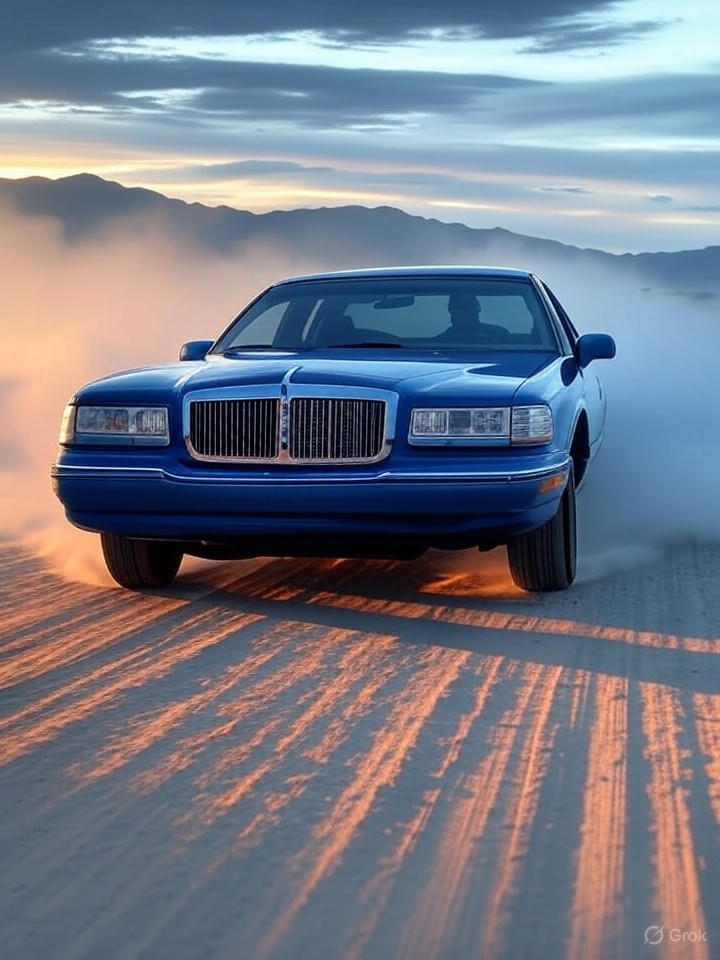
Direct American luxury coupe rival; RWD where the Eldorado is FWD, with a 5.0L V8. Similar prestige and price bracket in today's used market.
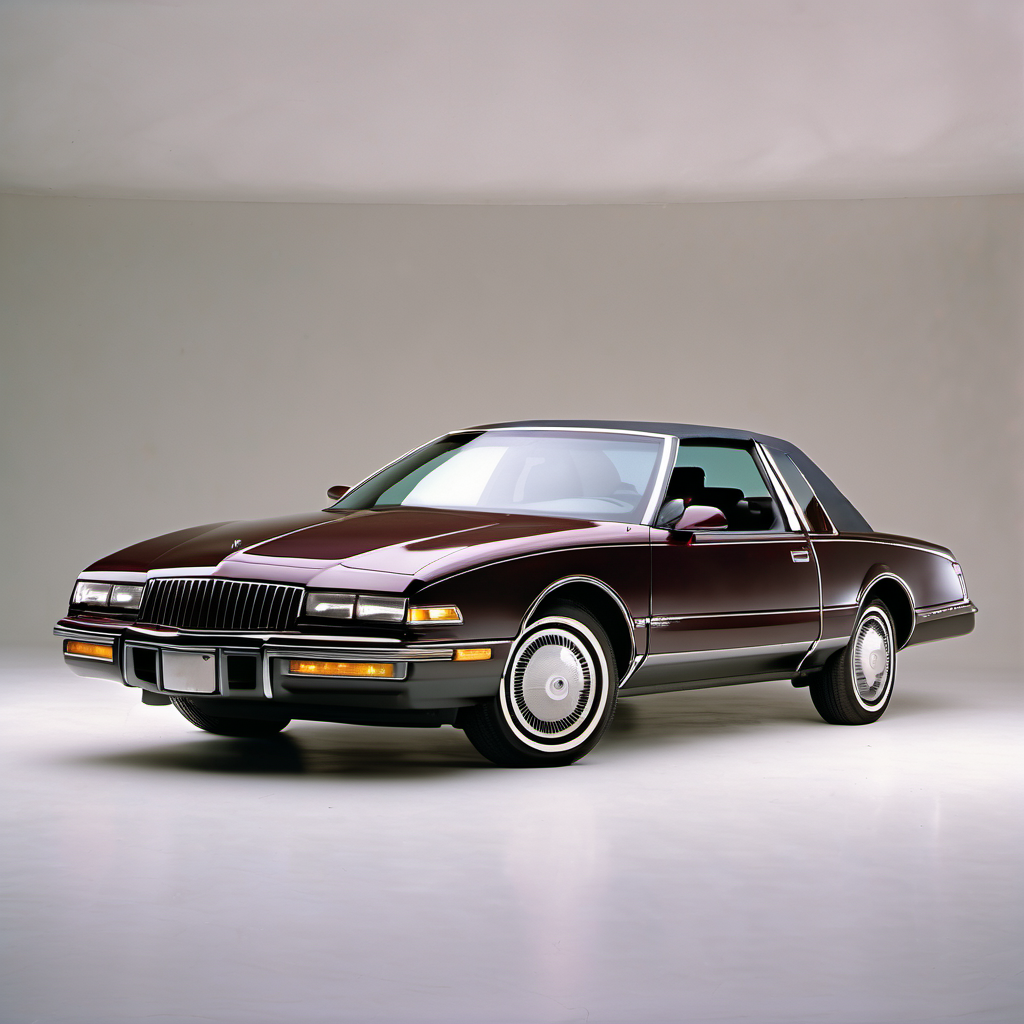
Shares the same GM E-body platform and 3800 or 3.8L supercharged V6; less powerful but cheaper to maintain and more parts-common.
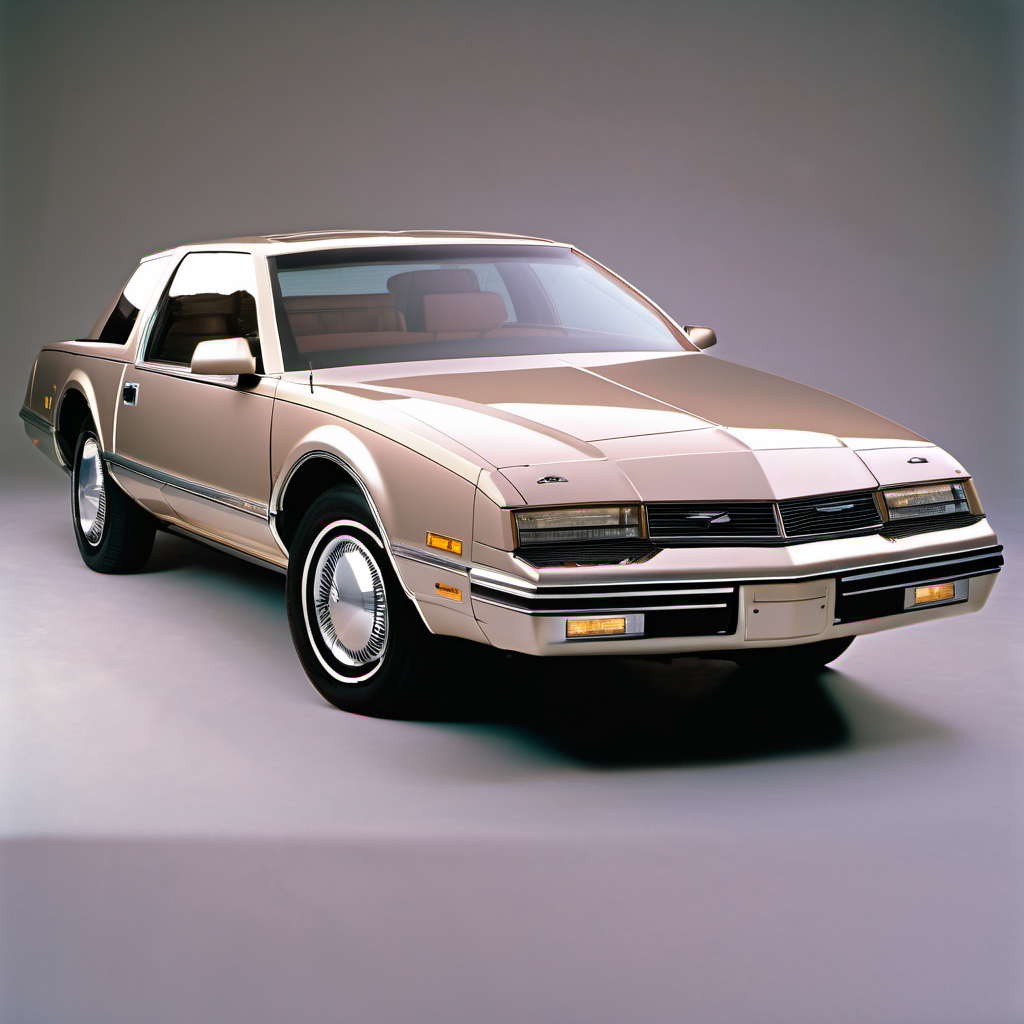
E-body platform sibling with nearly identical underpinnings; less collector cachet but easier to find cheap parts for cross-platform repairs.
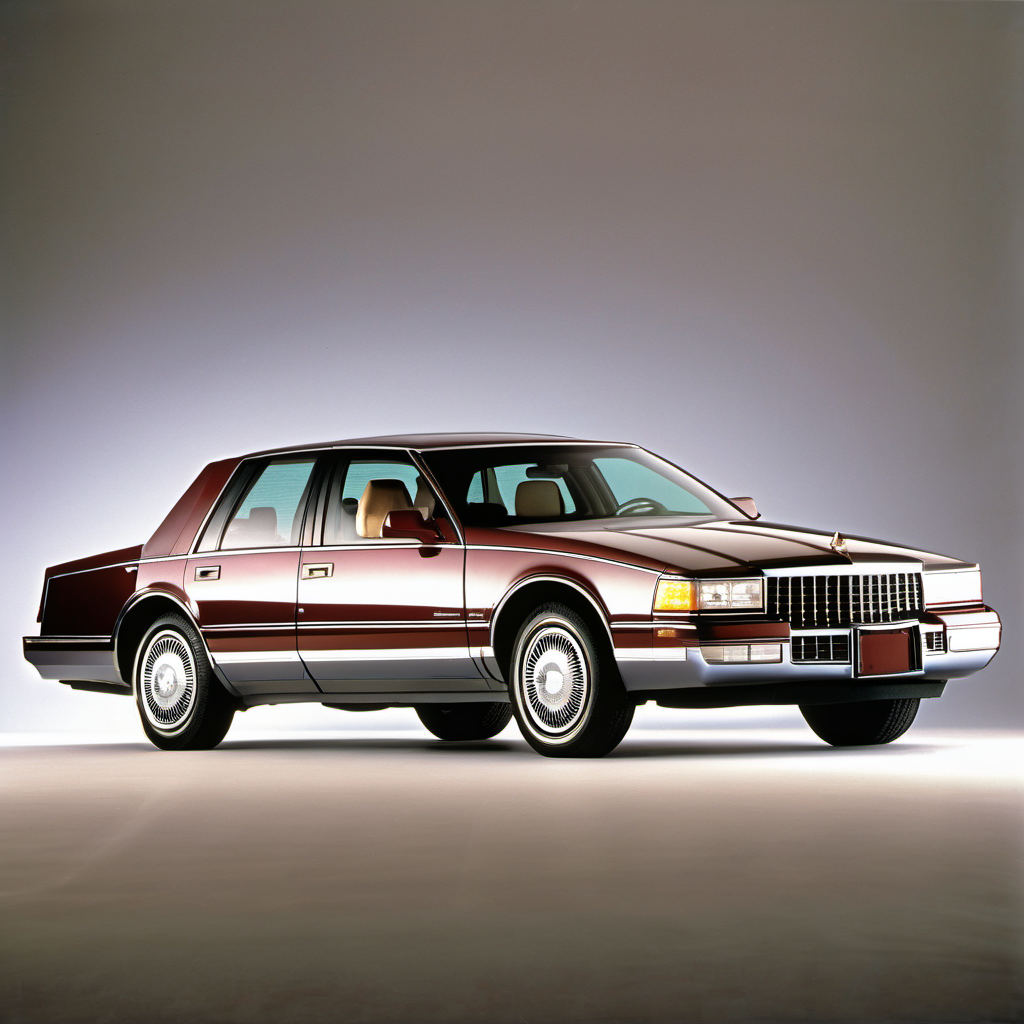
Same 4.9L V8 and FWD platform in a slightly smaller, four-door body — useful comparison if you want similar mechanical DNA with more practicality.