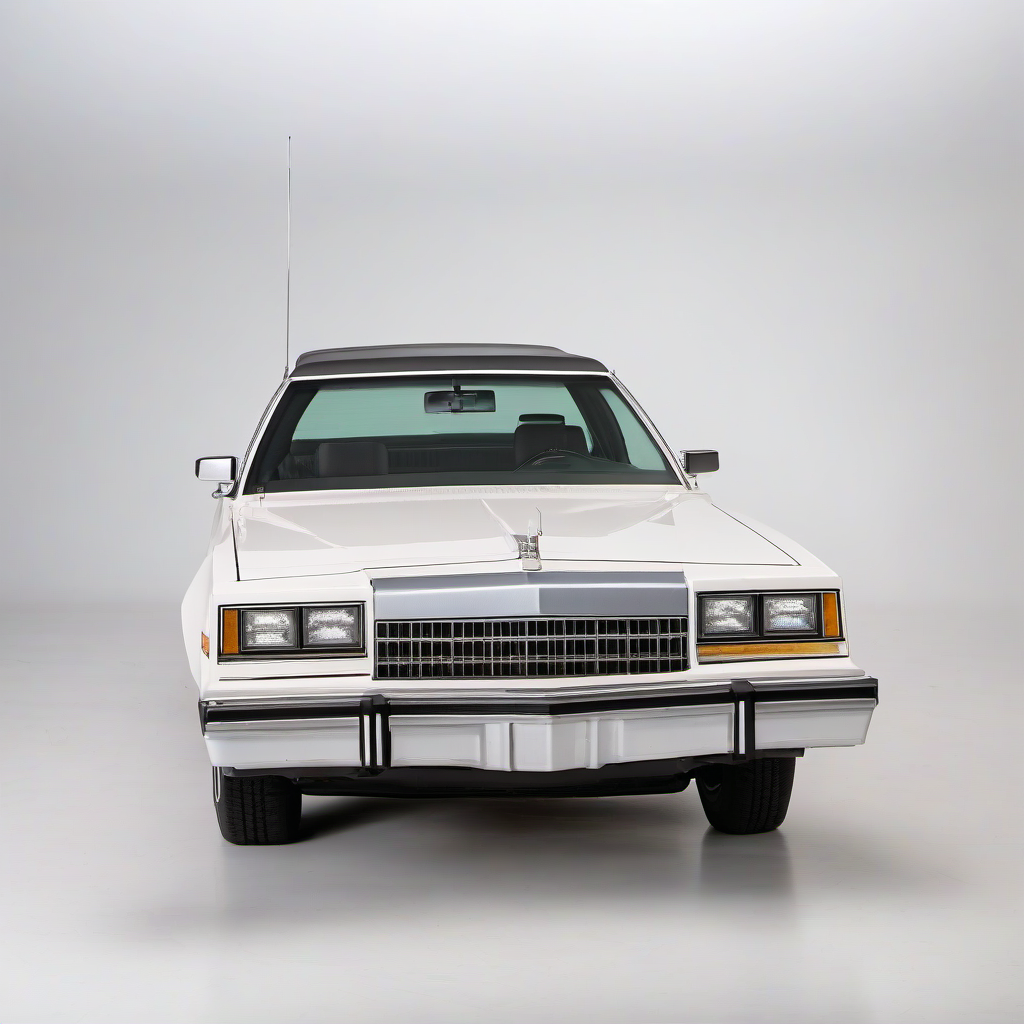
1985 Dodge Diplomat Base

1985 Dodge

DiplomatBase

3.7 L I6 · Base

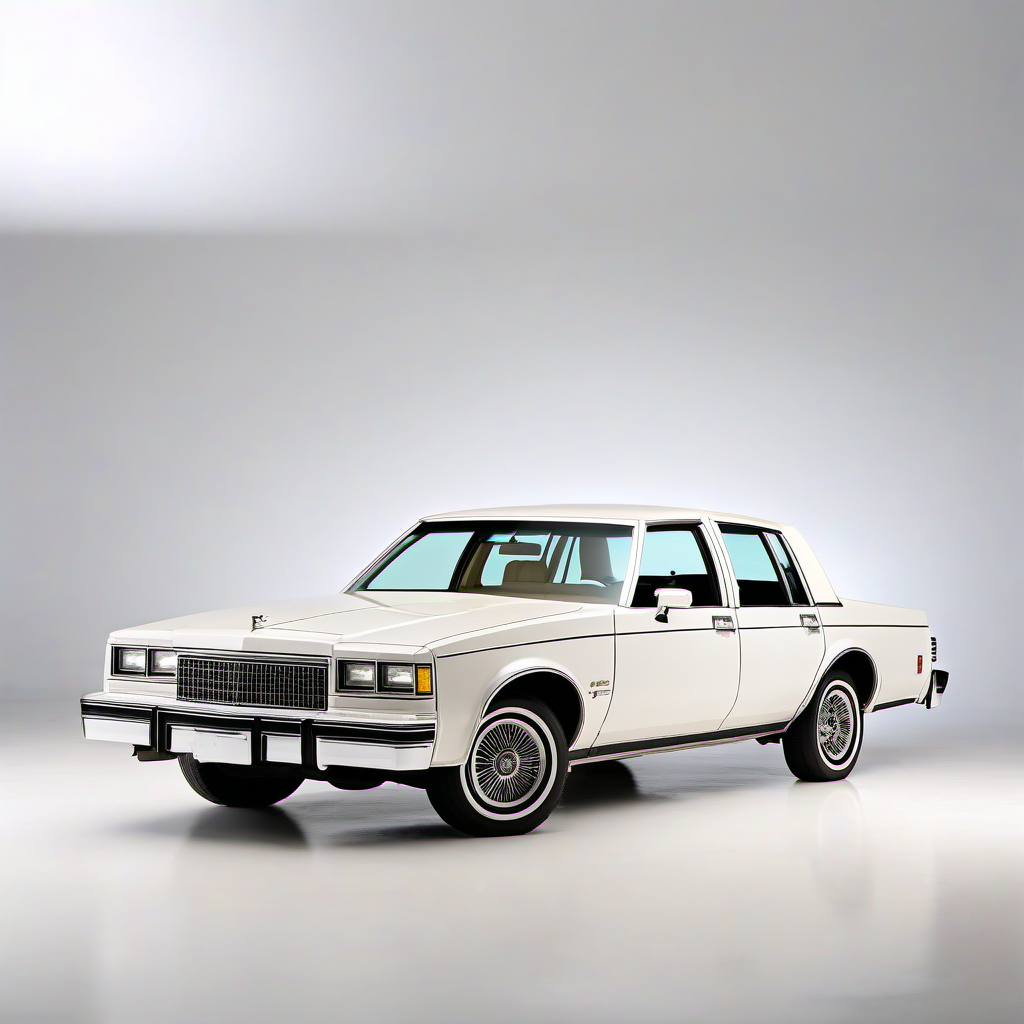
The 1985 Dodge Diplomat is a full-size, body-on-frame rear-wheel-drive sedan built on Chrysler's venerable M-body platform — the same bones shared with the Plymouth Gran Fury and Chrysler Fifth Avenue. By 1985 it was a straightforward, no-frills American sedan aimed at value buyers and fleet customers (police and taxi use were common). It predates OBD-II entirely, so modern scan tools have no useful interface with it. Under the hood, most 1985 Diplomats left the factory with either the 225 cu in (3.7L) Slant-Six or the 318 cu in (5.2L) V8, both carbureted. The V8 is the more common survivor engine and is legendarily simple to work on — parts are still widely available through the Mopar aftermarket. The TorqueFlite 727 or 904 automatic transmission paired to these engines is equally durable. At 40 years old, any surviving Diplomat is a classic or a project car. Rust, worn-out rubber, and deferred maintenance are the primary concerns. Mechanically these cars respond well to straightforward old-school wrenching and can run reliably for many more miles with proper attention to the basics.

Reliability
3/5
Verified data
Specs shown for Diplomat — the most common configuration. Other trims may vary in engine, drivetrain, or fuel economy. Sign in to see your vehicle's exact specs.
Engine
[object Object]
Drivetrain
RWD
Fuel
Premium gasoline
MPG
15 city / 20 hwy / 17 combined
Seats
Doors
Body
Midsize Cars

Overview

AI-curated

The 1985 Dodge Diplomat is a full-size, body-on-frame rear-wheel-drive sedan built on Chrysler's venerable M-body platform — the same bones shared with the Plymouth Gran Fury and Chrysler Fifth Avenue. By 1985 it was a straightforward, no-frills American sedan aimed at value buyers and fleet customers (police and taxi use were common). It predates OBD-II entirely, so modern scan tools have no useful interface with it. Under the hood, most 1985 Diplomats left the factory with either the 225 cu in (3.7L) Slant-Six or the 318 cu in (5.2L) V8, both carbureted. The V8 is the more common survivor engine and is legendarily simple to work on — parts are still widely available through the Mopar aftermarket. The TorqueFlite 727 or 904 automatic transmission paired to these engines is equally durable. At 40 years old, any surviving Diplomat is a classic or a project car. Rust, worn-out rubber, and deferred maintenance are the primary concerns. Mechanically these cars respond well to straightforward old-school wrenching and can run reliably for many more miles with proper attention to the basics.

Known for
  • Rugged, simple carbureted V8 or Slant-Six drivetrain
  • Heavy-duty fleet/police duty roots — overbuilt chassis
  • Easy, inexpensive mechanical repairs with widely available parts
  • Classic American full-size rear-wheel-drive character
  • TorqueFlite automatic transmission durability
Best for
  • Classic car enthusiasts and restorers
  • Budget-minded drivers comfortable with older technology
  • Mopar hobbyists who enjoy doing their own work
  • Low-mileage, dry-climate survivors as a collector piece
Watch for
  • Severe rust on floors, frame rails, and trunk — Wisconsin salt is brutal on these
  • Dried or cracked rubber: hoses, belts, weatherstripping, brake lines
  • Carburetor wear and fuel system degradation from ethanol-blended fuel
  • Asbestos-containing brake and gasket materials still present on unrestored examples
  • Original wiring insulation brittleness — electrical gremlins and fire risk

Common issues by mileage

6 known

Rust — floors, frame rails, trunk pan, and rocker panels

high
Typically appears
All mileages on upper-Midwest cars
Estimated repair
$500 – $6,000

Carburetor wear, flooding, or hard starting from ethanol-blended fuel

high
Typically appears
All mileages
Estimated repair
$150 – $600

Deteriorated rubber fuel lines, coolant hoses, and vacuum lines

high
Typically appears
All mileages on unrestored cars
Estimated repair
$100 – $400

Brake system — rusted steel lines, seized calipers or wheel cylinders

high
Typically appears
All mileages
Estimated repair
$300 – $1,200

Worn or cracked weatherstripping and window seals causing water intrusion

medium
Typically appears
All mileages
Estimated repair
$100 – $500

TorqueFlite transmission slipping or delayed engagement from old fluid and worn bands

medium
Typically appears
80k+ mi
Estimated repair
$200 – $1,800

Maintenance schedule

  1. 1
    Immediately on any newly acquired example; every 3 years thereafter Full cooling system flush and hose/belt replacement

    Original rubber hoses and belts are 40 years old and can fail without warning. Coolant passages in the iron block corrode badly with old coolant.

  2. 2
    Every 2–3 years or any time starting/running issues appear Carburetor cleaning and rebuild if needed

    Modern E10 gasoline degrades carburetor internals and leaves varnish deposits. A clean, properly adjusted carb is the foundation of reliable operation.

  3. 3
    Annually; replace all steel lines if any rust pitting is found Brake system inspection — lines, hoses, wheel cylinders, calipers

    Rusted brake lines are a safety emergency. Forty-year-old steel lines on a Wisconsin car are a serious concern.

  4. 4
    Every 30,000 miles or every 2 years TorqueFlite fluid and filter service

    Old transmission fluid loses its friction modifiers. This transmission responds very well to fresh fluid and band adjustment.

  5. 5
    Annually before winter; treat any bare metal immediately Chassis and undercarriage rust treatment

    Lake Geneva roads are heavily salted. What's sound today can deteriorate fast without annual treatment.

  6. 6
    Every 12,000 miles or annually Spark plugs, points (if not converted to electronic ignition), and distributor cap/rotor

    The 318 V8 runs on a classic distributor ignition. These parts are cheap and keeping them fresh prevents most no-start situations.

  7. 7
    Every fall before Wisconsin winter Battery load test

    Cold-cranking a carbureted V8 at -10°F demands a strong battery. A battery that passes a summer test can still fail at sub-zero temps.

  8. 8
    Once on acquisition; reseal or replace if rust is present Fuel tank inspection for rust and sediment

    Forty-year-old steel tanks rust from the inside out. Sediment clogs the fuel line and ruins the carburetor needle and seat.

Always defer to the manufacturer's service manual for warranty-mandated intervals.

Cost of ownership

Annual maintenance
$400 – $1,500
Fuel
Regular unleaded (87 octane) is fine for the 318 V8. Expect 15–17 MPG in mixed Lake Geneva driving. Budget roughly $1,800–$2,400/year at typical Wisconsin gas prices for moderate driving.
Insurance
Classic/antique vehicle insurance is available and typically very affordable — often $200–$500/year for a car driven occasionally. Standard full-coverage on a daily driver will be higher but still modest given the vehicle's low value.

A well-sorted Diplomat is cheap to own day-to-day — parts are plentiful and inexpensive, and the mechanicals are simple enough for DIY work. The wildcard is deferred restoration costs: rust repair, brake line replacement, and fuel system work on a neglected car can easily exceed the vehicle's market value. Budget generously upfront to get it right, then enjoy low ongoing costs.
Seasonal care

Lake Geneva, WI
Winter
  • Load-test the battery every October — sub-zero cold cranking on a carbureted V8 is demanding and weak batteries fail fast in Wisconsin winters.
  • Switch to a lighter-viscosity engine oil (e.g., 5W-30) if using conventional oil; the 318 starts easier in extreme cold with thinner oil at startup.
  • Inspect and flush washer fluid reservoir; use a -20°F or colder rated fluid — standard fluid freezes in the lines and nozzles.
  • Inspect rubber fuel lines and carburetor inlet for any cracking that cold temps will worsen; replace before freeze.
  • Treat all exposed undercarriage metal with rust inhibitor before first salt exposure; rinse the undercarriage after heavy salt events whenever possible.
  • Check antifreeze concentration — target protection to at least -34°F for Lake Geneva conditions; a 40-year-old cooling system may have diluted coolant.
Summer
  • Inspect coolant hoses carefully — old rubber hoses collapse internally at high heat and can cause sudden overheating.
  • Check and adjust tire pressure monthly; heat causes pressure to rise and overpressure accelerates center-tread wear.
  • Check the carburetor choke mechanism for proper full-open operation in warm weather — a stuck choke runs rich, wastes fuel, and fouls plugs.
  • Inspect the A/C system if equipped; R-12 refrigerant is no longer available new and any leak requires retrofitting to R-134a — do this proactively rather than mid-summer.
  • Check power steering fluid and inspect the steering box for leaks; heat accelerates seal degradation on these old systems.

Comparable vehicles

1985 Chevrolet Caprice
1985 Chevrolet
Caprice

Exact contemporary full-size RWD American sedan. Same mission, similar V8 powertrain, equally strong parts availability, and a nearly identical collector/driver profile.

1985 Ford
LTD Crown Victoria

Ford's full-size RWD sedan of the same era, also fleet/police popular, with the 302 V8. Similar ownership experience and restoration considerations.

No catalog match
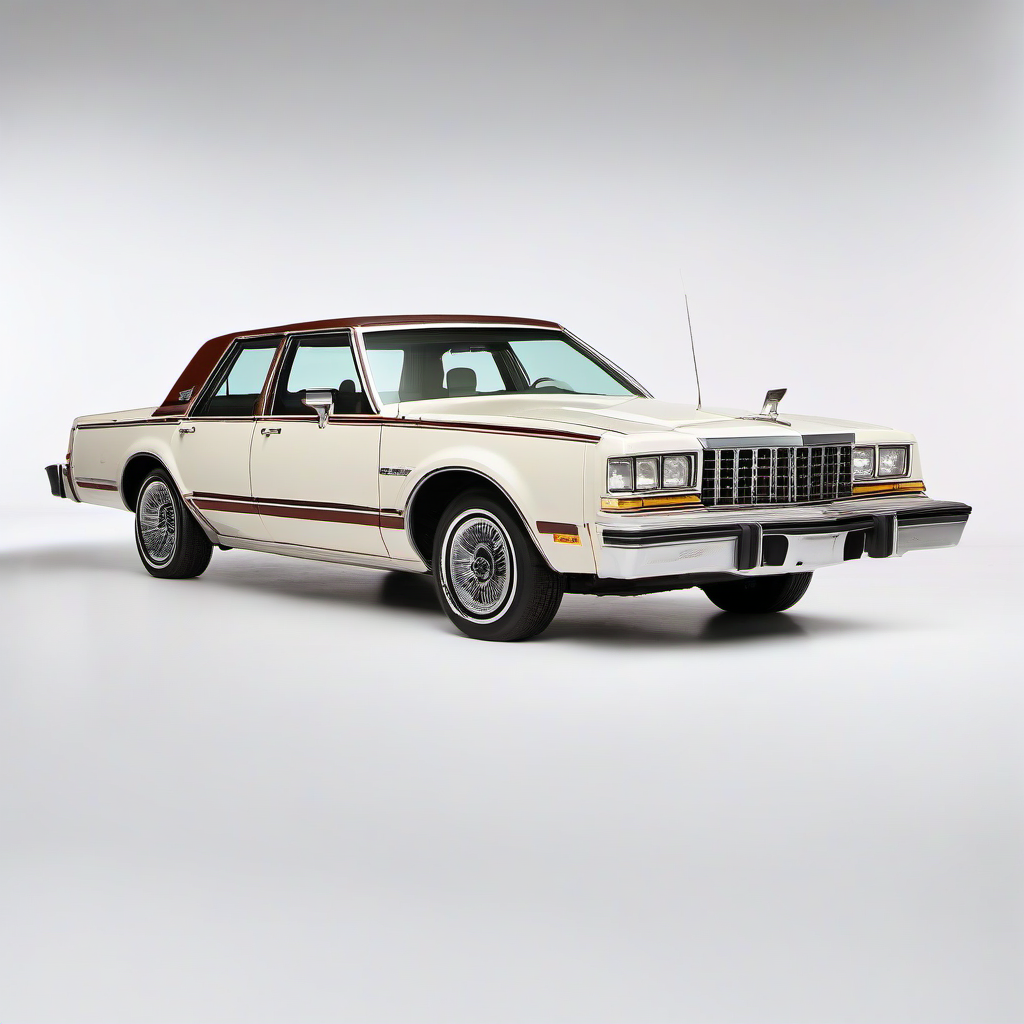
1985 Plymouth Gran Fury
1985 Plymouth
Gran Fury

Mechanically identical — shares the M-body platform, same engines, same transmission, same parts bin. Essentially a rebadged Diplomat.

1985 Chrysler
Fifth Avenue

The luxury version of the same M-body platform with the same 318 V8. More upscale trim but identical mechanicals and the same maintenance and rust concerns.

No catalog match

If you're shopping for one

Red flags
  • Any soft spots in the floor when you press on it — floor pan rust is expensive to repair correctly and dangerous to ignore.
  • Fuel smell inside the cabin or engine bay — old fuel lines or a leaking carburetor float bowl are a fire hazard.
  • A seller who can't show when the brake lines were last inspected or replaced on a Wisconsin or northern car.
  • Fresh undercoating sprayed over the entire undercarriage — a classic way to hide rust from a buyer.
  • Evidence of amateur electrical work: zip-tied wiring, added fuse taps, non-original switches — 40-year-old wiring is already marginal and improper additions raise fire risk.
  • A cold engine that won't idle smoothly or requires pumping the throttle repeatedly — carburetor needs work before the car is reliable.
What to inspect
  • Get under the car and probe every inch of the floor pans, frame rails, trunk pan, and rockers with a screwdriver — rust perforation is the number-one killer of these cars in the Midwest.
  • Pull the carburetor air cleaner and look for varnish, fuel smell, or black soot around the throttle bore — signs of a neglected or flooding carb.
  • Inspect all rubber fuel lines from the tank forward; any cracking, swelling, or softness is an immediate replacement item.
  • Check for brake pedal sponginess or a pedal that sinks slowly — indicates worn wheel cylinders or calipers and likely rusted brake lines.
  • Look at the firewall and inner fender seams for rust bubbles; water pools here and works inward invisibly.
  • Start the engine cold and watch for blue smoke (worn rings or valve seals) or a loud lifter tick that doesn't quiet within 30 seconds of warm-up.
AI profile generated 18 days ago · claude-sonnet-4-6 · v2.