Turbo unit wear and oil leaks
high- Typically appears
- 60k+ mi / any age
- Estimated repair
- $400 – $1,200
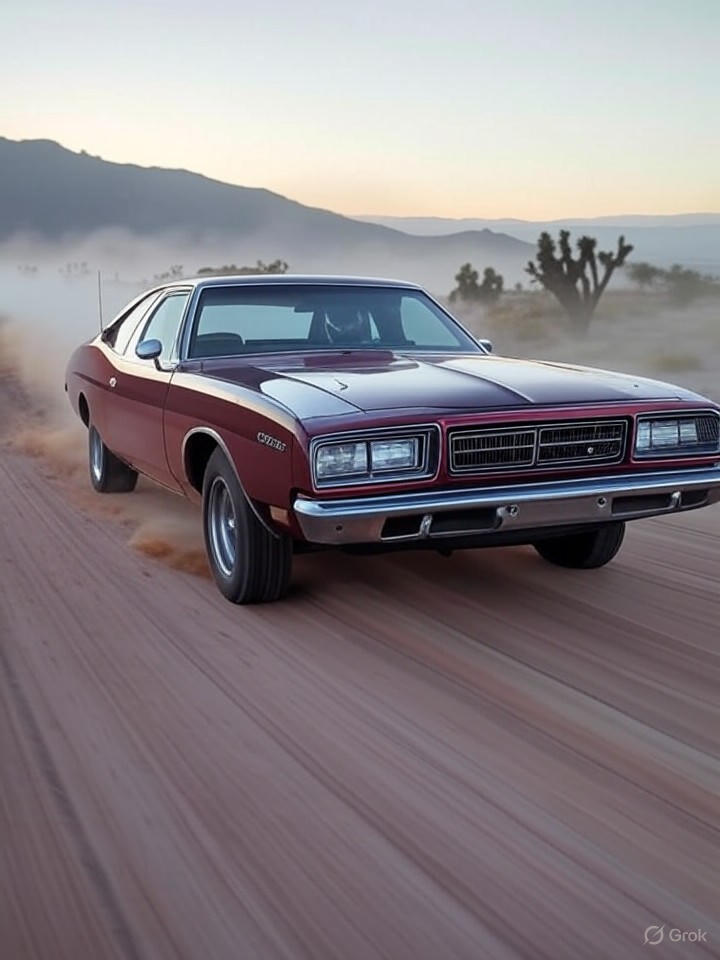
1985 Dodge
2.2 L I4 · Turbo Z
The 1985 Dodge Daytona Turbo Z is a front-wheel-drive sports coupe built on Chrysler's K-car platform — the L-body. It was Dodge's attempt to bring affordable turbocharged performance to the American market during a lean decade for muscle cars. The Turbo Z trim topped the Daytona lineup, pairing the turbocharged 2.2L four-cylinder with a firmer suspension tune, rear spoiler, and sportier interior appointments. For its era it was genuinely quick, and the turbo 2.2 engine became a cult favorite among Mopar enthusiasts. Handling was above average for an American FWD coupe of the mid-1980s, and the low, wedge-shaped body held up stylistically better than many contemporaries. At nearly 40 years old, any surviving Daytona Turbo Z is firmly a collector or hobbyist vehicle. Parts availability has thinned considerably, turbo and fuel system components require patience and know-how to source, and the cars demand an owner who is either mechanically inclined or has access to a shop that knows vintage Mopar.
The 1985 Dodge Daytona Turbo Z is a front-wheel-drive sports coupe built on Chrysler's K-car platform — the L-body. It was Dodge's attempt to bring affordable turbocharged performance to the American market during a lean decade for muscle cars. The Turbo Z trim topped the Daytona lineup, pairing the turbocharged 2.2L four-cylinder with a firmer suspension tune, rear spoiler, and sportier interior appointments. For its era it was genuinely quick, and the turbo 2.2 engine became a cult favorite among Mopar enthusiasts. Handling was above average for an American FWD coupe of the mid-1980s, and the low, wedge-shaped body held up stylistically better than many contemporaries. At nearly 40 years old, any surviving Daytona Turbo Z is firmly a collector or hobbyist vehicle. Parts availability has thinned considerably, turbo and fuel system components require patience and know-how to source, and the cars demand an owner who is either mechanically inclined or has access to a shop that knows vintage Mopar.
Turbo bearings are oil-cooled; degraded oil accelerates turbo wear dramatically. Short intervals are cheap insurance on a 40-year-old turbo.
Original rubber is 40 years old. Cracked hoses near the turbo are a fire hazard.
Boost leaks cause rich/lean surges, hesitation, and can destroy the turbo through lean conditions.
Depleted coolant accelerates aluminum corrosion in the head and water pump. Overheating a turbo 2.2 is a very expensive mistake.
The turbo 2.2 is sensitive to ignition condition. Aged wires cause misfires that are easy to misdiagnose on early electronic fuel injection.
Cracked seals let water into the floor pans, accelerating rust from the inside out.
The Getrag/A520 5-speed units are hard to source; fresh fluid extends synchro life.
Cold cranking a turbocharged engine in Wisconsin sub-zero temps with a marginal battery is a recipe for a no-start and potential fuel system flooding.
Always defer to the manufacturer's service manual for warranty-mandated intervals.
This is not a cheap car to keep running. Parts are scarce and increasingly expensive; a single turbo replacement or rust repair can push annual costs well above the car's market value. Budget generously for deferred maintenance when buying. The reward is a genuinely unique driver that costs very little to insure as a collector vehicle.
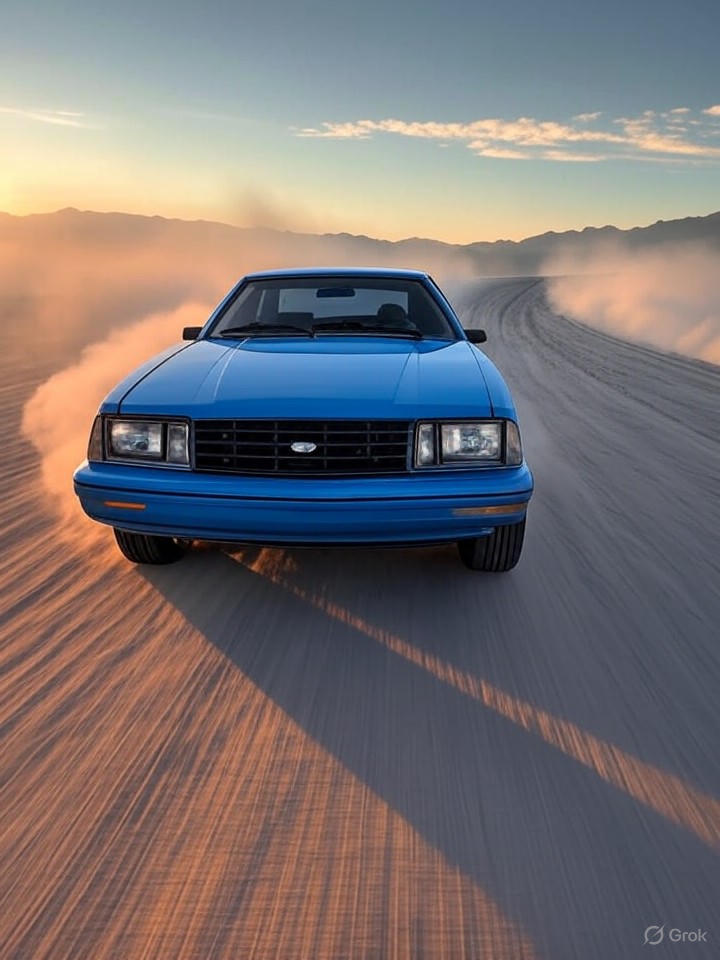
Also a turbocharged four-cylinder American sport coupe of the same era, with a similar enthusiast following and the same aging-parts challenges.
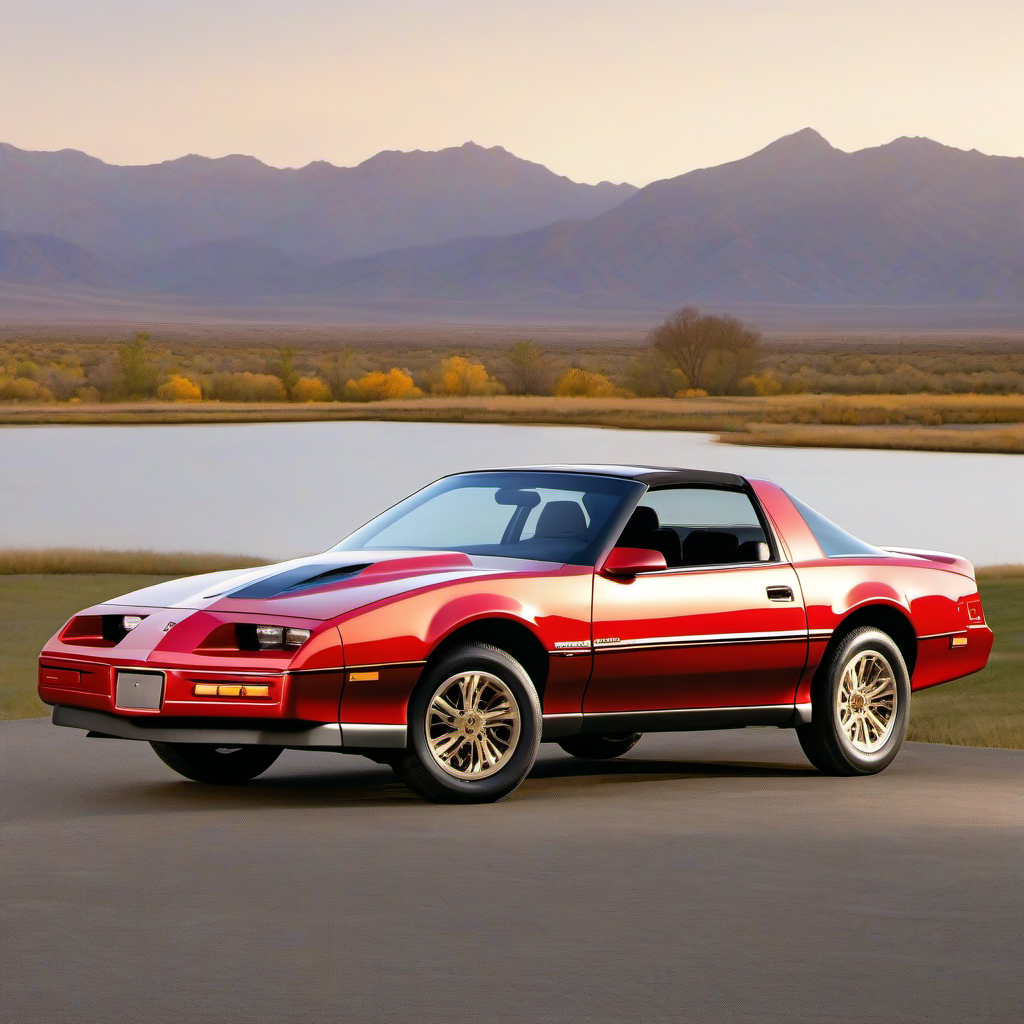
Competing domestic sporty coupe at a similar price point with a comparable collector following. V6/V8 options but same vintage maintenance demands.
Japanese FWD sport coupe competitor from the same period. Generally more reliable and easier to source parts for, but in the same enthusiast price bracket.
No catalog matchShares the same L-body platform and turbo 2.2 drivetrain — direct platform sibling with a hotter Carroll Shelby-tuned variant, relevant for parts cross-compatibility.
No catalog match