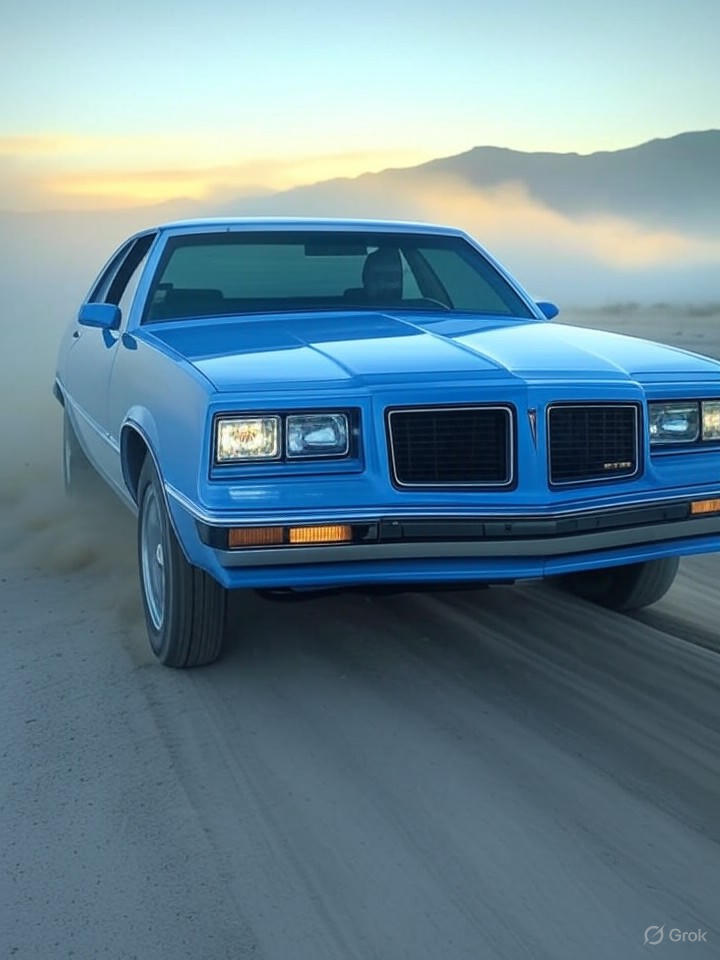
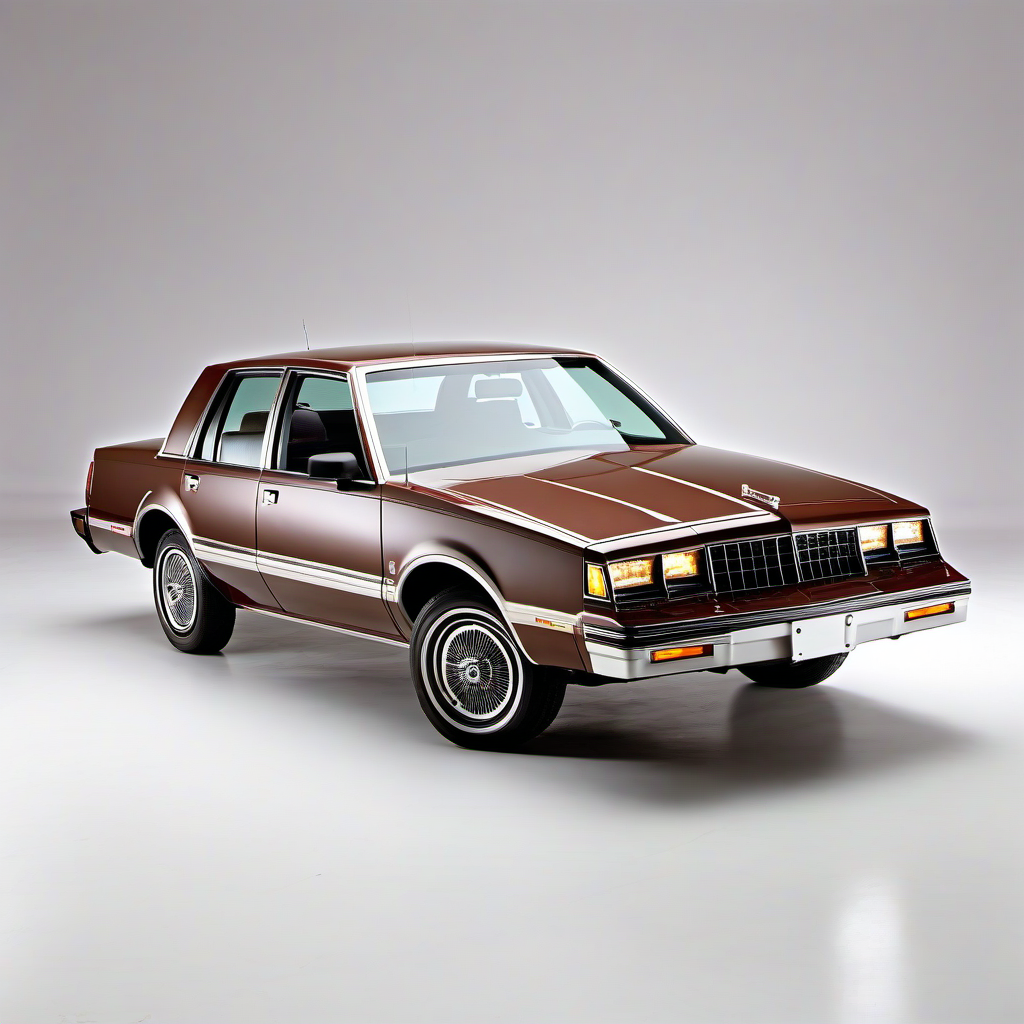
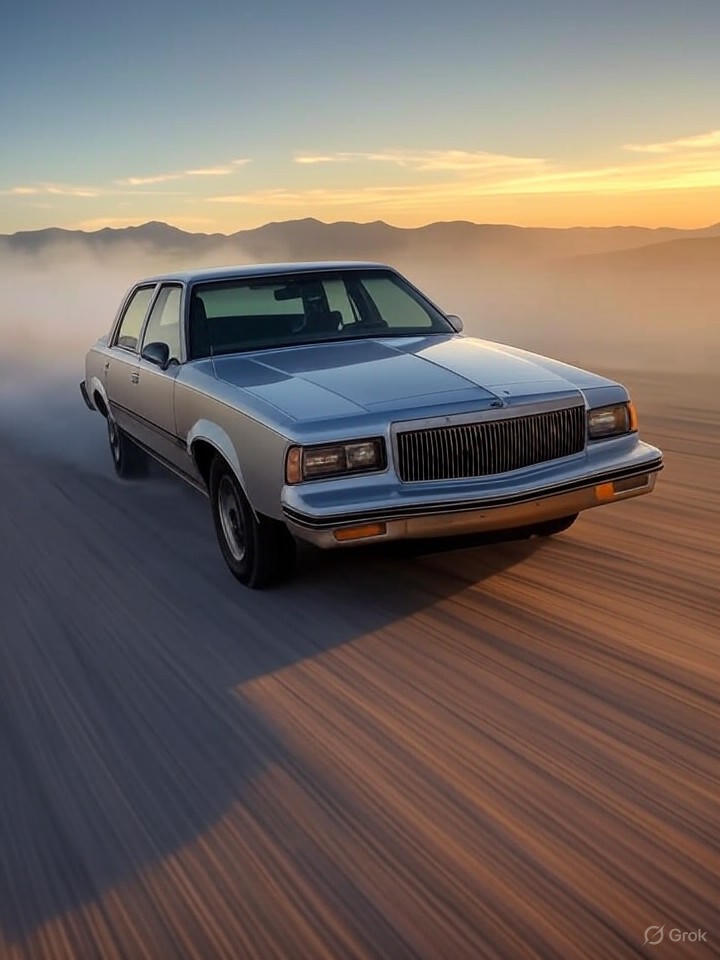
1984 Pontiac 6000 LE

1984 Pontiac

6000LE

2.5 L I4 · LE

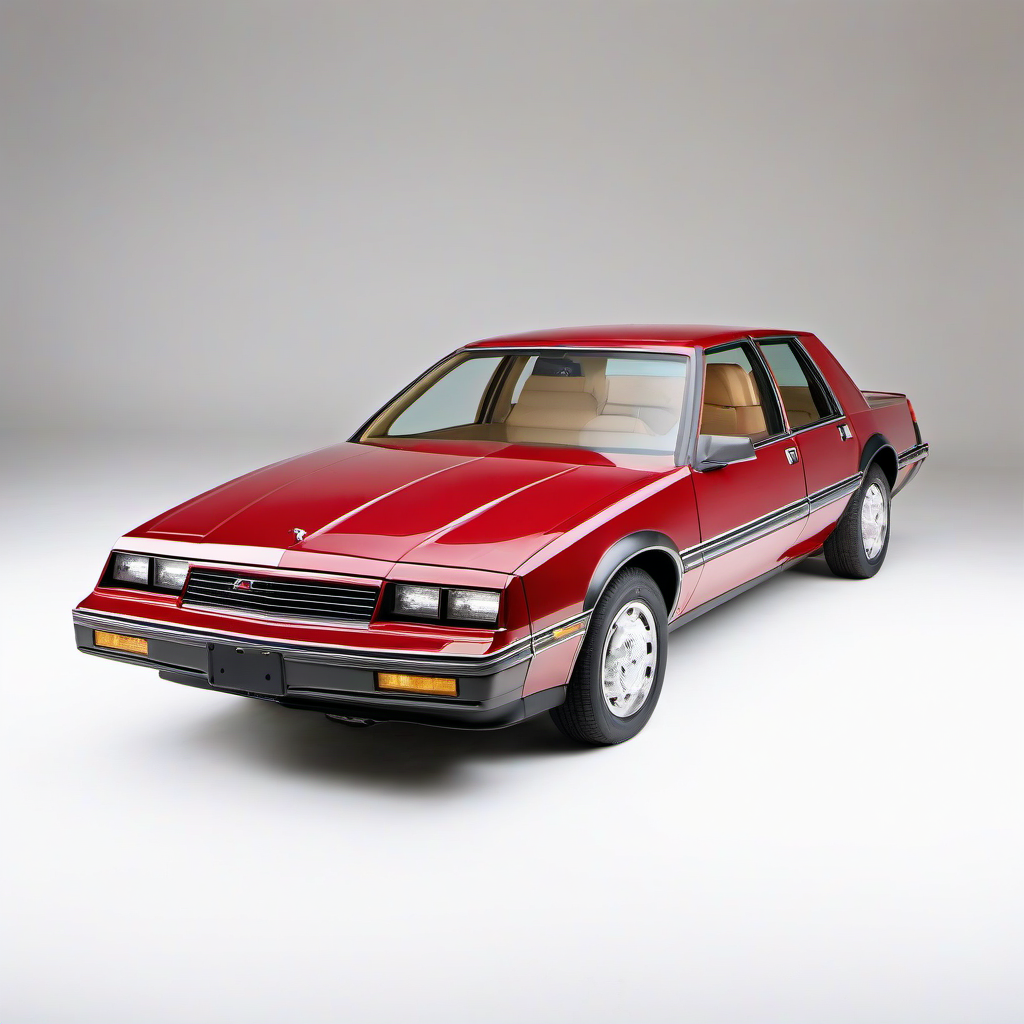
The 1984 Pontiac 6000 LE is a front-wheel-drive mid-size sedan built on GM's A-body platform, shared with the Chevrolet Celebrity, Oldsmobile Cutlass Ciera, and Buick Century. It was Pontiac's answer to the growing demand for fuel-efficient, practical family sedans in the early 1980s. The LE trim added a few comfort upgrades over the base model — nicer interior trim, slightly better sound insulation — without breaking the bank. Powered by GM's 2.5L Iron Duke four-cylinder (nicknamed the 'Tech IV' in later years), this car is unexciting by any measure but was designed for durability and economy. The engine is simple, carbureted in '84, and easy to work on with basic hand tools. Expect it to run reliably if basic maintenance has been kept up. By 2025, any surviving 1984 Pontiac 6000 is a 40-year-old car. Parts availability is declining, rust from Wisconsin salt is a serious concern, and these are no longer daily-driver candidates for most buyers. They exist mostly in collector hands or as inexpensive project cars.

Reliability
3/5
Verified data
Specs shown for 6000 — the most common configuration. Other trims may vary in engine, drivetrain, or fuel economy. Sign in to see your vehicle's exact specs.
Engine
[object Object]
Drivetrain
Fuel
Gasoline
MPG
20 city / 28 hwy / 23 combined
Seats
Doors
Body
Midsize Cars

Overview

AI-curated

The 1984 Pontiac 6000 LE is a front-wheel-drive mid-size sedan built on GM's A-body platform, shared with the Chevrolet Celebrity, Oldsmobile Cutlass Ciera, and Buick Century. It was Pontiac's answer to the growing demand for fuel-efficient, practical family sedans in the early 1980s. The LE trim added a few comfort upgrades over the base model — nicer interior trim, slightly better sound insulation — without breaking the bank. Powered by GM's 2.5L Iron Duke four-cylinder (nicknamed the 'Tech IV' in later years), this car is unexciting by any measure but was designed for durability and economy. The engine is simple, carbureted in '84, and easy to work on with basic hand tools. Expect it to run reliably if basic maintenance has been kept up. By 2025, any surviving 1984 Pontiac 6000 is a 40-year-old car. Parts availability is declining, rust from Wisconsin salt is a serious concern, and these are no longer daily-driver candidates for most buyers. They exist mostly in collector hands or as inexpensive project cars.

Known for
  • Simple, durable 2.5L Iron Duke four-cylinder engine
  • Front-wheel drive on a solid GM A-body platform
  • Fuel-efficient and practical family sedan packaging
  • Shared platform with Celebrity, Century, and Cutlass Ciera
Best for
  • Budget-conscious classic car enthusiasts
  • Shade-tree mechanics who want an easy project
  • Collectors focused on early 1980s GM history
  • Low-speed, low-mileage occasional use
Watch for
  • Significant rust on floor pans, rocker panels, and wheel wells — especially in Wisconsin
  • Deteriorated rubber: hoses, belts, seals, and bushings are 40+ years old
  • Carburetor issues on the 2.5L — rebuilds or replacements are common at this age
  • Electrical gremlins from aged wiring harnesses and connectors
  • Fading parts availability for trim pieces and some mechanical components

Common issues by mileage

6 known

Carburetor deterioration and fuel delivery problems

high
Typically appears
Any mileage at 40+ years
Estimated repair
$150 – $450

Cooling system failure — hoses, water pump, thermostat

high
Typically appears
Any mileage at 40+ years
Estimated repair
$200 – $600

Rust perforation on floor pans, rocker panels, and subframe

high
Typically appears
Any mileage — Wisconsin/salt-belt cars
Estimated repair
$500 – $3,500

Aged rubber: belts, CV axle boots, brake hoses, engine mounts

high
Typically appears
Any — age-related
Estimated repair
$300 – $900

Electrical wiring harness degradation and connector corrosion

medium
Typically appears
Any mileage at 40+ years
Estimated repair
$100 – $800

Automatic transmission wear (THM 125C or 3T40)

medium
Typically appears
80k+ mi
Estimated repair
$800 – $2,200

Maintenance schedule

  1. 1
    Immediately on acquisition, then every 2 years Full cooling system inspection and flush

    40-year-old coolant hoses are prone to cracking without warning. A coolant failure can destroy the Iron Duke in minutes. Replace all hoses, inspect the water pump, and use fresh coolant.

  2. 2
    As needed — inspect immediately Carburetor cleaning or rebuild

    The Rochester 2-barrel carburetor on the 1984 2.5L is likely gummed from old fuel or sitting. A clean, properly adjusted carb is essential for reliable starting and fuel economy.

  3. 3
    Every 3,000–4,000 miles or annually, whichever comes first Engine oil and filter change

    Short-interval oil changes are especially important on older engines with worn seals and potential oil sludge. Use a conventional 10W-30 unless the engine shows consumption issues.

  4. 4
    Immediately, then every 2 years Brake fluid flush and brake system inspection

    Brake fluid absorbs moisture over decades and boils at lower temps. Inspect calipers, wheel cylinders, and rubber brake hoses for cracking or collapse — rubber this old fails internally.

  5. 5
    Every spring after winter Full undercarriage rust inspection

    Wisconsin road salt accelerates rust on floor pans, brake lines, fuel lines, and subframe. Catch surface rust early with wire brush and rust converter before it becomes structural.

  6. 6
    Inspect immediately; replace if unknown Timing belt/chain and ignition tune-up (plugs, cap, rotor, wires)

    The Iron Duke uses a timing chain — inspect for stretch and wear. Spark plugs, cap, and rotor on a carbureted 40-year-old car are almost certainly due regardless of mileage.

  7. 7
    Every fall before winter Battery load test

    Sub-zero Wisconsin winters are brutal on batteries. An older or marginal battery that starts fine in September may leave you stranded in January.

  8. 8
    Immediately on acquisition Fuel lines and fuel tank inspection

    Steel fuel lines on a 40-year-old Midwest car are prime rust candidates. A pinhole leak is a fire hazard. Inspect the full run from tank to carb and replace any suspect sections.

Always defer to the manufacturer's service manual for warranty-mandated intervals.

Cost of ownership

Annual maintenance
$400 – $1,500
Fuel
Regular unleaded. At 23 MPG combined and ~10,000 miles/year, expect roughly $1,200–$1,600/year at current Wisconsin gas prices.
Insurance
Classic/antique car insurance is typically available for this 1984 model and can be very affordable ($200–$500/year) with mileage restrictions. Standard coverage will cost more.

A well-maintained 6000 LE is cheap to run day-to-day — parts are inexpensive when available, and the Iron Duke doesn't demand exotic fluids or specialty tools. The real cost wildcard is deferred maintenance: a car this age often needs a burst of catch-up work on rubber, fluids, and ignition components when it changes hands. Budget $1,000–$2,500 upfront for a proper recommission if the service history is unknown. Annual costs after that should be modest unless rust repair is needed.
Seasonal care

Lake Geneva, WI
Winter
  • Load-test the battery every fall — the Iron Duke cranks hard in sub-zero temps and a weak battery won't make it through a Lake Geneva January.
  • Switch to a lighter viscosity oil (e.g., 5W-30) if the car will be used in sub-zero conditions to aid cold starts.
  • Flush and refill washer fluid with a -20°F or colder rated formula before first freeze — summer fluid will ice on the windshield.
  • Inspect and replace wiper blades; consider winter blades to handle heavy Wisconsin snow.
  • Flush the coolant system and verify antifreeze protection to at least -34°F — check with a test strip or refractometer.
  • Inspect steel brake and fuel lines under the car for rust perforation before winter salt exposure worsens any existing damage.
Summer
  • Check tire pressure monthly — summer heat causes pressure to rise; over-inflated tires reduce grip and wear unevenly.
  • Inspect the cooling system before hot weather: a marginal water pump or clogged radiator that limps through winter will overheat in July.
  • Run the A/C system and check for weak cooling — the R-12 refrigerant this car was built for is no longer available; if recharge is needed, the system requires conversion to R-134a.
  • Check under the hood for heat-cracked hoses and belts — summer heat accelerates rubber degradation on a 40-year-old engine bay.

Comparable vehicles

If you're shopping for one

Red flags
  • Soft or spongy floor under carpet — structural rust that may make the car unsafe to drive
  • Any rust perforation on the subframe or front cradle — repair cost can exceed the car's value
  • Evidence of oil leaks pooling under the engine — rear main seal and valve cover gaskets are common, but heavy leakage signals neglect
  • Milky or frothy oil on the dipstick — indicates coolant intrusion, a serious engine problem
  • A carburetor that has been heavily modified or replaced with a non-stock unit without documentation
  • R-12 A/C system that 'works great' with no explanation of how it was recharged — R-12 is tightly regulated; verify it has been properly converted or accept the A/C needs work
  • No maintenance records at all on a 40-year-old car — proceed only if you're comfortable with a full mechanical recommission
What to inspect
  • Floor pans: push firmly on the carpet near the driver's seat and rear passenger footwells — soft spots mean rust-through
  • Rocker panels and lower door skins for bubbling paint or filler covering rust
  • All rubber hoses in the engine bay — squeeze them; they should feel firm but pliable, not hard, cracked, or spongy
  • Undercarriage brake and fuel lines — look for heavy scale rust or active seepage
  • Carburetor function: does it start cold without excessive pumping? Does it idle smoothly once warm?
  • Transmission: does it shift smoothly through all gears with no slipping or harsh clunks?
  • CV axle boots: torn or missing boots mean contaminated joints that will need replacement soon
  • Body gaps and panel alignment — poor gaps may indicate past collision repair
AI profile generated 4 days ago · claude-sonnet-4-6 · v2.