Rust and corrosion — floor pans, rockers, and rear wheel arches
high- Typically appears
- All mileages on Midwest/salt-belt cars
- Estimated repair
- $500 – $5,000
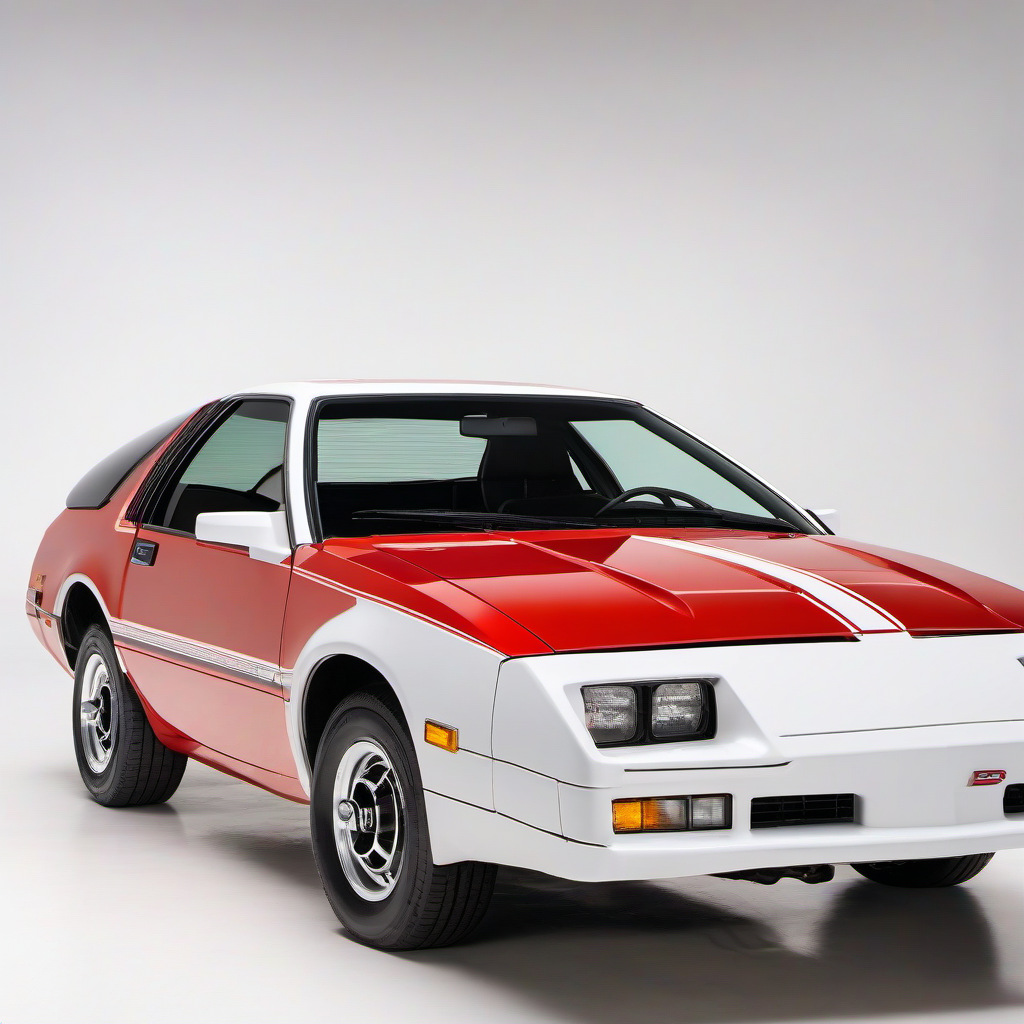
1984 Dodge
2.5 L I4 · Base
The 1984 Dodge Daytona is a front-wheel-drive sports coupe built on Chrysler's K-car platform — the same basic architecture that underpinned the Aries and Reliant. It was Dodge's attempt to bring an affordable, aerodynamic sporty car to market during a period when the company was clawing its way back from near-bankruptcy. The base model came with Chrysler's 2.2L four-cylinder, a carbureted engine known more for its parts availability than its excitement. As a 40-year-old vehicle, any surviving Daytona is now firmly in collector or project-car territory. The K-car platform was never particularly rust-resistant, and Wisconsin salt exposure over four decades makes corrosion the single biggest concern when evaluating one of these. Mechanically, the 2.2L engine is simple and parts are still findable through aftermarket suppliers, which works in its favor. This is not a daily driver candidate for most people. It's a nostalgia machine or a restoration project. Expect to put real money into rubber, electrical, and body work just to make one road-worthy. If that's the mission you're signed up for, the Daytona has a genuine place in American automotive history and a small but passionate ownership community.
The 1984 Dodge Daytona is a front-wheel-drive sports coupe built on Chrysler's K-car platform — the same basic architecture that underpinned the Aries and Reliant. It was Dodge's attempt to bring an affordable, aerodynamic sporty car to market during a period when the company was clawing its way back from near-bankruptcy. The base model came with Chrysler's 2.2L four-cylinder, a carbureted engine known more for its parts availability than its excitement. As a 40-year-old vehicle, any surviving Daytona is now firmly in collector or project-car territory. The K-car platform was never particularly rust-resistant, and Wisconsin salt exposure over four decades makes corrosion the single biggest concern when evaluating one of these. Mechanically, the 2.2L engine is simple and parts are still findable through aftermarket suppliers, which works in its favor. This is not a daily driver candidate for most people. It's a nostalgia machine or a restoration project. Expect to put real money into rubber, electrical, and body work just to make one road-worthy. If that's the mission you're signed up for, the Daytona has a genuine place in American automotive history and a small but passionate ownership community.
Rubber components this old are prone to sudden failure. The 2.2L is an interference engine — a snapped timing belt means bent valves and a much larger repair bill.
Old fuel leaves varnish and gum deposits that clog jets and passages. A fresh rebuild kit or replacement carb is cheap insurance on a car this age.
Wisconsin road salt is relentless. Surface rust left unaddressed becomes structural rot. Check from underneath with a flashlight and a screwdriver.
Short trips and infrequent use let moisture and acids accumulate in the oil. On a classic used occasionally, annual changes at minimum keep acids from eating bearings.
40-year-old plastic insulation gets brittle and cracks, creating short circuit and fire risk. Pay close attention near the firewall and under the dash.
Old brake fluid absorbs moisture and lowers its boiling point. On a car this age, fluid may not have been changed in years — corrosion inside brake lines and calipers is a real risk.
Rubber fuel lines degrade with age and ethanol-blended fuel. A cracked fuel line near a hot exhaust manifold is a fire hazard.
Sub-zero temps in Lake Geneva can cut a marginal battery's cranking amps in half. A 40-year-old charging system should also have the alternator output tested.
Always defer to the manufacturer's service manual for warranty-mandated intervals.
As a 40-year-old project or collector car, ownership costs are highly variable and depend almost entirely on what condition the car is in when you acquire it. A rust-free, well-sorted example might cost only a few hundred dollars a year to maintain. A car needing structural rust repair, a carburetor rebuild, fresh rubber throughout, and wiring work could easily absorb $3,000–$8,000 in a single year of restoration. Budget conservatively and inspect thoroughly before buying.
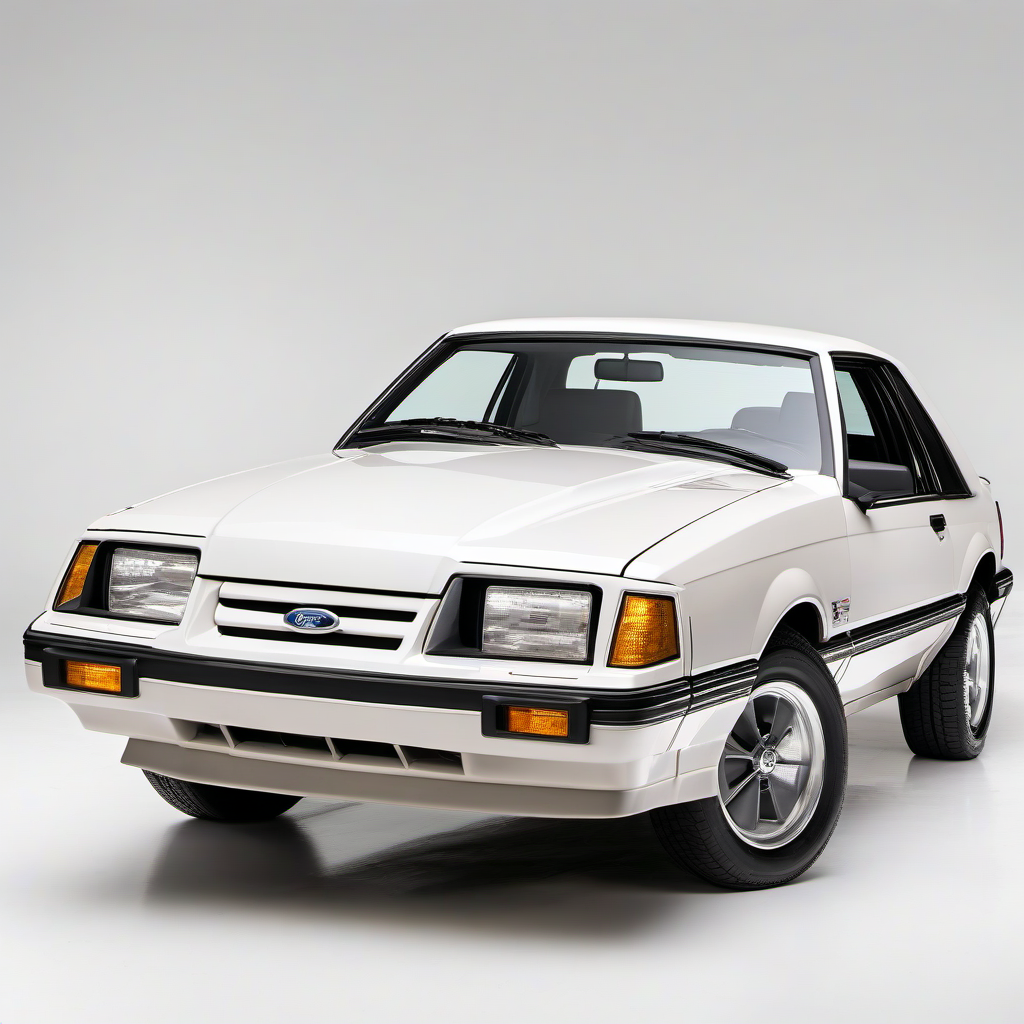
Same era, similar price point as a used buy today, sporty coupe with a passionate collector community and far better parts availability
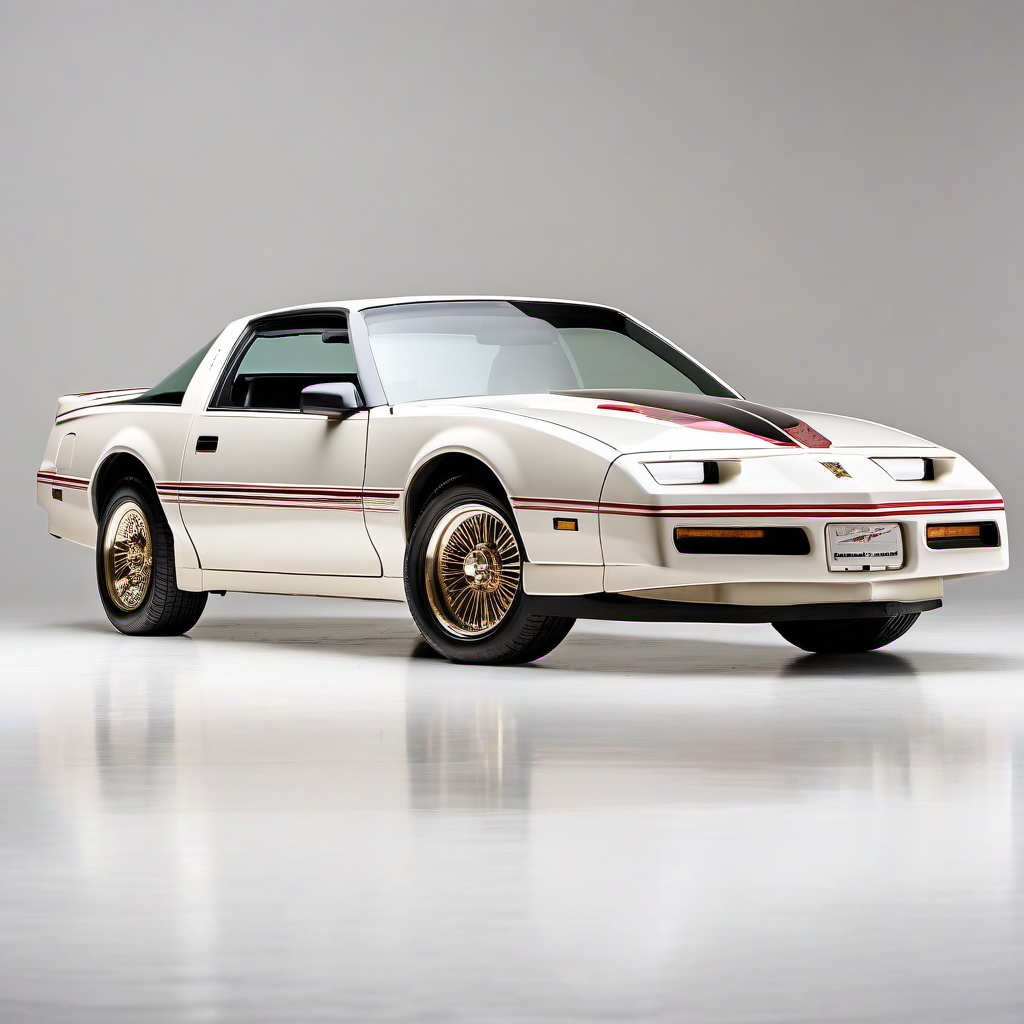
Contemporary GM sporty coupe, similar collector appeal, comparable restoration challenges on a Midwest car
Same sport-coupe segment and era, front-wheel drive, but with a significantly stronger reputation for surviving to this age without structural rust
No catalog matchFellow K-car-based Dodge sport coupe from the same period — mechanical parts are largely interchangeable, making it a good donor car comparison
No catalog match