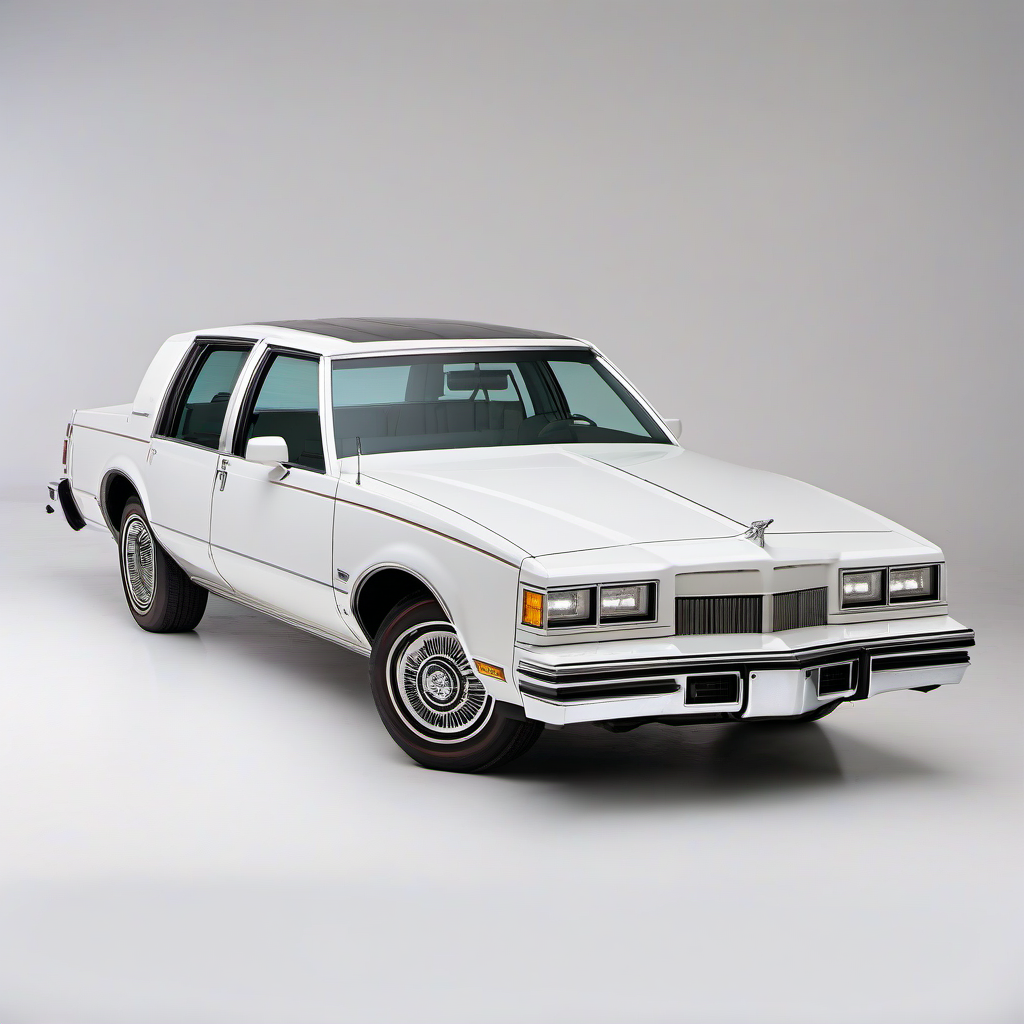
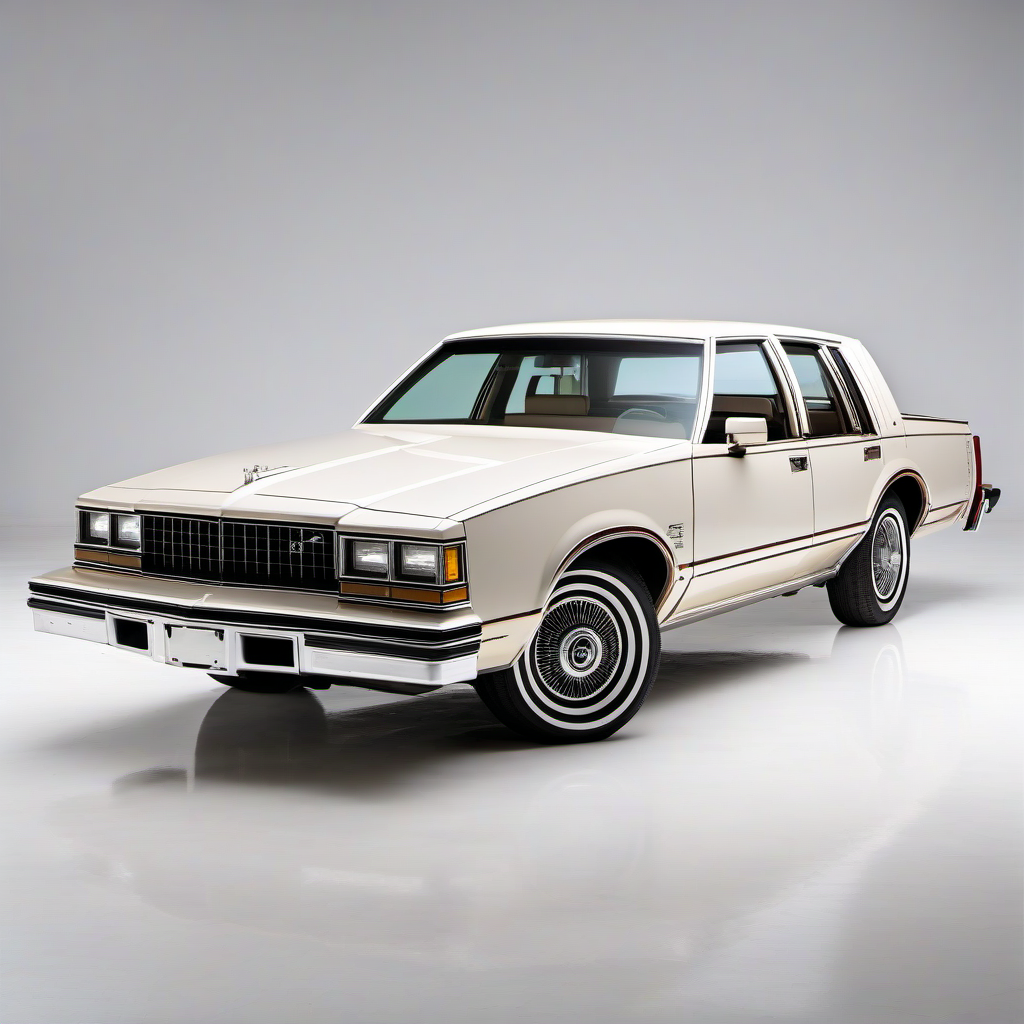
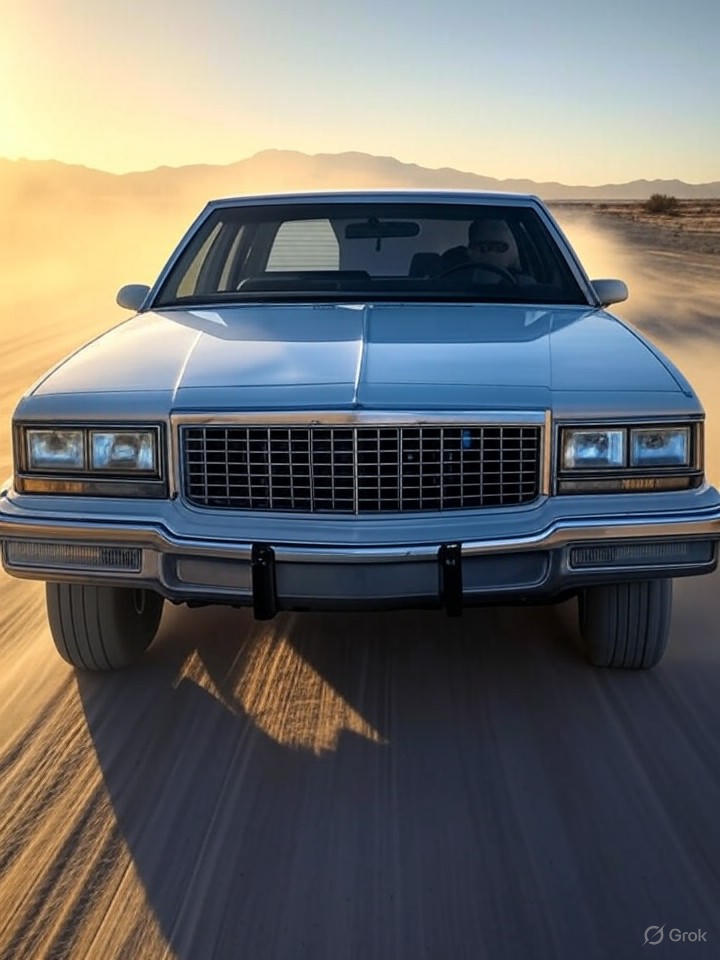
1983 Pontiac Bonneville SE

1983 Pontiac

BonnevilleSE

3.8 L V6 · SE

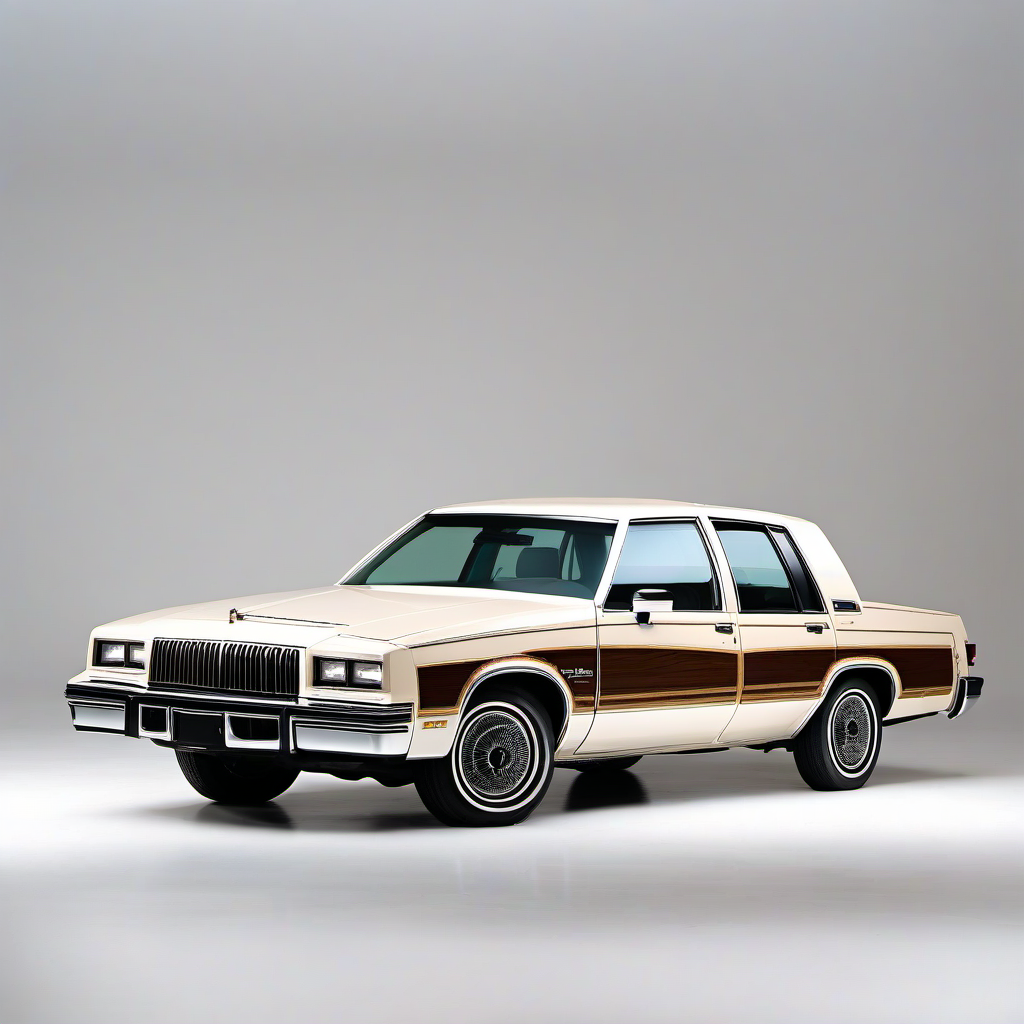
The 1983 Pontiac Bonneville SE is a full-size American sedan built on GM's rear-wheel-drive B-body platform — one of the last years this generation rode that traditional layout before the nameplate switched to front-wheel drive in 1987. Power came from GM's 3.8L Buick-sourced V6, a torquey and relatively durable engine that was broadly shared across the GM lineup in this era. The SE trim added a modest sport package over the base Bonneville with upgraded interior trim and handling refinements. At 40-plus years old, this is firmly a classic/collector vehicle rather than everyday transportation. Parts availability is mixed — mechanical pieces like brake hardware, filters, and suspension components are still findable through GM classic suppliers and warehouse distributors, but trim-specific body and interior parts require patience or the salvage yard. Expect to pay for basic infrastructure refresh just to make the car reliable and safe for regular use. For a Wisconsin owner, rust is the defining issue. These B-bodies were notorious for rocker panel, floor pan, and frame-rail corrosion even when new, and forty winters of road salt separates well-preserved examples from rolling rust buckets. Buy with eyes open and a flashlight under the car.

Reliability
3/5
Verified data
Engine
3.8L V6 (Buick 231)
Drivetrain
RWD
Fuel
Gasoline
MPG
16 city / 24 hwy / 19 combined
Seats
6
Doors
4
Body
Sedan
MSRP
$10,500

Overview

AI-curated

The 1983 Pontiac Bonneville SE is a full-size American sedan built on GM's rear-wheel-drive B-body platform — one of the last years this generation rode that traditional layout before the nameplate switched to front-wheel drive in 1987. Power came from GM's 3.8L Buick-sourced V6, a torquey and relatively durable engine that was broadly shared across the GM lineup in this era. The SE trim added a modest sport package over the base Bonneville with upgraded interior trim and handling refinements. At 40-plus years old, this is firmly a classic/collector vehicle rather than everyday transportation. Parts availability is mixed — mechanical pieces like brake hardware, filters, and suspension components are still findable through GM classic suppliers and warehouse distributors, but trim-specific body and interior parts require patience or the salvage yard. Expect to pay for basic infrastructure refresh just to make the car reliable and safe for regular use. For a Wisconsin owner, rust is the defining issue. These B-bodies were notorious for rocker panel, floor pan, and frame-rail corrosion even when new, and forty winters of road salt separates well-preserved examples from rolling rust buckets. Buy with eyes open and a flashlight under the car.

Known for
  • Buick 3.8L V6 — stout, long-lived engine with good parts support
  • Spacious, pillow-soft full-size American ride quality
  • Rear-wheel drive B-body platform shared with Caprice, LeSabre, and Delta 88
  • Simple, mechanic-friendly carburetor and ignition system
  • Heavy road presence with chrome-accented SE trim
Best for
  • Classic car enthusiasts and collectors
  • Relaxed highway cruising
  • Owners comfortable with vintage-car mechanical upkeep
  • Someone who wants a DIY-friendly, pre-computer American car
Watch for
  • Severe rocker panel, floor, and frame rust — Wisconsin cars are especially vulnerable
  • Rochester Quadrajet carburetor quirks — fuel bowl leaks and hard starts when neglected
  • Worn-out TH200-4R or TH350 transmission at high mileage
  • Deteriorated rubber fuel lines and brake hoses (age-related, not just mileage)
  • Cracked or collapsed suspension bushings from decades of use

Common issues by mileage

6 known

Rocker panel and floor pan rust

high
Typically appears
All mileages — age-driven
Estimated repair
$800 – $4,000

Rochester Quadrajet carburetor fuel bowl leaks and hard starting

high
Typically appears
All mileages — age/ethanol-driven
Estimated repair
$150 – $600

Cracked or leaking rubber fuel lines and brake hoses

high
Typically appears
All mileages — age-driven
Estimated repair
$200 – $700

TH200-4R or TH350 transmission slipping or delayed engagement

medium
Typically appears
80k+ mi
Estimated repair
$600 – $2,200

HEI ignition module failure (hard start, stall, no-spark)

medium
Typically appears
60k–120k mi
Estimated repair
$60 – $200

Worn front suspension bushings and ball joints

high
Typically appears
All mileages — age-driven
Estimated repair
$300 – $900

Maintenance schedule

  1. 1
    Every 3,000 miles or 6 months Engine oil and filter change

    Older flat-tappet engines like the 3.8L V6 need conventional oil with adequate ZDDP (zinc/phosphorus). Use a conventional oil rated for older engines or an oil with added ZDDP supplement to protect the camshaft.

  2. 2
    Annually or if hard-start or flooding symptoms appear Carburetor inspection and cleaning

    Modern pump gas with ethanol degrades carburetor gaskets and gums up jets. Annual inspection catches fuel bowl leaks before they become a fire hazard.

  3. 3
    Every 4–5 years or at purchase Rubber fuel line inspection and replacement

    Rubber fuel lines from this era are almost certainly original or old replacements. Cracked lines leak fuel onto a hot engine — a fire risk. Replace with ethanol-compatible hose.

  4. 4
    Annually Brake hose and master cylinder inspection

    40-year-old brake hoses collapse internally and restrict fluid flow or swell and burst. Inspect for cracking, swelling, or softness and replace as needed.

  5. 5
    Every 2 years Coolant flush and thermostat check

    Old coolant loses its anti-corrosion inhibitors, leading to scale buildup in the iron block and aluminum intake. Fresh coolant protects against Wisconsin freeze-up.

  6. 6
    Every 2 years or 24,000 miles HEI ignition cap, rotor, and module check

    The GM High Energy Ignition system is reliable but the module is a known heat-related failure point. Inspect the cap for cracks and carbon tracking; keep a spare module in the glovebox on long trips.

  7. 7
    Every 30,000 miles Transmission fluid and filter service

    The TH200-4R in particular is sensitive to fluid condition. Dark or burnt-smelling fluid means a service is overdue — sludge causes shift valve sticking.

  8. 8
    Every spring after winter Undercarriage rust inspection and treatment

    Wisconsin road salt attacks the B-body's rockers, floor pans, and rear frame rails. Spray exposed metal with rust inhibitor after washing each spring to slow progression.

Always defer to the manufacturer's service manual for warranty-mandated intervals.

Cost of ownership

Annual maintenance
$600 – $2,500
Fuel
At roughly 19 MPG combined and current Midwest gas prices, expect $1,400–$1,800/year for 10,000 miles of driving. The 3.8L runs on regular 87 octane.
Insurance
Classic/agreed-value collector car insurance typically runs $200–$500/year for limited-use policies. Standard daily-driver insurance will be higher — $900–$1,500/year depending on coverage and driver profile.

Annual costs are manageable if the car is already in solid mechanical shape — the simple drivetrain keeps routine service cheap. The wildcard is deferred infrastructure: a single round of fuel line, brake hose, and suspension refresh on a neglected example can run $2,000–$4,000 all at once. Budget generously in year one if you don't know the car's full history.
Seasonal care

Lake Geneva, WI
Winter
  • Test the battery before first freeze — cold cranking amps drop sharply below 0°F and this era's starter draws heavy current. Replace any battery over 4 years old.
  • Confirm coolant freeze protection to at least -34°F. The iron block survives freezing better than the aluminum intake manifold, which can crack.
  • Switch to a lighter-viscosity conventional oil (e.g., 5W-30) in sub-zero weather to aid cold starts with the carburetor choke.
  • Flush the washer fluid reservoir and refill with -20°F or lower rated fluid — the plastic reservoir and lines are vulnerable to cracking if water-based fluid freezes.
  • Install winter wipers — the standard blades ice up and streak badly below 20°F.
  • Thoroughly wash and treat the undercarriage with a rust inhibitor before the first snowfall, and re-rinse after each heavy salt event. The B-body's rockers and floor pans are a known rust target.
Summer
  • Inspect the cooling system hoses and pressure-test the radiator cap — the 3.8L runs warm in stop-and-go traffic, and a tired cap or weak hose can cause an overheating event.
  • Check tire pressure monthly — heat expands air and overinflation accelerates center-tread wear on older bias or period-correct tires.
  • Inspect the carburetor float and needle valve for vapor lock tendencies on hot days — a heat shield on the carb or fresh fuel filter helps.
  • Run the A/C system through its full range early in the season. Refrigerant in this era uses R-12 (or a retrofit to R-134a) — leaks are expensive. Have a shop check charge and seals annually.

Comparable vehicles

If you're shopping for one

Red flags
  • Any soft, holed, or heavily patched floor pans — structural integrity and safety concern
  • Burnt or dark brown transmission fluid with a burnt smell — transmission wear may be advanced
  • Frame rail rust perforation near the rear suspension mounts — expensive structural repair
  • Evidence of oil leaks pooled on the intake manifold near the carburetor — fire risk
  • Any sign the R-12 A/C system has been opened without a proper retrofit to R-134a — recharging original R-12 is expensive and the refrigerant is scarce
  • Missing or non-functional choke on the carburetor — suggests neglect and likely more deferred maintenance throughout
What to inspect
  • Get underneath with a flashlight and probe the rocker panels, floor pans, and rear frame rails with a screwdriver — soft or flaky metal is a disqualifier or a major negotiating point
  • Start the engine cold and watch for blue smoke (worn rings/valve seals), black smoke (rich carburetor), or hard hot-restart (vapor lock / flooding)
  • Test the transmission through all drive ranges: smooth 1-2-3 shifts and overdrive engagement with no slipping or clunking
  • Check all rubber: fuel hoses at the carb and along the frame, all four brake hoses at the calipers/wheel cylinders, and coolant hoses at both ends
  • Look for fuel odor in the engine bay — Quadrajet float leaks drip gasoline on the intake manifold and are a fire hazard
  • Verify the HEI ignition cap and rotor — crack a cracked cap or carbon-tracked rotor is a no-start waiting to happen
AI profile generated 4 days ago · claude-sonnet-4-6 · v2.