Floor and rocker panel rust-through
high- Typically appears
- Any — age-driven
- Estimated repair
- $1,500 – $6,000
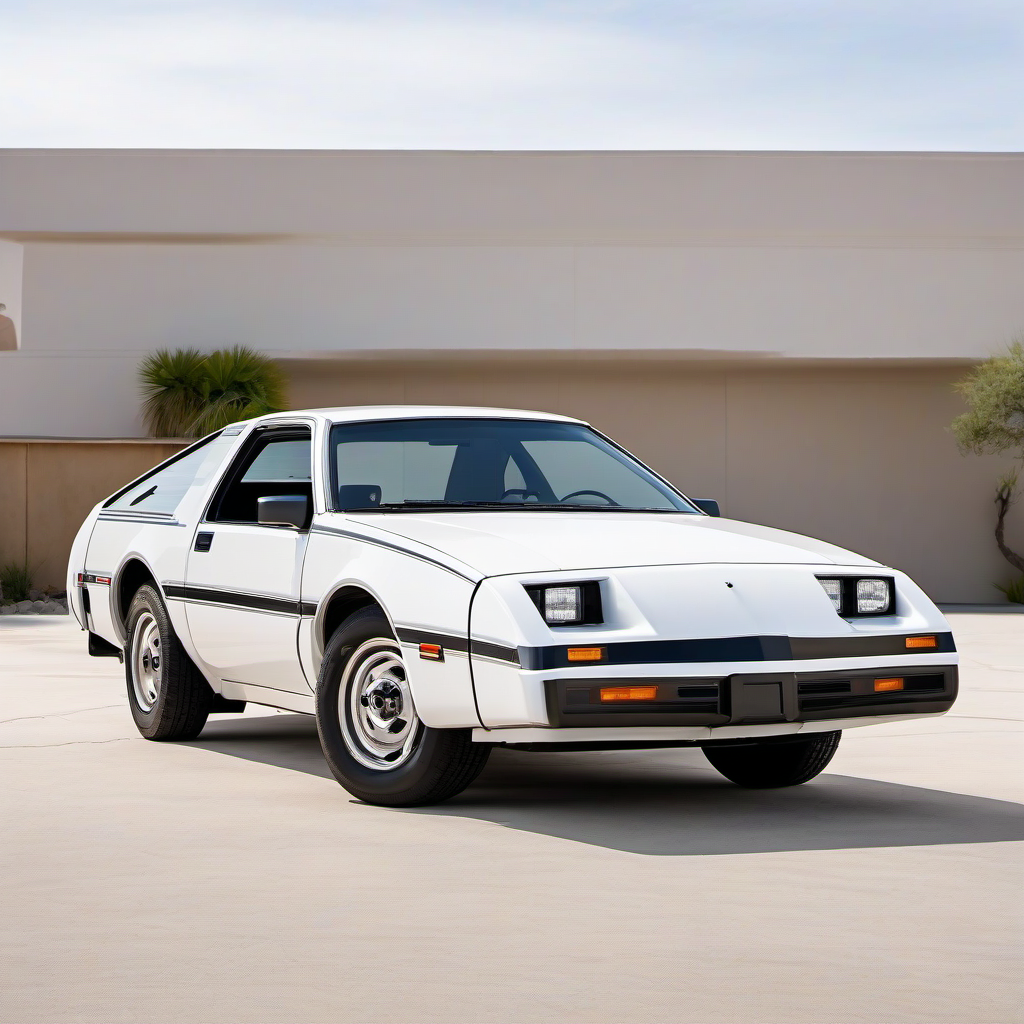
1983 Dodge
2.5 L I4 · Base
The 1983 Dodge Daytona is a front-wheel-drive sports coupe built on Chrysler's K-car platform — the same bones as the Dodge Aries and Plymouth Reliant. Launched for the 1984 model year (early production began in late 1983), it was Chrysler's attempt to bring an affordable, aerodynamic sporty coupe to market while the company was still climbing out of near-bankruptcy. The base model came with a naturally aspirated 2.2L four-cylinder; the turbocharged variants got considerably more attention. As a base-trim 1983/early-production example, you're looking at a carbureted 2.2L or the optional 2.5L four, a three-speed automatic or five-speed manual, and a surprisingly slippery body for its era. Performance was modest in base trim, but the platform is simple and parts were widely available during its production run — though finding them today takes more effort. These are now 40-year-old cars. Survivorship is low; most have succumbed to rust, neglect, or being parted out. Any remaining example should be treated as a collector or project car first and a driver second. Expect to invest time and money in rubber, electrical, and fuel-system components regardless of how clean it looks.
The 1983 Dodge Daytona is a front-wheel-drive sports coupe built on Chrysler's K-car platform — the same bones as the Dodge Aries and Plymouth Reliant. Launched for the 1984 model year (early production began in late 1983), it was Chrysler's attempt to bring an affordable, aerodynamic sporty coupe to market while the company was still climbing out of near-bankruptcy. The base model came with a naturally aspirated 2.2L four-cylinder; the turbocharged variants got considerably more attention. As a base-trim 1983/early-production example, you're looking at a carbureted 2.2L or the optional 2.5L four, a three-speed automatic or five-speed manual, and a surprisingly slippery body for its era. Performance was modest in base trim, but the platform is simple and parts were widely available during its production run — though finding them today takes more effort. These are now 40-year-old cars. Survivorship is low; most have succumbed to rust, neglect, or being parted out. Any remaining example should be treated as a collector or project car first and a driver second. Expect to invest time and money in rubber, electrical, and fuel-system components regardless of how clean it looks.
40-year-old rubber fuel lines and a carburetor sitting with stale fuel are fire and drivability hazards.
Original hoses are well past safe service life. A coolant failure on an old engine can mean a warped head.
Rubber brake components degrade internally with age even if exterior looks acceptable. Safety-critical.
Ignition misfire is the most common starting and drivability complaint on these engines at this age.
Structural rust in the unibody can make the car unsafe to drive before it looks bad from the outside.
Old seals weep oil onto exhaust components — a fire risk, and a sign the engine needs fresh gaskets.
Dried hinges crack aging paint and seize; a stuck hood latch in winter is a real problem.
Cold cranking on a carbureted engine with a marginal battery in a Wisconsin winter means a no-start. Test and replace proactively.
Always defer to the manufacturer's service manual for warranty-mandated intervals.
Annual costs depend almost entirely on what deferred maintenance you inherit. A well-sorted example that just needs routine care might run $500–$800/year. A car with rust, fuel system, or electrical work needed can easily exceed $3,000 in the first year of ownership. Parts sourcing is the biggest challenge — budget time as well as money. Collector insurance helps keep fixed costs low if you're driving it seasonally.
Same era, same FWD sporty-coupe segment, similar base four-cylinder performance and parts availability challenges today.
No catalog match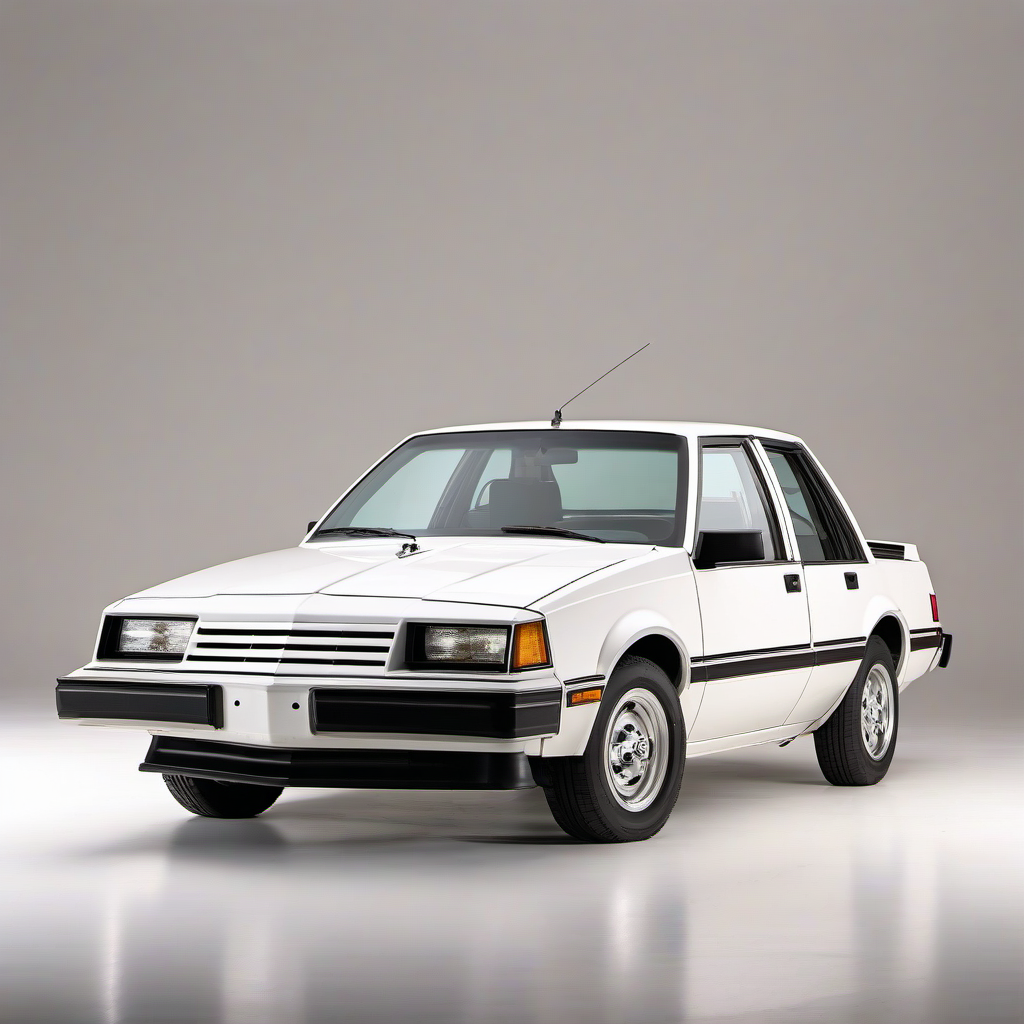
Contemporary FWD compact from GM; same target market and similar ownership/restoration realities at this age.
Direct competitor in the affordable sporty coupe market; better long-term parts availability but a similar collector niche today.
No catalog matchSame price bracket, similar FWD platform dynamics, and shares the 'survivor 1980s American coupe' collector status.
No catalog match