Carburetor failure / poor fuel delivery
high- Typically appears
- Any mileage on a vehicle this age
- Estimated repair
- $150 – $500
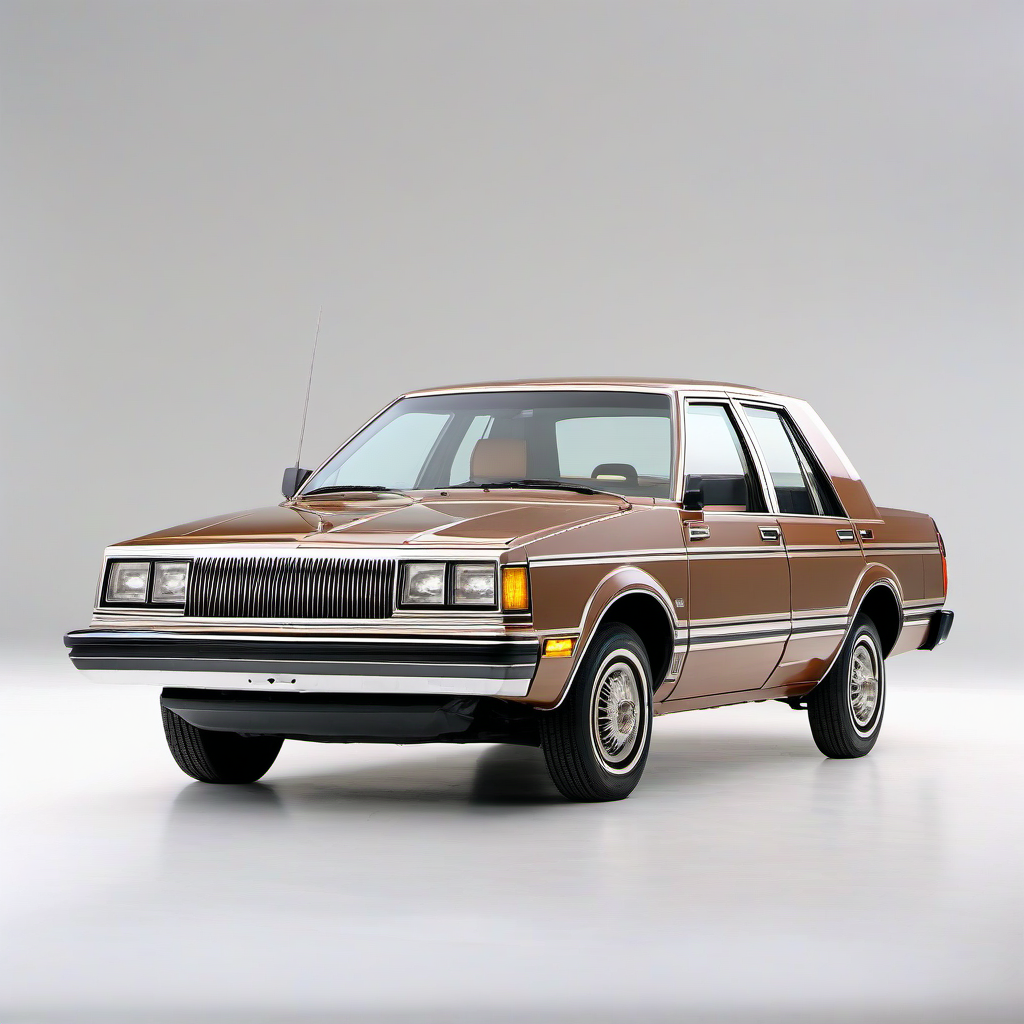
1983 Dodge
2.5 L I4 · Base
The 1983 Dodge Aries is a front-wheel-drive compact sedan built on Chrysler's K-Car platform — one of the most pivotal vehicles in American auto history. Launched in 1981, the Aries (along with its Plymouth Reliant twin) saved Chrysler from bankruptcy by delivering an affordable, fuel-efficient, front-wheel-drive family car at exactly the right moment. By 1983 the platform had settled into a known quantity: simple, easy to work on, and cheap to run. The base 1983 Aries came with a 2.2L four-cylinder as the standard engine, but the 2.5L 'Trans-4' four-cylinder (as noted in the supplied engine data) was also available and offered a bit more low-end torque for highway cruising. Neither engine will win any races, but both are legendarily simple to service — carburetor-fed, non-interference timing, and with most major components accessible without special tools. At 40 years old, any surviving Aries is a classic daily driver or hobby car, not a modern commuter. Rust, dried-out rubber, and decades of deferred maintenance are the real enemies now. Parts availability has thinned considerably, though the K-Car's huge production numbers mean some items still surface through salvage yards and specialty suppliers.
The 1983 Dodge Aries is a front-wheel-drive compact sedan built on Chrysler's K-Car platform — one of the most pivotal vehicles in American auto history. Launched in 1981, the Aries (along with its Plymouth Reliant twin) saved Chrysler from bankruptcy by delivering an affordable, fuel-efficient, front-wheel-drive family car at exactly the right moment. By 1983 the platform had settled into a known quantity: simple, easy to work on, and cheap to run. The base 1983 Aries came with a 2.2L four-cylinder as the standard engine, but the 2.5L 'Trans-4' four-cylinder (as noted in the supplied engine data) was also available and offered a bit more low-end torque for highway cruising. Neither engine will win any races, but both are legendarily simple to service — carburetor-fed, non-interference timing, and with most major components accessible without special tools. At 40 years old, any surviving Aries is a classic daily driver or hobby car, not a modern commuter. Rust, dried-out rubber, and decades of deferred maintenance are the real enemies now. Parts availability has thinned considerably, though the K-Car's huge production numbers mean some items still surface through salvage yards and specialty suppliers.
Original or old hoses on a 40-year-old car are a guaranteed failure point. A blown hose can destroy the engine in minutes.
Old fuel varnish and dried gaskets cause lean conditions, hard starting, and rough running. A rebuild kit is cheap insurance.
Rubber fuel lines become brittle and crack with age, creating a serious fire hazard. Ethanol-blended modern fuel accelerates deterioration.
Old V-belts crack and snap without warning. This engine uses simple V-belts, not a serpentine — cheap and easy to replace preventively.
Brake rubber seals and steel lines corrode over decades. Do not drive this car until the braking system has been fully verified.
Cold cranking amps drop sharply in sub-zero temperatures. A weak battery that starts the car in October may leave you stranded in January.
The points-to-electronic ignition on these engines is simple but aged components cause misfires and hard cold starts.
Wisconsin road salt is relentless. Inspect frame rails, floor pans, and brake line routing for active rust. Treat exposed metal before winter.
Always defer to the manufacturer's service manual for warranty-mandated intervals.
A well-sorted Aries is cheap to own day-to-day. Parts (when available) are inexpensive, labor is straightforward, and insurance is minimal. The wildcard is the cost of the initial recommissioning — getting a 40-year-old car road-safe can easily run $1,500–$4,000 upfront depending on its condition. After that, ongoing costs are low if you stay on top of simple maintenance.
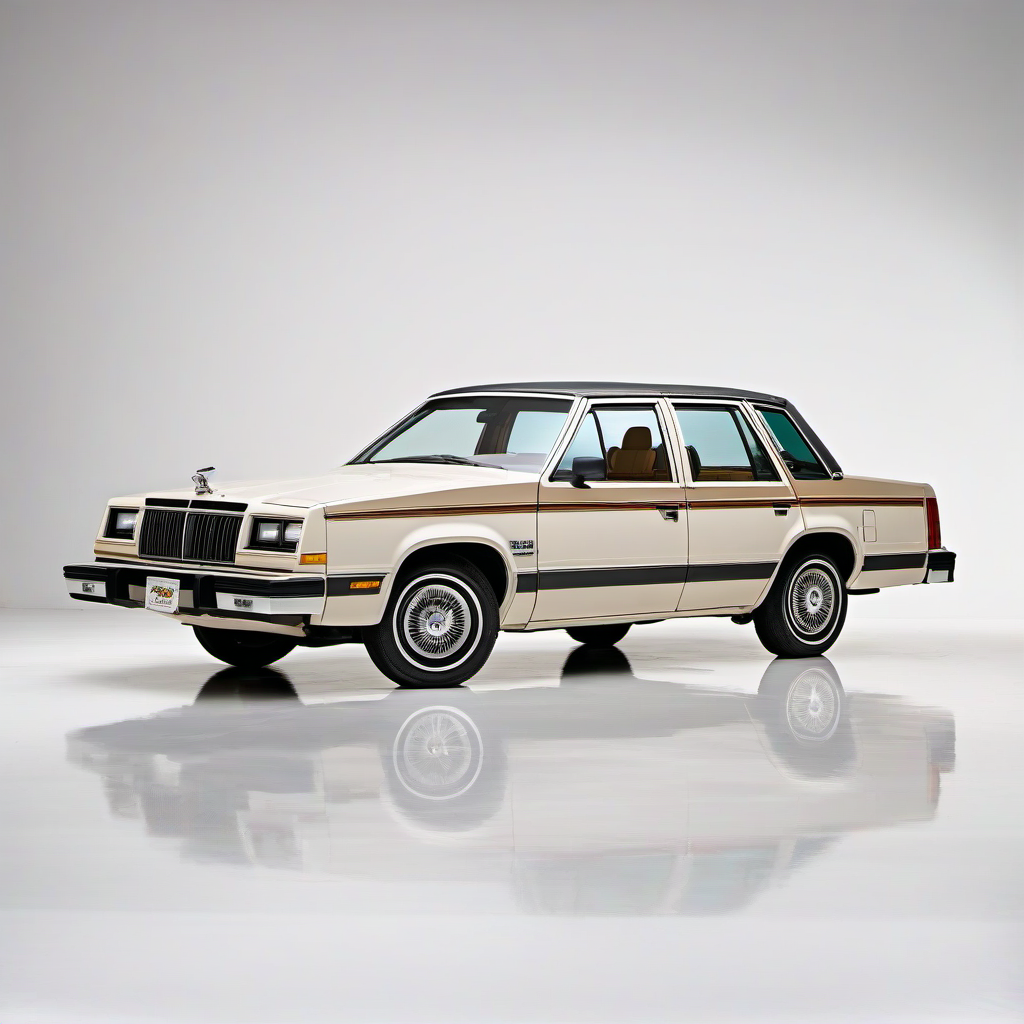
Mechanical twin to the Aries on the same K-Car platform — parts are largely interchangeable, making it a great donor car or cross-shop option
GM's competing front-wheel-drive compact from the same era; similar mission and price point, though the Citation has a worse long-term reliability reputation
No catalog matchFord's compact economy car of the era at a comparable price; rear-wheel drive unlike the Aries, but similarly simple and parts-accessible
No catalog matchEuropean compact from the same period with similar FWD layout and economy focus; more sophisticated but harder and costlier to source parts for today
No catalog match