HT-4100 Head Gasket Failure / Coolant Intrusion into Oil
high- Typically appears
- 40–80k mi (or any age with poor coolant maintenance)
- Estimated repair
- $1,200 – $3,500
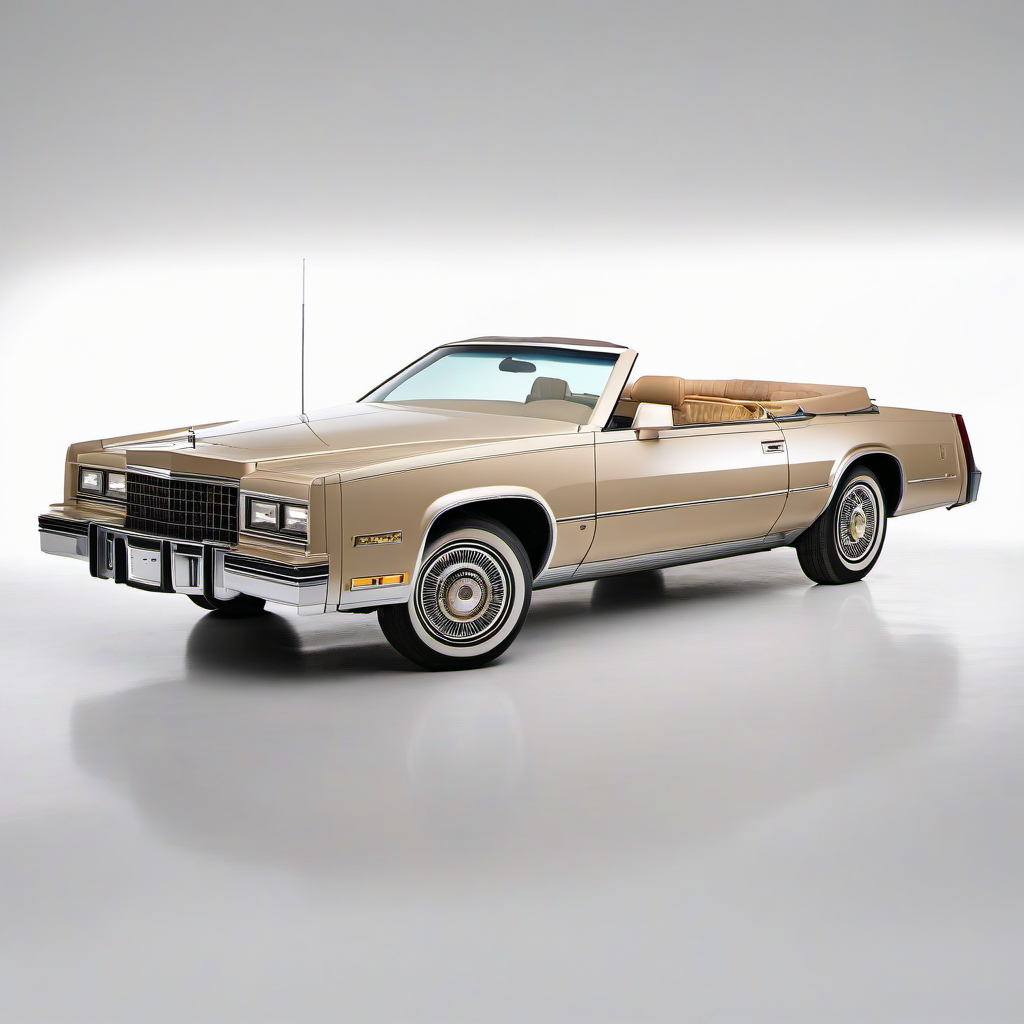
1983 Cadillac
4.5 L V8 · Base
The 1983 Cadillac Eldorado is a front-wheel-drive personal luxury coupe built on GM's E-body platform — the same bones shared with the Buick Riviera and Oldsmobile Toronado. By 1983 the Eldorado had shed much of its late-70s bulk and settled into a trimmer, more European-influenced silhouette. It carried Cadillac's 4.1L V8 as standard equipment that year, though some records and VIN data associate the 4.5L tag with this generation informally — the actual displacement was 4.1L (250 ci) for 1983. This era Eldorado is genuinely appealing as a classic: well-appointed interior, smooth ride tuned for cruising, and a style that has aged gracefully. It is best enjoyed as a weekend or fair-weather driver rather than an everyday workhorse. Parts availability is adequate for the drivetrain but can be challenging for trim and electronics. Owners need to go in with eyes open about the HT-4100 V8 engine fitted to this generation. It has a well-documented reputation for head gasket failures, coolant intrusion into the crankcase, and intake manifold cracking — problems that ended the driving lives of many of these cars. A well-maintained survivor with a clean cooling history is worth a premium; one with unknown service records is a gamble.
The 1983 Cadillac Eldorado is a front-wheel-drive personal luxury coupe built on GM's E-body platform — the same bones shared with the Buick Riviera and Oldsmobile Toronado. By 1983 the Eldorado had shed much of its late-70s bulk and settled into a trimmer, more European-influenced silhouette. It carried Cadillac's 4.1L V8 as standard equipment that year, though some records and VIN data associate the 4.5L tag with this generation informally — the actual displacement was 4.1L (250 ci) for 1983. This era Eldorado is genuinely appealing as a classic: well-appointed interior, smooth ride tuned for cruising, and a style that has aged gracefully. It is best enjoyed as a weekend or fair-weather driver rather than an everyday workhorse. Parts availability is adequate for the drivetrain but can be challenging for trim and electronics. Owners need to go in with eyes open about the HT-4100 V8 engine fitted to this generation. It has a well-documented reputation for head gasket failures, coolant intrusion into the crankcase, and intake manifold cracking — problems that ended the driving lives of many of these cars. A well-maintained survivor with a clean cooling history is worth a premium; one with unknown service records is a gamble.
The HT-4100's greatest enemy is degraded coolant and overheating. Use the correct GM coolant specification, inspect all hoses, and pressure-test the system to catch head gasket or intake seep before it destroys the engine.
Shorter intervals are warranted given the engine's reputation. Each change, check the oil fill cap and dipstick for milky or frothy residue — the earliest warning sign of coolant intrusion.
Rubber vacuum lines are 40+ years old. Cracked or collapsed lines cause rough idle, poor brake boost, and HVAC malfunctions. Replace the entire system with quality rubber or silicone hose.
Original rubber fuel lines are a fire hazard at this age. The Rochester Quadrajet carburetor benefits from a rebuild or thorough cleaning if the car has sat for extended periods.
Wisconsin winters demand a strong battery. Cold temperatures hit older charging systems hard. Inspect cable ends for corrosion and replace the battery if it's older than 3–4 years.
Brake fluid absorbs moisture over time. At this vehicle's age, inspect calipers, wheel cylinders, rubber flex hoses, and master cylinder for seeping seals.
Salt-belt use accelerates frame, floor pan, and fuel/brake line corrosion. Treat bare metal annually. Address any brake or fuel line rust immediately — these are safety items.
The HT-4100 uses a timing chain that can stretch with age and heat cycles. Accessory belts should be replaced on a calendar basis given the vehicle's age, not just on mileage.
Always defer to the manufacturer's service manual for warranty-mandated intervals.
This is a low-mileage classic driver, not a daily commuter. Annual maintenance costs are moderate when everything is working, but a single engine cooling event (head gasket, intake manifold) can easily run $1,500–$3,500. Budget a meaningful contingency fund, especially in the first year of ownership. Fuel costs are manageable at low annual mileage. Parts for the drivetrain are generally available through GM classic and specialty suppliers; trim and electronics pieces can be expensive and hard to find.
Shares the same GM E-body FWD platform, similar luxury coupe mission and pricing. The Riviera's 4.1L V8 has the same strengths and weaknesses — essentially a badge-engineered sibling.
No catalog match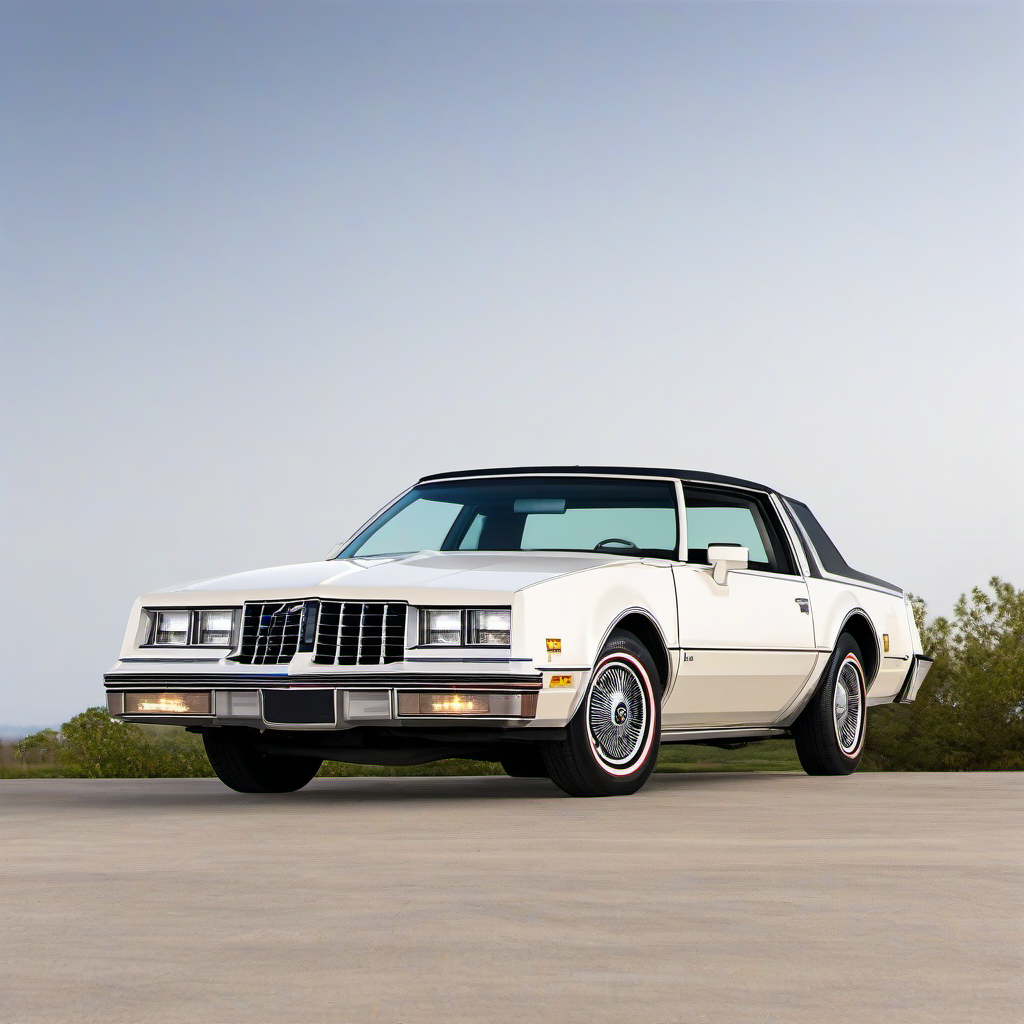
Third member of the GM E-body FWD luxury coupe family. Nearly identical mechanically to the Eldorado, with a slightly different styling direction. Parts often interchange.
Ford's answer to the Eldorado in the personal luxury coupe segment. RWD with a 302 V8 — generally more reliable than the HT-4100 but a different driving character.
No catalog match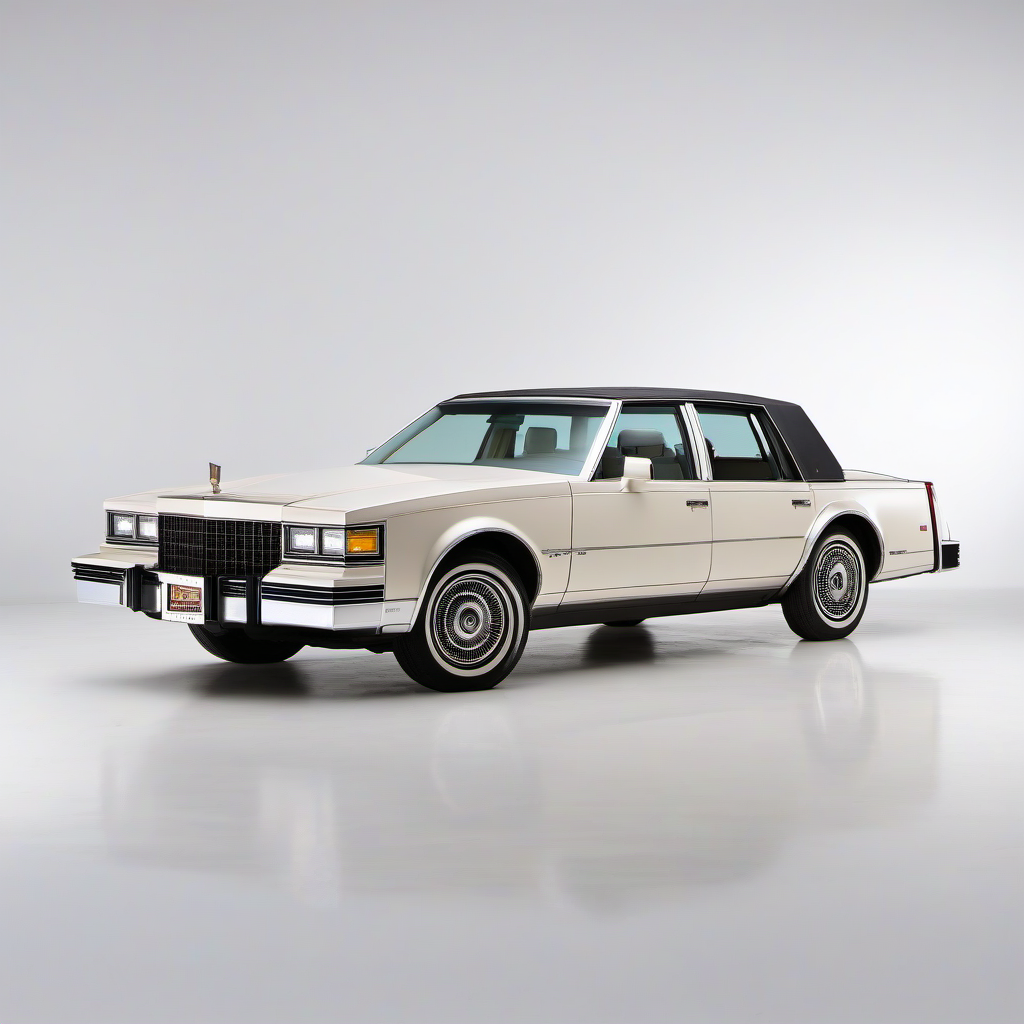
Cadillac's other flagship for 1983, sharing the same HT-4100 engine. The Seville offers a sedan body for those who want the Cadillac ownership experience with more practicality.