Floor pan and rocker panel rust-through
high- Typically appears
- All mileages on upper-Midwest cars
- Estimated repair
- $800 – $4,000
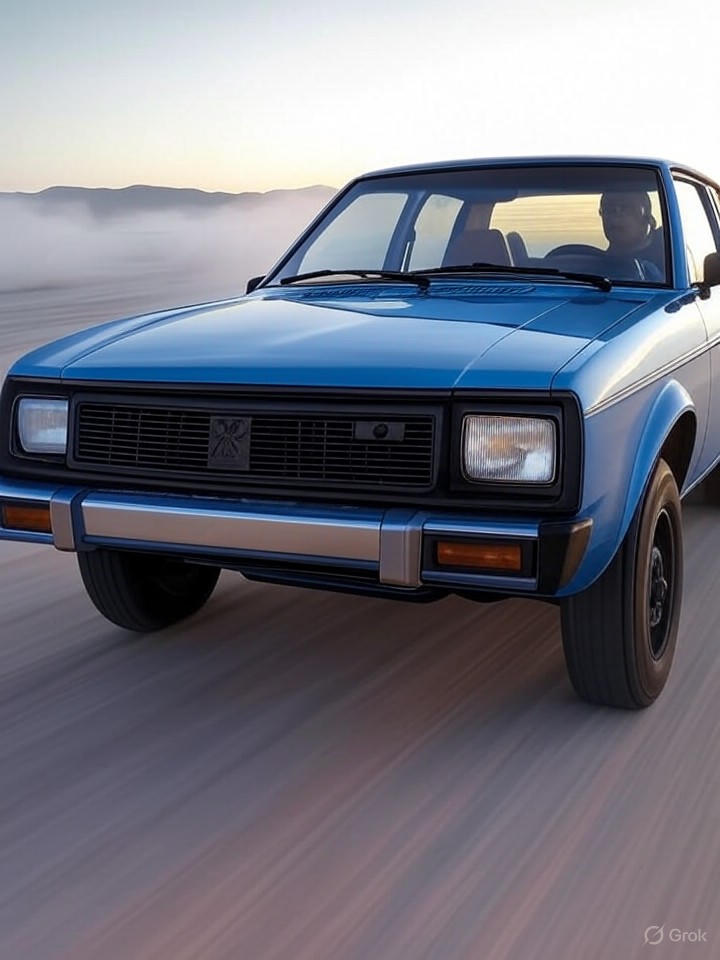
1982 Dodge
2.2 L I4 · GLH
The 1982 Dodge Omni GLH (Goes Like Hell) is a rare, early-performance variant of Chrysler's front-wheel-drive subcompact. Built on the L-body platform shared with the Plymouth Horizon, the GLH used a carbureted 2.2L four-cylinder with a mild performance tune to squeeze out modest but spirited performance for its era. Only a handful were produced in 1982, making this a genuine collector's car today rather than a daily driver. The Omni itself was Chrysler's first American-designed front-wheel-drive car, introduced in 1978 and heavily influenced by the VW Rabbit platform. By 1982, Chrysler was still working through early build-quality growing pains, and the GLH represented an in-house effort to generate excitement around the Omni badge before Carroll Shelby's more famous turbocharged GLH versions arrived in 1984–1986. Owning a 1982 GLH today means owning a piece of Chrysler survival-era history. Parts availability is thin, rust is a near-certainty on any survivor, and this is firmly enthusiast/hobbyist territory. Budget for sourcing hard-to-find components and treat it as the project or show car it has effectively become.
The 1982 Dodge Omni GLH (Goes Like Hell) is a rare, early-performance variant of Chrysler's front-wheel-drive subcompact. Built on the L-body platform shared with the Plymouth Horizon, the GLH used a carbureted 2.2L four-cylinder with a mild performance tune to squeeze out modest but spirited performance for its era. Only a handful were produced in 1982, making this a genuine collector's car today rather than a daily driver. The Omni itself was Chrysler's first American-designed front-wheel-drive car, introduced in 1978 and heavily influenced by the VW Rabbit platform. By 1982, Chrysler was still working through early build-quality growing pains, and the GLH represented an in-house effort to generate excitement around the Omni badge before Carroll Shelby's more famous turbocharged GLH versions arrived in 1984–1986. Owning a 1982 GLH today means owning a piece of Chrysler survival-era history. Parts availability is thin, rust is a near-certainty on any survivor, and this is firmly enthusiast/hobbyist territory. Budget for sourcing hard-to-find components and treat it as the project or show car it has effectively become.
The 2.2L Trans-4 has no modern oil-life monitor. Older flat-tappet engines and aged seals benefit from shorter intervals and conventional oil.
All rubber hoses and the radiator are 40+ years old. A failure in a Wisconsin winter or summer heat can leave you stranded instantly.
Cold Wisconsin starts are brutal on carbureted cars. A sticking or misadjusted choke causes hard starts, rich running, and fouled plugs.
Wisconsin road salt will continue to attack any unprotected metal. Annual inspection catches new breaches before they become structural.
Early Chrysler wiring insulation becomes brittle with age. Shorts and intermittent faults are a fire risk on these cars.
FWD CV boots crack with age. Once grease escapes, bearing wear accelerates quickly and full axle replacement becomes necessary.
Brake fluid absorbs moisture over time. On a 40-year-old vehicle with original or old wheel cylinders, corrosion inside the system is a safety risk.
Vacuum lines on early-1980s Chrysler engines become hard and cracked, causing erratic idle, poor emissions performance, and carburetor issues.
Always defer to the manufacturer's service manual for warranty-mandated intervals.
Routine maintenance on a well-sorted example is cheap — parts are inexpensive when available. The wildcard is the restoration and repair work that almost any surviving 1982 Omni GLH will need. Rust repair, wiring work, and sourcing GLH-specific components can run into the thousands quickly. Budget generously for the unexpected and prioritize finding a specialist familiar with early Chrysler FWD cars.
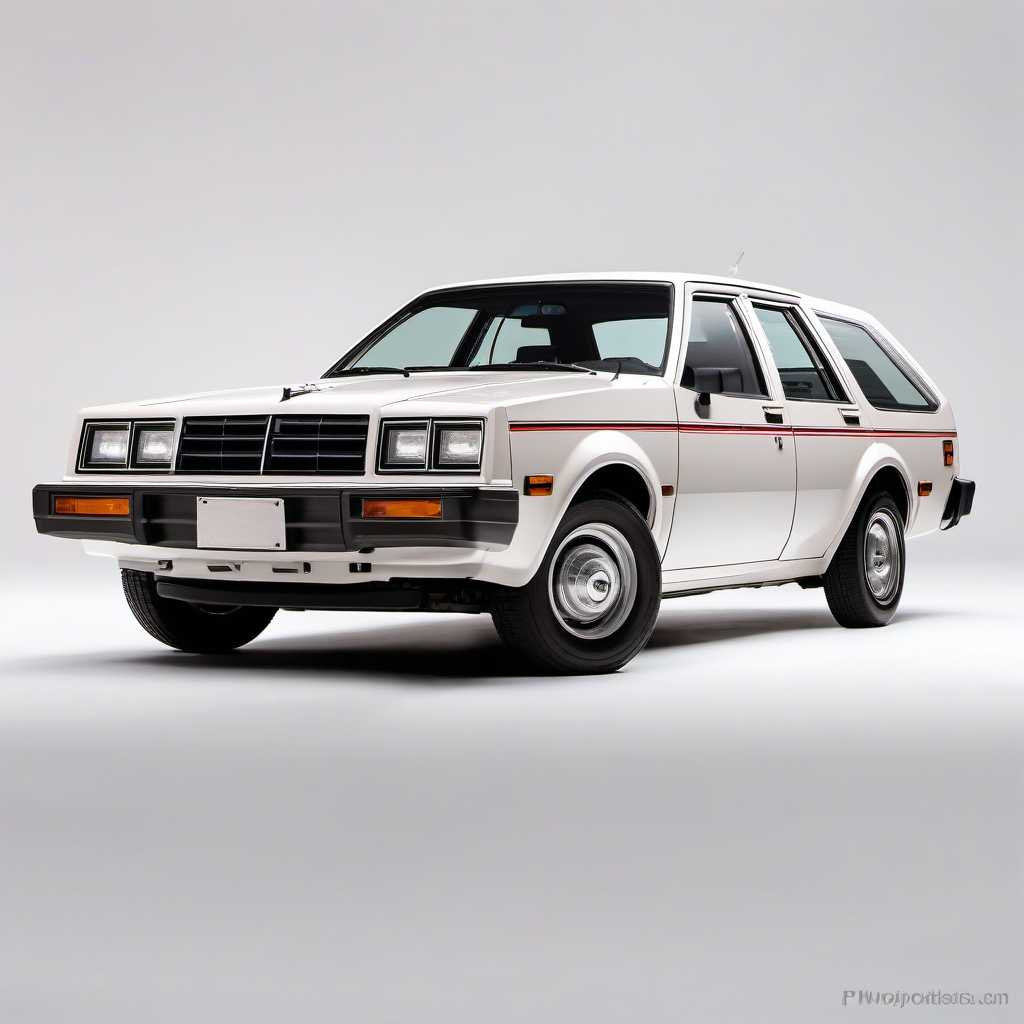
Same L-body platform, same drivetrain, sold alongside the Omni at Chrysler dealerships. The TC3 hatchback coupe body is the closest mechanical twin.
The Omni's engineering was heavily influenced by the Rabbit. Similar vintage FWD subcompact, comparable collector following, and easier parts availability.
No catalog match
Direct market competitor in the early-1980s FWD economy-car segment. Comparable age, similar rust and parts-availability challenges.
Same 2.2L engine in a sporty Chrysler L-body coupe from the same era. The Charger 2.2 shares much of the GLH's parts universe and collector appeal.
No catalog match