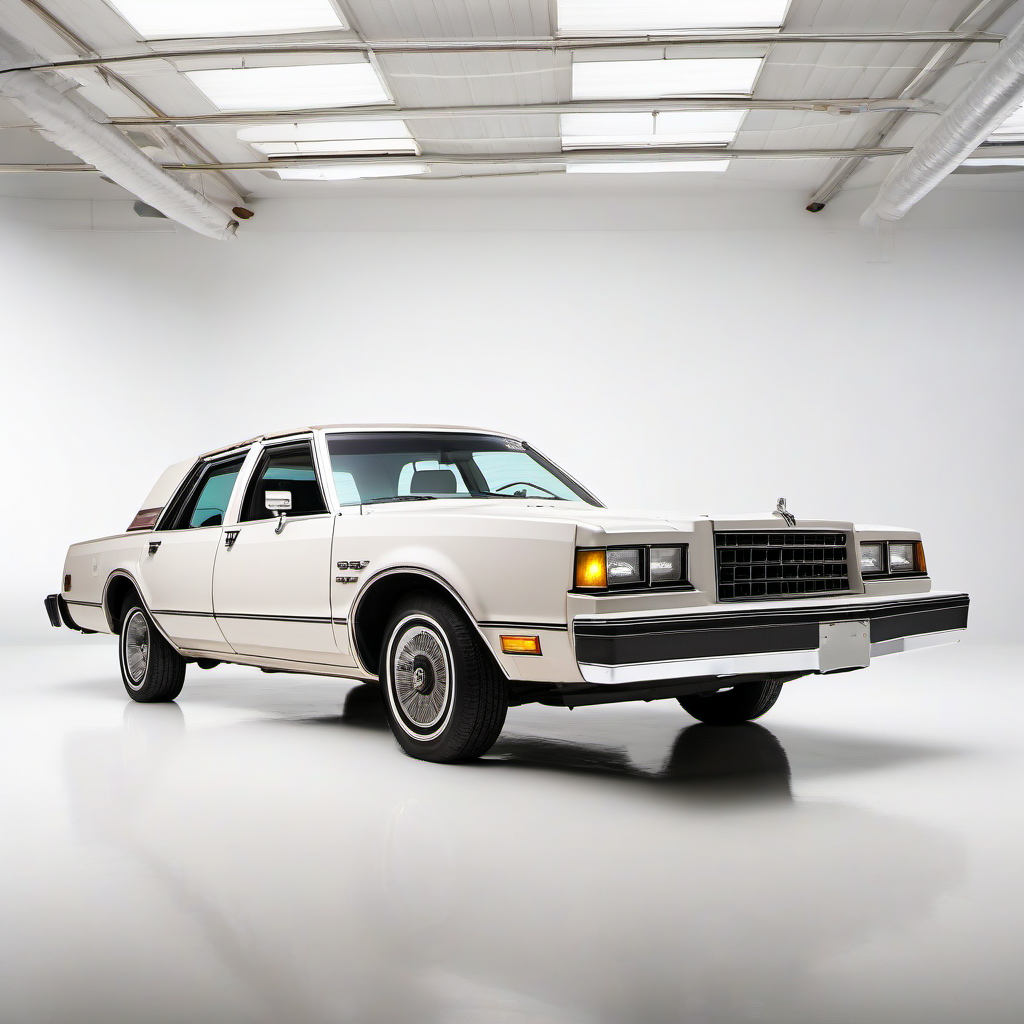
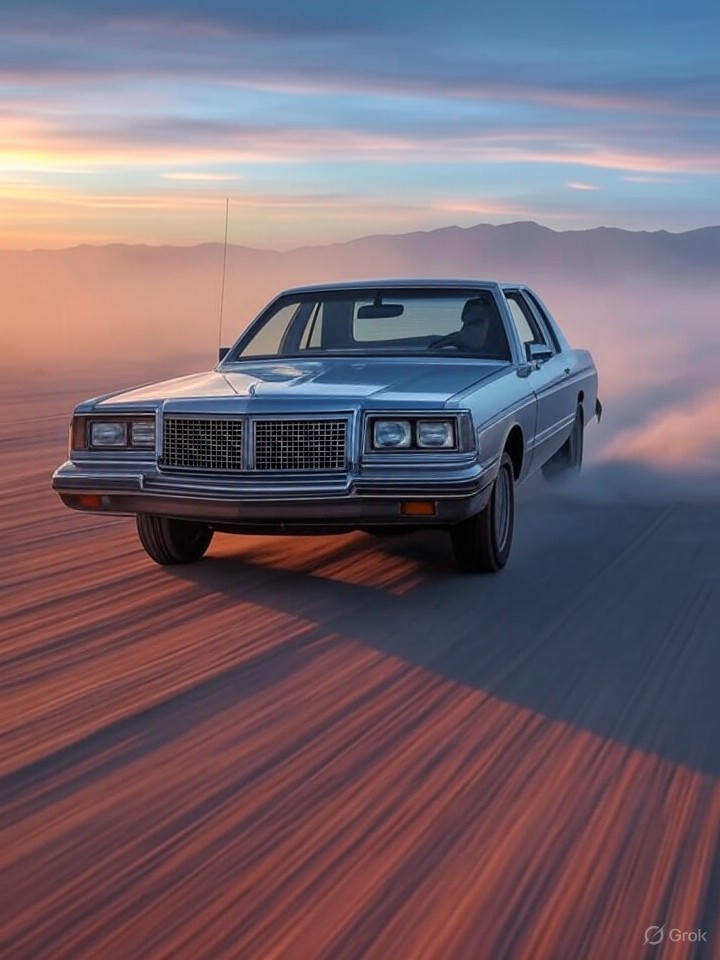
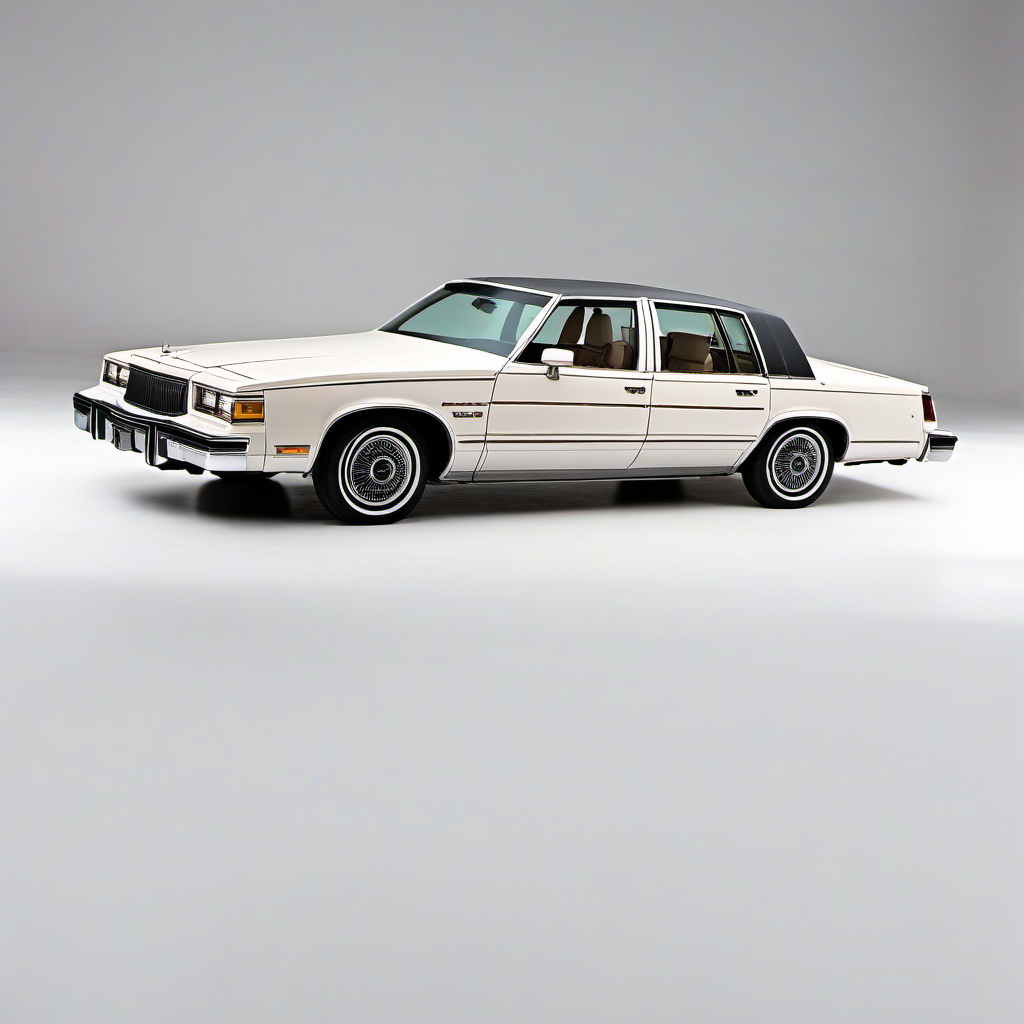
1982 Dodge Diplomat Base

1982 Dodge

DiplomatBase

5.2 L V8 · Base

The 1982 Dodge Diplomat is a full-size rear-wheel-drive sedan built on Chrysler's venerable M-body platform, a derivative of the earlier B-body architecture. It was sold alongside the Plymouth Gran Fury and shared its bones with the Dodge St. Regis. By 1982 the Diplomat had settled into a comfortable niche as an affordable, V8-powered American sedan — simple, roomy, and easy to work on with hand tools. The M-body cars earned a second life as police fleet vehicles through the late 1980s, which speaks to their mechanical durability when properly maintained. The 5.2L (318 cubic inch) V8 is one of Chrysler's most proven engines, known for going well past 150,000 miles with basic upkeep. The TorqueFlite 727 or 904 automatic transmission backing it is equally bulletproof. At over 40 years old, every surviving Diplomat is a classic that requires an owner comfortable with vintage iron. Rust, dried-out rubber, and aging electrical components are the real enemies now — the drivetrain itself is usually the least of your worries.

Reliability
3/5
Verified data
Engine
5.2L V8 (318 cu in)
Drivetrain
RWD
Fuel
Gasoline
MPG
13 city / 18 hwy / 15 combined
Seats
6
Doors
4
Body
Sedan
MSRP
$8,495

Overview

AI-curated

The 1982 Dodge Diplomat is a full-size rear-wheel-drive sedan built on Chrysler's venerable M-body platform, a derivative of the earlier B-body architecture. It was sold alongside the Plymouth Gran Fury and shared its bones with the Dodge St. Regis. By 1982 the Diplomat had settled into a comfortable niche as an affordable, V8-powered American sedan — simple, roomy, and easy to work on with hand tools. The M-body cars earned a second life as police fleet vehicles through the late 1980s, which speaks to their mechanical durability when properly maintained. The 5.2L (318 cubic inch) V8 is one of Chrysler's most proven engines, known for going well past 150,000 miles with basic upkeep. The TorqueFlite 727 or 904 automatic transmission backing it is equally bulletproof. At over 40 years old, every surviving Diplomat is a classic that requires an owner comfortable with vintage iron. Rust, dried-out rubber, and aging electrical components are the real enemies now — the drivetrain itself is usually the least of your worries.

Known for
  • Chrysler's indestructible 318 V8 (5.2L) paired with the legendary TorqueFlite automatic
  • Simple, carbureted engine bay — easy to diagnose and repair without specialty tools
  • Genuine full-size American rear-wheel-drive comfort and ride quality
  • Long police and fleet service history proving mechanical durability
  • Abundant and inexpensive parts availability through the Mopar aftermarket
Best for
  • Classic car enthusiasts who want a practical, drivable vintage American sedan
  • Shade-tree mechanics who prefer carburetor simplicity over modern electronics
  • Collectors interested in late Mopar full-size history
  • Drivers who need a conversation piece that still handles daily errands
Watch for
  • Serious floor pan, rocker panel, and frame rail rust — especially on any Midwest or Northeast car
  • Carter BBD 2-barrel carburetor flat spots and lean surge (a well-documented weakness)
  • Cracked or deteriorated rubber: hoses, belts, suspension bushings, and weatherstripping
  • Aging wiring insulation and corroded connectors causing gremlins throughout
  • Asbestos-containing brake and gasket materials — use proper precautions during service

Common issues by mileage

6 known

Carter BBD Carburetor Lean Surge and Flat Spots

high
Typically appears
Any mileage
Estimated repair
$150 – $600

Rust — Floor Pans, Rocker Panels, Trunk Floor, and Frame Rails

high
Typically appears
Any mileage / age-related
Estimated repair
$500 – $5,000

Coolant Hose and Heater Core Failure (Age-Related Rubber Deterioration)

high
Typically appears
Any — age-related
Estimated repair
$80 – $450

Front Suspension Worn Bushings, Ball Joints, and Idler Arm

high
Typically appears
80k+ mi or age-related
Estimated repair
$250 – $900

Electrical Gremlins — Corroded Connectors, Cracked Wiring Insulation

medium
Typically appears
Any — age-related
Estimated repair
$100 – $800

TorqueFlite Transmission Soft Shifts or Fluid Leak (Band Adjustment or Seal)

low
Typically appears
100k+ mi
Estimated repair
$150 – $1,200

Maintenance schedule

  1. 1
    Every 3,000 mi or annually (conventional oil mandatory) Engine oil and filter change — use conventional 10W-30 or 10W-40

    The 318 V8 predates modern oil specs; flat-tappet camshaft requires ZDDP (zinc/phosphorus) additive present in conventional and diesel-rated oils. Do not use modern low-ZDDP full-synthetic without a ZDDP supplement.

  2. 2
    Every 12,000 mi or annually Inspect and adjust carburetor choke, idle mixture, and timing

    The Carter BBD is sensitive to calibration drift. Annual tuning prevents the lean surge and stumble that plague neglected examples.

  3. 3
    Every 2 years or 24,000 mi Full coolant flush and rubber hose inspection

    40-year-old cooling system rubber degrades from the inside out. Hoses can look fine externally and be dangerously soft inside.

  4. 4
    Every 30,000 mi Transmission fluid and filter service

    TorqueFlite transmissions are tough but respond well to clean fluid. Use Dexron III or the equivalent specified for this unit.

  5. 5
    Annually before winter Inspect and grease all front suspension grease fittings (ball joints, tie rod ends, idler arm)

    The M-body uses a traditional greaseable suspension. Neglected fittings lead to rapid wear in freeze-thaw cycles and on salt-covered roads.

  6. 6
    Every 2 years Brake fluid flush and brake hardware inspection

    Drum brakes on all four corners (or front discs depending on trim) absorb moisture over time, lowering boiling point and accelerating wheel cylinder corrosion.

  7. 7
    Annually Inspect and clean all major wiring connectors and ground straps

    Chrysler's early-1980s wiring insulation cracks with age, and ground strap corrosion causes a wide range of electrical oddities. Cleaning connectors and adding dielectric grease is cheap insurance.

  8. 8
    Every spring Thorough undercarriage wash and rust inspection; treat bare metal with rust converter

    Wisconsin road salt accelerates frame and floor pan corrosion. Catching perforation early is far cheaper than structural repair later.

Always defer to the manufacturer's service manual for warranty-mandated intervals.

Cost of ownership

Annual maintenance
$400 – $1,200
Fuel
Expect 13–15 MPG in mixed driving. At current mid-grade prices (~$3.50/gal) and 8,000 miles/year, budget roughly $1,800–$2,200/year in fuel. The 318 runs fine on 87 octane regular.
Insurance
As a collector/classic vehicle driven occasionally, agreed-value classic car insurance is typically $200–$500/year. Standard daily-driver insurance will be higher and may not adequately cover a collectible.

Day-to-day mechanical costs on a well-sorted Diplomat are modest — the 318 and TorqueFlite are cheap to maintain and parts are plentiful through Mopar suppliers. The real wildcard is bodywork: rust repair on a 40-year-old Midwest car can quickly dwarf the vehicle's market value. Budget generously for undercarriage maintenance and do not ignore early rust. A healthy, rust-free example kept in a garage is genuinely inexpensive to run.
Seasonal care

Lake Geneva, WI
Winter
  • Battery: Cold cranking a carbureted V8 at -10°F demands a strong battery. Test every fall and replace if CCA is below spec — a 40-year-old car's charging system already works harder than it should.
  • Engine warm-up: The carbureted choke needs a proper warm-up period in sub-zero temps. Let the engine fast-idle for 2–3 minutes before driving; forcing it cold causes accelerator pump stumble and cylinder wash-down.
  • Coolant: Verify antifreeze protection to at least -34°F. Old coolant loses corrosion inhibitors and can gel, destroying the water pump.
  • Undercarriage rinse: After every significant salting event, rinse the frame rails, floor pan, and rocker panels. This car is already 40+ years old — salt is its biggest remaining enemy.
  • Wiper fluid: Use a full-strength -20°F or colder rated washer fluid. The reservoir and lines on an old car are not always well-insulated.
  • Tires: The stock wheel/tire size is easy to fit a dedicated winter tire. RWD on a 3,500 lb car with old all-seasons is a genuine hazard on Wisconsin winter roads.
Summer
  • Heat soak and vapor lock: Carbureted engines with steel fuel lines routed near exhaust are prone to vapor lock on hot days. If the car won't restart after a hot soak, wait 10 minutes and try again. A heat shield on the fuel line near the exhaust is a worthwhile fix.
  • Cooling system load: Verify the radiator is clean inside and out, and that the thermostat opens fully. A 40-year-old radiator with partial blockage will boil over in stop-and-go traffic on a 90°F Wisconsin summer day.
  • A/C: If equipped, the original R-12 system will need a retrofit to R-134a or a drop-in replacement refrigerant if it needs recharging. Do not top off an R-12 system without addressing the root cause of any leak.
  • Tire pressure: Check monthly — heat expands air and old bias-ply or aged radial tires can be dangerously close to their load limits when hot.

Comparable vehicles

AI profile generated 4 days ago · claude-sonnet-4-6 · v2.