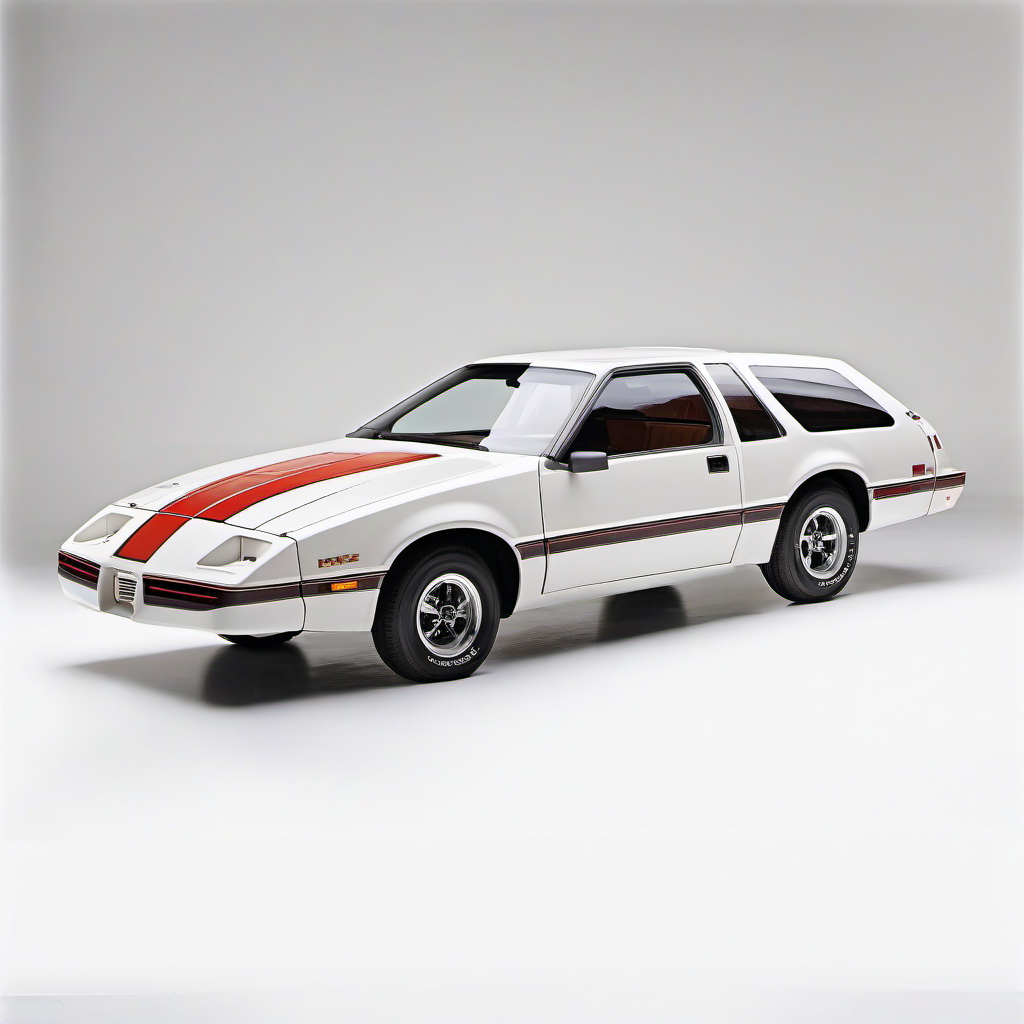
1982 Dodge Daytona Turbo Z

1982 Dodge

DaytonaTurbo Z

2.2 L I4 · Turbo Z

The 1982 Dodge Daytona Turbo Z is a front-wheel-drive sporty coupe built on Chrysler's K-car platform — a bold styling statement for the era that helped pull Chrysler back from the brink. Powered by the turbocharged 2.2L four-cylinder, the Turbo Z was one of the first affordable American turbocharged performance cars, offering a genuine performance edge in a lightweight, fuel-conscious package. It was an early showcase for Chrysler's turbocharger program, which would spawn the more refined Shelby Charger and later Daytona iterations. The combination of a responsive turbo motor and slick aerodynamic bodywork made it a head-turner on the road. However, early 1980s Chrysler build quality and early-generation turbo technology mean this car demands a knowledgeable and patient owner. At 40+ years old, surviving examples are collector curiosities and weekend drivers rather than daily transportation. Parts availability is shrinking, and finding a mechanic with hands-on experience is increasingly difficult. This is a vehicle for enthusiasts, not daily commuters.

Reliability
2/5
Verified data
Engine
2.2L I4 Turbocharged
Drivetrain
FWD
Fuel
Gasoline
MPG
20 city / 28 hwy / 23 combined
Seats
4
Doors
3
Body
Hatchback
MSRP
$10,500

Overview

AI-curated

The 1982 Dodge Daytona Turbo Z is a front-wheel-drive sporty coupe built on Chrysler's K-car platform — a bold styling statement for the era that helped pull Chrysler back from the brink. Powered by the turbocharged 2.2L four-cylinder, the Turbo Z was one of the first affordable American turbocharged performance cars, offering a genuine performance edge in a lightweight, fuel-conscious package. It was an early showcase for Chrysler's turbocharger program, which would spawn the more refined Shelby Charger and later Daytona iterations. The combination of a responsive turbo motor and slick aerodynamic bodywork made it a head-turner on the road. However, early 1980s Chrysler build quality and early-generation turbo technology mean this car demands a knowledgeable and patient owner. At 40+ years old, surviving examples are collector curiosities and weekend drivers rather than daily transportation. Parts availability is shrinking, and finding a mechanic with hands-on experience is increasingly difficult. This is a vehicle for enthusiasts, not daily commuters.

Known for
  • One of the first affordable American turbocharged sporty coupes
  • Sharp aerodynamic styling ahead of its time for a K-car derivative
  • Chrysler's turbocharged 2.2L four-cylinder engine program pioneer
  • Lightweight, nimble FWD handling for its era
  • Strong enthusiast and collector community following
Best for
  • Mopar enthusiasts and collectors
  • Weekend show-and-drive use
  • Owners who enjoy hands-on mechanical work
  • Buyers seeking an affordable slice of 1980s American performance history
Watch for
  • Rust — 40+ years of road salt exposure is the number-one killer on these cars
  • Aging turbocharger components and intercooler hoses
  • Deteriorated rubber fuel and vacuum lines throughout
  • Early-gen electronic engine management that can be difficult to diagnose
  • Dwindling NOS and quality reproduction parts supply

Common issues by mileage

6 known

Turbocharger failure / oil coking

high
Typically appears
60k+ mi or any age
Estimated repair
$400 – $1,200

Cracked or collapsed intercooler and turbo hoses

high
Typically appears
Any — age-related
Estimated repair
$150 – $500

Fuel system deterioration (fuel lines, injector O-rings, fuel pump)

high
Typically appears
Any — age-related
Estimated repair
$200 – $700

Oxygen sensor and heater circuit failure

medium
Typically appears
60k–100k mi
Estimated repair
$100 – $300

Rocker panel and floor pan rust-through

high
Typically appears
Any — age/salt related
Estimated repair
$500 – $3,000

Early EFI logic module and power module (ECU) failure

medium
Typically appears
Any — age-related
Estimated repair
$150 – $600

Maintenance schedule

  1. 1
    Every 3,000–4,000 miles given turbo heat cycles Engine oil and filter change — use a quality conventional or synthetic 10W-30

    Turbos cook oil that lingers in the bearing housing. Shorter intervals keep oil clean and prevent the coke buildup that kills turbo bearings on these engines.

  2. 2
    Every 2 years or at purchase Inspect and replace all vacuum and boost hoses

    40-year-old rubber cracks, hardens, and collapses. A single boost leak kills power and can cause a lean condition that damages the engine.

  3. 3
    At purchase and every 3 years Inspect fuel lines, fuel pump, and injector O-rings

    Original rubber fuel lines are a fire hazard at this age. Replace with modern ethanol-compatible hose.

  4. 4
    Every 2 years Cooling system flush and thermostat replacement

    Turbocharged engines run hotter. Old coolant loses its corrosion inhibitors and silts up passages in the aluminum head.

  5. 5
    Every 2 years or 20,000 miles Inspect turbocharger for shaft play and oil seals

    Early Garrett turbos on the 2.2T are serviceable but wear over decades. Catching shaft play early avoids a catastrophic failure.

  6. 6
    Every 2–3 years Check and clean EFI logic module connectors

    Chrysler's early EFI connectors corrode and cause intermittent no-starts and driveability problems that mimic bigger issues.

  7. 7
    Annually Inspect brake lines and wheel cylinders for corrosion

    Salt roads accelerate brake line rot on these cars. A failed line is a safety emergency.

  8. 8
    Every fall before first salt Undercoating inspection and touch-up of bare metal

    Rust is the primary reason surviving Daytonas are rare. Protecting the floor pans, rockers, and frame rails each fall dramatically extends the car's life.

Always defer to the manufacturer's service manual for warranty-mandated intervals.

Cost of ownership

Annual maintenance
$600 – $2,500
Fuel
Requires premium fuel for the turbo application. At ~23 MPG combined and modest weekend-driver use, expect $400–$900/year depending on miles driven.
Insurance
Typically inexpensive as a collector/weekend vehicle — agreed-value collector car policies often run $200–$500/year and are strongly recommended over standard auto policies.

The Daytona Turbo Z is cheap to insure as a collector car but can surprise you with repair bills. Parts are increasingly sourced from NOS stock, specialty Mopar vendors, or salvage — expect a parts hunt to add time and cost to any repair. Budget at least $1,000–$2,500 per year if you drive it regularly and want to keep it in top shape. A freshly sorted car will cost less annually; a neglected project can easily absorb $5,000+ in deferred work upfront.
Seasonal care

Lake Geneva, WI
Winter
  • Do NOT drive this car on salted Wisconsin roads — salt will accelerate rust on an already 40-year-old body. Store it by November.
  • Before storage, fill the fuel tank and add fuel stabilizer to prevent ethanol phase separation and varnish buildup in the injectors.
  • Disconnect or use a trickle/maintenance charger on the battery; cold and inactivity will kill an aging battery quickly.
  • Park on a dry surface if possible — moisture trapped under the car attacks the floor pans and rockers all winter.
  • Change the oil before storage so acids from combustion byproducts don't sit in the engine for months.
  • If the car must be started during storage, warm it fully to operating temperature to drive off moisture from the exhaust and crankcase.
Summer
  • Monitor coolant temperature closely — turbocharged 2.2s run warm and a failing thermostat or weak water pump can push temps into dangerous territory quickly.
  • Check tire pressure monthly; summer heat raises pressure and these cars use older-profile tires that can be hard to source.
  • Inspect the intercooler and all boost hoses before the driving season — heat cycles from winter storage stress the rubber.
  • Run the A/C system (if equipped and functional) through its full range early in the season to catch refrigerant leaks before a hot day strands you.
  • Keep an eye on the cooling fan operation — a weak or failed electric fan on a hot day in stop-and-go traffic will overheat a turbocharged engine fast.
  • Check and top off brake fluid; moisture absorption over winter storage can lower the boiling point on a car that may have original or aged brake hardware.

Comparable vehicles

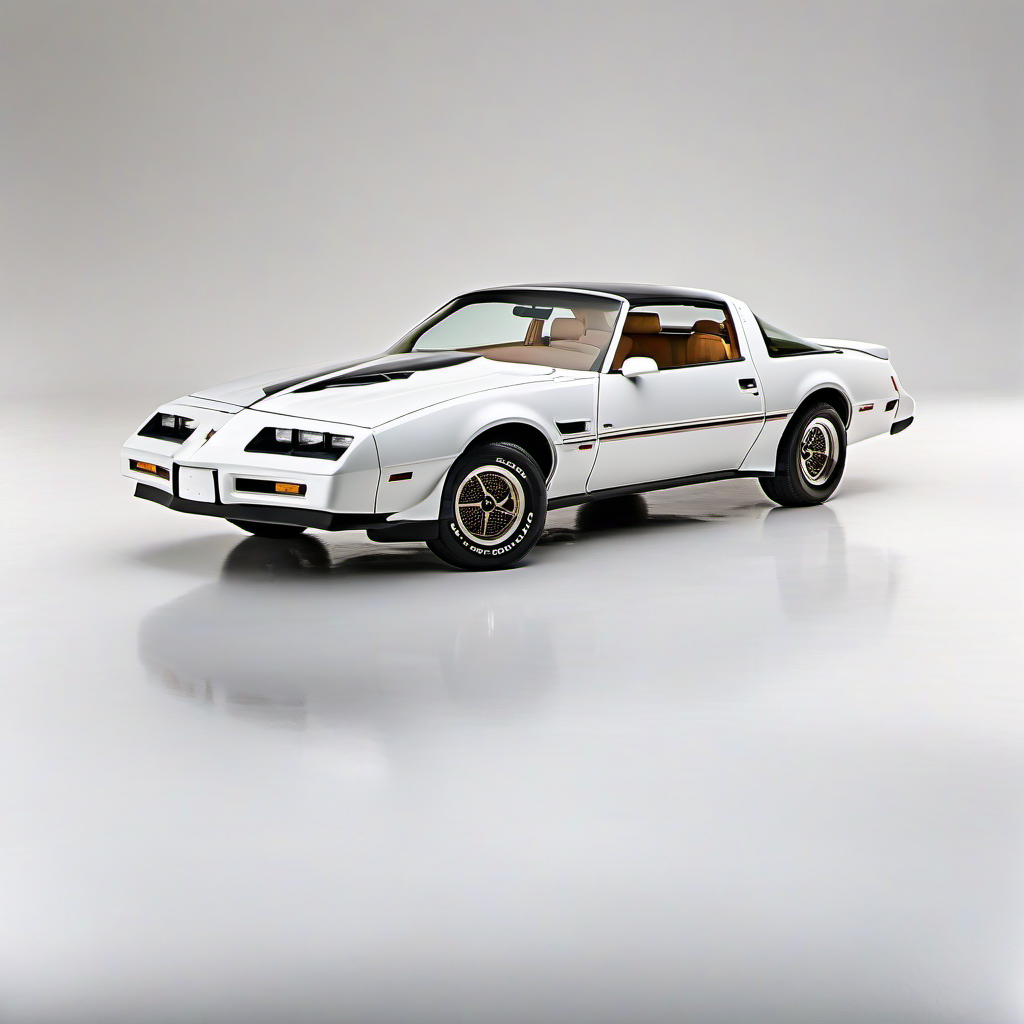
1982 Pontiac Firebird
1982 Pontiac
Firebird

Same era American sporty coupe, similar price point, also collector-status today with an enthusiast community and aging mechanical challenges.
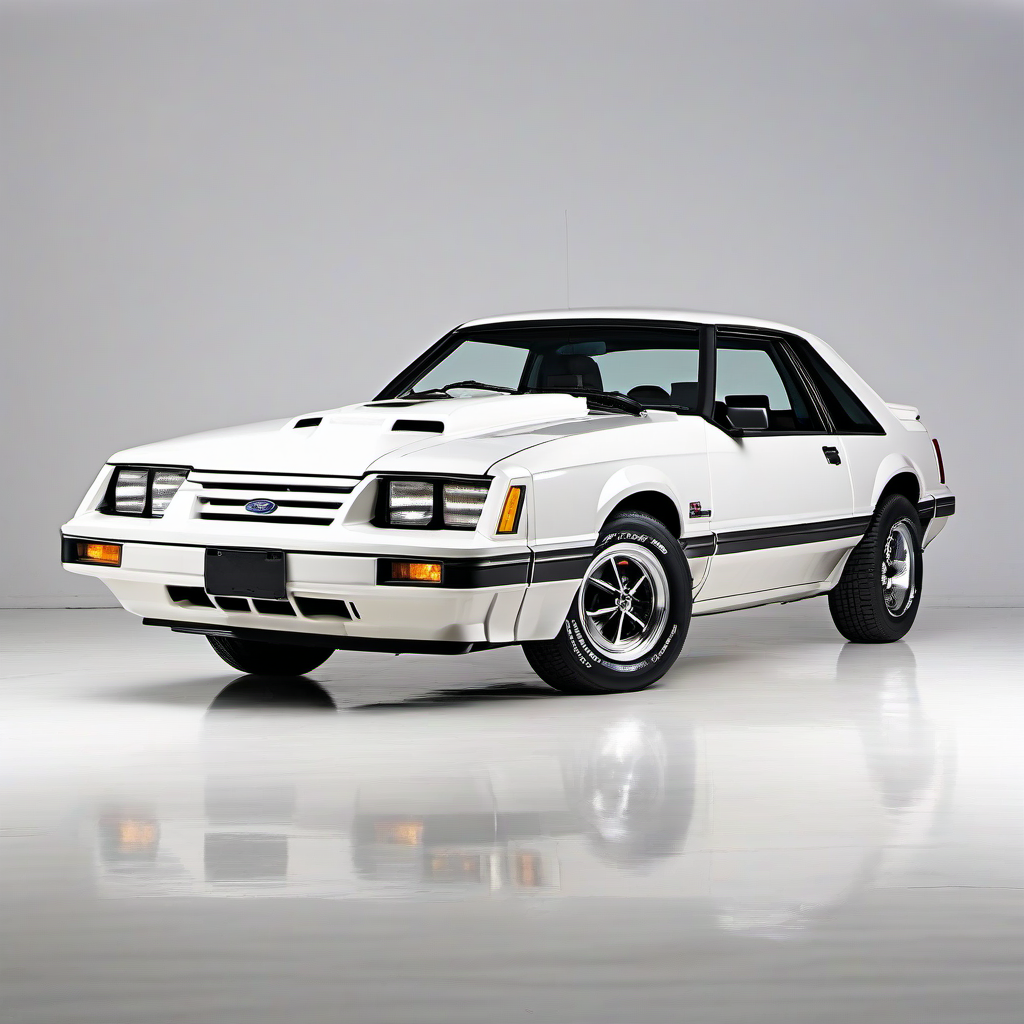
1983 Ford Mustang GT
1983 Ford
Mustang GT

Direct 1980s American performance coupe rival; RWD versus FWD, but similar purchase price, collector interest, and ongoing parts/maintenance demands.

1984 Dodge
Shelby Charger

A closely related K-car-based Mopar performance car sharing the turbocharged 2.2L; parts overlap is high and it represents a refined evolution of the same platform.

No catalog match
1983 Toyota
Celica

Contemporary FWD sporty hatchback coupe in the same market segment; Japanese build quality makes surviving examples generally more turnkey but with less American-performance character.

No catalog match

If you're shopping for one

Red flags
  • Any soft, punky, or holed floor pan or rocker — structural rust is a potential deal-breaker on a 40-year-old car
  • Blue or white smoke under boost — signals a failing turbo oil seal or head gasket issue
  • Non-original or obviously jury-rigged wiring — 1980s Chrysler electrics are already complex; aftermarket hacks make diagnosis nearly impossible
  • A seller who cannot demonstrate a warm, stable idle and a clean pull under boost
  • Evidence of overheating (white residue in coolant reservoir, milky oil on dipstick)
  • Any sign the car has been regularly driven on salted roads — undercarriage salt-pack and rust streaking are disqualifying on an example this age
What to inspect
  • Lift every piece of carpet and inspect floor pans with a flashlight and a screwdriver — poke any soft or bubbled areas for rust-through
  • Check rocker panels, rear wheel arches, and the spare tire well for active rust or bondo-over-rust repairs
  • Pull a boost reading during a test drive — the turbo should spool smoothly with no hesitation, surge, or smoke from the exhaust
  • Inspect all vacuum and boost hoses by hand for cracks, hardness, and collapsed sections
  • Check the logic module and power module (ECU boxes) connections under the hood and in the passenger compartment for corrosion
  • Verify the cooling system holds pressure and the temperature gauge stays stable at operating temp
  • Look for oil residue around the turbocharger housing and downpipe — a seeping turbo is a near-term replacement
  • Confirm the 5-speed shifts cleanly through all gears and does not pop out of gear under load
AI profile generated 4 days ago · claude-sonnet-4-6 · v2.