Carburetor failure / degradation
high- Typically appears
- Any — age-related
- Estimated repair
- $150 – $600
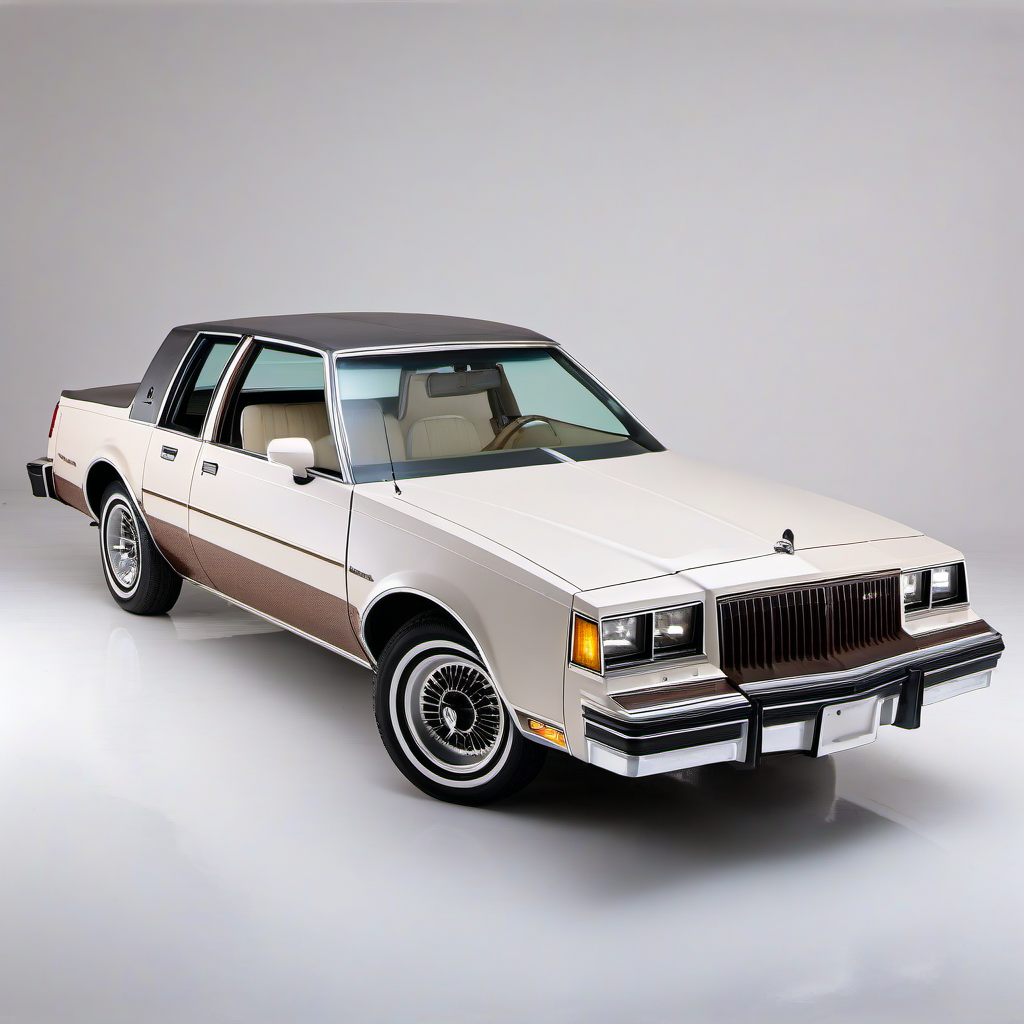
1982 Buick
3.8 L V6 · Limited
The 1982 Buick Regal Limited is a mid-size personal luxury coupe built on GM's A-body platform, sharing its bones with the Chevrolet Malibu, Oldsmobile Cutlass Supreme, and Pontiac Grand Prix. At this point in the Regal's life, GM had refined the platform considerably — the car offered a comfortable, boulevard-smooth ride with restrained styling and a well-trimmed interior aimed squarely at buyers who wanted a step up from mainstream but didn't need a full-size land yacht. The Limited trim sat above the base Regal and added upgraded upholstery, additional sound deadening, and extra convenience features. The standard engine was GM's 3.8L (229 or 231 cu in) V6, a workhorse unit that was broadly reliable but carried some known quirks around its carburetor and cooling system at this age. A 4-speed overdrive automatic (THM 200-4R) was the transmission of choice in 1982, an improvement over earlier 3-speeds for highway fuel economy. Forty-plus years on, surviving examples are either well-maintained collector pieces or long-neglected project cars. Parts availability has thinned, especially for trim and rubber seals, but mechanical components are still findable through GM A-body and Buick specialty suppliers. This is a niche buy — rewarding if you want a slice of early-'80s American comfort, but demanding in terms of time and sourcing.
The 1982 Buick Regal Limited is a mid-size personal luxury coupe built on GM's A-body platform, sharing its bones with the Chevrolet Malibu, Oldsmobile Cutlass Supreme, and Pontiac Grand Prix. At this point in the Regal's life, GM had refined the platform considerably — the car offered a comfortable, boulevard-smooth ride with restrained styling and a well-trimmed interior aimed squarely at buyers who wanted a step up from mainstream but didn't need a full-size land yacht. The Limited trim sat above the base Regal and added upgraded upholstery, additional sound deadening, and extra convenience features. The standard engine was GM's 3.8L (229 or 231 cu in) V6, a workhorse unit that was broadly reliable but carried some known quirks around its carburetor and cooling system at this age. A 4-speed overdrive automatic (THM 200-4R) was the transmission of choice in 1982, an improvement over earlier 3-speeds for highway fuel economy. Forty-plus years on, surviving examples are either well-maintained collector pieces or long-neglected project cars. Parts availability has thinned, especially for trim and rubber seals, but mechanical components are still findable through GM A-body and Buick specialty suppliers. This is a niche buy — rewarding if you want a slice of early-'80s American comfort, but demanding in terms of time and sourcing.
The Rochester Quadrajet on these cars develops worn accelerator pumps, dried gaskets, and stuck choke mechanisms with age. A fresh rebuild restores drivability and fuel economy.
40-year-old rubber vacuum lines crack and collapse invisibly. A full set replacement is cheap insurance against rough idle, stalling, and brake booster loss.
The 200-4R is sensitive to fluid condition and band adjustment. Neglected fluid leads to slipping and premature failure of an increasingly hard-to-source unit.
Steel brake and fuel lines on salt-exposed cars from this era are frequently rusted through at bends and fittings. This is a safety-critical inspection.
Old coolant becomes acidic and eats aluminum and gaskets. Rubber hoses on a 40-year-old car should be treated as failed unless recently replaced.
Older flat-tappet V6 engines rely on ZDDP (zinc) content in oil for camshaft protection. Use a conventional oil or a dedicated classic-car oil formula — many modern synthetics have reduced ZDDP levels.
Rear drum hardware — springs, wheel cylinders, and shoes — seize and corrode with age. Annual inspection prevents a sudden loss of rear braking.
Failed weatherstripping allows water intrusion into the floor pans and trunk, accelerating the rust that's already a major concern on Midwest survivors.
Always defer to the manufacturer's service manual for warranty-mandated intervals.
A well-maintained 1982 Regal Limited is inexpensive to insure on a classic policy and cheap to fuel for light use. The wildcard is deferred maintenance: a car that hasn't been properly recommissioned can generate $2,000–$6,000 in catch-up repairs (brake lines, carburetor, transmission service, rust repair) in the first year. Budget accordingly when buying.
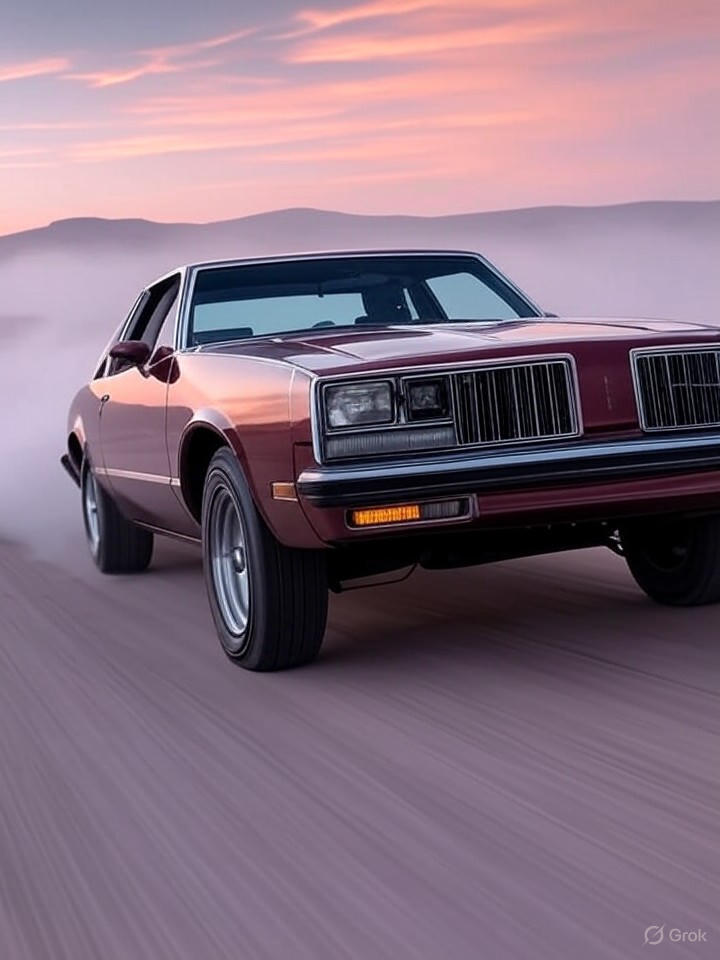
Shares the GM A-body platform almost part-for-part. Same era, same mission, same known issues. Parts and knowledge cross over heavily.
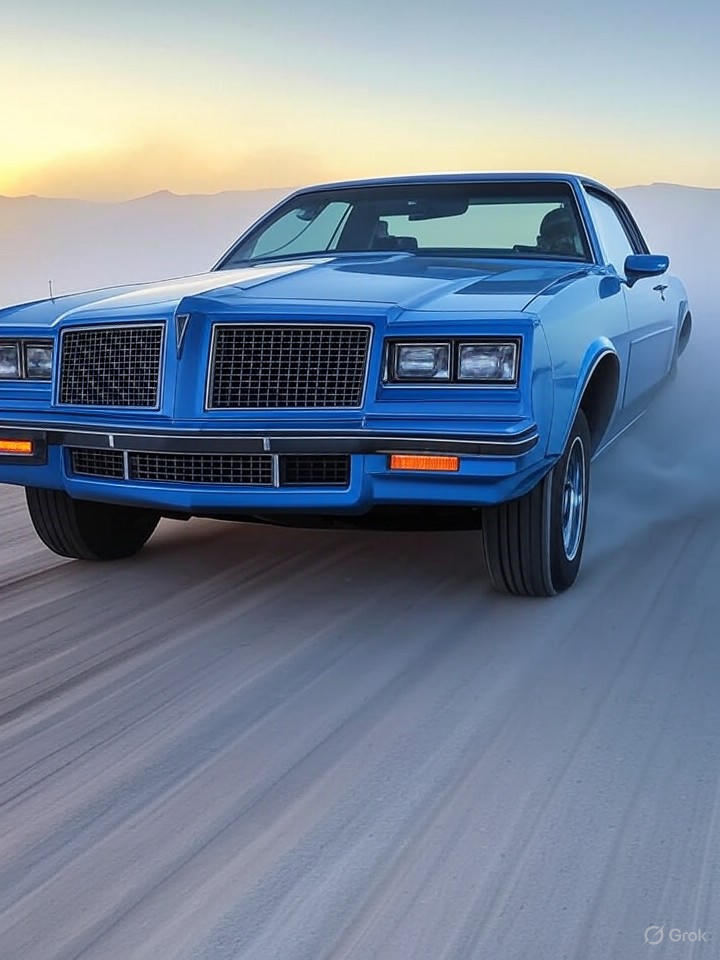
Another A-body sibling with near-identical underpinnings. Slightly sportier styling but the same drivetrain and maintenance considerations.
The base A-body cousin — less luxury content but the most parts-common car in the family. Useful reference for mechanical sourcing.
No catalog match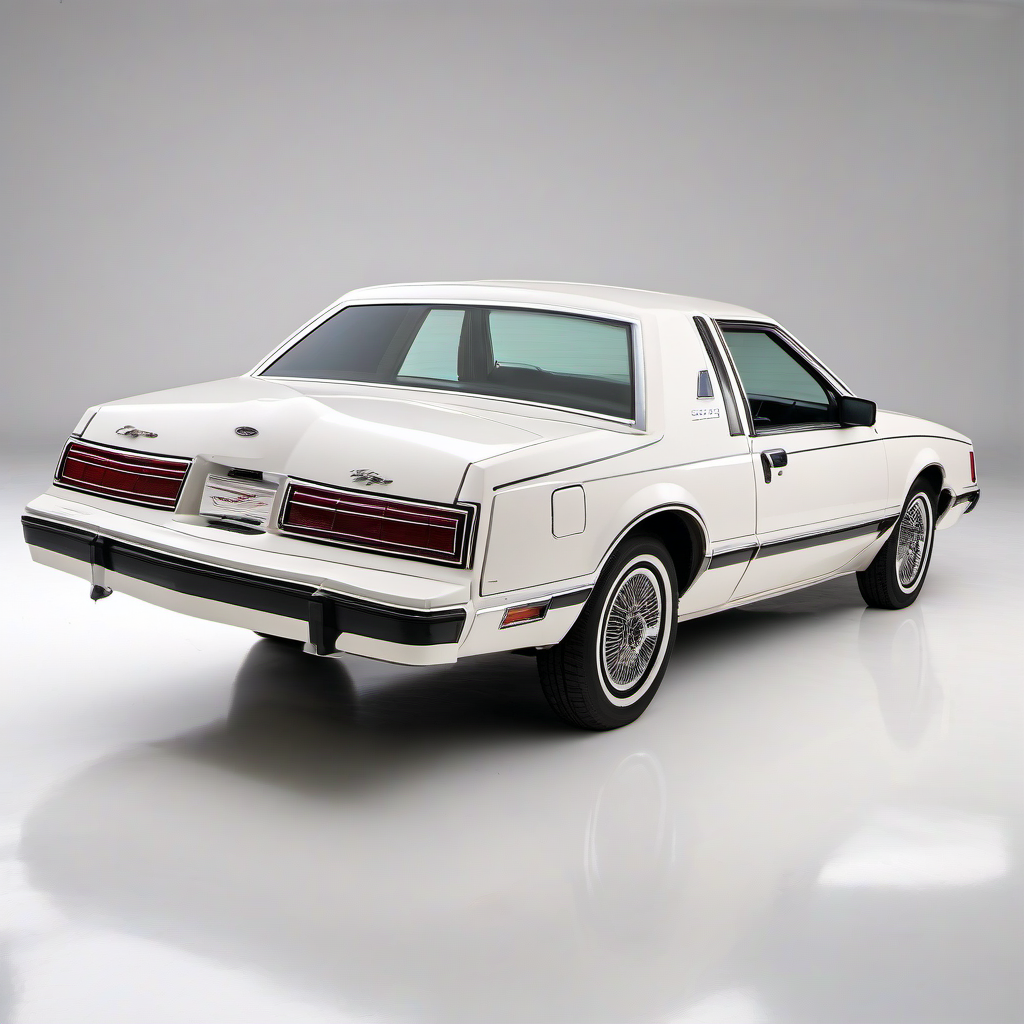
Ford's competing personal luxury coupe of the same era. Different platform entirely but targets the same buyer and offers a similar ownership/collector experience.