Carburetor deterioration and fuel delivery problems
high- Typically appears
- Any mileage on a vehicle this age
- Estimated repair
- $150 – $600
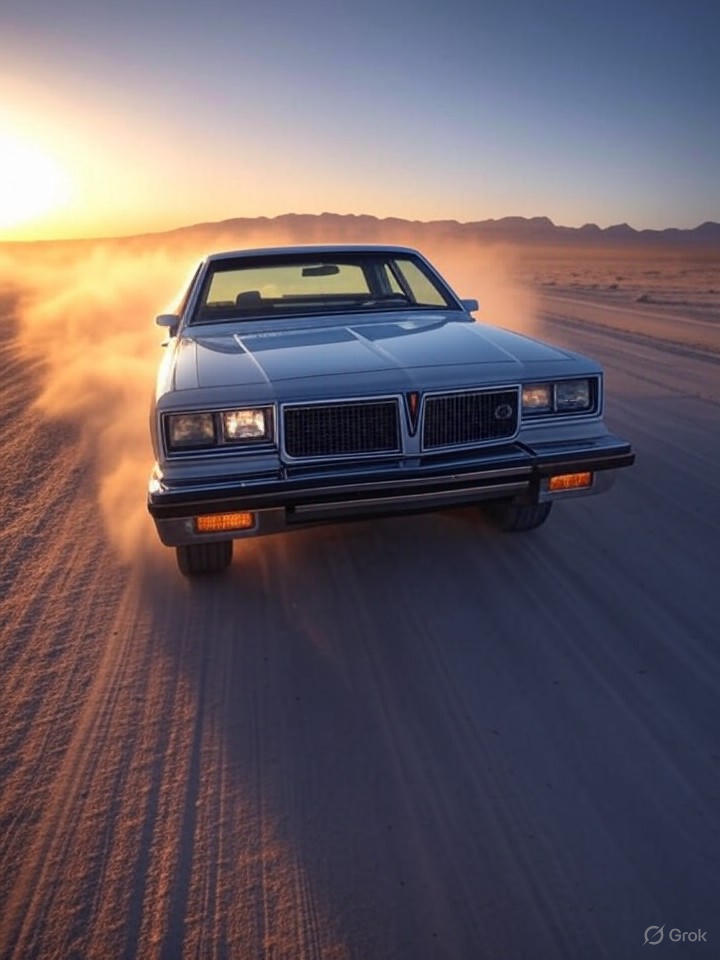
1981 Pontiac
2.8 L V6 · STE
The 1981 Pontiac 6000 STE is the sport-touring edition of GM's A-body mid-size sedan, built on the same platform shared with the Chevrolet Celebrity, Oldsmobile Cutlass Ciera, and Buick Century. The STE (Sport Touring Edition) was Pontiac's attempt to inject European-flavored handling into an otherwise conventional family sedan, featuring stiffer suspension tuning, upgraded interior materials, and slightly more driver-focused ergonomics than the base 6000. Powered by GM's 2.8L V6 — a carbureted unit in this early model year — the 6000 STE offered modest performance by any standard, but was reasonably refined for its era. It was front-wheel drive at a time when FWD was still a novelty in American sedans, which made it feel modern and gave it decent traction in winter conditions. At over 40 years old, any surviving 1981 6000 STE is now an older vehicle requiring diligent mechanical attention. Parts availability has thinned considerably, and rust is the primary enemy — especially on Wisconsin-driven cars. This is a niche collector/driver car rather than reliable daily transportation.
The 1981 Pontiac 6000 STE is the sport-touring edition of GM's A-body mid-size sedan, built on the same platform shared with the Chevrolet Celebrity, Oldsmobile Cutlass Ciera, and Buick Century. The STE (Sport Touring Edition) was Pontiac's attempt to inject European-flavored handling into an otherwise conventional family sedan, featuring stiffer suspension tuning, upgraded interior materials, and slightly more driver-focused ergonomics than the base 6000. Powered by GM's 2.8L V6 — a carbureted unit in this early model year — the 6000 STE offered modest performance by any standard, but was reasonably refined for its era. It was front-wheel drive at a time when FWD was still a novelty in American sedans, which made it feel modern and gave it decent traction in winter conditions. At over 40 years old, any surviving 1981 6000 STE is now an older vehicle requiring diligent mechanical attention. Parts availability has thinned considerably, and rust is the primary enemy — especially on Wisconsin-driven cars. This is a niche collector/driver car rather than reliable daily transportation.
Rubber hoses on a 40-year-old car are well past service life. Overheating is the fastest way to destroy the 2.8L V6.
Decades of gum, varnish, and ethanol-blended fuel degrade carburetor internals. A clean carb is essential for reliable starting and fuel economy.
Older engines with potential seal wear benefit from more frequent oil changes; modern extended-drain intervals are not appropriate here.
Rubber components this old are prone to sudden failure. A snapped belt or cracked vacuum line can leave you stranded or cause engine damage.
Brake hoses can swell internally with age, causing brake drag or failure. Fluid absorbs moisture over time and should be flushed regardless of color.
Road salt is the primary killer of A-body cars in Wisconsin. Structural rust can make a car unsafe to drive even if it runs fine.
Steel fuel lines rot from the outside on salted roads; the mechanical fuel pump on this era engine wears with age. A fuel leak is a fire hazard.
Cold Wisconsin winters demand a healthy battery. The older charging systems on these cars are less forgiving of a marginal battery than modern vehicles.
Always defer to the manufacturer's service manual for warranty-mandated intervals.
Day-to-day running costs are low if the car is already sorted, but deferred maintenance on a vehicle this age can stack up quickly. Budget generously for parts sourcing — some items require NOS (new old stock) or fabrication. A Wisconsin driver should budget on the higher end due to salt damage remediation and winter prep.
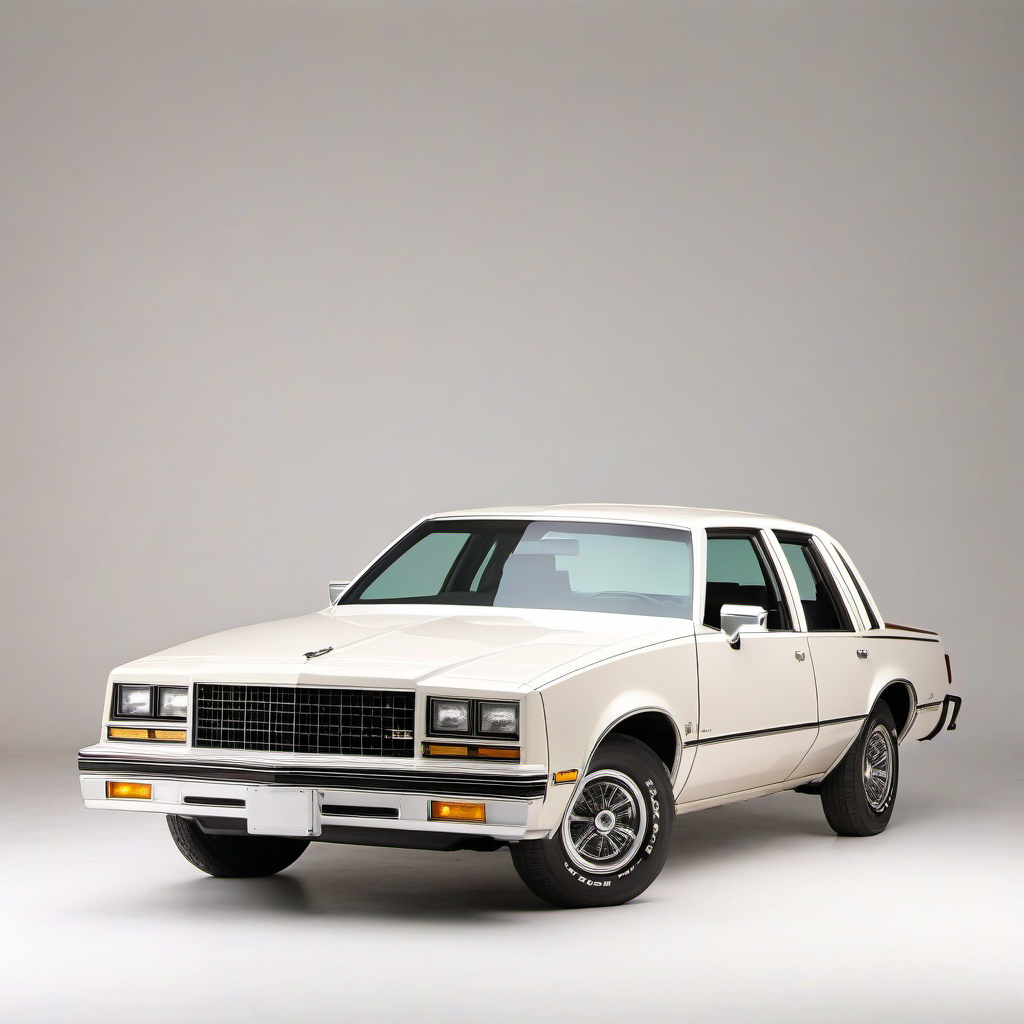
Mechanically identical A-body platform sibling — parts interchangeability is extremely high, making it a direct comparable and a useful parts donor.
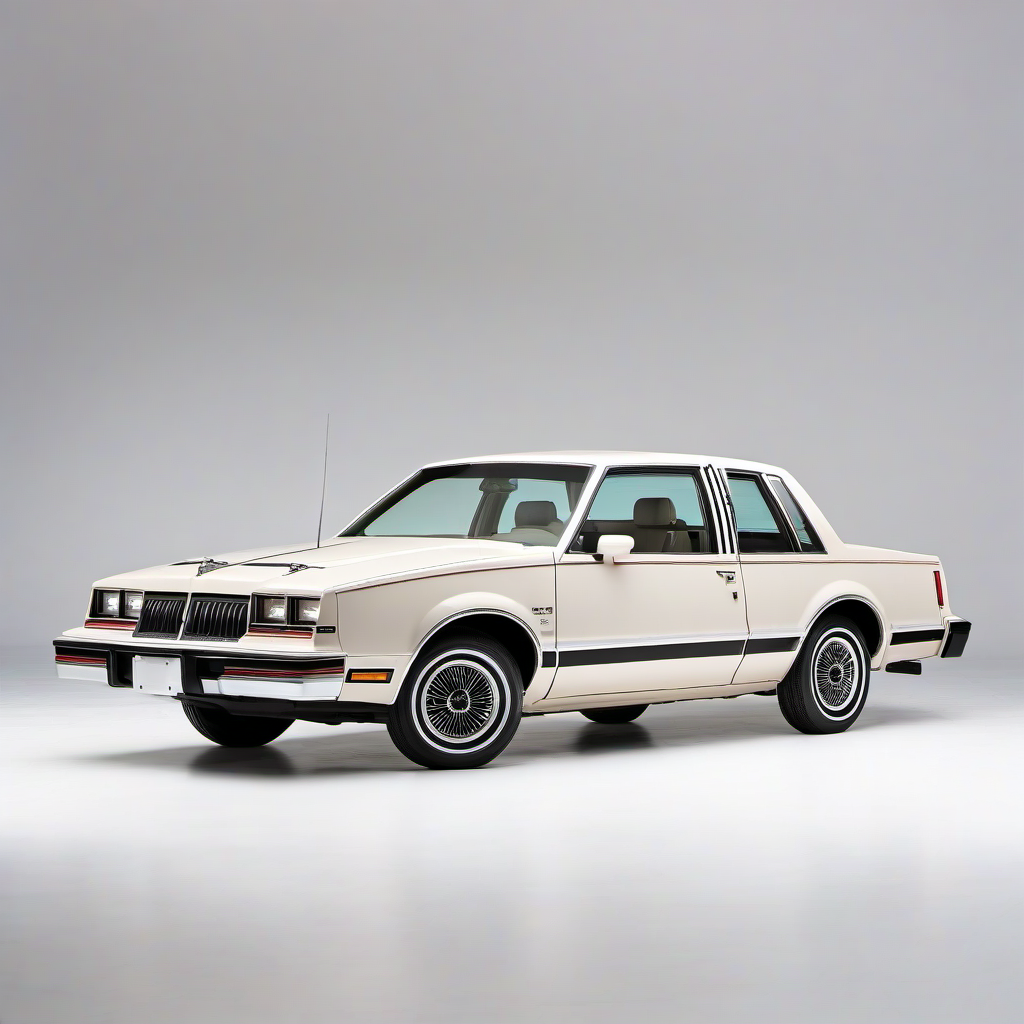
Same GM A-body platform, similar powertrain options and era; slightly more upmarket positioning mirrors the STE's intent.
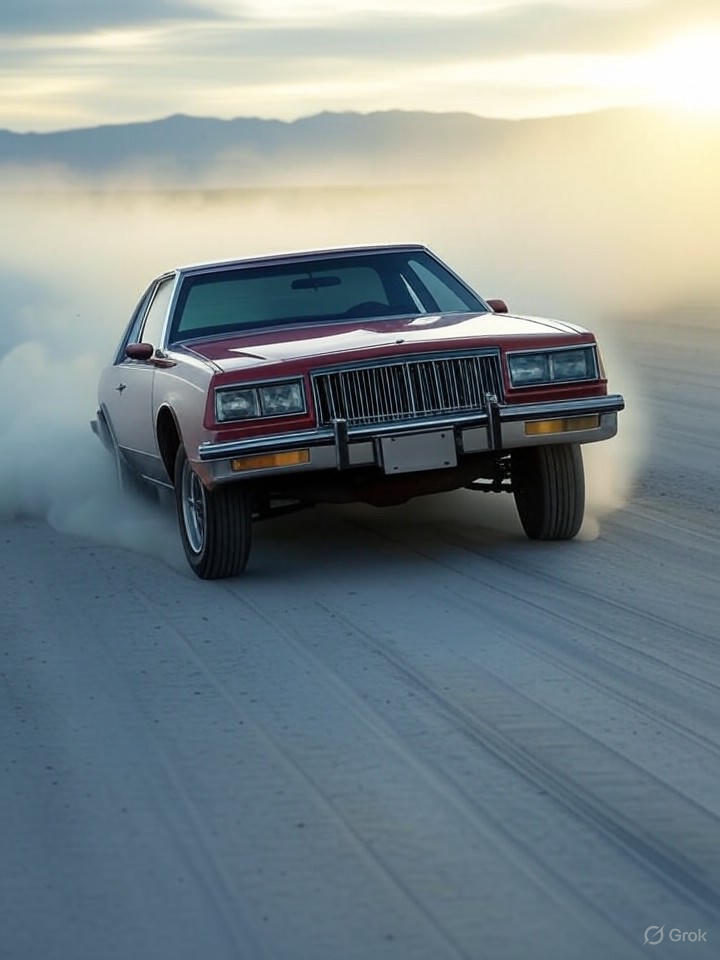
Fourth A-body sibling with significant parts commonality; often easier to find in better condition due to Buick's traditionally older, lower-mileage ownership base.
Comparable era American mid-size sedan at a similar price point; different platform but represents the same market segment and buyer demographic.
No catalog match